Adoption and Genetics: What You Need to Know
12 December 2025
Parenting is an incredible journey, filled with love, challenges, and countless learning experiences. But when it comes to adoption, one big question often lingers in the minds of both adoptive parents and adoptees: What role does genetics play in an adopted child’s life?
If you’re an adoptive parent, you may wonder about hereditary health conditions, personality traits, or even how much nature vs. nurture truly influences a child's future. This article breaks it all down in a simple, engaging way—without the fluff. 
Understanding Genetics in Adoption
Before we dive deep, let’s get one thing straight: genetics determines biological traits, but it doesn’t define identity. Genetics may shape physical attributes, certain health predispositions, and even some personality tendencies, but upbringing, environment, and love play an equally—if not more—important role.Adoption creates families based on love, not DNA. Still, understanding genetics helps parents prepare for potential challenges and better support their adopted child’s growth and well-being. 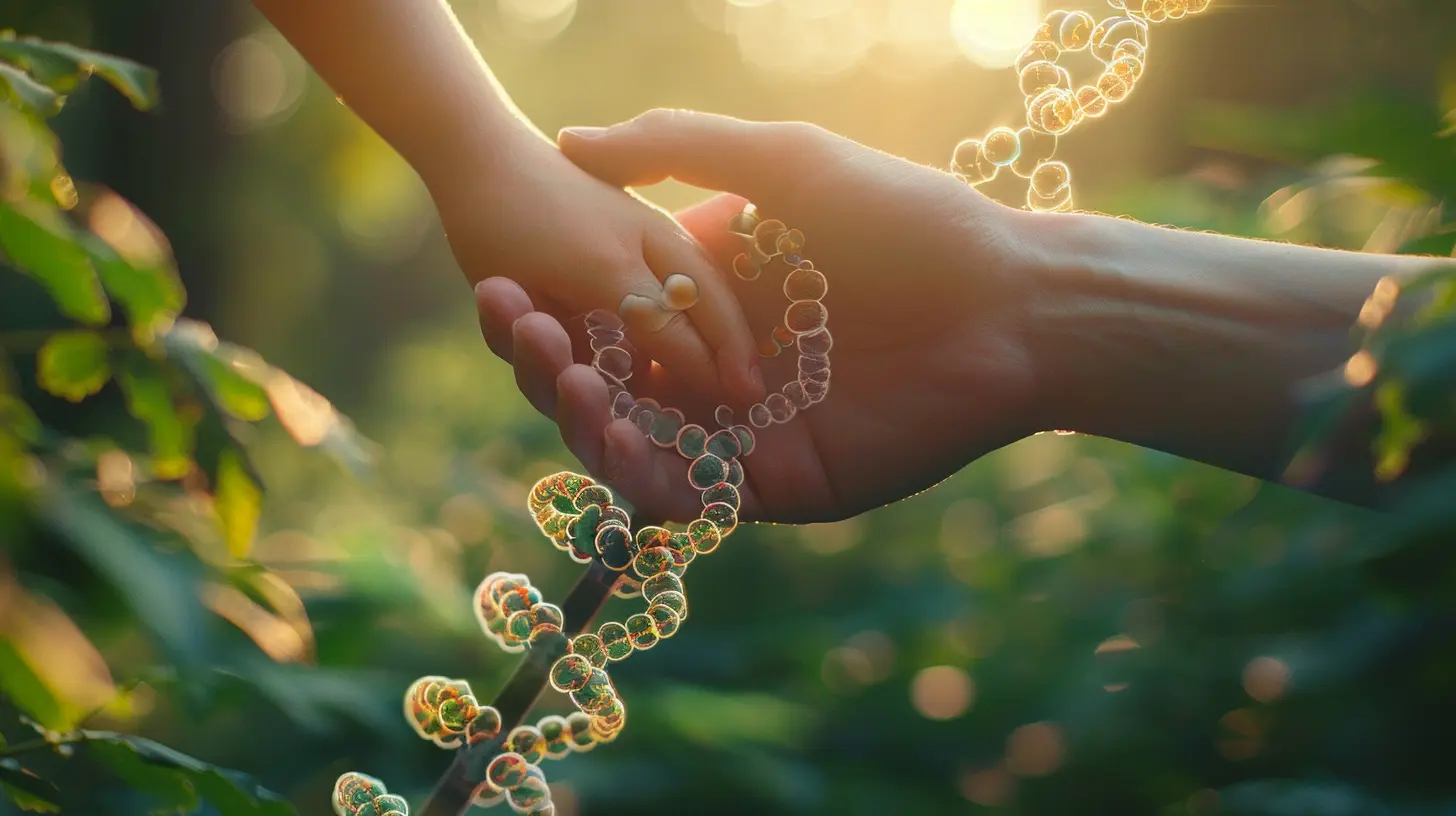
Nature vs. Nurture: The Endless Debate
You’ve probably heard the phrase “nature vs. nurture” before. But how does it apply to adoption?- Nature (Genetics): Determines biological factors like eye color, height, inherited diseases, and some aspects of temperament.
- Nurture (Environment): Influences a child’s behavior, emotional development, values, and habits.
Here’s a fun way to think about it: If a child were a cake, genetics would be the recipe (the flour, eggs, and sugar), while nurture would be the baking process (temperature, time, and technique). Both are necessary for the final outcome.
For adoptive parents, this understanding is crucial. While you may not share DNA with your child, the love, values, and experiences you provide shape who they become just as much as their biological background. 
Genetic Health Concerns in Adopted Children
One of the biggest worries adoptive parents face is how genetics might impact their child’s health. Since you may not have access to your child’s full medical history, here are a few things to keep in mind:1. Hereditary Diseases
Certain conditions, like diabetes, heart disease, or genetic disorders, can be passed down through generations. If an adoptee doesn’t have access to family medical records, regular preventative screenings become extra important.2. Mental Health Risks
Mental health conditions like depression, anxiety, ADHD, and schizophrenia can have genetic links. However, a supportive home environment plays a massive role in reducing the risks of these conditions manifesting or worsening.3. Allergies and Autoimmune Disorders
Some adoptees may have unknown allergies or sensitivities. Be mindful of food, environmental triggers, or skin reactions that might indicate a hereditary condition.4. Genetic Testing: Is It Worth It?
Many adoptive parents consider genetic testing to gather health-related information. Companies like 23andMe and AncestryDNA offer DNA testing kits that reveal potential health risks and ethnic backgrounds.💡 Pro Tip: If genetic health risks are a concern, consult a genetic counselor who can help interpret DNA test results and provide guidance on possible preventive measures. 
How Much Do Genetics Influence Personality and Intelligence?
This is where things get really interesting. While genetics plays a role in shaping personality and intelligence, environmental factors play an equally—if not bigger—role.Personality Traits
Science suggests that some personality traits have a genetic component, like temperament, social tendencies, and emotional sensitivity. However, research also shows that a child’s upbringing and life experiences significantly shape their personality over time.For example, a child may have inherited a tendency toward introversion, but if raised in an encouraging, socially engaging environment, they may develop strong interpersonal skills.
Intelligence and Academic Abilities
While intelligence has some genetic basis, studies show that education, parental involvement, and a stimulating environment have a much stronger influence. Adoptive parents can foster a child’s intellectual growth through books, curiosity-driven learning, and emotional support.Bottom line?
Genetics may set the foundation, but who a child becomes is largely shaped by the love, guidance, and opportunities they receive from their adoptive family.
Addressing Identity and Connection to Biological Roots
As adoptees grow older, they may develop curiosity about their biological background. This is completely natural, and as a parent, it’s essential to guide this journey with love and openness.1. Embracing the Curiosity
Avoid making an adoptee feel guilty or ashamed about wanting to know more about their genetic roots. It’s not about rejecting their adoptive family—it’s about understanding who they are holistically.2. Open Discussions About Heritage
If possible, help your child explore their cultural and genetic heritage. This could involve celebrating cultural traditions, learning about their ancestry, or even connecting with biological relatives if it’s safe and emotionally beneficial.3. Supporting the Search for Biological Family
Some adoptees may feel a need to find and connect with their biological parents. If your child expresses this desire, approach it with understanding, instead of fear. Being transparent and supportive will strengthen your bond, not weaken it.The Role of Epigenetics: Can Environment Change DNA Expression?
Here’s a mind-blowing concept: While genes provide a blueprint, they don’t determine everything. Scientists have discovered that environmental factors can actually influence how genes are expressed—a field known as epigenetics.How Does This Apply to Adoption?
- A child may have a genetic risk for obesity, but a healthy diet and active lifestyle can influence whether that gene gets activated.- A child with a family history of anxiety may experience different outcomes depending on whether they grow up in a stressful vs. supportive home environment.
This proves that while genetics provides a foundation, the environment plays a critical role in shaping a child’s ultimate health and well-being.
Final Thoughts: Love Outweighs DNA
At the end of the day, parenting—whether biological or adoptive—comes down to love, guidance, and support. Genetics may play a role in shaping who a child is, but it doesn’t define their future.Adoptive parents may not share a child’s DNA, but they provide something far more powerful: a nurturing environment, life lessons, and unconditional love. And in the grand scheme of things, that’s what truly matters.
So, for any adoptive parent worried about genetics, here’s the truth: While DNA is part of the equation, you are the biggest factor in shaping your child’s life.
all images in this post were generated using AI tools
Category:
AdoptionAuthor:

Karen Hurst
Discussion
rate this article
2 comments
Isaac McLaurin
Understanding the interplay of genetics and environment enriches the adoption journey, fostering deeper connections and embracing each child's unique story.
December 23, 2025 at 5:40 AM
Karen Hurst
Thank you for your thoughtful comment! Understanding these dynamics truly enhances the adoption experience and helps celebrate each child's individuality.
Victor Rhodes
Thank you for shedding light on the complexities of adoption and genetics. Your insights remind us that love and connection truly define family, transcending biological ties. Grateful for this valuable perspective!
December 15, 2025 at 4:01 AM
Karen Hurst
Thank you for your thoughtful response! I'm glad the article resonated with you and highlighted the importance of love in defining family.