Celebrating Differences: A Guide to Multicultural Adoption
16 February 2026
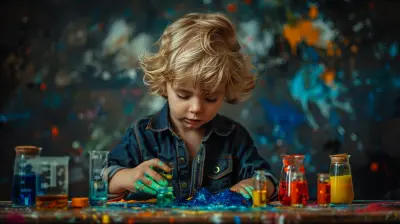
Adoption is a beautiful way to build a family — full of love, hope, and new beginnings. But when you're stepping into multicultural adoption, the experience brings a richer, more vibrant flavor to family life. It's like painting your life with every color in the box instead of just a few. It’s exciting… but also comes with its own unique challenges.
If you're considering or already navigating multicultural adoption, you're probably asking yourself some big questions. How do I honor my child's culture? What if I don’t know enough about it? Will my child feel like they belong? These questions are not only valid — they're crucial.
Let’s walk through this together. In this guide, we’ll chat about the joys, the tough spots, and most importantly, how to raise a child in a multicultural adoptive family where love and identity are celebrated equally.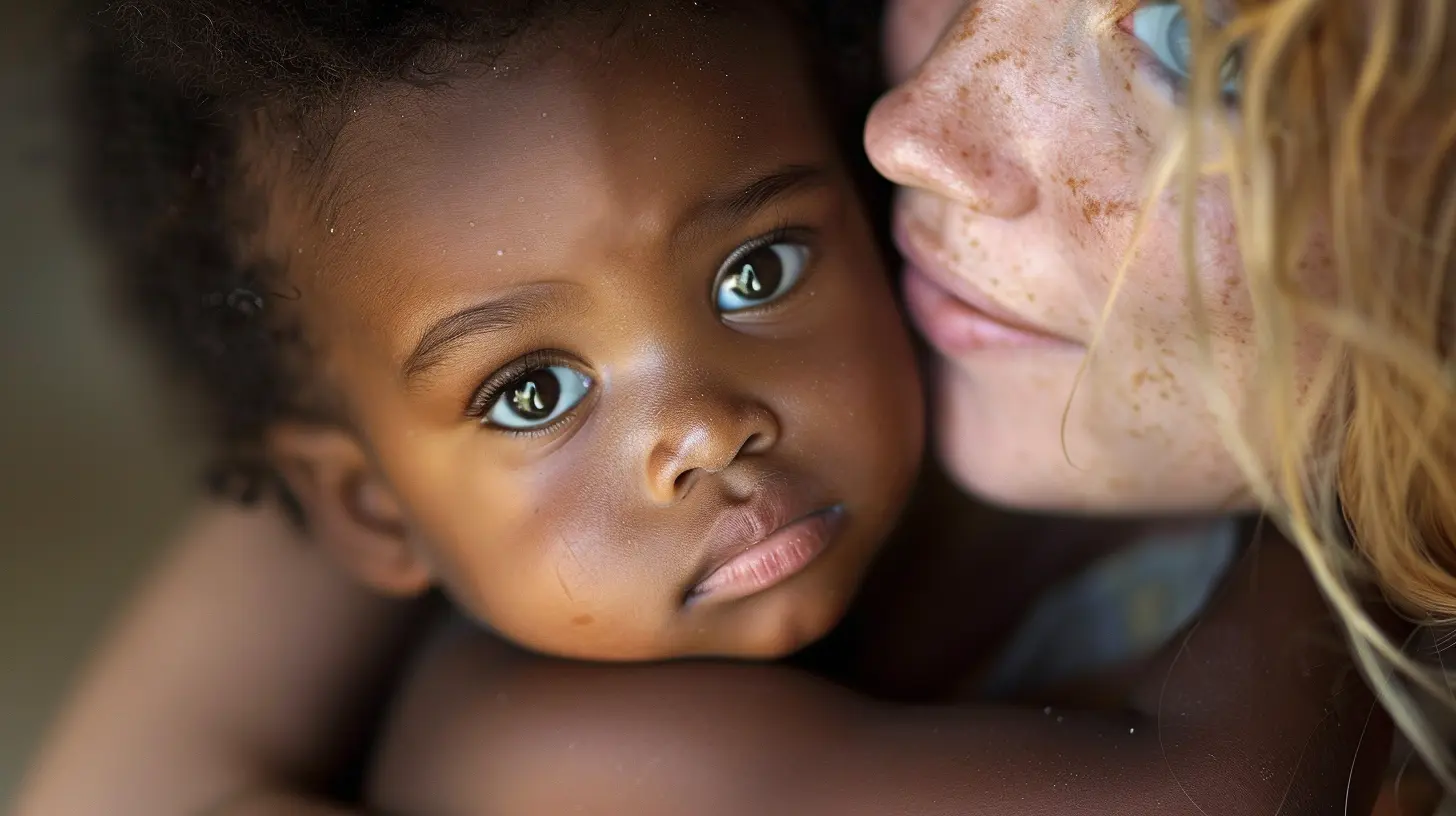
What Is Multicultural Adoption?
Before we dive deep, let’s define the basics.Multicultural adoption (often overlapping with transracial or international adoption) is when adoptive parents bring a child into their family who comes from a different cultural, ethnic, or racial background than their own.
It’s more than just parenting across color lines — it’s about embracing every part of who your child is, including the roots they didn’t choose but still carry in their heart.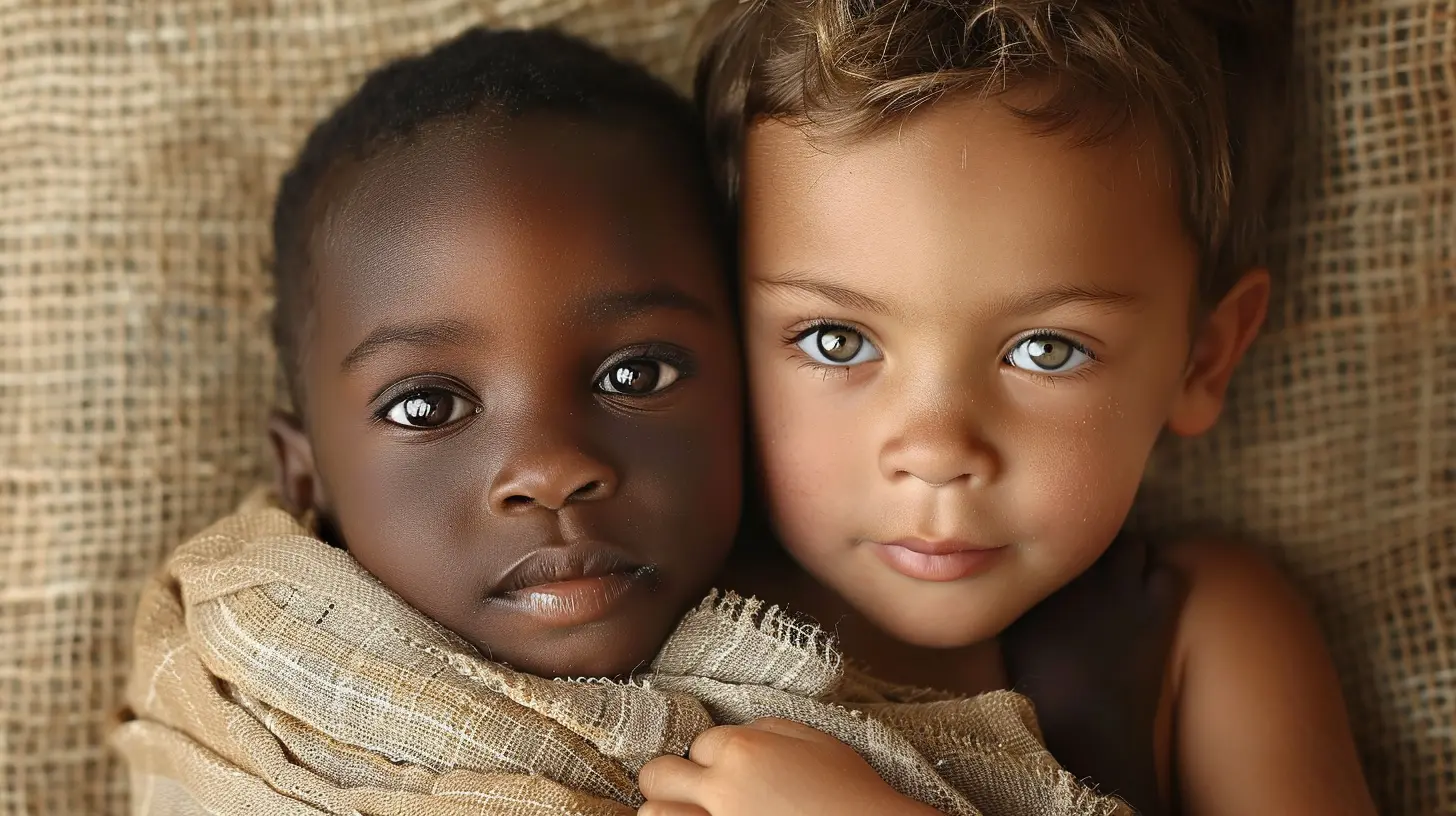
Why Celebrating Cultural Differences Matters
Imagine being planted in a foreign garden. Everything's new — the soil, the sounds, even the way the sun feels. That's how it might feel for a child adopted into a family with a different cultural background. Love alone can't fill in those identity gaps.Celebrating differences sends a powerful message: "Who you are matters. Every part of you — including where you came from." It helps your child feel seen, valued, and proud of their heritage rather than disconnected from it.
Identity Formation
Kids are like sponges, right? They're constantly soaking up clues about who they are and where they fit in the world. When their identity isn’t reflected anywhere — in their home, their school, or their neighborhood — they can feel like something’s missing.Your role as a parent is to validate their identity, not rewrite it. Multicultural adoption gives you the chance to build bridges between your family culture and your child’s heritage, so they can walk both sides confidently.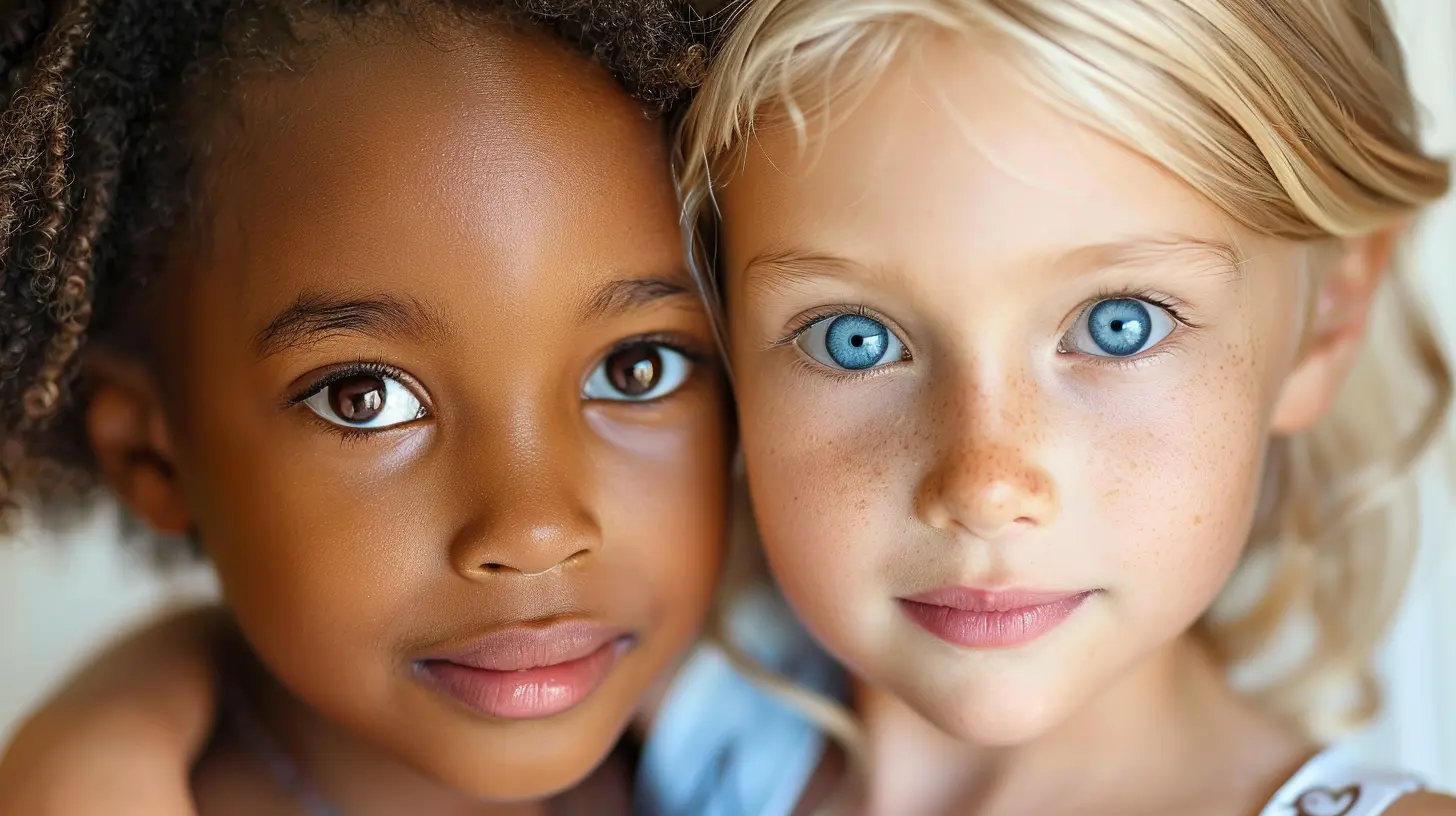
Getting Comfortable with Being Uncomfortable
Let’s be honest. It’s not always easy. Sometimes you’ll mess up. You might mispronounce a name or accidentally make assumptions you didn’t even know you had.And that’s okay.
Growth starts with being real with yourself. Humility, curiosity, and openness go a long way in this journey. It’s like learning a new dance — you’ll step on each other's toes now and then, but you’ll get better with time, patience, and love.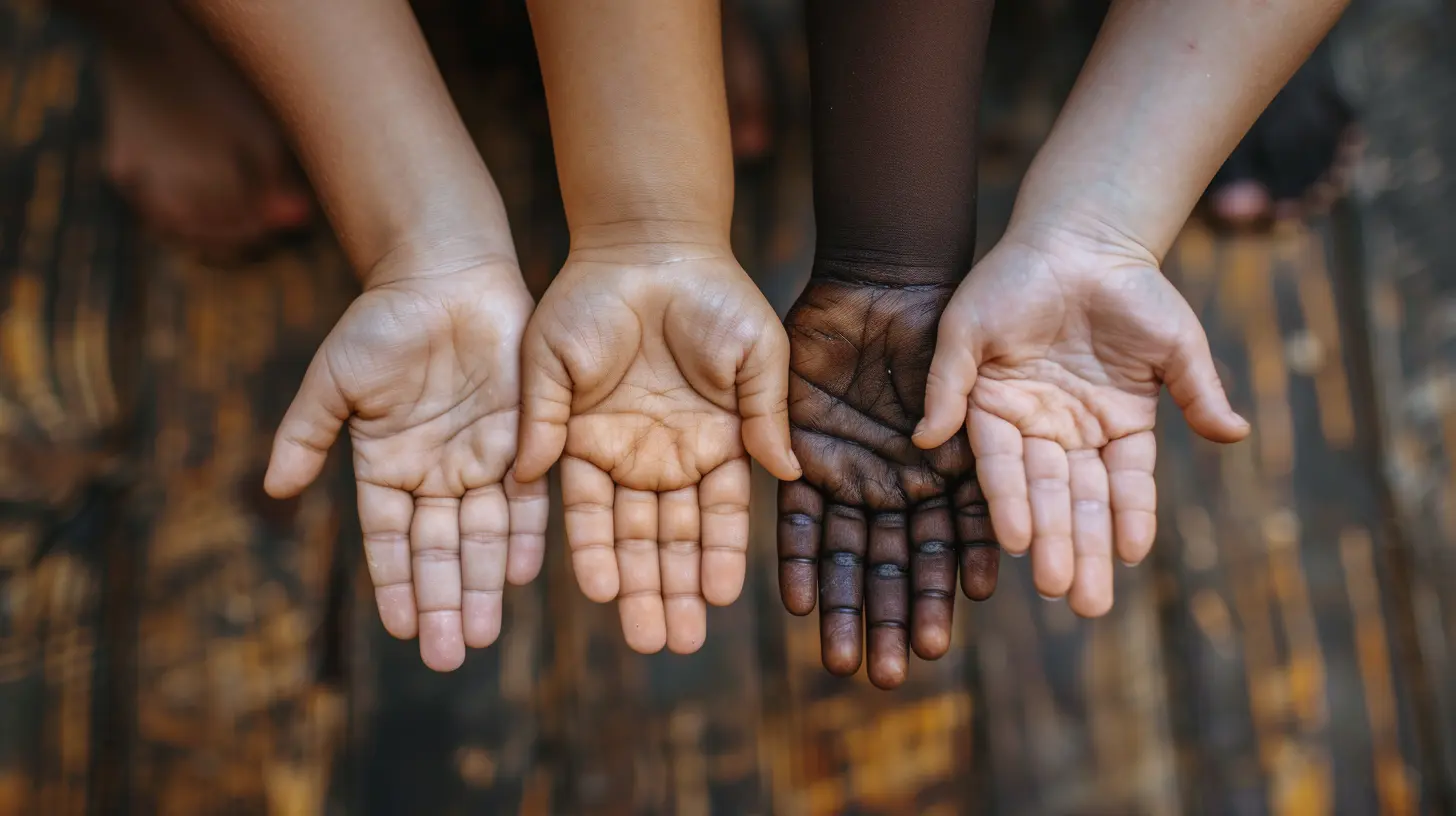
Practical Ways to Celebrate Cultural Differences
So, how do we move from intention to action? How do we actively weave our child’s culture into everyday family life?Here are some down-to-earth ideas that are easy to start — and meaningful to maintain.
1. Make Their Culture a Part of Everyday Life
Try adding cultural elements into daily routines. Cook traditional dishes from your child’s country, celebrate their cultural holidays, or learn a few common phrases in their native language.Got a bookshelf at home? Sprinkle in some children’s books that include characters who look like them and come from similar backgrounds.
2. Connect with Their Community
Representation matters. Find cultural events in your city, visit cultural centers, or join playgroups with families from your child’s background. These connections help your child see people who look like them living full, happy lives.Bonus? You’ll learn right alongside them.
3. Normalize Conversations About Race and Culture
Skip the “colorblind” approach. Your child knows they’re different — and when you ignore it, they learn that it's something not worth talking about.Start simple: “Your hair texture is beautiful, and different from mine. Let’s find the best way to take care of it together.” These conversations open the door to deeper, ongoing discussions.
4. Let Cultural Expression Be Self-Led
As your child grows, they’ll want to explore their heritage in their own way. Some kids dive headfirst into their cultural roots, while others ease in slowly.Follow their lead. Provide resources, but don’t force it. Think of yourself as a cultural tour guide, not the driver.
The Role of Birth Culture in Self-Esteem
Knowing where we come from helps us understand who we are.For kids in multicultural adoptions, their birth culture is a crucial part of their identity puzzle. And when that piece is missing or dismissed, it’s hard for them to feel whole.
If you can, keep any traditions, photographs, and stories from their birth culture alive. If you're adopting internationally, try learning about their birth country's history and current events — not just the Hollywood version, but the real stuff.
And if adoption was domestic but cross-cultural, respect and acknowledge the community your child originated from. It’s not just about location — it’s about honoring the lived experiences tied to that cultural heritage.
Creating a Safe Space for Questions and Emotions
Here’s something parents don’t talk about enough: adoption comes with grief. Yes, it’s also joyful, but for the child, it’s a layered experience — love and loss tangled together.Children may ask tough questions:
- “Why didn’t my birth parents keep me?”
- “Why don’t I look like everyone else in our family?”
- “Do I really belong here?”
Don’t shy away from these moments. They’re not signs of failure… they’re signs of trust. Your willingness to have honest, open, non-judgmental conversations lays the groundwork for lifelong emotional safety.
Siblings, Grandparents, and the Extended Family Factor
Your child’s journey isn’t solo — it ripples across the whole family.Talk to siblings early on about cultural differences. Use age-appropriate language to explain that everyone in the family might look different, and that’s actually something cool, not weird.
Extended family can be a mixed bag. Some relatives might struggle with understanding multiculturalism or race. Educate them. Set boundaries where needed. Your child should never feel like they have to “earn” love or prove they belong.
The School Factor: Advocating in the Hallways
Let’s switch gears for a second and talk about schools.Teachers and classmates play a huge role in your child’s sense of belonging. Make sure your child’s educators are respectful of diversity and know your child’s story (only as much as your child is comfortable with sharing, of course).
Speak up if books or activities in the classroom misrepresent your child's culture or heritage. Diversity bookshelves and inclusive history lessons aren’t extras — they’re essentials.
Navigating Hair, Skin, and Physical Differences
This one gets practical real quick.If your child’s skin or hair requires different care, learn about it. Watch videos. Ask for help. Don’t treat it like an inconvenience — treat it like an opportunity to bond.
And when strangers make comments like, “Where’s she from?” or “Is that your real child?” — prep yourself and your child with confident, respectful responses. These interactions are teaching moments, whether you like it or not.
Keeping an Eye on Your Own Biases
Let’s keep it real. We all have unconscious biases. That doesn’t make us bad — it makes us human. What’s not okay is ignoring them.Do the work. Read books, listen to podcasts, take diversity training. Have uncomfortable conversations. Your child is watching, and the more you grow, the safer they’ll feel being their whole, authentic self around you.
The Gift of Multicultural Adoption
So, let’s bring it full circle.Multicultural adoption isn't just about parenting a child — it’s about parenting a whole world of experiences, stories, languages, and legacies. It’s challenging, yes. But it’s also deeply rewarding.
You'll learn things you never knew existed. Your child will teach you just as much as you teach them. And your home? It won’t just be a house. It’ll be a living, breathing celebration of cultures coming together.
And that, dear reader, is something truly worth celebrating.
Final Thoughts: It’s All About Love + Intention
To wrap this up: You don’t need to be perfect. You just need to be present, curious, and humble. Celebrate the uniqueness your child brings into your home. Let them know every day — through actions and words — that their differences are not something to be hidden, but cherished.Multicultural adoption is not a detour from parenting — it’s an enriching pathway with deeper roots and louder songs.
So take it one day at a time. Build the bridge. Paint with all the colors. And most importantly — keep showing up with love.
all images in this post were generated using AI tools
Category:
AdoptionAuthor:

Karen Hurst
Discussion
rate this article
2 comments
Audrey Larsen
Embrace diversity; love knows no boundaries!
March 1, 2026 at 4:53 AM
Karen Hurst
Absolutely! Embracing diversity enriches our lives and fosters love beyond boundaries. Thank you for your support!
Zayden McNeely
Embracing multicultural adoption is like weaving a vibrant tapestry—each thread uniquely contributes to the whole. Celebrating differences not only enriches our families but also prepares our children to thrive in an ever-diversifying world. Let's champion this beautiful journey!
February 16, 2026 at 4:20 PM
Karen Hurst
Thank you for your beautiful analogy! Embracing diversity truly enriches our families and empowers our children for the future. Let's continue to celebrate this journey together!