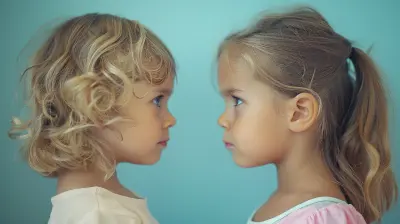
Conflict Resolution Tools for Families with Multiple Kids
31 December 2025
Let’s be real — living in a home with multiple kids is like managing a tiny village with strong personalities, endless energy, and spontaneous outbreaks of chaos. If you’ve ever walked into a room to find your kids arguing over who had the blue cup first (when there are clearly ten other cups in the cabinet), you already know how quickly things can spiral.
Sibling squabbles are totally normal, but too much conflict can seriously zap the peace out of your home. That’s where conflict resolution tools step in to save the day. Think of them as your family’s toolbox — packed with strategies that help your kids navigate disagreements without turning every issue into World War III.
In this post, we’ll walk you through tried-and-true conflict resolution tools for families with multiple kids, and we’ll do it in a way that doesn’t sound like it came from a dusty psychology textbook. Get ready to bring more peace, patience, and problem-solving into your home.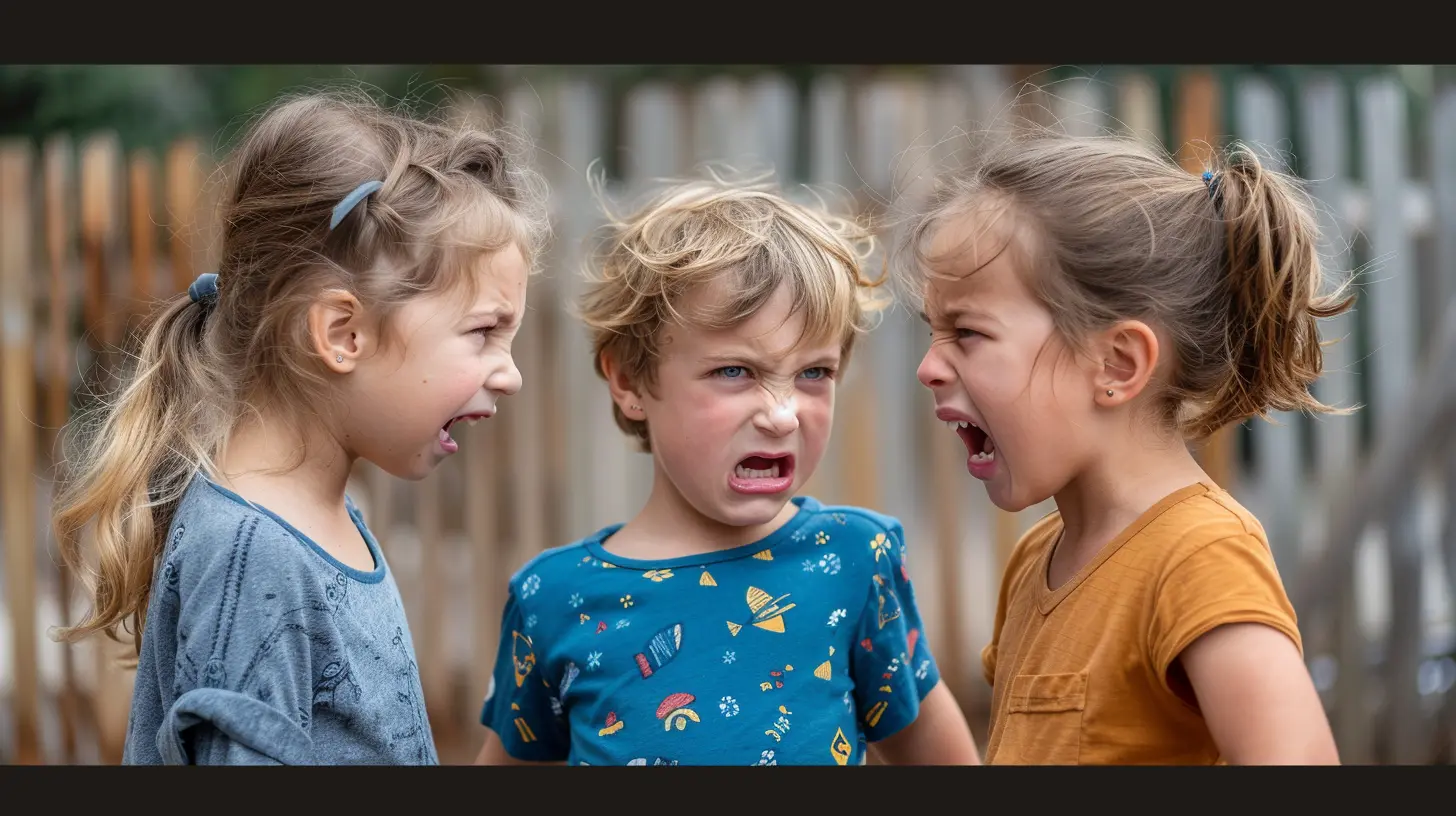
Why Do Siblings Fight So Much?
Before we jump into the tools, let’s take a quick peek at why sibling battles happen in the first place.- Limited resources — That favorite toy, screen time, or the last cookie? It’s all up for grabs.
- Clashing personalities — One child may be more sensitive, another more dominant. Boom — conflict.
- Age difference — A 4-year-old and a 10-year-old don’t play (or argue) the same way.
- Craving attention — Sometimes, fighting is a way to get you to notice them.
- Testing boundaries — Sibling fights can be a safe way for kids to learn social rules and power dynamics.
Understanding the "why" helps you respond with empathy rather than frustration. Now, let’s build the toolkit.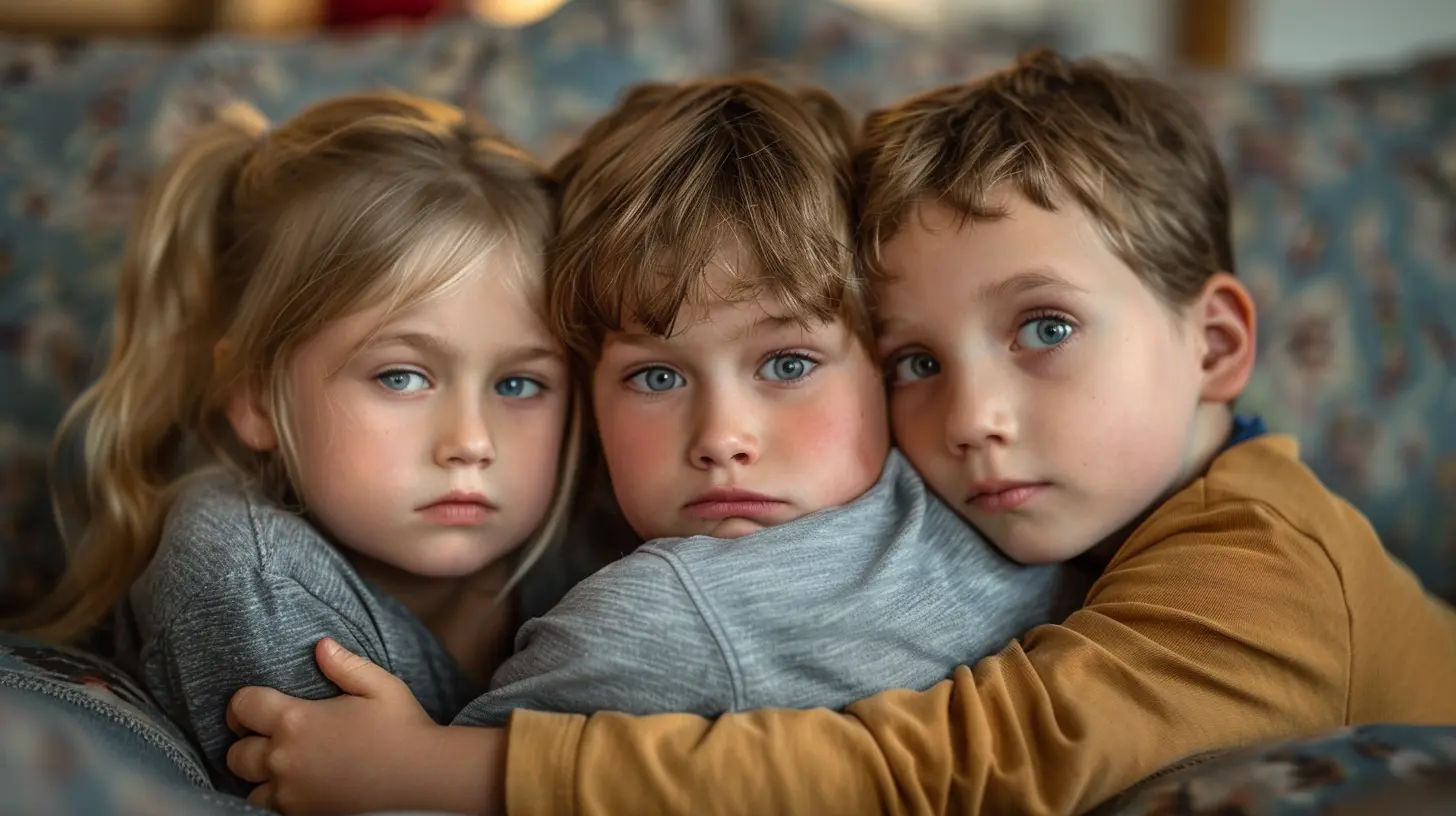
Tool #1: The Calm-Down Corner (Not a Time-Out!)
This isn’t your old-school time-out where a child sulks in the corner. The calm-down corner is a chill zone where kids can cool off before emotions bubble over.What You’ll Need:
- A cozy chair or beanbag- Fidget toys, books, a stuffed animal
- A calm-down jar or glitter bottle
How It Works:
Encourage your kids to go to the calm space whenever they’re feeling overwhelmed — not as a punishment, but as a way to reset. Think of it as emotional first aid.> “Feeling mad? Missing your brother’s toy caused a blow-up? Let’s take five in the calm-down corner.”
Over time, they’ll learn to pause and process before reacting — which is huge in managing conflict.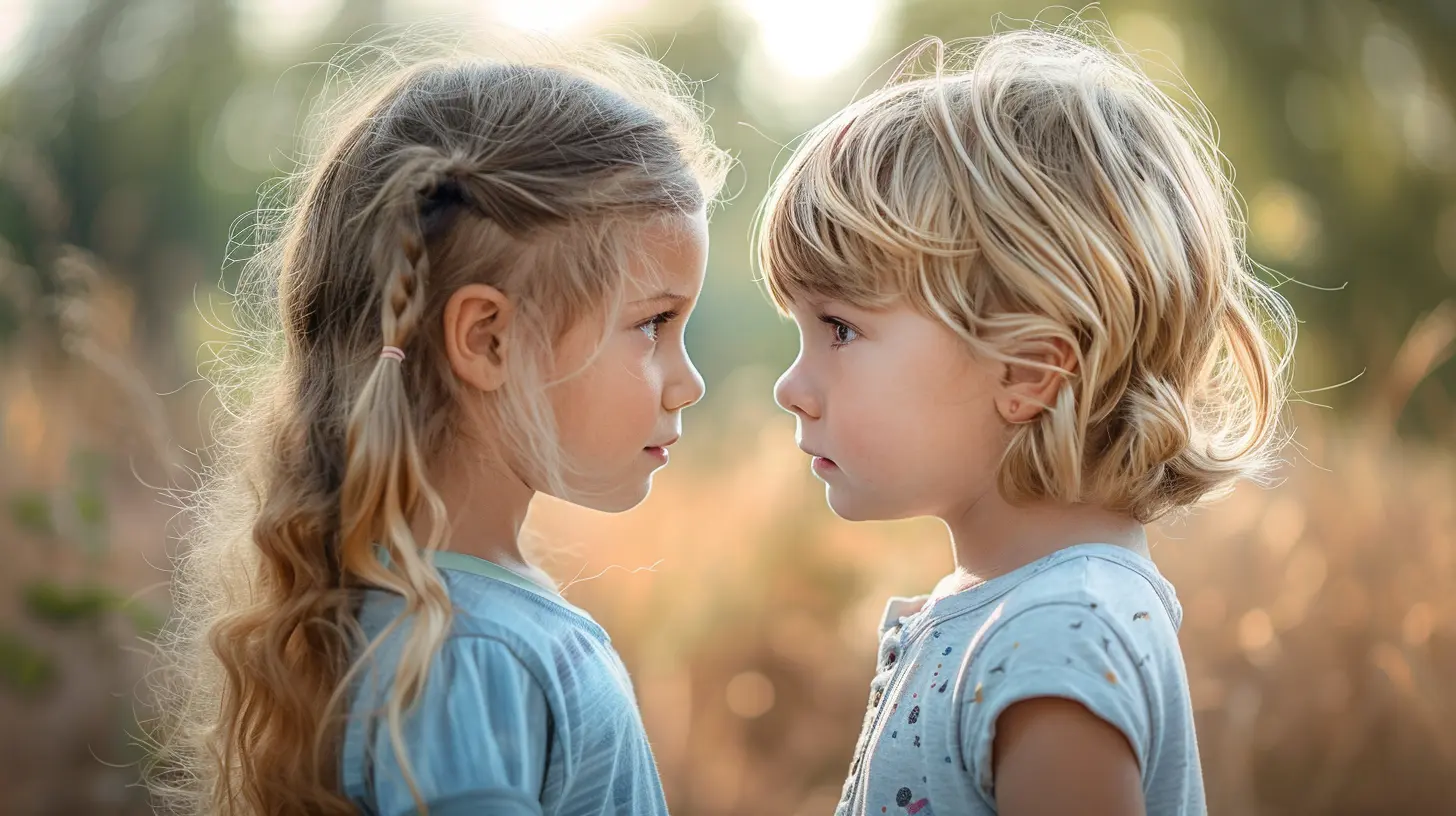
Tool #2: "I" Statements for Big Feelings
Kids often start arguments with blame: “You’re so annoying!” or “You never let me play!”Teaching your kids to use “I” statements helps them express feelings without attacking.
Here’s the Formula:
“I feel [emotion] when [situation] because [reason]. I would like [what they want].”Example:
“I feel frustrated when you don’t share the video game because I want a turn too. I would like to take turns every 10 minutes.”
Sound a little advanced? It may take practice, but even toddlers can grasp simplified versions. Use puppets or role-play to act them out until it becomes second nature.
Tool #3: Family Meetings (Yes, Really)
You may be rolling your eyes, but hear me out. Regular family meetings (even just 10–15 minutes a week) give everyone a voice and build a team mentality.Agenda Ideas:
- Highs and lows of the week- Discuss recurring conflicts
- Brainstorm family rules
- Celebrate wins!
Let one child be the “meeting leader” each time — this teaches responsibility and makes them feel heard. Plus, when kids help make the rules, they’re more likely to follow them.
Tool #4: The “Two Yeses and a No” Rule
This one's a parenting gem. When there’s a disagreement, each child must come up with two acceptable solutions the other would be okay with, and one (gentle) “no” option that’s off the table.Let’s say they’re fighting over which game to play. One could say:
- Yes: “We play my game first and yours next.”
- Yes: “We set a timer and split the time evenly.”
- No: “We only play my game.”
This teaches creative problem-solving and compromise. It’s like mental gymnastics for empathy!
Tool #5: One-on-One Time with Each Kid
OK, this might not feel like a conflict resolution tool at first glance… but it totally is.Kids who feel seen and connected are less likely to lash out at siblings for attention. Building in special time with each child — even 15 minutes a day — fills their emotional cup to the top.
During this time:
- Let them lead the activity
- Put away your phone (yep, completely)
- Listen without fixing
When each child feels like they’re not competing for your love, peace tends to naturally follow.
Tool #6: Modeling Peaceful Conflict Resolution Yourself
We can’t expect our kids to handle conflict well if they see us blowing up over small things.Hear me out — you don’t have to be perfect (who is?!), but you do need to show them how to:
- Take a breath before reacting
- Apologize when wrong
- Stay calm under pressure (or at least try)
Let’s be honest, kids are little mirrors. Modeling is one of the most powerful parenting tools we have. If you mess up (and you will), use it as a learning moment: “Wow, I was really frustrated earlier. Next time, I’ll try to take a deep breath.”
Tool #7: Define Clear Family Rules
Having a few non-negotiable rules creates structure. Kids thrive on structure — even when they pretend they don’t.Keep it short and simple:
- We speak with kindness.
- We keep our hands to ourselves.
- We solve problems with words, not yelling.
Post them on the fridge and refer to them often. When a fight breaks out, you can say, “Remember rule #1?”
It’s not about punishment. It’s about agreement — a shared code that everyone helped create.
Tool #8: "Problem-Solving Cards" for Younger Kids
For the littles who can’t quite verbalize their feelings, make a stack of DIY problem-solving cards. Each card offers a solution to common conflicts.Some examples:
- “Take turns”
- “Ask for help from an adult”
- “Find something else to do”
- “Trade toys”
- “Use a timer”
You can even draw pictures if they’re non-readers. When tempers rise, they pick a card from the “solution deck” — turning the tantrum into a game.
Bonus: This builds emotional intelligence without them even realizing it.
Tool #9: Teach Empathy Through Storytelling
Stories are magical when it comes to helping kids understand emotions — their own and others'.Read books with sibling themes or conflict situations. After reading, ask:
- “How did that character feel?”
- “What could they have done differently?”
- “Has that ever happened to you?”
Books like “Llama Llama and the Bully Goat” or “The Berenstain Bears Get in a Fight” are great starting points.
And don’t forget your own stories! Talking about how you handled conflicts with your siblings growing up helps normalize their feelings and shows growth is possible.
Tool #10: Don’t Force Apologies (Wait, What?)
Okay, this might ruffle some feathers. But here it is: forcing kids to say “sorry” before they truly mean it doesn’t actually teach remorse.Instead, focus on repair — how can we make it right?
Sometimes it’s an apology. Other times it’s:
- A drawing for the hurt sibling
- Helping clean up the mess they made in the argument
- Giving space and reconnecting later
The goal? Teach empathy and accountability, not just going through the motions.
When to Step In — And When to Stay Out
Not every sibling spat needs full parental intervention. Sometimes, it’s about letting them work through it themselves — with the tools you’ve given them.But step in when:
- There’s physical harm or danger
- One child is clearly being bullied
- The same conflict repeats daily and needs guidance
Most of the time? Be nearby, but let them practice resolving on their own. It's like training wheels for emotional intelligence.
Final Thoughts: You're Already Doing Better Than You Think
Parenting is messy. Sibling conflict is normal. And expecting perfect peace in a house full of kids is like expecting your toddler to never drop food on the floor — just not realistic.But every time you teach your kids to express their feelings, compromise, or apologize with heart, you’re building relationship skills that last a lifetime.
So, grab the tools above, toss them into your “parenting toolbox,” and remember: You don’t need to have all the answers. You just need to show up, stay consistent, and keep modeling love. The rest will fall into place.
all images in this post were generated using AI tools
Category:
Sibling RivalryAuthor:

Karen Hurst
Discussion
rate this article
2 comments
Karson Richardson
Thank you for sharing these valuable conflict resolution tools! As a parent of multiple kids, I appreciate the practical strategies you provided. They will undoubtedly help us navigate disagreements more effectively and foster a more harmonious family environment.
January 19, 2026 at 4:27 AM
Karen Hurst
Thank you for your kind words! I'm glad you found the strategies helpful for your family. Wishing you all the best in fostering harmony at home!
Lena Henson
Empower children with tools for resolving conflicts, fostering empathy, communication, and stronger sibling bonds.
January 15, 2026 at 5:07 AM
Karen Hurst
Absolutely! Equipping children with these essential tools not only enhances their conflict resolution skills but also strengthens their relationships and emotional intelligence.