Coping with the Emotional Ups and Downs of Pregnancy
12 February 2026
Let’s face it—pregnancy isn’t all glowing skin, belly kicks, and baby showers. It’s a rollercoaster. One minute, you’re laughing at silly baby name ideas, and the next, you're crying over a burnt grilled cheese. Don’t worry—you’re not alone, mama.
Pregnancy brings about a hurricane of hormonal changes, life shifts, and unexpected emotions. And while it can be one of the most magical times in your life, it's not all sunshine and nursery rhymes. So let’s talk about it—really talk about it. This post dives into the real emotional ups and downs of pregnancy and how to cope with them so you can feel sane, supported, and maybe even smile more than you cry.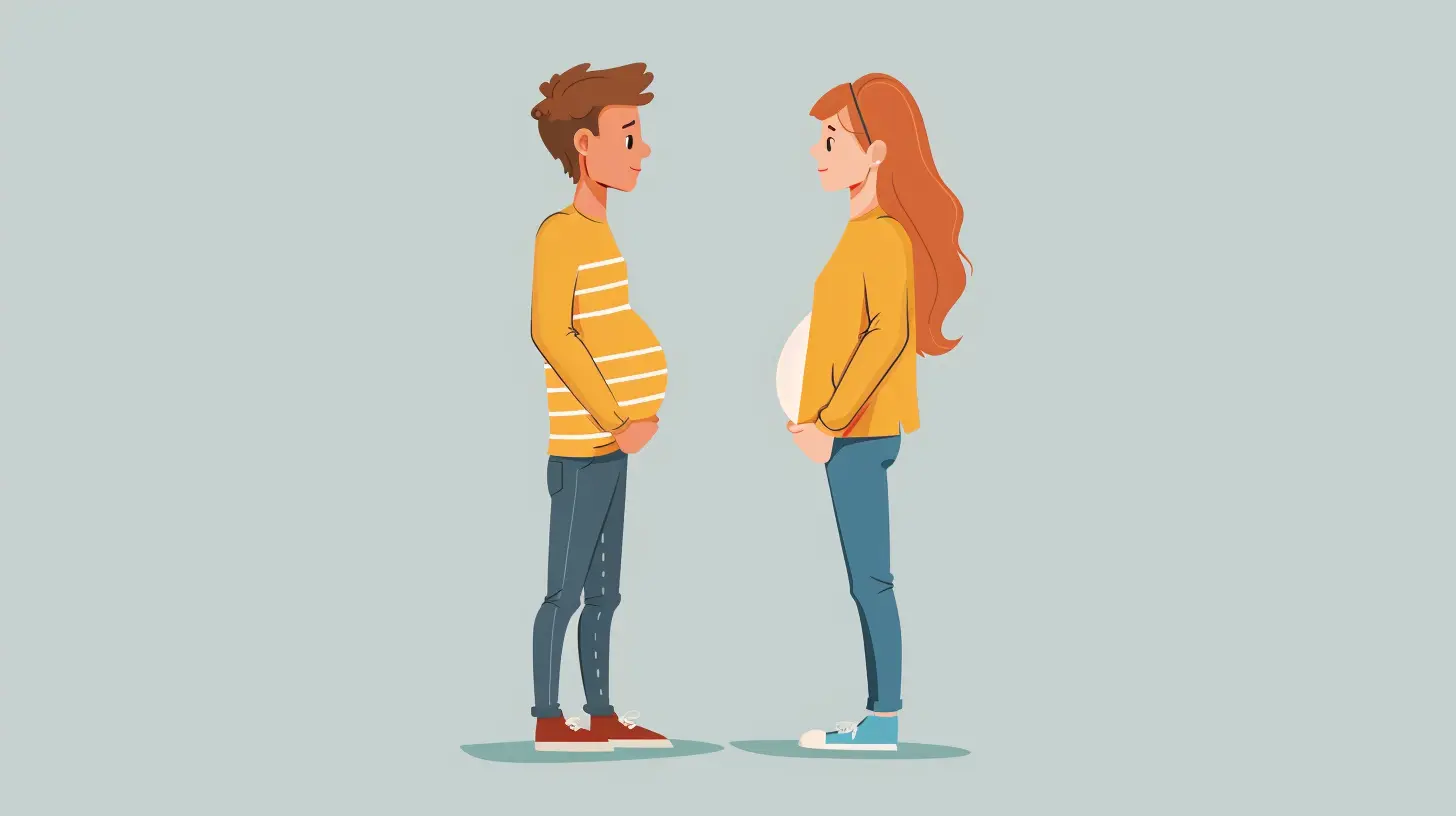
Why Emotions Go Haywire During Pregnancy
Ever feel like you’re not yourself? Like you’re living in someone else’s mood swings? That’s the hormones talking. Your body is doing incredible things—literally building life—but the side effect? Emotional chaos.Hormonal Hijack: What’s Really Happening
Estrogen and progesterone rise rapidly during pregnancy. These two hormones aren’t just baby-builders—they affect neurotransmitters in the brain. That means they mess with how you feel, react, and even think. Add to that the stress of preparing for parenthood and it’s no wonder your emotions can go from 0 to 60 in seconds.It's like your heart and brain are running a 24/7 marathon—no breaks, no breathers.
Common Emotional Highs and Lows to Expect
Okay, first thing’s first—you’re not “crazy.” You’re pregnant. And there’s a big difference. You’re processing a million changes in real-time. Here are some common emotional experiences many moms-to-be face:1. Anxiety
“What if something goes wrong?”You might find yourself Googling symptoms at 2 a.m. or worrying about whether you’ll be a good parent. Totally normal. Pregnancy anxiety is a thing—and it’s real.
2. Mood Swings
One minute, you're giggling over tiny socks, the next, you're sobbing over an insurance form. Mood swings are your body's way of recalibrating. Yes, it’s inconvenient. No, it doesn’t mean you’re unstable.3. Overwhelming Joy
That flutter in your belly? Heart-melting. Seeing the ultrasound? Unforgettable. Joy might be unexpected but can show up at the most ordinary moments—and that’s the magic of it.4. Depression
If you’re feeling persistently down, withdrawn, or hopeless, this is more than just hormones. Prenatal depression affects many expecting moms and deserves attention and care. You're not alone, and you don't need to tough it out.
How to Recognize When It’s Too Much
Knowing the difference between normal fluctuations and something more serious can make all the difference.- Are your sad feelings lingering for more than two weeks?
- Is your anxiety making it hard to sleep or function?
- Do you feel disconnected from your pregnancy?
- Are you withdrawing from people you love?
If you said yes to any of these, it might be time to talk to your healthcare provider. There’s no shame in asking for help. In fact, it's strength in disguise.
Smart Strategies to Cope Like a Champ
You're growing a human (superhero status right there), but that doesn’t mean you need to grin and bear it. Let’s talk game plan.1. Talk It Out
Seriously, don’t bottle it up. Whether it’s your partner, your bestie, or a therapist—get those feelings out. Talking helps you process things and prevents emotions from simmering under the surface.Think of it like releasing steam from a pressure cooker.
2. Journal Your Emotions
You don’t need to be a writer—just scribble thoughts as they come. It helps track patterns, vent frustrations, and capture those beautiful, fleeting moments.Plus, imagine reading them to your baby one day—heart-melting, right?
3. Prioritize Self-Care
Self-care isn’t selfish—it’s essential. Take naps without guilt. Soak in a warm bath. Spend 30 minutes doing something just for YOU. You matter.Imagine you’re charging your emotional battery. You can’t pour from an empty cup.
4. Limit the Stress Triggers
Turn off the news if it freaks you out. Set boundaries with toxic people. Say no to things that don't feel right. You have full permission to protect your peace right now.5. Stay Active (Even Just a Walk Counts!)
Exercise releases endorphins—the feel-good hormones. A little stretching, a gentle prenatal yoga session, or just a short walk can majorly boost your mood.Plus, it helps you sleep better too, which also helps with… you guessed it—emotions!
6. Practice Mindfulness and Deep Breathing
Ever tried belly breathing? It’s not only amazing during labor; it’s perfect for calming your mind. Close your eyes, inhale peace, exhale stress.Mindfulness helps you slow down, check in with yourself, and stay grounded when feelings get intense.
7. Connect With Other Moms
There’s nothing like talking to someone who’s been there—done that. Support groups, online forums, prenatal classes—whatever floats your boat. Community heals.Dealing With Emotional Triggers From Your Past
Pregnancy often unearths old stuff—childhood trauma, body image issues, fears about parenting. Don’t be surprised if emotions you thought were long gone come back knocking.Talk to a therapist if deep emotional wounds start surfacing. Growing a baby while healing yourself? That’s next-level strength. Give yourself grace.
Supporting Your Partner or Loved Ones Through Your Emotional Waves
Let’s be real—partners don’t always get it. That doesn’t make them bad people—it just means they’re not inside your body experiencing what you are.1. Share What You’re Feeling
Don’t assume they’ll read between the lines. Say it straight. “Hey, I’m feeling really emotional today, and I need a hug.” Boom. You’ve communicated, and they know what to do.2. Educate Them
Give them a crash course in pregnancy hormones. Point them to blogs, books, and videos that explain what your brain and body are going through.The more they know, the more empathy they can practice.
3. Let Them Show Up
Accept help. Say “yes” when they offer to make dinner or go to appointments with you. This isn’t the time to be Wonder Woman 24/7.When to Ask for Professional Help
Sometimes, mental health needs more than bubble baths and cozy chats. And that’s okay.If emotions become overwhelming, interfere with daily functioning, or start affecting your physical health, it’s time to talk to a professional. Whether it’s your OB, a therapist, or a support group—help is out there. And it works.
Medication during pregnancy? Sometimes it’s necessary—and there are safe options. You don’t have to suffer in silence.
What Partners and Friends Can Do to Help
If you’re reading this and you’re not the pregnant one—listen up.- Be patient. Her emotions aren’t irrational—they’re real and rooted in biology.
- Don’t dismiss her fears or feelings. Validate them.
- Offer support, not solutions. Sometimes she just needs an ear, not advice.
- Step up. Do the dishes. Run errands. Show love in practical ways.
You don’t need to fix everything. Just be there.
In A Nutshell… You’ve Got This
Pregnancy is as emotionally intense as it is physically demanding. You’re being stretched (literally and figuratively) in every way imaginable. But you’re also transforming into someone deeply strong, wise, and resilient.Feeling emotional doesn’t make you weak. It makes you human—and beautifully so.
So ride the waves, cry the tears, laugh loudly when you can, and never, ever hesitate to reach for support. You've got a tiny warrior growing inside you—and a fierce one blooming right along with them.
You’re doing great. Truly.
all images in this post were generated using AI tools
Category:
Pregnancy TipsAuthor:

Karen Hurst
Discussion
rate this article
2 comments
Beatrice Castillo
In the tender dance of life’s new dawn, Emotions rise like tides, a wave, a yawn. Breathe deep, dear heart, through joy and strife, Each fluttering heartbeat, a song of life. Embrace the journey, in love’s gentle sway.
February 26, 2026 at 5:29 AM
Karen Hurst
Beautifully expressed! Your words capture the essence of navigating the emotional journey of pregnancy. Embracing both joy and challenges is truly key.
Tilly Hunter
Pregnancy emotions are like a rollercoaster—one moment you're craving pickles, the next you're sobbing over a commercial. Just remember, if you can conquer the mood swings, you can conquer anything—like sleep deprivation and diaper duty!
February 13, 2026 at 4:04 PM
Karen Hurst
Absolutely! Pregnancy can be a wild ride, but those mood swings are just part of the journey. Embracing the ups and downs really prepares you for the challenges ahead!