Creating a Calm Home Using Positive Discipline Techniques
2 June 2026
Ever feel like your home’s more like a battlefield than a cozy retreat? You’re not alone. Parenting comes with a whirlwind of emotions, and sometimes those tiny humans test every ounce of patience we have. But here’s the good news — creating a calm, peaceful home IS possible. And no, you don’t need to master some secret art of parenting or go on a retreat to find your center. You just need to embrace one simple, game-changing approach: positive discipline.
Let’s dive into how using positive discipline techniques can transform your home into the calm, connected haven you’ve always dreamed of.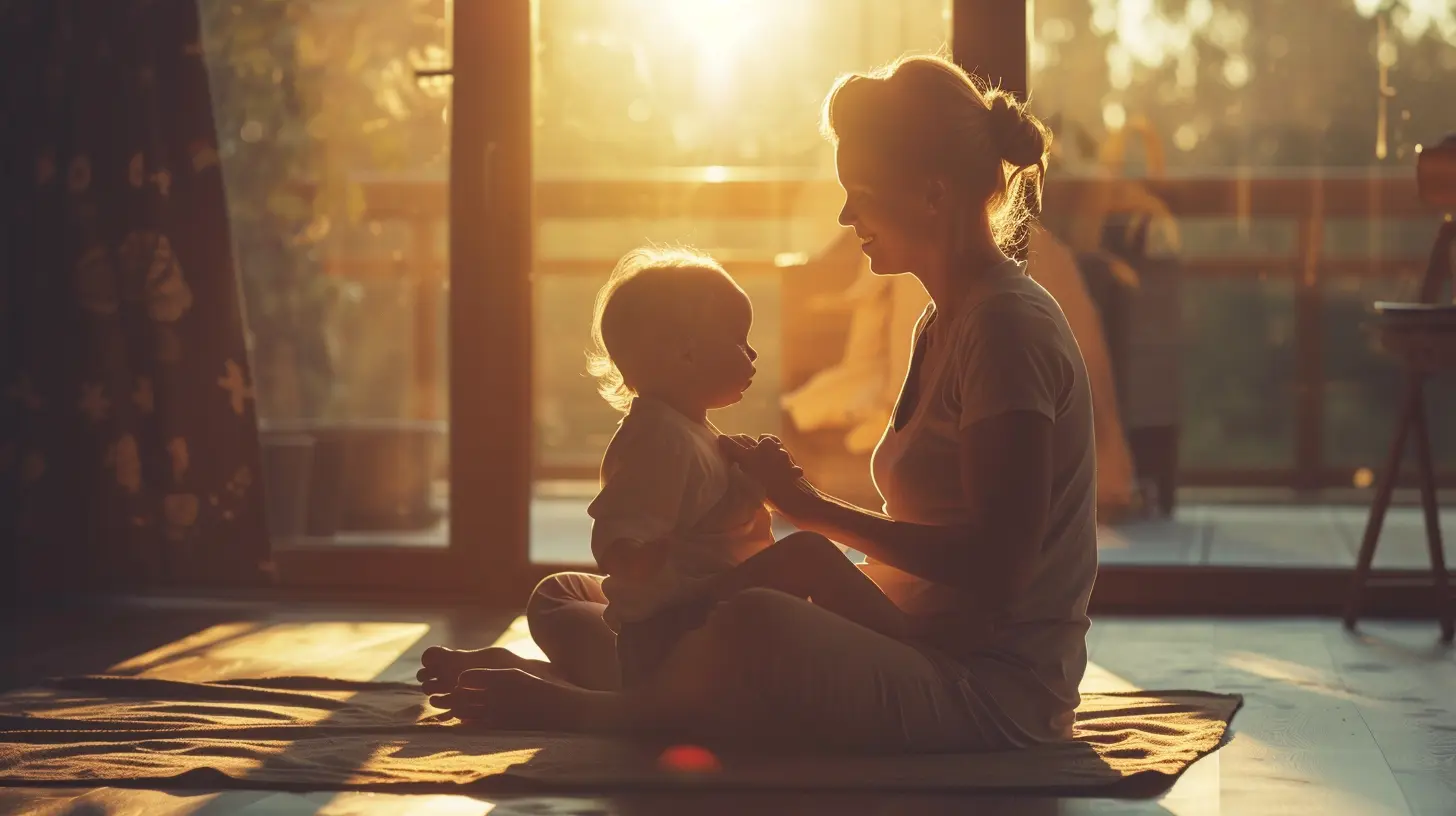
What Is Positive Discipline?
Let’s clear the air. Positive discipline isn’t about letting kids run wild or giving in just to avoid conflict. It’s also not about punishment, yelling, or instilling fear to maintain control. So, what is it?Positive discipline is all about teaching — not punishing. It’s rooted in respect, empathy, and guidance. Think of it as coaching your child, rather than controlling them. You’re not the referee throwing out penalties; you’re the wise mentor guiding them along the way.
It focuses on:
- Building strong parent-child connections
- Teaching kids to understand consequences
- Encouraging responsibility and decision-making
- Nurturing empathy and cooperation
Sound idealistic? It’s not. With a little practice and consistency, it can become your new normal.
Why Is a Calm Home So Important?
Before we dig into the “how,” let’s talk about the “why.”When your home is calm, your child feels safe. Safe to explore. Safe to make mistakes. Safe to grow. And you? You regain a sense of control and joy in parenting again. A peaceful environment allows everyone in the family to thrive — emotionally, mentally, and even physically.
Imagine walking into your house and feeling a sense of peace instead of pressure. That’s the vibe we’re going for. And positive discipline gets you there.
The Core Pillars of Positive Discipline
Positive discipline isn’t a one-size-fits-all method, but it does have some rock-solid foundations that hold it together. Let's walk through them.1. Connection Before Correction
Ever tried arguing with your partner when emotions are hot? Not productive, right? Same goes for your kids. Positive discipline teaches us to connect first, correct later. When kids feel seen and heard, they’re much more likely to listen.⭐ _Try this_: Kneel down to your child’s level, make eye contact, and say, “I can see you're upset. Let’s figure this out together.”
2. Be Kind AND Firm
You don’t have to choose between being the “nice parent” or the “disciplinarian.” Positive discipline strikes a much-needed balance. You can be warm and empathetic while still setting boundaries.Think of it like a GPS — it’s calm, clear, and consistent. When you veer off course, it doesn’t start yelling. It simply recalculates and guides you back.
⭐ _Say this, not that_: Instead of “Stop hitting your brother!” try “I see you’re frustrated. Hitting hurts. Let’s use words to talk about what’s bothering you.”
3. Understand the Root Behavior
All behavior is communication. Kids don’t act out just because they love chaos. They might be tired, hungry, overwhelmed, or feeling disconnected. Your job? Play detective.Before reacting, take a breath and ask: "What’s really going on here?"
4. Focus on Solutions, Not Punishments
Rather than handing out time-outs or taking away toys, work with your child to problem-solve. This builds trust and empowers them to make better choices in the future.Instead of, “You hit your sister, now go to your room,” try “What can we do differently next time when we feel upset?”
5. Encourage Rather Than Praise
Wait, what? Isn’t praise good?Yes — but there’s a big difference between praise and encouragement. Praise focuses on the outcome (“Good job!”), while encouragement celebrates the effort and progress (“You really worked hard on that!”).
Encouragement fuels intrinsic motivation. That means your child learns to make good choices even when no one’s watching.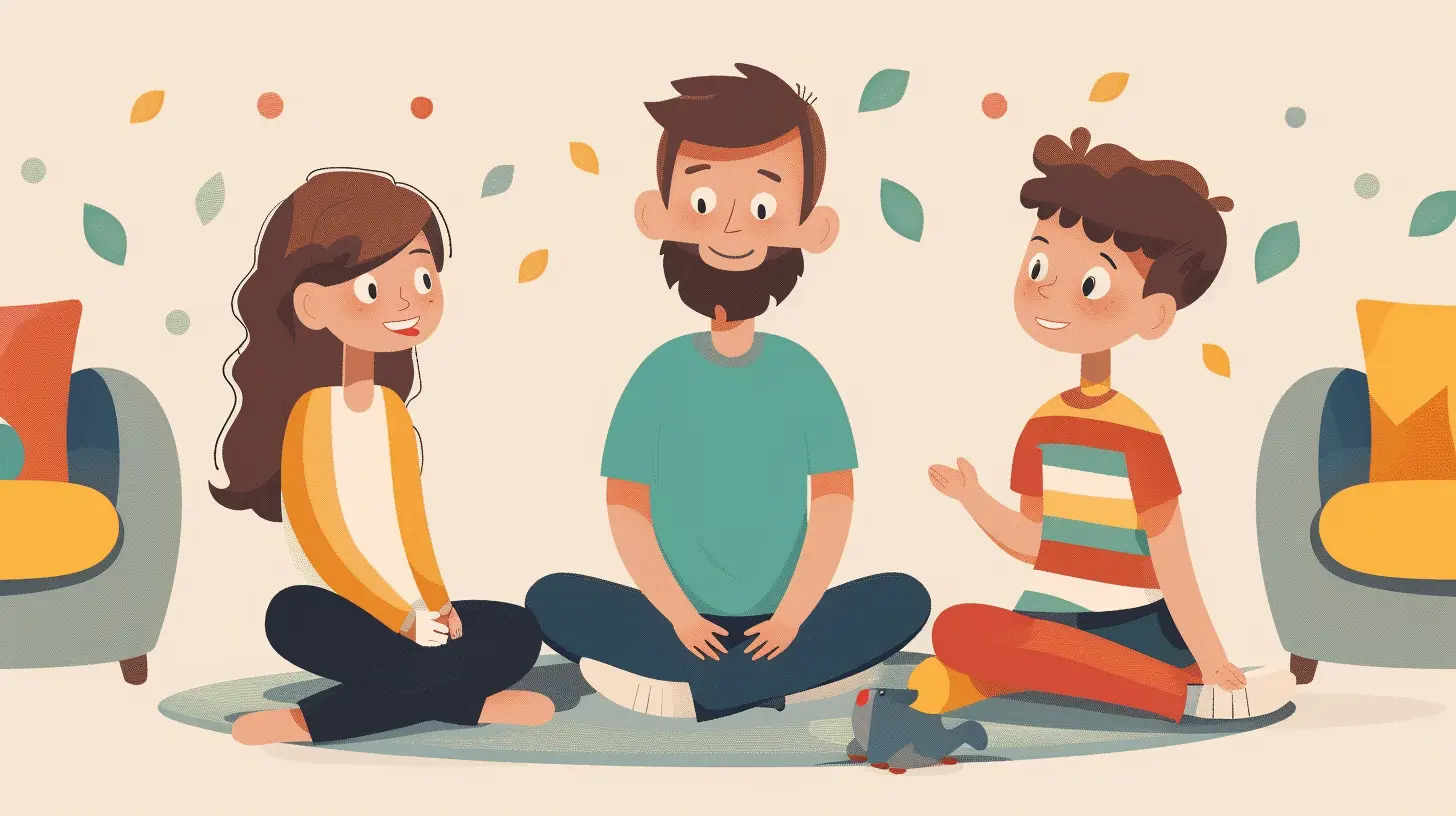
How to Use Positive Discipline to Create a Calm Home
Now for the good stuff — real-life, practical ways to bring positive discipline into your daily life and finally create that peaceful, happy home.1. Set Clear Expectations (And Stick to Them)
Kids thrive on structure and predictability. Create household rules together and explain why they matter. Keep your expectations age-appropriate and make sure they’re clear.➡️ _Example_: “In our house, we speak kindly to each other. If we're upset, we take deep breaths before we talk.”
Consistency is key. If the rules change depending on your mood, chaos follows.
2. Use Natural and Logical Consequences
Instead of handing out arbitrary punishments, use the natural outcomes of actions to teach responsibility. This helps kids understand cause and effect in a real-world context.➡️ Child throws a toy? The toy gets put away for the day — not as a punishment, but as a consequence.
➡️ Forgot homework? Let them experience the school’s consequence instead of rushing to fix it.
These experiences stick way better than a long lecture.
3. Make Time for Connection
The more connected your child feels, the less they’ll “misbehave.” Spend quality one-on-one time with each child daily, even if it’s just 10-15 minutes.Play, talk, laugh. Fill their emotional tank. A full tank = fewer tantrums.
4. Teach Emotional Regulation
Kids aren’t born knowing how to handle big feelings — that’s our job to teach them.Model calm behavior yourself (yep, even when you’re ready to scream), and give them tools like:
- Deep breathing
- A calm-down corner
- Naming feelings (“You look frustrated because your blocks fell down.”)
When kids can name it, they can tame it.
5. Stay Calm When Storms Hit
You’re going to lose your cool sometimes. We all do. But staying calm in the chaos teaches more than any words ever could. It shows your child that it’s possible to handle stress without yelling, hitting, or shutting down.Tip: Step away for a minute. Breathe. Regroup. Then come back ready to respond, not react.
6. Use “When-Then” Statements
This simple trick makes cooperation smoother without sounding like a dictator.➡️ “When your shoes are on, then we can go to the park.”
It’s clear, it’s respectful, and it puts the responsibility in their hands. Magic.
7. Let Them Make Choices (Within Limits)
Positive discipline is about empowering your child, not controlling them. Offering choices lets them feel respected and in control.➡️ “Do you want to brush your teeth before or after pajamas?”
➡️ “Would you like to clean up the blocks first or the books first?”
It’s still your agenda, but they get to steer the wheel a little.
8. Repair and Reflect After Conflict
After a meltdown (theirs or yours), always circle back. Talk about what happened, how everyone felt, and what you can both do next time.➡️ “Mommy got really frustrated earlier and raised her voice. I’m sorry. Next time, I’ll take a breath first. What could you do next time?”
This shows them we all make mistakes — and we all can grow.
The Long-Term Wins of Positive Discipline
Sure, it might take a bit more time and patience upfront — but the long-term rewards? Totally worth it.- Your child becomes more self-disciplined and emotionally intelligent.
- Your relationship becomes stronger and more respectful.
- Meltdowns decrease; cooperation increases.
- Your home becomes a safe, calm, and joyful space.
And maybe best of all? You start to enjoy parenting more. You laugh more. You yell less. You feel like a team again.
Don’t Expect Perfection (Seriously)
Here’s your permission slip: You’re not supposed to get this all right every single day. Positive discipline is a journey, not a destination. There will be mess-ups. And tears. And door slams.But over time, as you commit to these techniques, something beautiful happens — peace sneaks in. Connection deepens. And you discover that discipline doesn't have to mean punishment — it can mean growth, love, and understanding.
So give yourself grace. Show up with love. And start small — even one or two changes can shift the whole energy of your home.
Final Thoughts
Creating a calm home using positive discipline techniques isn’t about being the perfect parent or raising a “perfect” child — it’s about building a loving, respectful, and connected relationship. It’s about guiding your child with empathy, setting clear boundaries, and finding joy in the messy process of growth.Next time the chaos feels overwhelming, take a deep breath and remind yourself: this is the work that truly matters. One calm choice at a time, you’re creating the kind of home your child will always feel safe coming back to.
all images in this post were generated using AI tools
Category:
Positive DisciplineAuthor:

Karen Hurst
Discussion
rate this article
2 comments
Kaleb Cole
Nurturing hearts create harmony, guiding gently with love and kindness.
July 11, 2026 at 5:03 AM
Brianna Kirkpatrick
I love this approach to parenting. Creating a calm home is so important, and positive discipline really fosters a nurturing environment for both kids and parents.
June 6, 2026 at 2:39 PM
Karen Hurst
Thank you! I'm glad you resonate with this approach. A calm home truly benefits everyone involved.