Discovering the Joy of Music: When Your Toddler Starts Dancing
24 March 2026
You know that magical moment: a catchy song plays, and suddenly, your toddler’s pudgy little legs start bouncing, arms flailing with reckless abandon. They're not just moving—they're feeling the rhythm, getting lost in the music, and expressing pure, unfiltered joy. That moment? That’s not just adorable—it’s huge. Welcome to one of the most beautiful milestones in early childhood development: the spontaneous toddler dance party.
Music + toddlers = a match made in heaven. Let’s talk about why.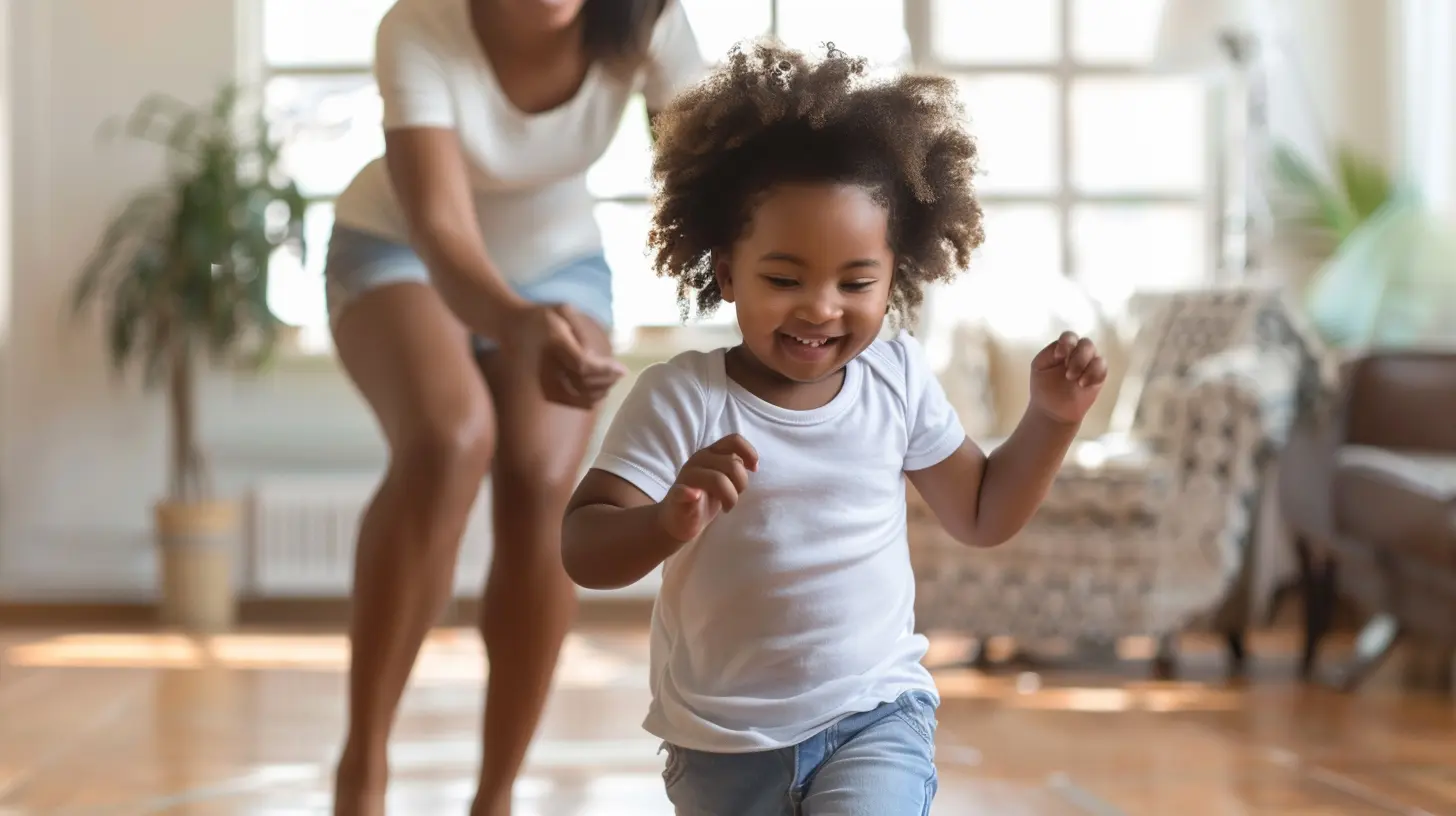
Music: The Ultimate Toddler Trigger
Seriously, is there anything more powerful than music when it comes to toddlers? You put on a lively song and boom—your kid transforms into a tiny, wild clubber in a diaper. They're not doing this because someone told them to. It’s instinct. It's joy bubbling over.Music has an almost magical effect on children. From the womb, babies react to sound. Once they’re here, it only deepens. Music stimulates their brains, encourages social interaction, and—yep, you guessed it—gets those little feet going. It’s like Mother Nature’s built-in dance party.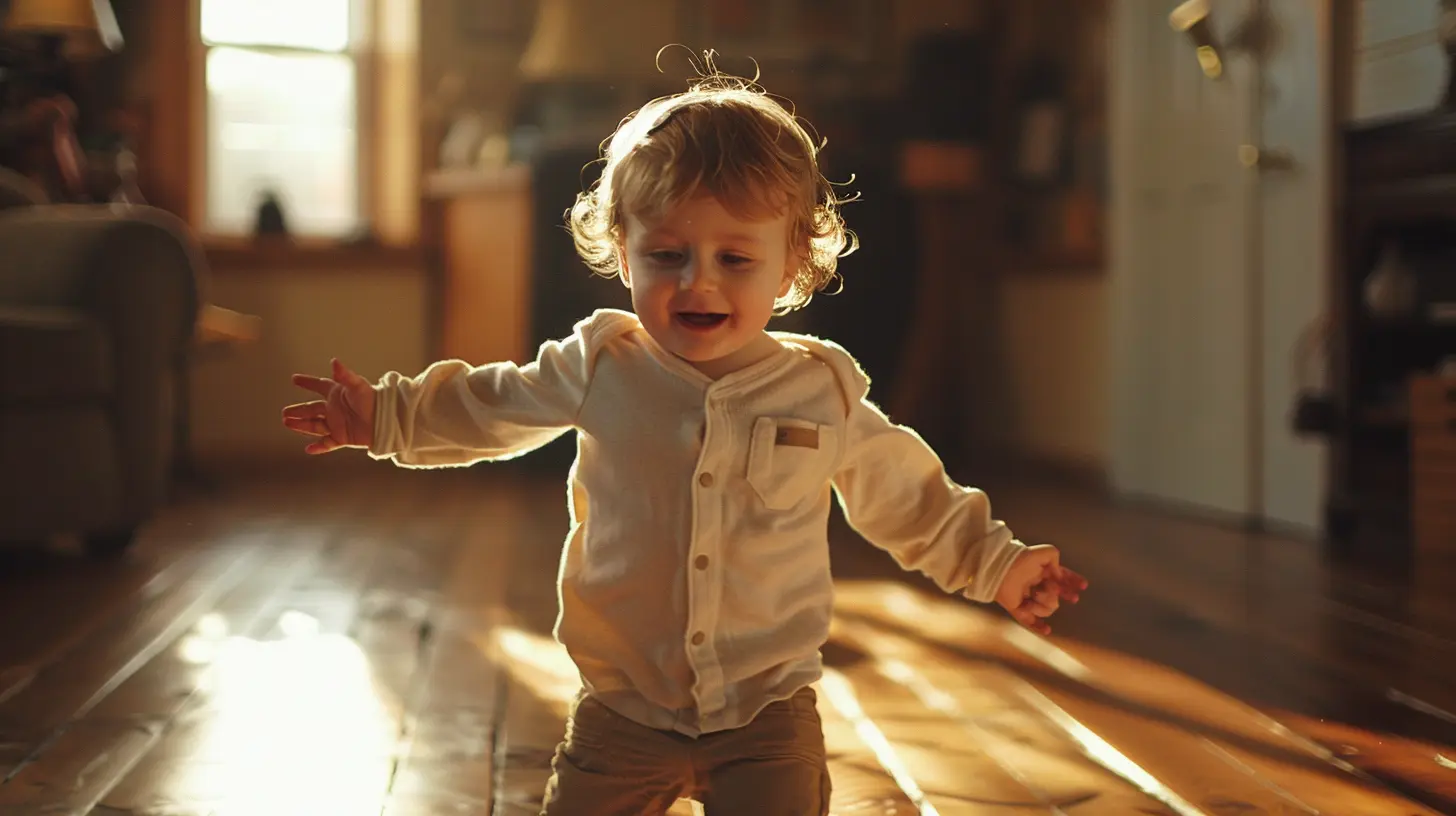
Why Your Toddler Dancing Is a Big Freakin’ Deal
You might think your toddler’s awkward little jig is just silly, but it’s actually a big deal developmentally. When they move to music, a whole fireworks show is happening in their brain.1. Boosts Brain Development
Dancing to music isn’t just fun—it’s intense brain work. Toddlers who move to a beat are building neural pathways for memory, coordination, language, and even math. Yes, math. Rhythm and patterns are the building blocks of logical thinking. So the next time your toddler shimmies to Baby Shark, know they’re building brains, not just burning energy.2. Improves Motor Skills
Every twist, bounce, awkward squat? That’s muscle development, baby. Dancing helps toddlers fine-tune coordination and develop gross motor skills. They’re learning how to control and move their bodies in new and exciting ways—even if they fall every five seconds.3. Encourages Emotional Expression
Toddlers have big feelings and tiny vocabularies. Dancing gives them a safe outlet to express emotions they can’t yet say. Angry? Stomp it out. Happy? Spin around like a maniac. Sad? Sway gently with a lullaby.Dancing teaches your toddler that it’s okay to feel—all of it—and to move with those feelings. That’s emotional intelligence in action.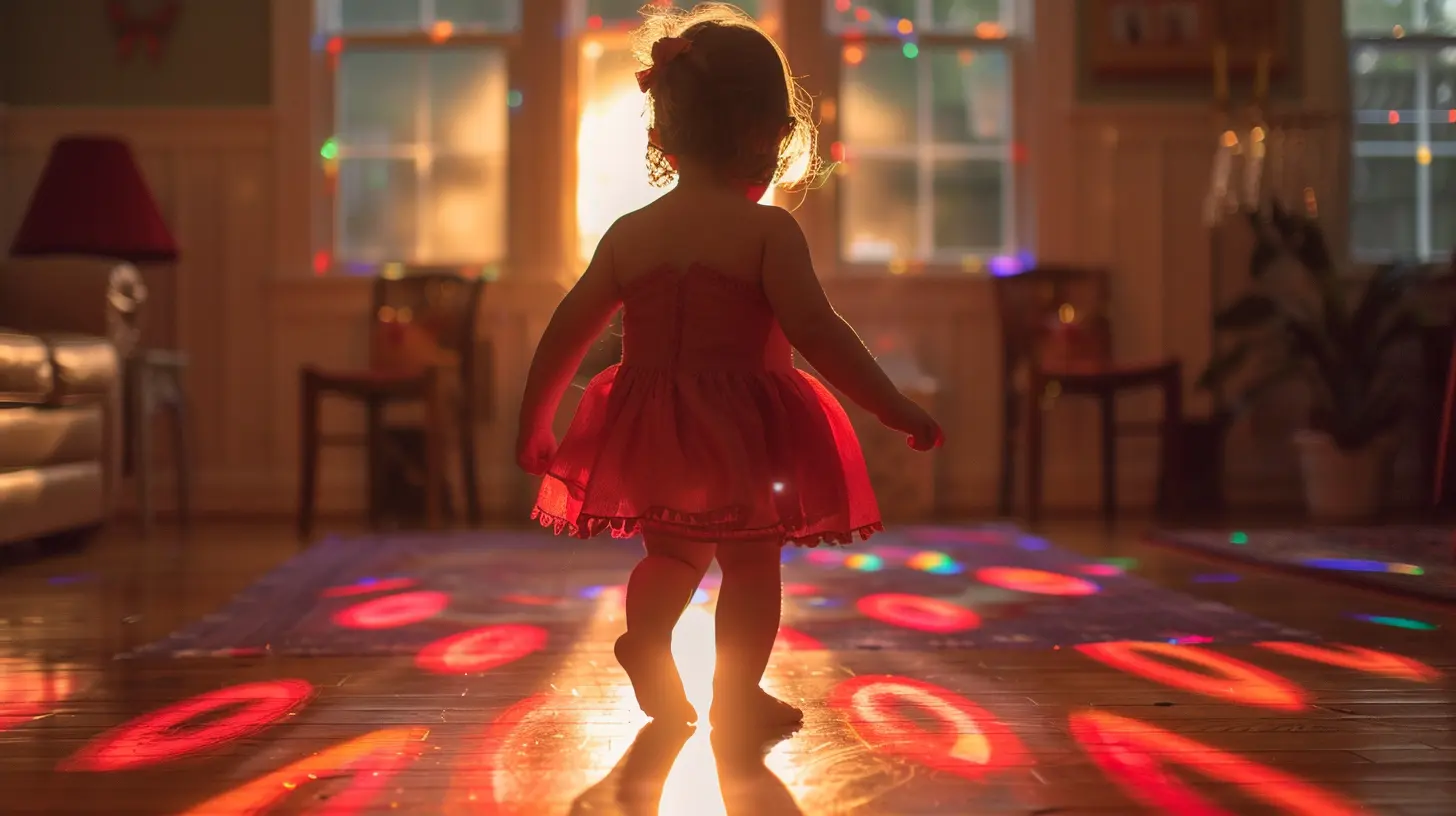
When Does the Dancing Start? Timing That Toddler Groove
So, when do toddlers typically start dancing? While every kid is different, most begin to respond to music with movement somewhere between 12 and 24 months.At first, it might be subtle. A bounce. A sway. A head nod. But give it time—and the right tunes—and soon you’ll be hosting living room raves with your pint-sized party animal.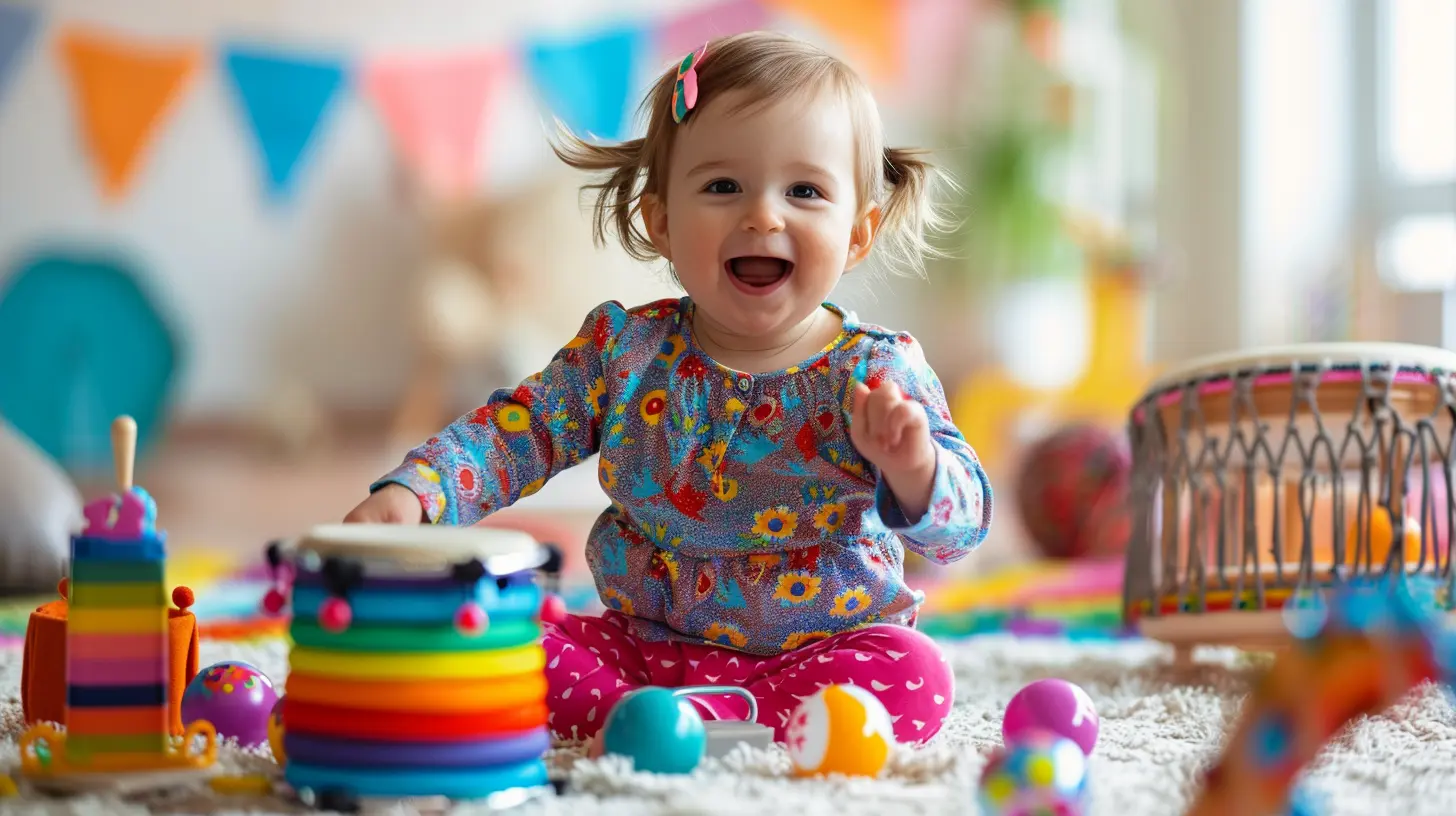
What Music Makes Toddlers Move?
You could play Mozart or Metallica, but toddlers are picky little DJs. They seem to gravitate toward:- Strong, simple rhythms
- Repetitive melodies
- Silly lyrics with call-and-response
- Songs with body movement cues (like "If You’re Happy and You Know It")
Basically, if it’s goofy and catchy, it’s toddler gold. Anything that invites clapping, jumping, or shaking is an automatic hit.
Pro tip? Vary the genres. Reggae, jazz, pop, classical, even world music—exposing your toddler to a variety of musical styles can widen their taste and boost brain development. It's like giving them a musical passport.
Your Role in the Dance Party: Be the Hype Parent
Let your toddler see you dance. No, you don’t need moves like Jagger—just wiggle, sway, and be playful. You’re their favorite person, and when they see you getting loose, they’ll feel safe and encouraged to do the same.Don’t be afraid to act silly. Be ridiculous. Embarrassing? Maybe. Memorable? Absolutely.
You’re planting seeds of confidence that’ll grow for life.
Making Music a Daily Joy in Your Household
Want your toddler to turn into a dancing machine? Make music part of your daily rhythm (pun totally intended). Here’s how:1. Morning Soundtrack
Wake up with a cheerful playlist. It sets the tone for the day and gets your toddler moving right out of the gate.2. Mealtime Melodies
Play soft tunes during meals. It creates a calming atmosphere and may even help picky eaters relax.3. Dance Breaks Between Activities
Throw in a 10-minute dance party between snack time and story time. Not only does it burn energy, but it also resets focus.4. Bath Time Beats
Make bath time feel like spa night with relaxing music or silly songs that turn rinsing into a giggle fest.5. Bedtime Lullabies
End every day with gentle lullabies. It signals to your toddler that it’s time to wind down.Music can be the heartbeat of your home—you just have to press play.
Dancing and Social Skills: Yes, It’s a Thing
Here’s something cool. Dancing isn’t just about movement. It actually helps toddlers build social skills.Think about group dances like the Hokey Pokey or Ring Around the Rosie. Those aren’t just fun—they teach your kid about:
- Taking turns
- Following directions
- Body awareness
- Group cooperation
It’s like preschool with a beat.
And when they dance with other kids? Pure magic. They’re connecting through shared joy, developing empathy, and learning about cooperation without even realizing it. That’s the power of music.
Toys & Tools to Boost That Musical Mojo
Want to encourage more dancing? Surround your toddler with musical opportunities. Here are some no-fail winners:- Simple musical instruments (like tambourines, drums, or shakers)
- Karaoke-style microphones (because toddlers love the sound of their own voice)
- Musical mats or dance pads
- Books that sing (yes, those exist—and they’re awesome)
- Bluetooth speakers for portable dance-offs anywhere, anytime
And hey, you don’t need to spend big. A wooden spoon and a pot can create the same groove as a $50 drum set.
Music Can Heal, Too
Here’s the thing: not every day is sunshine and rainbows. Toddlers get cranky. You get overwhelmed. The house gets messy. Life happens.But music? It’s like a reset button.
A calming playlist can soothe tantrums. A silly song can shift moods. Music helps you reconnect with your little one—even on the hardest days.
So when the going gets tough, don’t underestimate the power of a good jam session. It’s cheaper than therapy and way more fun.
Raising a Lifelong Music Lover Starts Now
Don’t be surprised if your dancing toddler grows into a music-loving kid… and then a passionate teenager with their own playlists and concert tickets.It starts right here—with you, pressing play, clapping along, and encouraging their tiny dancer heart.
They’re not just moving. They’re discovering who they are. And you? You’re giving them the stage to do it.
That’s not just parenting. That’s rockstar parenting.
Keep Dancing, Keep Smiling
So next time your toddler gets that spark in their eye and starts bouncing to the beat, don’t just watch—join them. Crank the music, shake what your mama gave you, and let the joy in. You’ll be creating moments that matter, memories that last, and a bond that can’t be broken.Because when your toddler starts dancing, they aren’t just hearing music. They’re living it. And when you dance with them? That’s love in motion.
all images in this post were generated using AI tools
Category:
Toddler MilestonesAuthor:

Karen Hurst
Discussion
rate this article
2 comments
Hugo Thompson
Music can be a magical experience for toddlers! Encourage their joy by playing various genres and joining in the fun. Dance together to build confidence, coordination, and a love for rhythm. Remember, it’s not about perfection—just enjoy the moments of pure, joyful expression!
March 28, 2026 at 4:37 AM
Karen Hurst
Absolutely! Engaging with music helps toddlers develop skills and fosters joyful connections. Let's celebrate those playful moments together!
Nix McTiernan
Embrace the rhythm! Music ignites joy and creativity in your little one's heart!
March 24, 2026 at 3:56 PM
Karen Hurst
Thank you! Music truly has a magical way of inspiring joy and creativity in young hearts.