Easy Craft Time Play Ideas That Double as Learning Tools
29 April 2026
Let’s be real—keeping kids entertained while also teaching them something? That’s like trying to juggle spaghetti. Messy, unpredictable, and borderline impossible. But what if I told you there’s a secret sauce that blends play and learning so effortlessly, your child won’t even realize they’re soaking up knowledge like sponges?
Enter: craft time. Yep, those sticky glue-stained hands and bursts of glitter on your couch actually have a hidden superpower. When done right, crafts aren’t just about cutting and pasting—they’re real-deal learning tools in disguise.
In this post, we’ll unwrap (pun totally intended) some super easy craft ideas that double as learning experiences. Whether your kiddo is a tiny tot or heading into elementary school, these projects will sprinkle a little education into your arts and crafts afternoons—without sucking out the fun.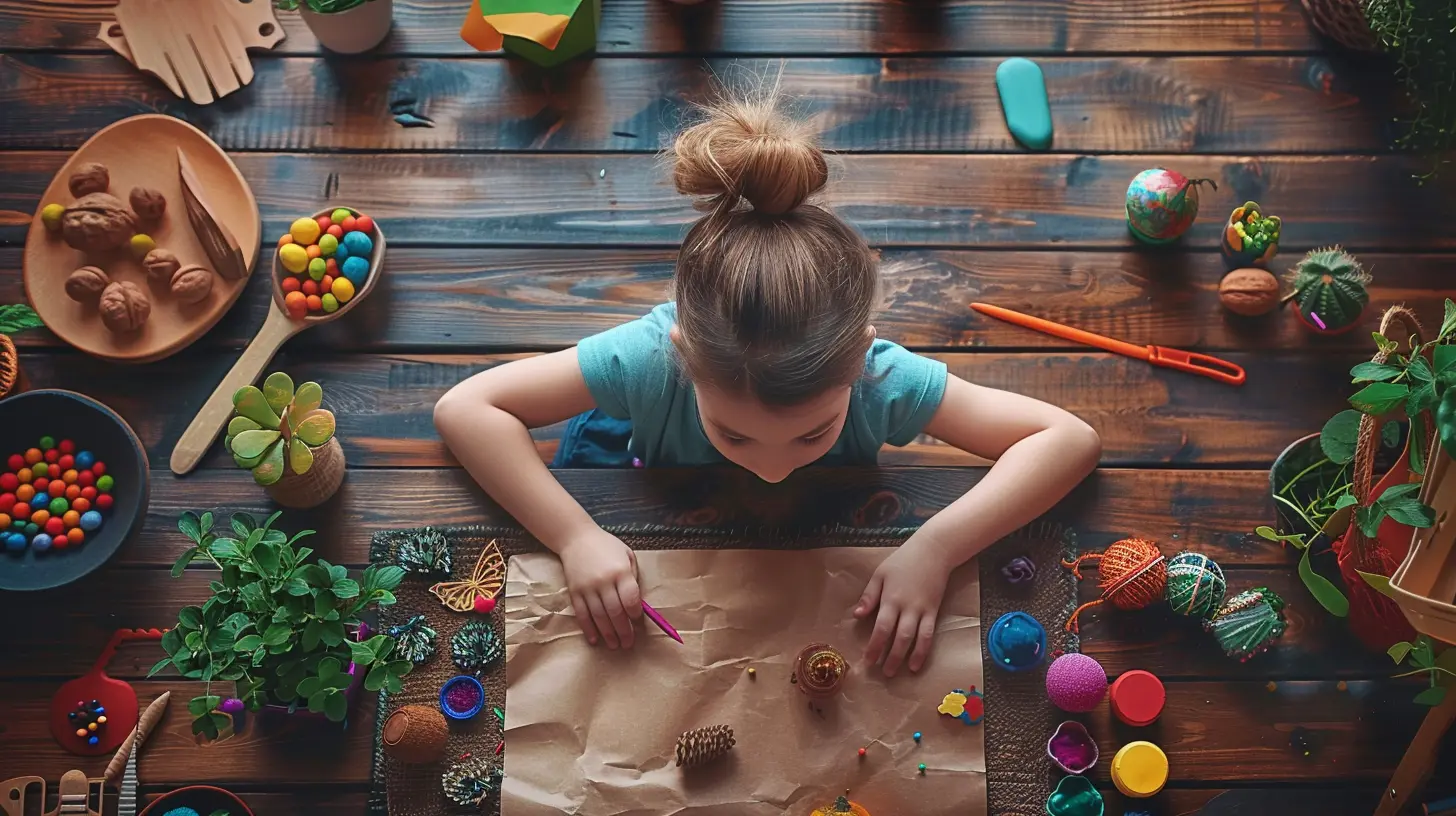
Why Craft Time Is Secretly Genius for Learning
Before we dive into our treasure chest of craft ideas, let’s talk about why this stuff matters. Sure, coloring and glue sticks are fun, but they also:- Boost motor skills (cutting, gluing, coloring… all gold for fine motor development)
- Encourage creativity and problem-solving
- Build patience and focus
- Teach kids how to follow instructions step-by-step
- Spark curiosity and imagination
And on top of all that, you can sneak in lessons about numbers, colors, letters, science, and even empathy. Basically, crafts are like broccoli covered in cheese—they deliver the goods in a tasty package.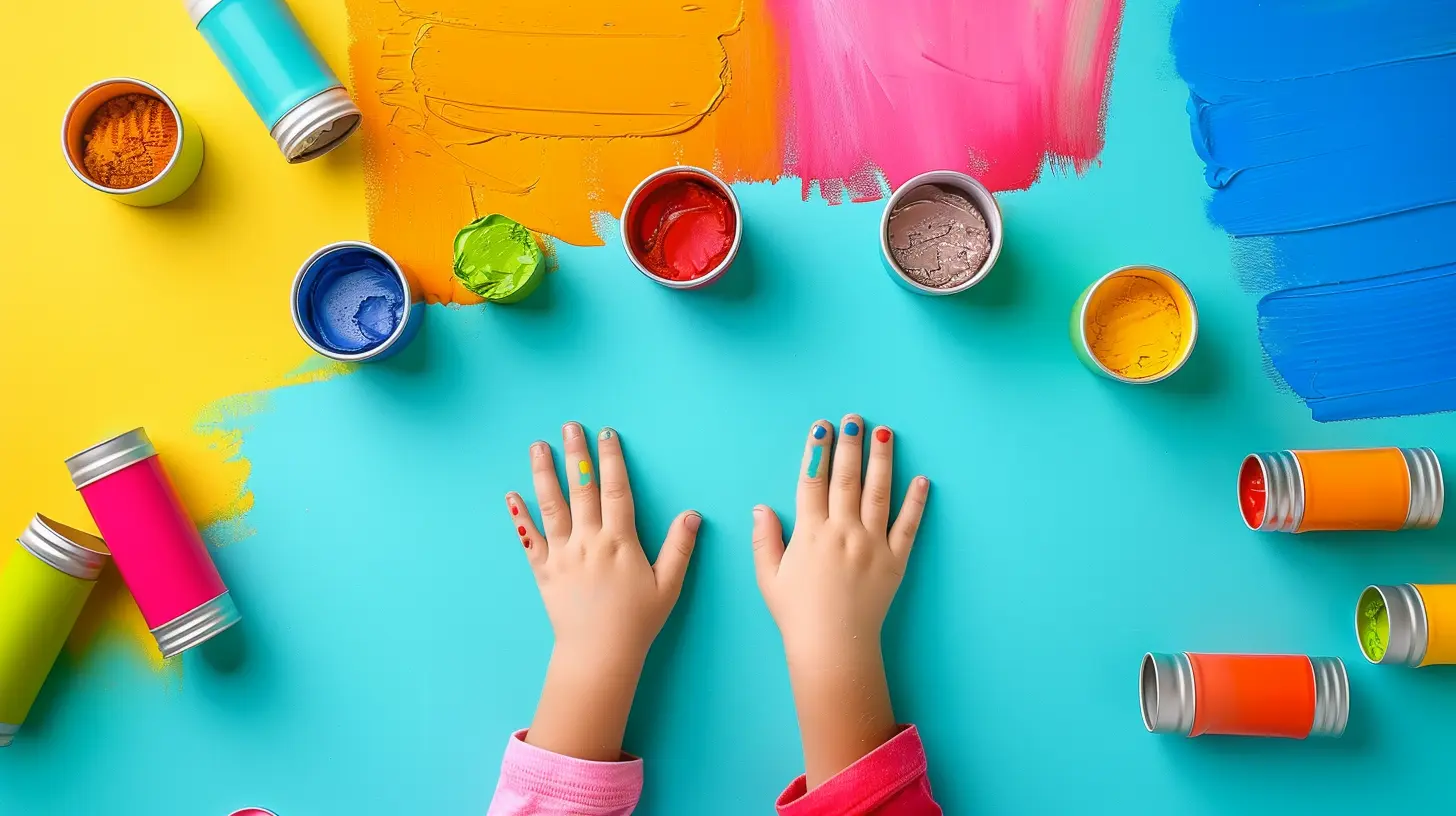
1. Color Sorting Paper Collage
What you need: Construction paper, safety scissors, glue, and colored magazines or scrap paper.Learning bonus: Color recognition, sorting skills, and fine motor development.
Have a toddler or preschooler who’s learning their colors? This one’s super simple and super effective. Cut out squares or circles from magazines or scrap paper. Then, draw colored sections on a large sheet—red, blue, yellow, green—and help your child sort and glue each snippet to the matching section.
Want to turn up the learning? Talk about shades of each color, like light blue and navy. You'll be amazed how fast their little eyes pick up on differences.
2. Shape City
What you need: Colored paper, glue sticks, markers, and scissors.Learning bonus: Shapes, spatial awareness, early geometry.
This one’s a hit with preschool and kindergarten kids. Cut out shapes—triangles, squares, rectangles, circles—you name it. Then let your child build a “city” by gluing shapes into buildings, roads, and trees.
Let them name their city too. “Triangle Town” or “Circle City” anyone? It's a simple way to introduce geometry, plus you’ll love hearing their creative stories about each building.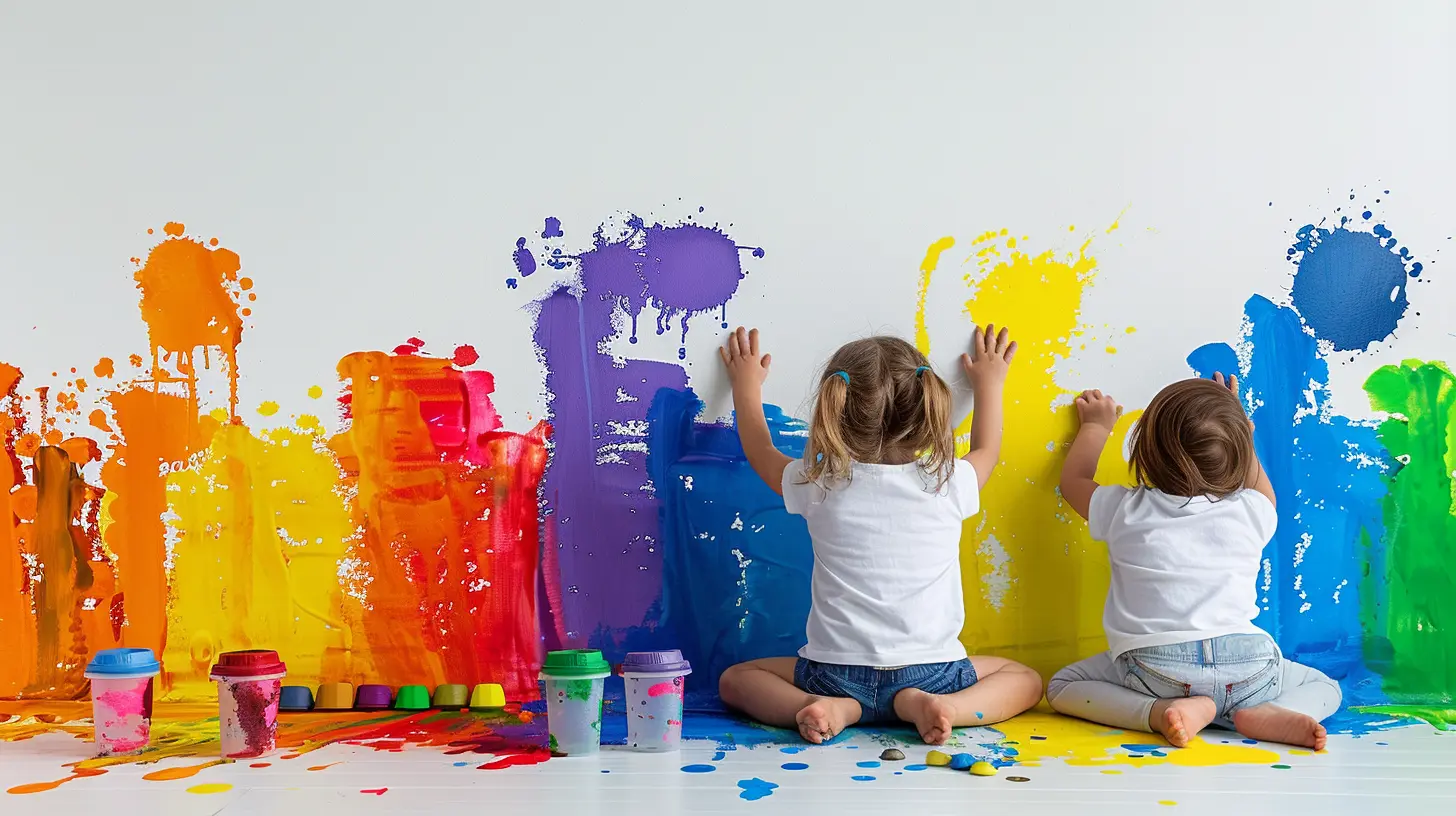
3. Alphabet Monster Munch
What you need: Empty cereal boxes, googly eyes, paint or crayons, scissors, and letter flashcards.Learning bonus: Letter recognition, phonics, fine motor skills.
Cut a mouth in the front of a cereal box and decorate it to look like a hungry monster. Then whip up some “food” with paper—write a different letter on each one.
Now, the game: “Feed the monster the letter B!” Your child has to find the correct “B” card and feed it through the monster’s mouth. Bonus points if you ask for the sound the letter makes, too.
It’s ridiculously fun and perfect for giggles... and learning letters without the flashcard overload.
4. Math Bead Bracelets
What you need: Pipe cleaners and colorful beads.Learning bonus: Counting, patterns, and early math skills.
Bracelets are the ultimate win-win: your child gets a cute accessory they made themselves, and you sneak in a math lesson.
Start simple. Ask them to string on 10 beads—counting aloud. Then, get fancy: create patterns with colors (red-red-blue, red-red-blue). Older kids? Challenge them to make bracelets with prime numbers or solve a math problem to figure out how many beads to use.
It’s math, it’s art, and it’s wearable. Triple win.
5. DIY Weather Chart
What you need: Poster board, Velcro dots, markers, construction paper, and craft supplies.Learning bonus: Science, observation, descriptive language.
Nothing gets kids curious like the sky. Create a daily weather chart with categories like sunny, cloudy, rainy, snowy, windy, etc. Then cut out icons for each, and use Velcro so the pieces can stick and be swapped out.
Ask your child to “check the weather” each morning and update the chart. Use it as a jumping-off point to talk about seasons, temperature, even climate differences in other areas.
It’s like turning your child into a mini meteorologist—with crafts to guide the way.
6. Feelings Faces Puppets
What you need: Paper plates, markers, popsicle sticks, yarn, and glue.Learning bonus: Emotional intelligence, empathy, self-awareness.
Let’s be honest, big emotions can be tough for little people. Help your child express themselves by creating "feelings faces" on paper plates—happy, sad, angry, excited, tired, and more.
Glue each plate to a popsicle stick and act out little scenes. “How does happy-face kid react to a birthday party? What about angry-face at bedtime?”
You’re giving your child tools to understand and talk about emotions—which, trust me, pays off big when they can say “I feel frustrated” instead of throwing a tantrum.
7. Recycled Robots
What you need: Cereal boxes, bottle caps, toilet paper rolls, foil, glue, and a whole lot of imagination.Learning bonus: STEM concepts, design thinking, creativity.
Got a recycling bin full of random stuff? Let’s turn it into a robot lab. Help your child build a robot entirely from recycled materials. Talk about what each part does. What’s its job? Does it help with dishes or blast off to space?
This one’s perfect for open-ended play and introducing engineering concepts without being too technical. Plus, you’re sneaking in conversations about environmental awareness. Gold star, parents.
8. Nature Name Art
What you need: Leaves, twigs, flowers, glue, and a sheet of paper.Learning bonus: Letter recognition, nature appreciation.
Head outside and collect natural treasures—leaves, sticks, petals. Then, help your child spell their name using the items. Glue it all down on a big sheet of paper.
You can talk about textures, plants, and even how seasons affect what we find outside. It’s sensory-rich, letter-focused, and brings a bit of the outdoors inside.
9. Story Stones
What you need: Smooth stones, acrylic paint or paint pens, and a bit of imagination.Learning bonus: Language development, storytelling, sequencing, vocabulary.
Paint small pictures on each rock: animals, houses, trees, stars, etc. Put them in a bag or box, and let your child pull out a few to build a story around them.
Not only does this stretch their storytelling skills, but you’ll love hearing the wild tales they come up with. It’s like writing a book—without needing to know how to spell yet.
10. Time Capsule Craft
What you need: A container (like a mason jar or shoebox), paper, markers, photos, and small memory items.Learning bonus: Reflections, writing practice, history (even if it’s their own).
Make a simple time capsule with your child! Have them draw or write about their favorite toy, food, or what they want to be when they grow up. Add pictures or small trinkets, seal it up, and set a date in the future to open it.
It’s a powerful way to help kids understand time, memory, and growth. Plus, their reactions when they open it later? Priceless.
Final Thoughts: Let the Mess Be Part of the Magic
If you’re like most parents, you might cringe at the thought of glue spills or glitter trails across the floor. But here’s the thing—mess is where the magic happens.Craft time doesn't have to be perfect or Pinterest-worthy. It just has to be meaningful. And when you sneak in some learning during all the cutting, gluing, and coloring? That’s parenting gold.
So, let your child squish the paint. Let them make their sky purple. Let the robot have six heads. Every moment of creation is packed with potential. They might only see a fun afternoon, but you’ll know they’re learning, growing, and discovering—one brush stroke at a time.
Happy crafting, my friend. You’ve got this.
all images in this post were generated using AI tools
Category:
Playtime IdeasAuthor:

Karen Hurst
Discussion
rate this article
2 comments
Mitchell Alvarez
These activities spark creativity and learning-perfect for growing minds!
June 1, 2026 at 2:30 PM
Karen Hurst
I'm glad you think so! Encouraging creativity is key to learning, and these ideas are a great way to make that happen.
Daniel Wright
These craft ideas are a wonderful way to blend creativity and education. I appreciate how they encourage kids to explore while developing essential skills. It's refreshing to see activities that keep little hands busy and young minds engaged at the same time.
May 7, 2026 at 3:50 AM