Encouraging Your Children to View Each Other as Allies, Not Competitors
17 December 2025
Let’s face it—sibling rivalry is as old as time. From fighting over who got the bigger slice of cake to full-blown shouting matches over toys, it's easy for kids to fall into the trap of competition. But what if we could steer their energy in a more positive direction? What if, instead of opponents, they started seeing each other as teammates?
That’s not some dreamy parenting fantasy—it’s absolutely possible. And in today’s fast-paced, comparison-driven world, teaching your children to value collaboration over competition is one of the most powerful gifts you can give them.
In this article, we’re going to break down exactly how you can encourage your children to view each other as allies, not competitors. It’s all about mindset shifts, intentional parenting, and a little bit of creative strategy.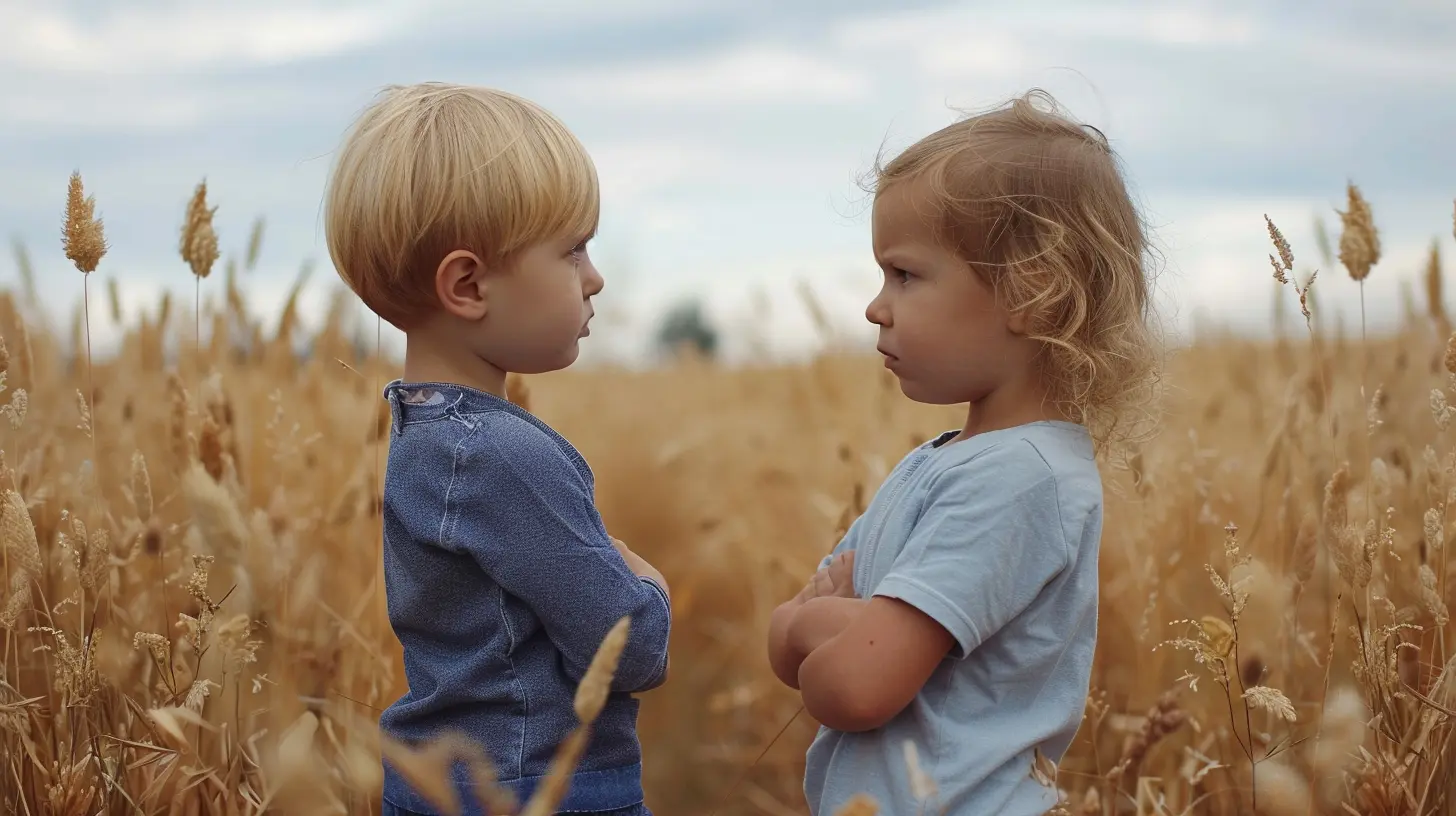
Why Sibling Rivalry Happens (Hint: It's Totally Normal)
Before we dive into solutions, let’s get real—sibling rivalry is perfectly normal. Picture this: your kids are constantly vying for your attention, your praise, your love (even if there’s plenty of it to go around). Add different personalities, varying interests, and age gaps to the mix, and boom—you’ve got the perfect rivalry cocktail.But here’s the key: rivalry doesn’t have to rule the relationship.
Your kids don’t need to compete for your love. Instead, they can support each other in ways that build connection and resilience. And that shift starts with you.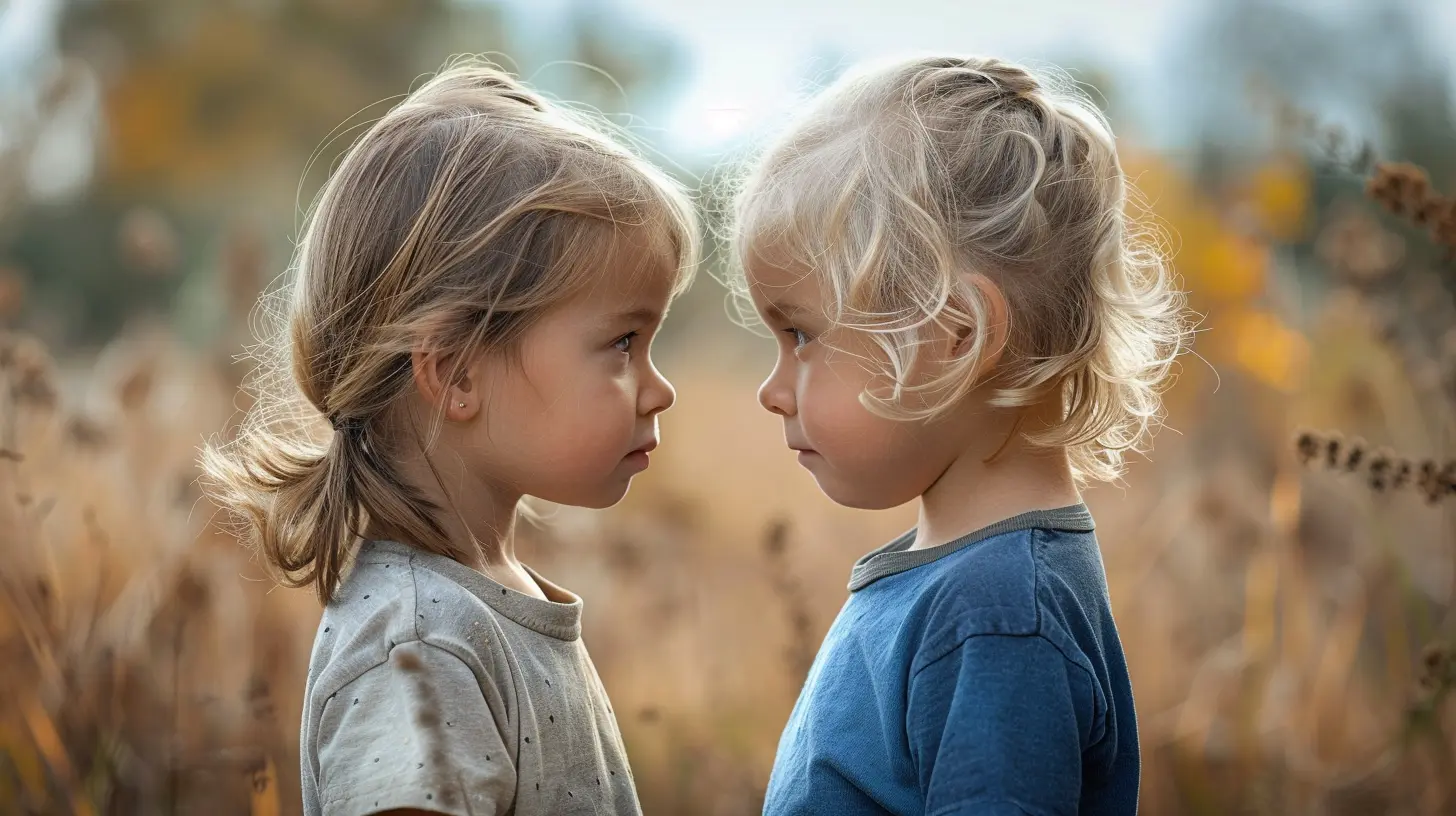
The Power of Shifting from Competition to Collaboration
When kids see each other as allies, it changes everything. Think about it—teamwork doesn’t just reduce fights; it builds empathy, problem-solving skills, and even long-lasting friendship. You're not just stopping arguments—you're teaching life lessons.Imagine your children cheering each other on during a soccer game, helping each other with homework, or teaming up to plan a surprise for Mom or Dad. It’s not imaginary—it’s possible, and it starts with reshaping the dynamic at home.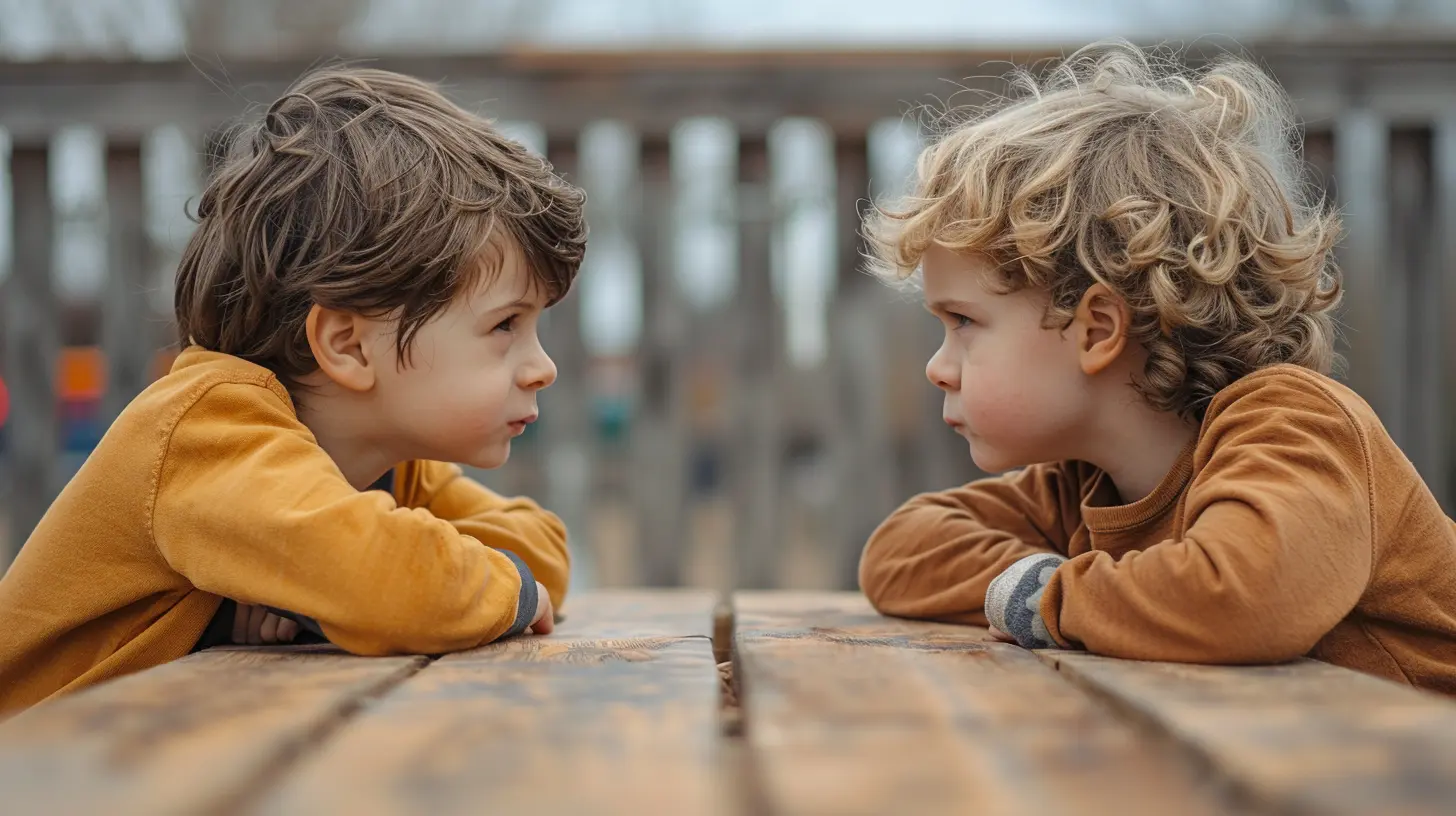
Lead by Example: Model the Behavior You Want
Kids are like sponges. They soak up everything they see—especially from you. So if you’re constantly comparing them (“Why can’t you be more like your brother?”), guess what? The comparison game becomes their reality.Instead:
- Celebrate each child’s unique strengths.
- Avoid making comparisons.
- Show teamwork in your own relationships—whether with your partner, a friend, or a neighbor.
When kids see healthy collaboration, they’ll start mirroring it.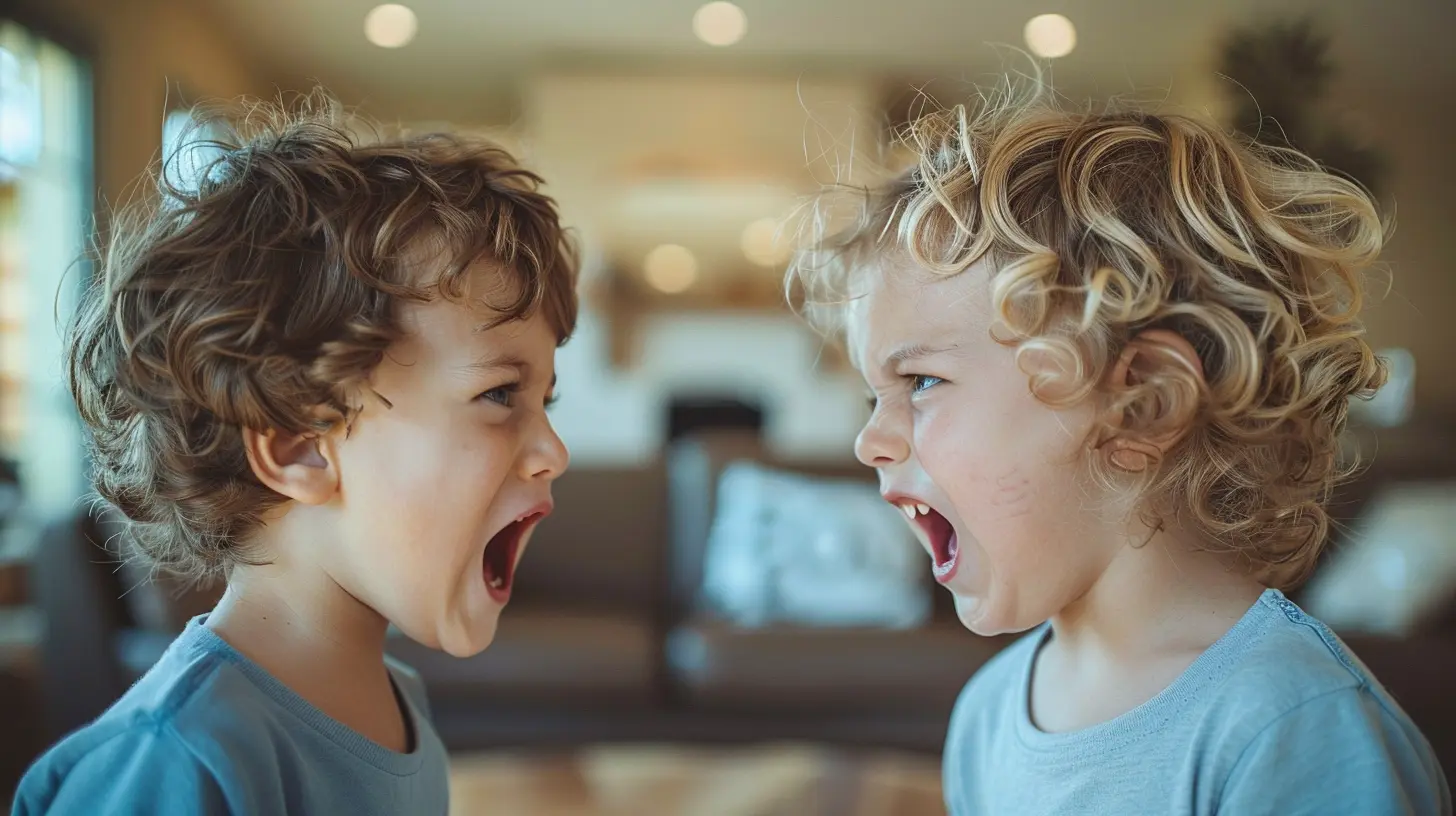
Create Opportunities for Joint Success
If the only time your kids interact is when they’re fighting over who gets the remote, we’ve got a problem. Want to foster connection? Get them working on something together.Try These Simple Ideas:
- Team projects: Ask them to plan a family picnic together. One handles the snacks, the other picks the games.- Siblings vs. Parents challenge: Create a fun competition where they team up against you. (Spoiler: they’ll bond over beating you!)
- Chore collaboration: Have one set the table, the other clear it. When they succeed together, everybody wins.
Working together builds camaraderie. And that camaraderie becomes the foundation of their sibling bond.
Use Language That Promotes Unity
Words hold power—especially the ones we use with our kids. So instead of saying, “Who did it better?” try “How can you help each other improve?” Tiny tweaks in language can spark big shifts in mindset.Here are a few phrases that promote teamwork:
- “Let’s figure it out together.”
- “Your sister could really use your help on this.”
- “I love how you had each other’s backs today.”
- “We’re all on the same team.”
You’re not just raising individuals—you’re building a family unit with each child playing an essential role.
Establish a No-Comparison Zone
Let’s be honest—comparison is a parent’s worst enemy. Whether it's grades, sports, or how fast they tie their shoes, it's tempting to point out who’s excelling. But that only fuels resentment.What can you do instead?
- Highlight individual growth: “Wow, look how much you’ve improved!”
- Celebrate effort over outcome.
- Encourage them to set personal goals, not competitive ones.
Bottom line: when kids track their own progress instead of their sibling’s, they’re less likely to turn into rivals.
Celebrate Each Other’s Wins (Even Small Ones)
You know what’s cooler than winning? Having someone genuinely happy for you when you do.Teach your children how to celebrate their sibling’s achievements. It could be as simple as clapping when little brother finishes his puzzle or saying “Great job!” when big sister aces a test.
You can even create a “Shoutout Wall” at home where every family member writes one nice thing about another each week. It builds connection and shows your kids it’s okay to shine—and let others shine, too.
Squash “Fairness” and Focus on Equity
Ah, the classic “That’s not fair!” We’ve all heard it. But here’s the truth: fair doesn’t always mean equal.Each child has different needs. One might need more help with homework, another might need more emotional support. That’s okay.
The goal isn’t perfect equality—it’s equity. The message should be: “Everyone gets what they need to thrive.” Make that your family motto, and you’ll reduce the resentment that often drives sibling conflict.
Give Them Space to Solve Their Own Conflicts
We want to jump in every time they argue, right? But constantly playing referee can actually prevent growth. Instead, give them tools to navigate conflict themselves.Here’s how:
- Teach them “I feel” statements (“I feel upset when you take my toy without asking.”)
- Encourage deep breaths and cool-off time.
- Guide them toward compromise, not just winning.
When kids learn to manage disagreements together, they also learn to respect each other.
Foster a Family Culture of “Together is Better”
Make teamwork a family value. Talk about it. Celebrate it. Post it on the fridge if you have to.Here’s how to reinforce it daily:
- Weekly family meetings where everyone shares wins and challenges.
- Group hugs (yes, they might groan, but do it anyway).
- Stories and books about teamwork and siblings working together.
Over time, the message becomes clear: we’re not opponents—we’re partners in this wild ride called family.
Don’t Ignore Individual Time
This might sound counterintuitive, but one of the best ways to reduce sibling jealousy is to spend one-on-one time with each child. When kids feel secure in their relationship with you, they don't feel like they have to compete for attention.Even just 15 minutes a day of undivided focus can do wonders. No screens. No multitasking. Just you and them.
Trust me, when their emotional tanks are full, they’re less likely to lash out at each other.
When You Slip Up (Because You Will), Own It
There’ll be moments when you accidentally compare your kids or reward one over the other. That’s okay. The key is to be honest about it.Say something like: “Hey, I realized I put a lot of attention on your sister today. That wasn’t fair, and I’m sorry. I’m proud of you, too.”
Modeling humility not only builds trust—it also teaches your kids how to own their mistakes, which is a major part of being a supportive ally in any relationship.
The Long-Term Payoff: A Lifelong Bond
Here’s the beautiful part. When kids grow up seeing each other as allies, they build a foundation for a relationship that lasts far beyond your home.They’ll be the ones cheering the loudest at each other’s graduations, standing by each other through heartbreaks, and one day—maybe—laughing about all those silly arguments they used to have.
You’re not just raising siblings. You're shaping future best friends.
Final Thoughts: It Starts Today
Encouraging your children to view each other as allies takes intention. It won’t happen overnight. There will still be fights, eye rolls, and maybe a few tears.But every moment you teach them to lift each other up instead of tearing each other down is a step in the right direction.
And the result? A home filled with more laughter, less tension, and a whole lot of love.
So take a deep breath, start small, and remember—you’ve got this.
all images in this post were generated using AI tools
Category:
Sibling RivalryAuthor:

Karen Hurst
Discussion
rate this article
2 comments
Vireo Whitley
Encouraging sibling camaraderie over rivalry lays a strong foundation for emotional intelligence. By promoting collaboration through shared goals and mutual support, we foster empathy and resilience. This mindset nurtures lifelong bonds, empowering children to celebrate each other's successes rather than compete, creating a harmonious family environment.
December 23, 2025 at 5:40 AM
Karen Hurst
Thank you for your thoughtful comment! I completely agree—prioritizing cooperation over competition truly helps cultivate essential emotional skills and strengthens family ties.
Carla Kirkland
What a wonderful reminder! Fostering sibling collaboration over competition helps build lifelong bonds. Let’s nurture those alliances and watch our children thrive together!
December 18, 2025 at 4:25 AM
Karen Hurst
Thank you! Absolutely, fostering collaboration among siblings is key to building strong, supportive relationships that last a lifetime.