Fun and Educational Backyard Games to Keep Kids Active
14 May 2026
Let’s face it—getting kids to ditch the screens and soak up some sunshine can feel like an uphill battle. But what if I told you that your own backyard could become a buzzing hub of movement, laughter, and learning? Yep, that patch of grass (or even pavement!) can transform into a magical space where kids get physically active and mentally charged—all while having a total blast. In this post, we’re diving into some of the best fun and educational backyard games to keep kids active, engaged, and even sneak in a bit of learning without them knowing (wink wink).
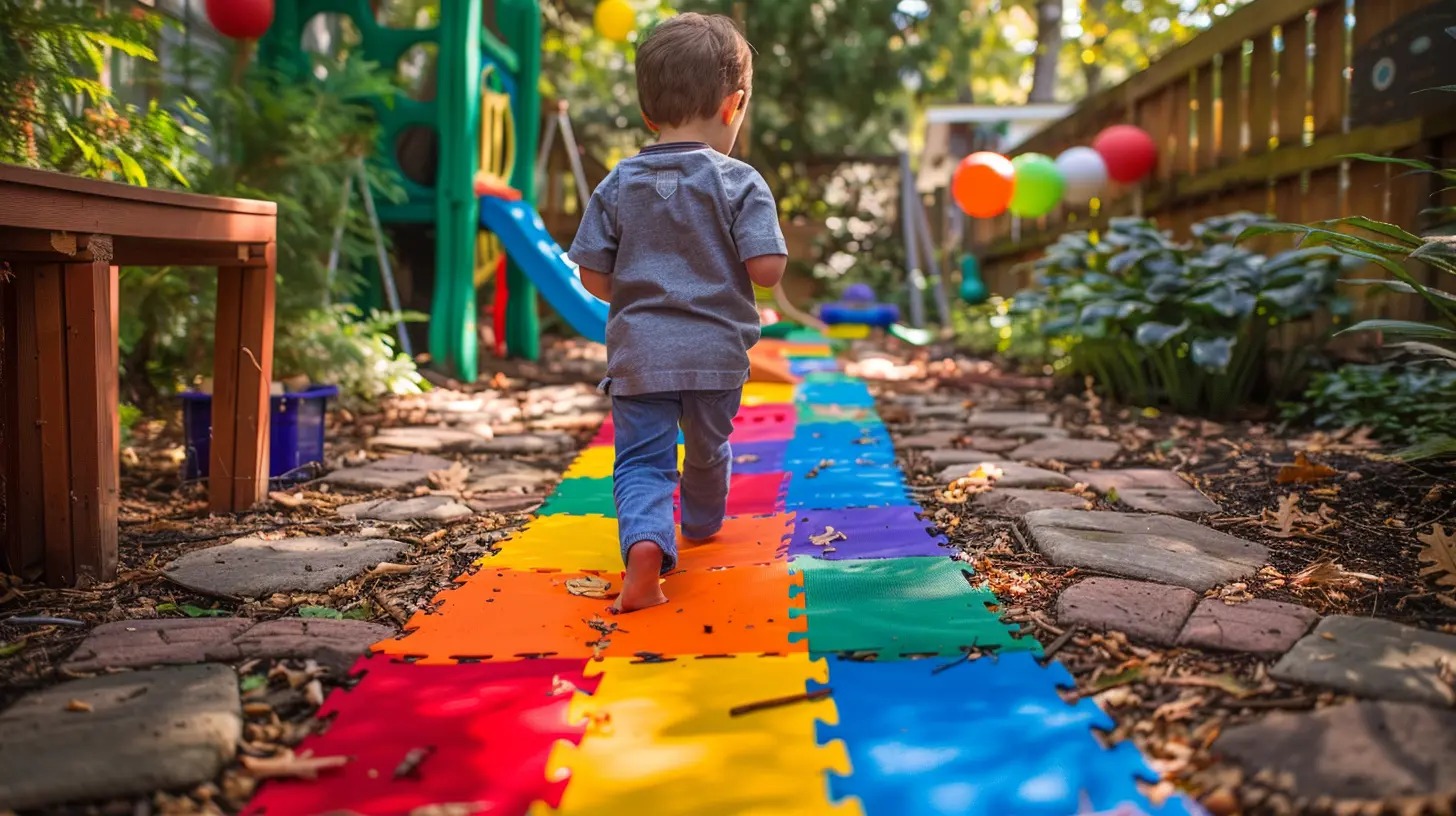
Why Backyard Games Are a Big Deal
Before we jump into the good stuff, let’s have a quick heart-to-heart about why backyard games are more than just... well, games. When kids play outside, they’re doing a lot more than burning off energy. They’re:- Building motor skills and coordination
- Learning teamwork, problem-solving, and patience
- Boosting creativity and imagination
- Improving mental health and reducing screen time
- Getting that all-important dose of Vitamin D
And you know what? It’s not just good for them—when the kids are outside having fun, parents get a little breathing room too. Win-win!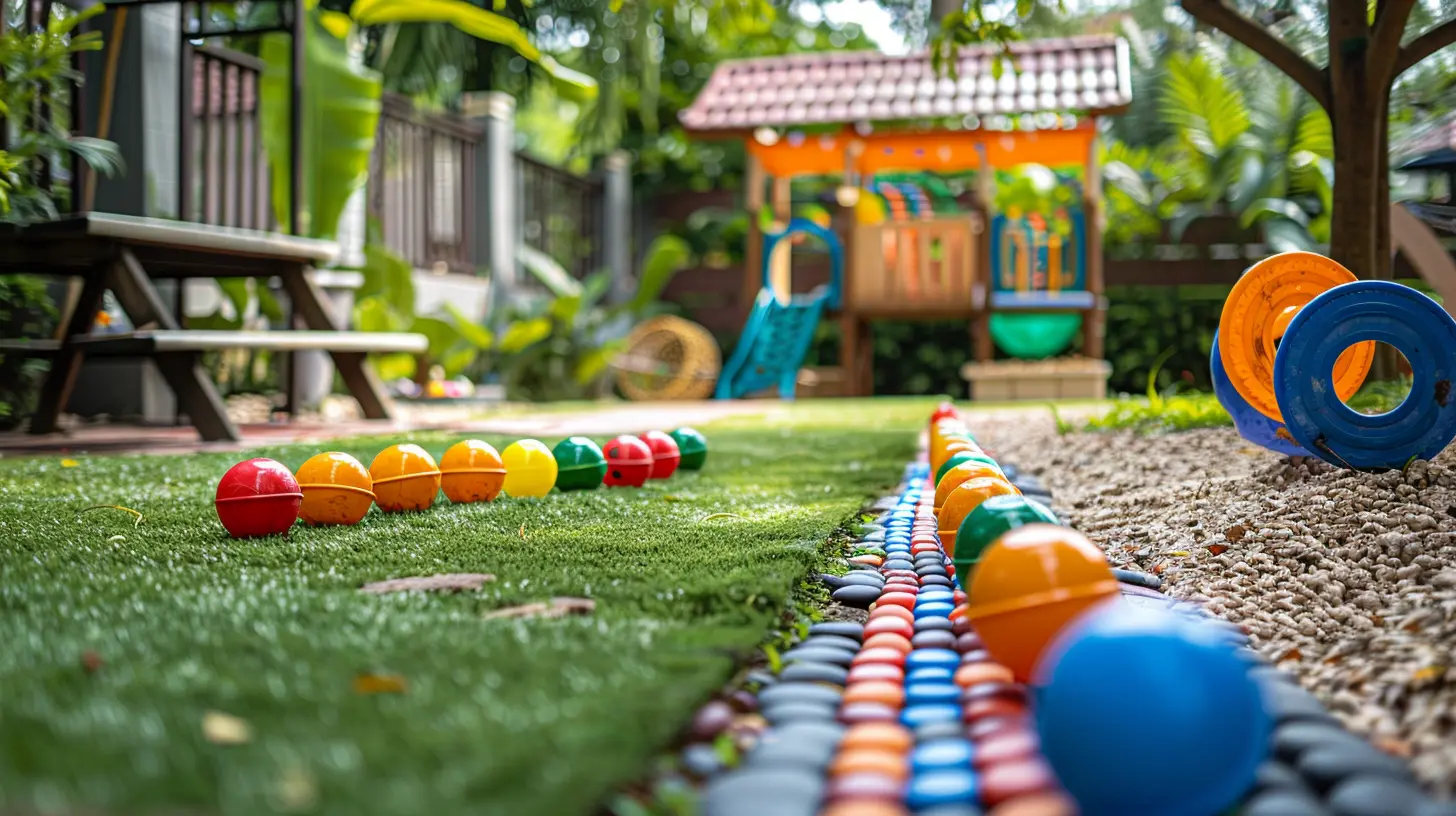
Classic Backyard Games with an Educational Twist
Sure, you’ve probably played tag and hide-and-seek a million times. But with a few tweaks, even the classics can become learning goldmines.1. Alphabet Scavenger Hunt
How It Works: Hide objects around the yard that start with different letters of the alphabet. Kids have to find something for each letter—A for apple, B for ball, and so on.Why It Works: Sneaky language learning! It reinforces letter recognition, vocabulary, and object association.
Pro Tip: You can rotate themes—do animals one day, colors the next!
2. Math Hopscotch
How It Works: Instead of just numbers, write simple math problems inside each hopscotch square. Kids solve the problem before hopping to the next.Why It Works: It mixes movement with mental math, which is like peanut butter and jelly for a kid’s brain.
Pro Tip: Adjust difficulty based on age—simple addition for little ones, multiplication for older kids.
3. Simon Says – Science Edition
How It Works: Play a regular game of Simon Says, but with a science spin. “Simon says act like a planet orbiting the sun” or “Simon says show how a butterfly emerges.”Why It Works: It blends physical play with scientific concepts in a fun, hands-on way.
Pro Tip: Let the kids take turns being Simon to keep them creative and involved.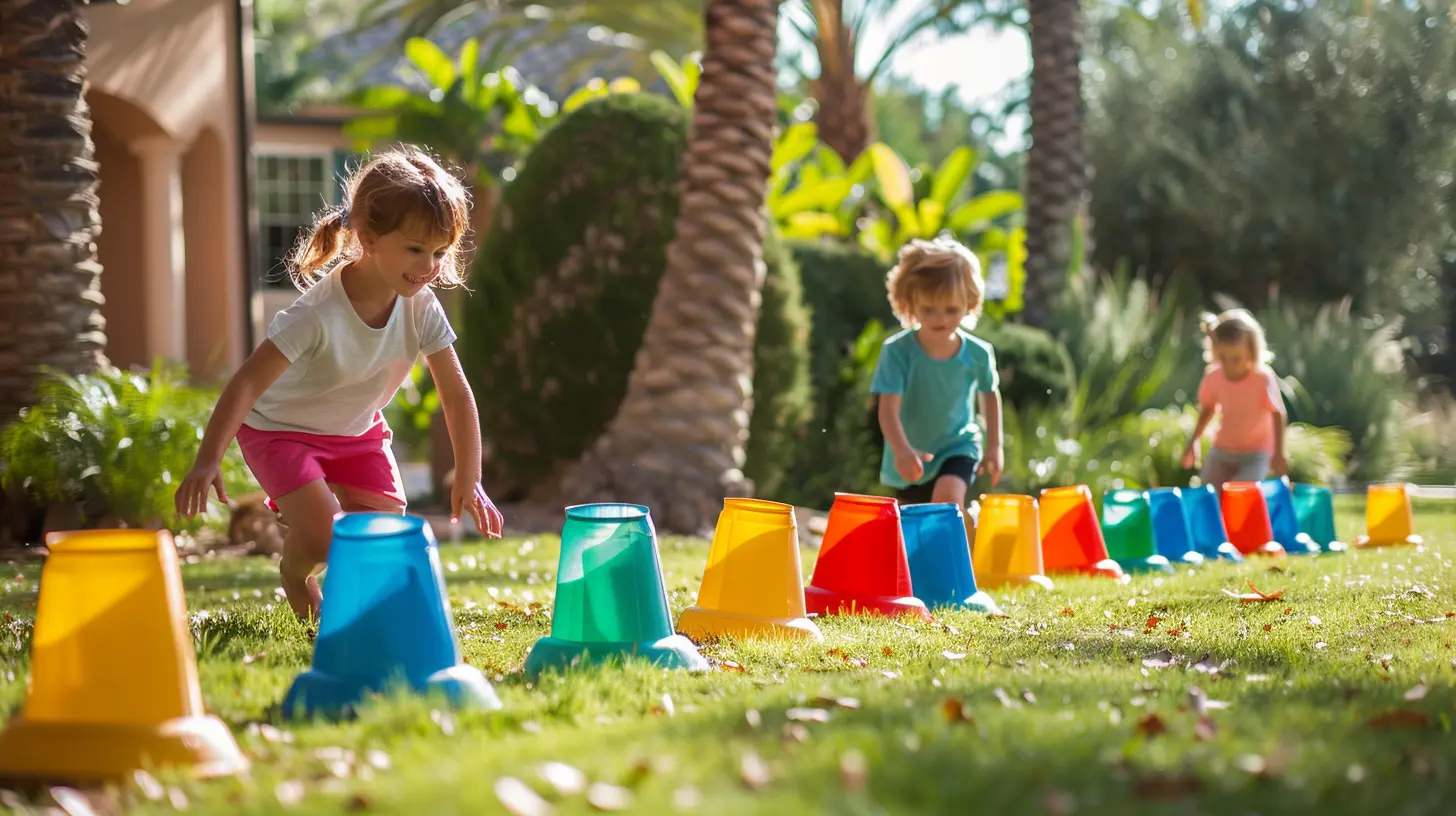
DIY Backyard Games That Stimulate the Mind and Body
You don’t need to drop tons of cash on fancy equipment. Most of these activities require stuff you already have, a little creativity, and a splash of energy.4. Obstacle Course with a Learning Twist
How It Works: Set up a backyard obstacle course using cones, ropes, boxes—whatever’s handy. Between physical tasks, place “challenge stations” with trivia questions or puzzles.Why It Works: It combines gross motor activity with cognitive skills, keeping both the body and brain firing on all cylinders.
Pro Tip: Make it a family competition to really spice things up!
5. Backyard Bowling with Sight Words
How It Works: Tape sight words (or math problems, vocabulary, etc.) to empty plastic bottles. Set them up like bowling pins. Each time your child knocks one down, they have to read or solve it.Why It Works: It’s active reading practice without the yawn factor of flashcards.
Pro Tip: Paint or decorate the bottles together for a fun craft session first.
Nature-Inspired Games That Teach and Entertain
Mother Nature is the best playmate. Use what’s already growing in your backyard to inspire creativity and learning.6. Bug Hunt Safari
How It Works: Arm your kiddos with magnifying glasses, a notebook, and maybe a bug jar (if you're cool with that). See who can find the most types of insects or describe their behaviors.Why It Works: It encourages curiosity, observation skills, and basic biology. Plus, it gets kids up close and personal with the tiny ecosystems around them.
Pro Tip: Turn it into a pretend "research expedition" and encourage kids to make field notes or draw sketches.
7. Nature Color Match
How It Works: Give your child paint swatches or colored cards and challenge them to match each color to something in the yard—leaf, flower, rock, whatever they find.Why It Works: Teaches color identification, encourages exploration, and boosts attention to detail.
Pro Tip: Set a timer to add a sense of urgency and excitement.
Group Games That Sneak in Learning
Got a few kids to entertain? These group games will have them all running, laughing, and—you guessed it—learning.8. Backyard Jeopardy
How It Works: Create a giant game board with categories like Math, Science, Nature, and History. Kids choose questions and race to the answer zone to respond.Why It Works: Like regular Jeopardy, but with a workout! Encourages quick thinking and friendly competition.
Pro Tip: Let kids earn points to trade in for small prizes or snack privileges.
9. Spelling Bee Relay
How It Works: Divide kids into teams. Call out a word, and they have to run to a board and write one letter at a time as a relay.Why It Works: Combines spelling practice with bursts of running—gets the body and brain moving together.
Pro Tip: Use themed words (like summer or nature) to keep it fresh.
Water-Based Backyard Games with a Brainy Twist
Hot day? Let’s add some splash to our smarts.10. Water Balloon Math Toss
How It Works: Label water balloons with numbers. Call out a math problem, and they have to pop the balloon with the correct answer.Why It Works: Keeps math practice cool—literally.
Pro Tip: Add an extra challenge: if they get the wrong answer, they get splashed!
11. Sink or Float Pool Race
How It Works: Fill a kiddie pool and gather household objects. Kids predict whether each item will sink or float, then race to place them in the right category.Why It Works: Introduces early physics concepts and develops prediction skills.
Pro Tip: Ask open-ended questions: “Why do you think that floated?” to get them thinking more deeply.
Backyard Games for Quiet Learning Moments
Not every moment needs to be go-go-go. Some kids thrive with slower, more thoughtful play.12. Outdoor Story Circles
How It Works: Sit in a circle and take turns adding to a story. Add props or toys found around the yard to bring scenes to life.Why It Works: Builds creativity, language skills, and social connection.
Pro Tip: Record the story sessions and write them down later as a keepsake.
13. Garden Treasure Hunt
How It Works: Hide educational treasures in the garden—maybe a rock with a science fact, a leaf with a word puzzle, or a stick with a riddle.Why It Works: Encourages reading comprehension, problem-solving, and connection to nature.
Pro Tip: Rotate the treasures weekly to keep things fresh and give them something to look forward to.
Tips to Keep Kids Engaged
Creating the perfect backyard play session isn't just about the game—it’s about the vibe. Here are a few tips to keep kids hyped and happy.- Let them lead: Kids have wild imaginations. Let them invent or tweak games to feel ownership.
- Praise effort over winning: Celebrate creativity, teamwork, and progress.
- Switch things up: Doing the same game too often can kill the fun. Rotate activities regularly.
- Join in: Even ten minutes of playing together builds bonds—and kids love it when grown-ups get silly.
- Add music or themes: Pirate day? Jungle safari? A simple theme adds a burst of magic.
Final Thoughts
Who says learning has to happen sitting still? With the right backyard games, your kids can sprint, laugh, splash, and leap their way into new skills—all without even realizing they’re learning. Your backyard isn’t just a patch of grass—it’s a classroom, a playground, a science lab, and a stage rolled into one. So go ahead—step outside, breathe in that fresh air, and let the games begin.And hey—you might just rediscover your inner child while you're at it.
all images in this post were generated using AI tools
Category:
Playtime IdeasAuthor:

Karen Hurst
Discussion
rate this article
2 comments
Alvin McElveen
I love these ideas! It's so important to keep kids active while learning. Simple backyard games can create lasting memories and foster creativity. I can't wait to try some of these with my children!
June 25, 2026 at 4:41 AM
Karen Hurst
I'm glad you liked the ideas! Backyard games are a great way to make learning fun. Enjoy making those memories with your children!
Foster McBride
Backyard games are a win-win for energy and learning. Get creative!
May 21, 2026 at 4:55 PM
Karen Hurst
Absolutely! Backyard games can spark creativity while keeping kids active and engaged. It's a great way to learn through play.