Getting Kids Excited About Healthy Eating
19 December 2025
Let’s be honest—getting kids to eat healthy can sometimes feel like trying to convince a cat to take a bath. You set the table with veggies, whole grains, and lean proteins, and your child gives you that look. You know the one. Like you just asked them to give up cartoons for life.
But here’s the good news: it doesn't have to be that hard.
Healthy eating doesn't have to be a battle—it can be a fun and tasty adventure. In this guide, we’re diving into real, practical, and even fun ways to get your kids on board with healthy eating. Spoiler alert: it involves creativity, patience, and a whole lot of love.

Why Healthy Eating Matters (And Not Just for Grown-Ups)
We all know healthy eating is important—but it’s not just about avoiding bellyaches or cavities. What your child eats now impacts their growth, brain development, mood, energy levels, and even sleep.Think of food as fuel. Would you pour soda into a car and expect it to run smoothly? Nope. Same thing goes for our kids. A balanced diet full of nutrients helps their little bodies run like a well-oiled machine.
But how do we spark that excitement when kids are naturally drawn to sugar and boxed snacks?
Let’s get into it.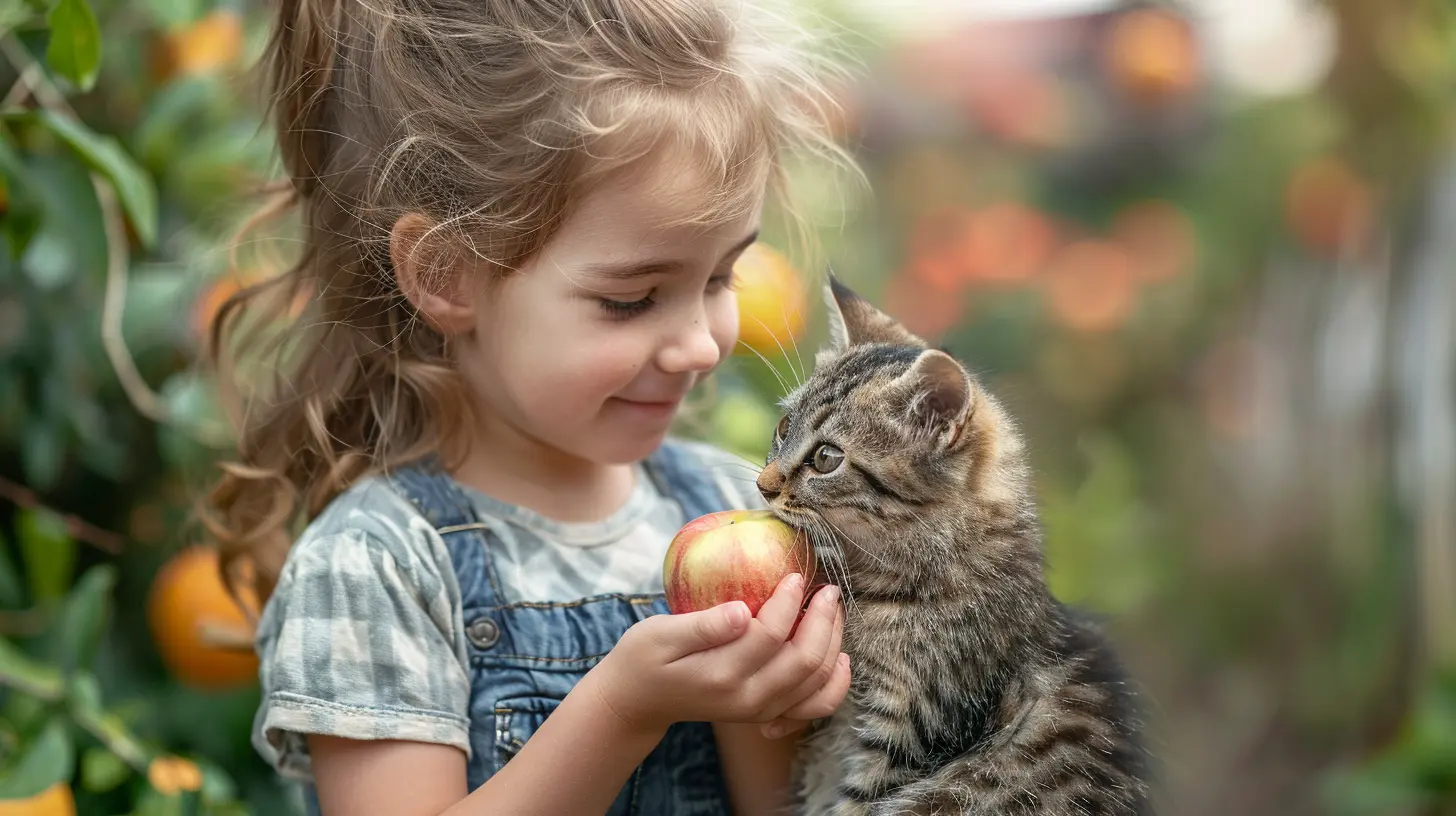
1. Start with the "Why"—On Their Level
Before diving into kale smoothies and quinoa bowls, help your child understand why some foods are better choices. And no, we don’t mean delivering a biology lecture at the dinner table.Make it relatable.
Say things like:
- "Carrots help your eyes see better in the dark—like a superhero!"
- "Blueberries are brain boosters. Want to be as smart as a fox?"
- "Protein helps your muscles grow strong like your favorite superhero!"
Turning healthy foods into magical, powerful tools piques curiosity.

2. Get the Kids in the Kitchen
Want a surefire way to get your kids pumped about eating healthier? Let them help!Children love feeling included. When they help slice strawberries or sprinkle cheese, they’re more likely to eat it. Cooking becomes less of a chore and more of a bonding experience.
Start simple:
- Let them wash veggies
- Stir pancake batter
- Cut soft fruit with kid-safe knives
- Pick herbs from the garden (or grocery store shelf)
And here’s the beauty of it: when they help make the food, it becomes "their" creation. And who doesn’t want to eat their own masterpiece?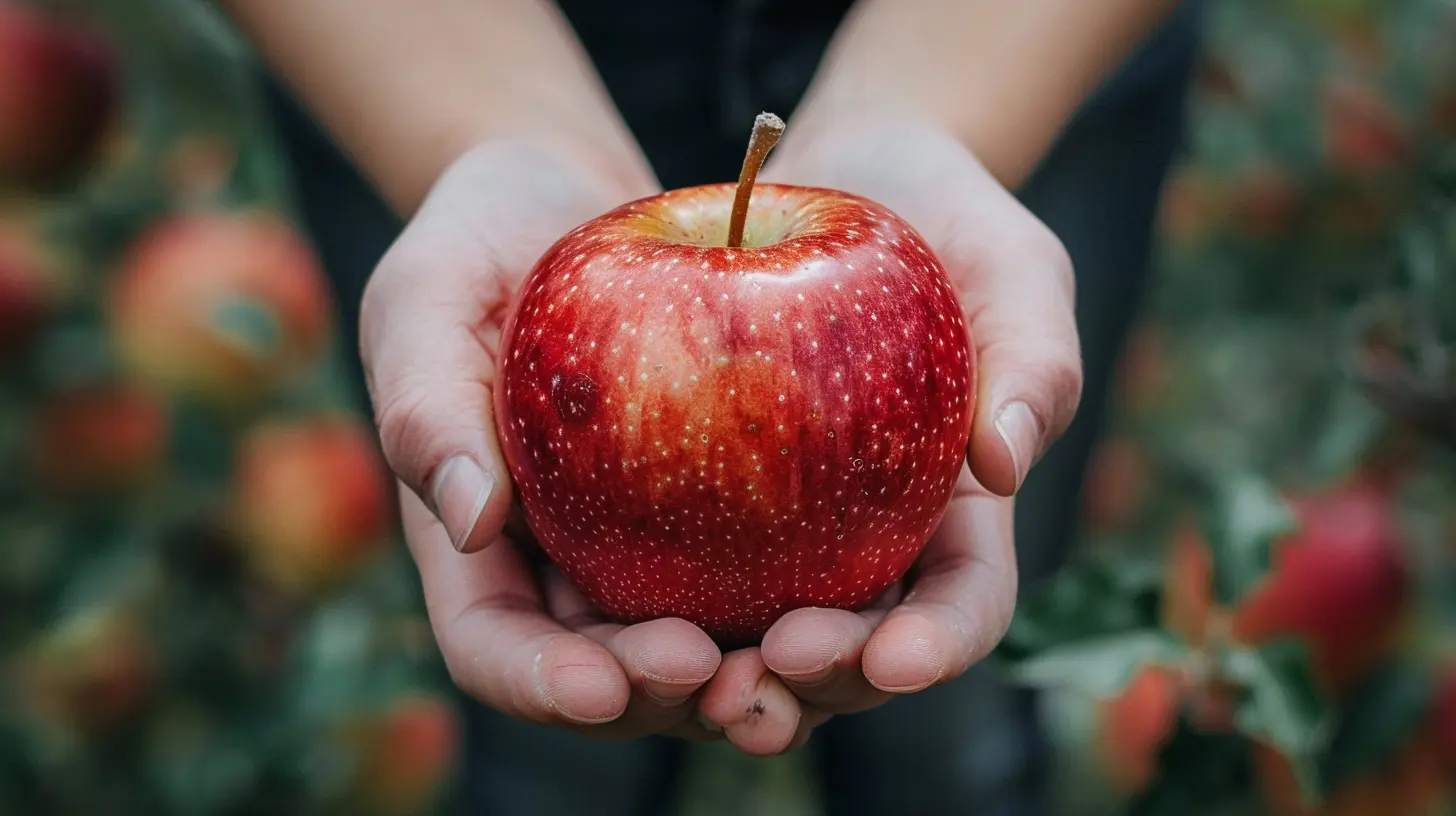
3. Make Healthy Foods Fun (Presentation Is Everything)
Kids eat with their eyes first. (Let’s be real—we all do.)Transform snacks into art:
- Make smiley faces from fruit slices
- Use cookie cutters to shape sandwiches, veggies, or cheese
- Create rainbow snack plates sorted by color
When healthy food looks fun, it’s way more tempting to try. Turn lunch into a game or story—a forest made of broccoli trees, hummus dip for the swamp, and cracker roads leading to a brave little cheese knight.
Sounds over-the-top? Maybe, but it works.
4. Offer Choices, Not Ultimatums
Nobody likes being bossed around, including kids. Saying, “Eat your spinach or no dessert” is a fast track to a power struggle.Instead, give them options:
- “Would you like carrots or cucumbers with lunch?”
- “Do you want an apple or banana for your snack?”
This gives them a sense of control, and when they choose it, they own it.
Pro parenting tip: If they’re involved in picking produce at the store or planning the week’s meals, they’re even more invested in eating those foods.
5. Keep It Familiar… with a Twist
You don’t have to reinvent the wheel. Start with what they already love and tweak it to be a bit healthier.- Mac & cheese? Try whole-grain pasta with butternut squash mixed into the sauce.
- Chicken nuggets? Bake homemade ones using almond flour and parmesan instead of deep-fried fast food.
- Pancakes? Use bananas and oats instead of processed flour and sugar.
It’s all about small swaps that don’t scream “THIS IS HEALTHY!” (because let’s face it—those words will instantly raise suspicion).
6. Be a Role Model (Yes, That Means You Too!)
Your kids are watching, and they're like tiny sponges. If you're sipping soda and eating chips while telling them to eat their green beans, it’s not going to fly.Show them that you enjoy healthy food. Let them see you snack on raw veggies, try new recipes, and genuinely delight in nutritious meals.
Lead by example. Be the veggie-loving, whole-food-snacking superhero they admire.
7. Make Meals a Screen-Free Zone
We all fall into the trap—sitting down with the TV on or giving the iPad just to make dinner easier. But mealtime should be a space for connection, not distraction.When screens are off:
- Kids are more mindful about what they’re eating
- Mealtime feels more like a shared experience
- They listen better to their hunger cues
Instead, use the opportunity to chat about their day, talk about the food, and make eating together something they look forward to.
8. Keep Healthy Snacks Within Reach
Kids are snack machines. And when they’re hungry, they’ll grab whatever’s easiest.Make the healthy stuff easy:
- Pre-cut fruit or veggie sticks stored at eye level in the fridge
- Small containers of yogurt or hummus on hand
- Whole-grain crackers or nuts in a reachable snack bin
If the good stuff is there, and it’s ready to go, they’re more likely to choose it—especially when you’re not hovering.
9. Don’t Demonize Treats
Let’s not make cookies and candy the enemy. Labeling foods as “bad” or “guilty” sets up a weird relationship with food. The goal here isn’t perfection but balance.Instead, teach moderation:
- “Yes, we can have ice cream—but let’s balance it with a healthy dinner.”
- “Sure, you can have that cookie. Did you have any fruit or veggies today?”
There’s room for treats, but they shouldn’t be the stars of the show.
10. Celebrate Wins (Even the Tiny Ones)
Did your kid take a bite of broccoli after months of refusing? That’s a win.Tried spinach in a smoothie without gagging? That’s a win.
Even showing interest in a new fruit? You guessed it—win.
Celebrate progress, not perfection. A high-five, a “Great job!” or even a sticker chart can go a long way in reinforcing those positive behaviors.
11. Keep Trying (Even When You Want to Give Up)
Here’s the truth: kids change their minds every five minutes. What they hate today, they might love tomorrow.It can take 10 (or more) tries for a child to accept a new food. So if they turn up their nose at zucchini once, don’t toss it out forever.
Be patient. Stay consistent. Keep offering without pressure—and without making a big deal out of rejections.
Persistence pays off.
12. Educate Through Books, Games, and Shows
Sometimes, hearing it from someone else—even a talking cartoon carrot—drives the message home.There are tons of kid-friendly books and educational cartoons that talk about healthy foods and how they help our bodies. Games like “guess the fruit” or “build your menu” can also work wonders.
The more exposure your kids get to positive food messages, the more they normalize it.
13. Grow Your Own Food (Even Just a Little)
You don’t need acres of garden space. A windowsill herb garden or growing tomatoes in a pot is enough to spark excitement.Kids are more likely to eat what they’ve grown. Watching a seed turn into a real, edible plant is like magic to them.
Give them ownership—let them water, pick, and smell the plants. Then, let them help turn that harvest into a real meal.
It’s a full-circle moment, and it’s powerful.
Final Thoughts: It’s a Journey, Not a Race
Healthy eating isn’t one magical dinner where your child suddenly loves quinoa and kale. It’s a series of small moments, day after day.Don’t beat yourself up if your kid eats nothing but toast today. Tomorrow is another day, another chance.
Keep showing up. Keep offering balance. Keep making it fun.
You’re not just feeding their bodies—you’re building lifelong habits. And that, my friend, is parenting gold.
all images in this post were generated using AI tools
Category:
Parenting HacksAuthor:

Karen Hurst
Discussion
rate this article
2 comments
Oberon Rhodes
Empowering kids to love healthy choices!
December 28, 2025 at 3:24 AM
Karen Hurst
Thank you! Empowering kids is key to fostering lifelong healthy habits!
Kristy Vasquez
Empower them with fun, colorful choices!
December 19, 2025 at 3:46 AM
Karen Hurst
Absolutely! Fun, colorful options make healthy eating more appealing and enjoyable for kids!