Helping Shy Kids Engage in Social Play at Home and Beyond
24 May 2026
Shyness in kids is completely natural. Some children are more reserved, while others thrive in social settings. But if your child consistently struggles to engage in social play, you may wonder how to help them come out of their shell.
The good news? With patience, encouragement, and the right strategies, even the shyest kids can build confidence in social situations—both at home and beyond. Let’s dive into some practical ways to help your child feel at ease while playing with others.

Understanding Shyness in Kids
Before we jump into the "how," let's tackle the "why." Some kids are naturally introverted, while others may be shy due to lack of experience, fear of judgment, or social anxiety.Shy children often:
- Hesitate to join group activities
- Stick to familiar people and routines
- Avoid eye contact or speak softly around new acquaintances
- Feel overwhelmed in busy, high-energy settings
The goal isn't to "fix" shyness—shyness isn’t a flaw! Instead, we want to help kids navigate social situations with greater ease and confidence. 
Creating a Comfortable Social Environment at Home
Social skills start developing at home, so why not make it their practice ground?1. Encourage Play with Siblings or Close Friends
If your child has a sibling or close cousin, encourage bonding through structured play. Board games, building blocks, or role-playing games (like playing "store" or "teacher") can help them open up socially in a safe environment.If they don’t have siblings, set up playdates with one friend at a time to avoid overwhelming them.
2. Incorporate Social Skills into Everyday Activities
Socializing doesn’t always have to be about playdates. Involve them in friendly conversations—whether it’s chatting with the cashier at the grocery store or saying "hello" to neighbors during a walk.The more they get used to small social interactions, the easier it becomes to engage in bigger ones.
3. Practice Turn-Taking Through Games
A great way to ease kids into social engagement is through turn-based games, like card games or board games. These teach patience, cooperation, and the confidence to speak up when it’s their turn.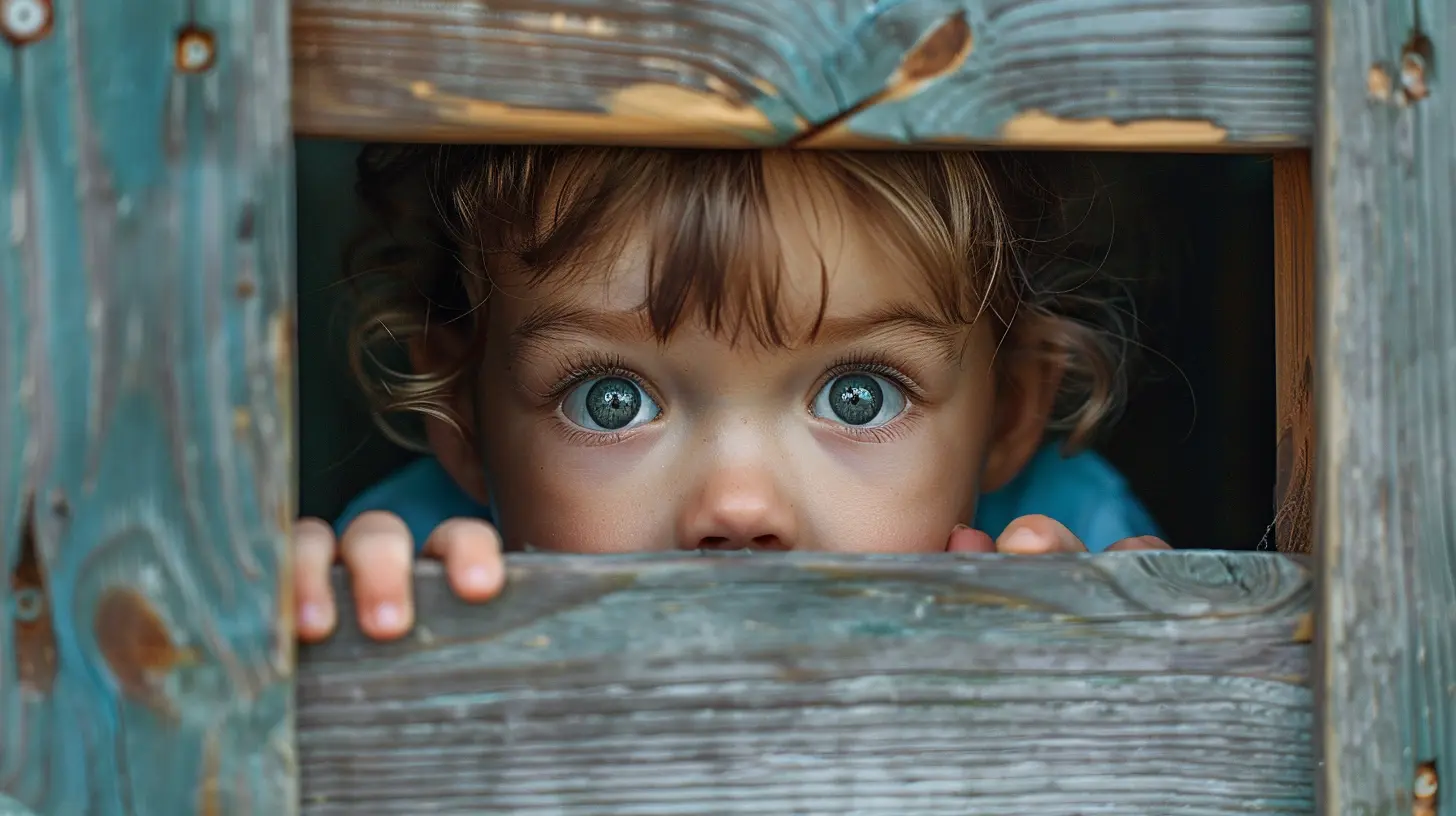
Building Confidence in Social Situations
Shy kids often need a little extra boost when it comes to confidence. Here’s how you can support them:4. Role-Play Social Scenarios
It might sound silly, but acting out situations can be a game-changer! Practice simple interactions like:- Saying “Hi” and introducing themselves
- Asking another child to play
- Offering to share a toy
This helps kids feel prepared instead of caught off guard in real social settings.
5. Teach Them Self-Soothing Techniques
Shy kids sometimes experience anxiety before social interactions. Teach them calming techniques like deep breathing, counting to ten, or using a "bravery mantra" (e.g., “I can do this!”).6. Encourage Small Social Steps
No need to push them into a crowded party right away. Start with baby steps:- Playing beside (not necessarily with) other kids
- Waving or smiling at a new friend
- Joining a small group activity for a short time
Gradually, these steps build up their comfort level. 
Making Social Play Enjoyable
If socializing feels like a chore, kids will resist. The trick? Make it FUN!7. Find Activities That Align with Their Interests
Does your child love dinosaurs? Art? Trains? Enroll them in a small-group activity that revolves around something they already enjoy. When kids are in their element, they naturally engage more.8. Use Favorite Toys & Games to Ease Social Interactions
Bring along a favorite toy to playdates. If they have a beloved stuffed animal or game, it can act as a "social bridge" to help break the ice with other kids.9. Set Up Structured Playdates
Free play can sometimes feel overwhelming to shy children. Instead, try structured activities like:- A simple craft project
- Baking together
- Playing a cooperative board game
Having a clear activity helps reduce uncertainty and makes social play feel more natural.
Supporting Social Growth Beyond Home
While home is a comfort zone, social interactions go far beyond it. Here’s how to help shy kids navigate the world outside their safe space:10. Introduce Group Activities Gently
Jumping into a big group may be intimidating, but smaller groups (like a library storytime or a backyard picnic with a couple of friends) can feel more manageable.Start small and gradually build up their exposure to larger social settings.
11. Encourage Extracurricular Activities
Low-pressure group activities like art classes, music lessons, or small-group sports (like swimming or karate) help kids interact while focusing on a shared goal—making socializing feel less daunting.12. Teach Simple Conversation Starters
Many shy children don’t know how to start a conversation. Give them go-to phrases like:- "I like your toy! Want to play together?"
- "That looks fun! Can I join?"
- "What’s your favorite thing to do?"
Arming them with these simple lines increases their confidence in social play.
Encouraging Social Play Without Pressure
Nobody thrives under pressure—especially not shy kids! Here’s how to keep things light and encouraging.13. Celebrate Small Wins
Did they wave at a new friend? Speak up in a group? Play alongside another child? Praise these small victories! Positive reinforcement helps build confidence over time.14. Avoid Overcorrecting or Forcing Interaction
If your child hesitates, resist the urge to push them too hard. Instead of saying, “Go play with them!” try, “Would you like to say hi?” Keep the invitation open-ended.15. Be a Role Model for Social Interaction
Kids learn by watching. Show them how to interact with others by modeling friendly conversations, asking questions, and showing kindness in everyday encounters.The Bottom Line
Helping a shy child navigate social play isn’t about turning them into an outgoing extrovert—it’s about making them feel comfortable and confident in their interactions.By providing a safe space at home, encouraging gradual steps, and celebrating their efforts, you're laying the foundation for social success.
Every child moves at their own pace, and that's okay. With patience, support, and the right tools, even the quietest little ones can find their social groove—at home and beyond.
all images in this post were generated using AI tools
Category:
Playtime IdeasAuthor:

Karen Hurst
Discussion
rate this article
2 comments
Jet Schultz
This article offers practical tips for parents of shy kids. I appreciate the focus on creating a supportive environment at home to boost their confidence. The suggestions for gradual exposure and promoting small social interactions are particularly helpful. It's important for shy children to feel comfortable and encouraged to play with peers.
June 26, 2026 at 3:03 AM
Cecilia Cain
What a wonderful article! It's so important to support our shy kids as they navigate social play. Your tips are not only practical but also heartwarming. Encouraging them to engage both at home and in the community can make such a positive difference. Thanks for sharing these insights!
June 2, 2026 at 4:46 AM
Karen Hurst
Thank you for your kind words! I'm glad you found the tips helpful. Supporting shy kids is so important, and I appreciate your thoughtful feedback.