How Positive Discipline Builds Self-Esteem in Children
13 August 2026
Parenting is one wild ride, isn't it? One minute, you’re basking in your kid's cute giggles, and the next, you're dodging a flying toy because they didn’t want to eat their veggies. But here’s the thing—how we handle these moments can either build them up or tear them down.
One of the most powerful parenting tools? Positive discipline. No, it’s not about being a pushover or letting kids do whatever they want. It’s about guidance, respect, and helping them develop confidence in themselves.
Let’s dive into how positive discipline shapes a child’s self-esteem and why it’s hands-down the best approach for raising resilient, self-assured kids. 
What Is Positive Discipline, and Why Does It Matter?
Before we get into the how, let’s get crystal clear on what positive discipline actually is.Positive discipline is all about teaching rather than punishing. It focuses on understanding, mutual respect, and guiding kids toward better behavior without shaming or scaring them into obedience. Think of it as coaching rather than controlling.
Ever had a boss who motivated you rather than tore you down? That’s what positive discipline does for kids. It builds a foundation of trust, self-worth, and confidence rather than fear and self-doubt. 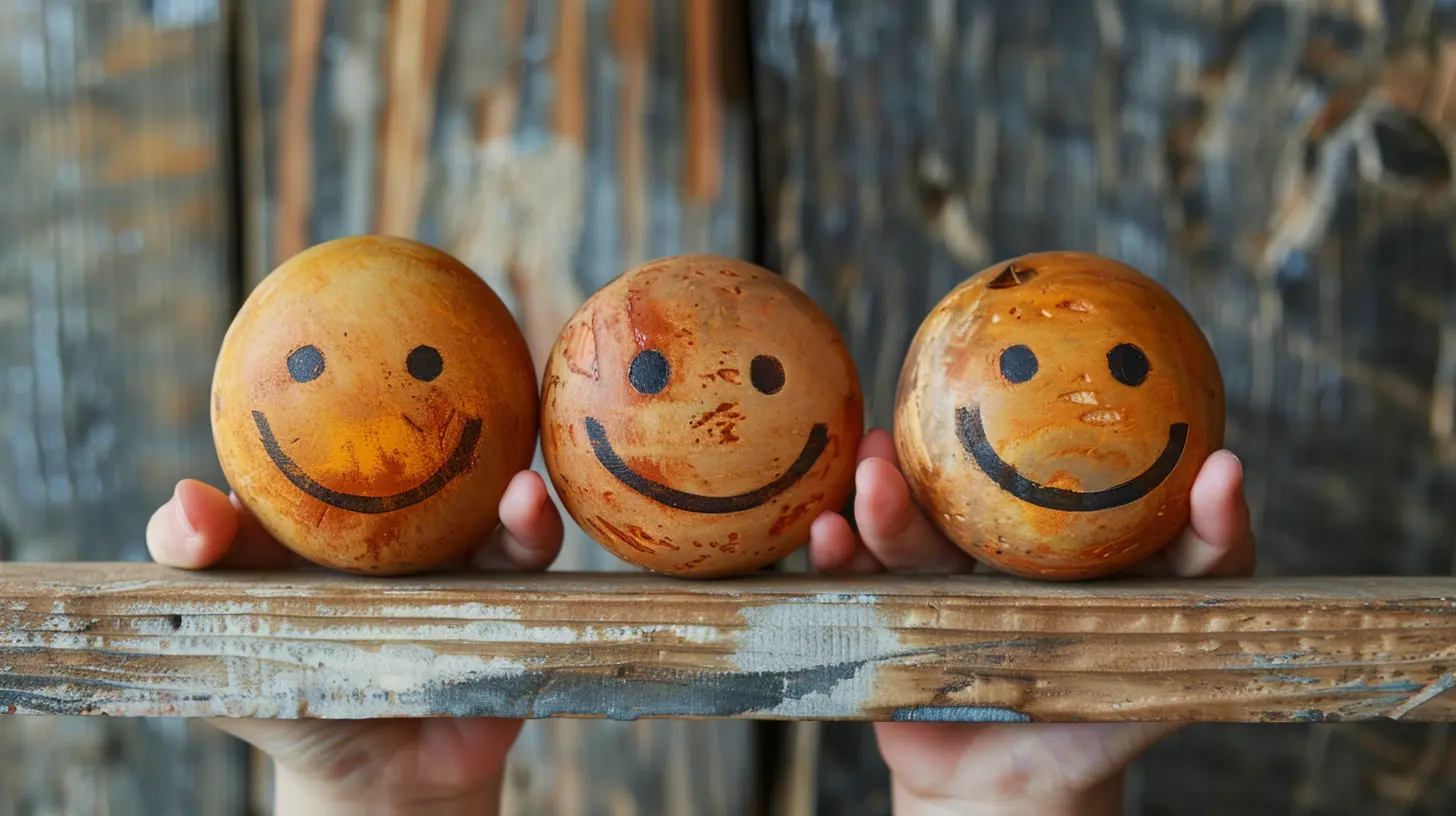
The Connection Between Discipline and Self-Esteem
Self-esteem isn't just about feeling good—it's about believing in your ability to handle life's challenges. The way we discipline our kids plays a massive role in shaping how they see themselves.Traditional discipline methods (yelling, spanking, shaming) often make children feel powerless and inadequate. In contrast, positive discipline reinforces their ability to correct their mistakes and improve without feeling like failures.
Here’s how positive discipline directly boosts self-esteem:
- It teaches problem-solving skills: Instead of just punishing, it encourages kids to think about their choices and how they can do better.
- It fosters independence: Kids learn to handle situations on their own instead of just following orders out of fear.
- It strengthens parent-child bonds: When children feel understood and respected, they develop a stronger sense of security and self-worth. 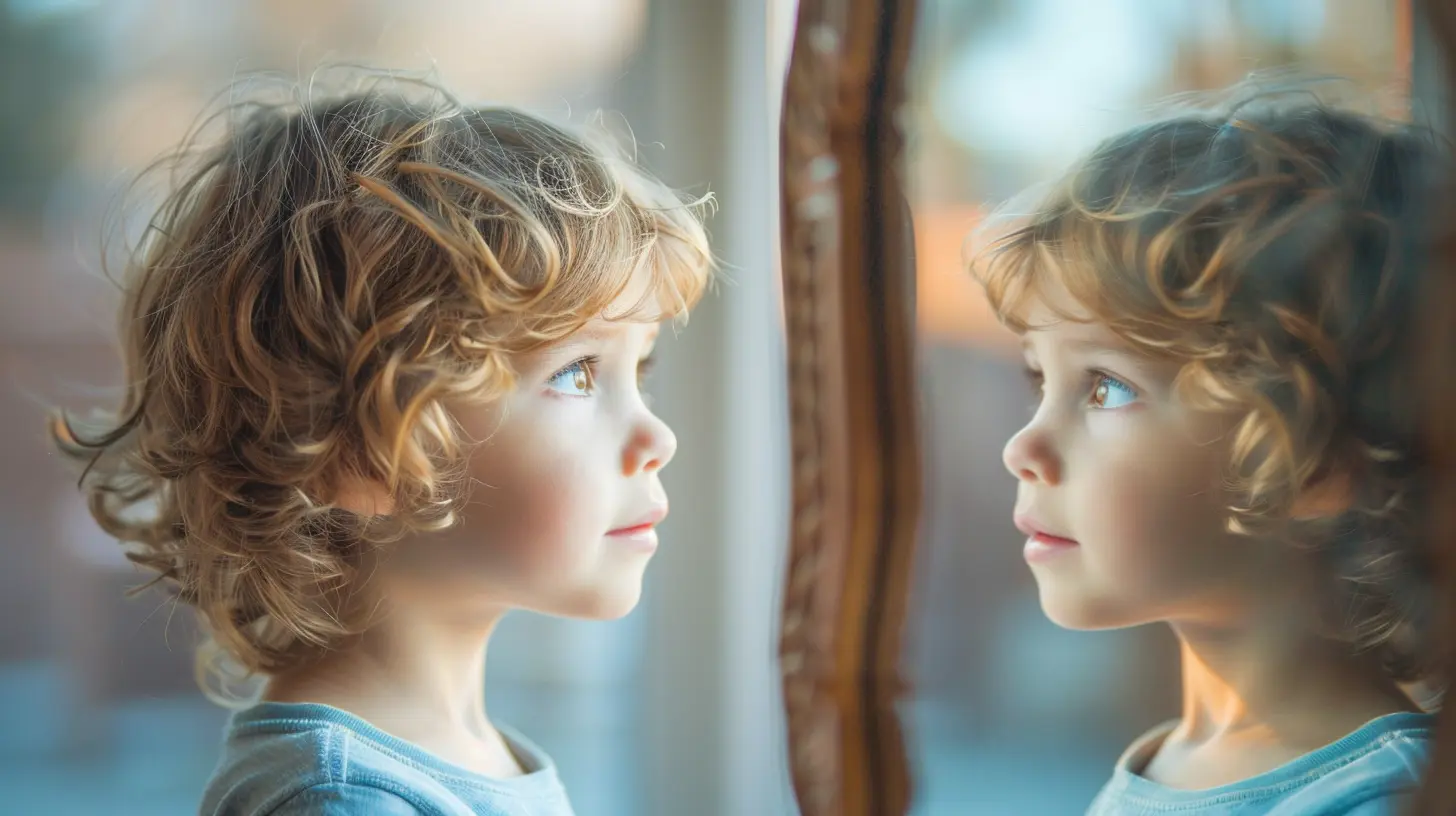
Key Principles of Positive Discipline That Build Self-Esteem
Now, let’s get into the nitty-gritty: the principles of positive discipline that work wonders for self-esteem.1. Respect, Always
Kids are little humans with big feelings. The way we speak to them becomes their inner voice. If we constantly criticize, belittle, or dismiss them, they’ll start doubting their worth.Respecting children means listening to their feelings, acknowledging their struggles, and treating them as valuable individuals. It’s saying, “I see you, I hear you, and I value what you’re saying.”
2. Focus on Solutions, Not Punishments
Instead of making kids feel bad for their mistakes, help them find ways to make things right. For example, if your child spills juice all over the floor, instead of yelling, try:"Oops! Looks like the juice spilled. Let’s grab a towel and clean it up together!"
This approach teaches responsibility without the shame. Over time, it builds confidence in their ability to solve problems rather than fear of making mistakes.
3. Encourage Effort Over Perfection
Perfection is a myth, and kids who grow up fearing mistakes often struggle with self-esteem. Instead of praising results, focus on effort.Instead of:
"Wow, you got all A’s! You’re so smart!"
Try:
"I’m so proud of how hard you worked and how much effort you put in!"
This teaches them that their worth isn’t tied to achievements but to their determination and progress.
4. Set Clear and Kind Boundaries
Positive discipline isn’t about letting kids run wild—it’s about setting firm yet fair boundaries. Think of boundaries as guardrails on a road. They keep kids safe while allowing them to explore.Instead of barking orders like, "Go to bed right now!", try:
"It’s bedtime. Would you like to pick one more book before lights out?"
This way, the boundary is clear, but the child feels a sense of control, which fosters confidence in their ability to make choices.
5. Let Them Have a Say
Nobody likes being controlled 24/7—not even kids. Giving them choices (within limits) builds their decision-making skills and self-trust.Instead of:
"Wear this outfit today."
Try:
"Would you like to wear the blue shirt or the red one?"
It’s a small tweak, but it makes a huge difference in how kids perceive their own power and autonomy.
6. Acknowledge Feelings Without Overreacting
Kids have BIG emotions. Sometimes, they’ll throw tantrums, get frustrated, or cry over seemingly minor things. Instead of dismissing or punishing their feelings, acknowledge them."I see that you're really upset because we have to leave the park. It’s hard to stop doing something fun. Do you want to take one last slide before we go?"
When kids feel that their emotions are valid, they learn to trust themselves instead of feeling like their feelings are "too much" or "wrong."
7. Model the Behavior You Want to See
Ever notice how kids repeat what they hear us say? That’s because they learn by watching us. If we want them to be respectful, patient, and self-assured, we need to show them how.Losing your cool? Own it.
"I got frustrated and yelled. That wasn’t okay. I’m sorry. Next time, I’ll take a deep breath before reacting."
This teaches kids that everyone makes mistakes—and what matters is how we handle them. 
The Long-Term Benefits of Positive Discipline
When kids grow up in a home where discipline is rooted in respect and guidance, the benefits are game-changing:- Higher self-esteem: They learn that they are capable, worthy, and valued.
- Better emotional regulation: They understand their feelings and how to manage them without fear of punishment.
- Stronger relationships: They develop trust and healthy communication patterns.
- Greater resilience: They don’t crumble under mistakes or criticism but see challenges as opportunities to grow.
Isn’t that exactly what we want for our kids? To grow up feeling strong, capable, and confident in who they are?
Final Thoughts: Discipline Without Fear, Confidence Without Arrogance
Positive discipline isn’t about being overly permissive or avoiding conflict. It’s about raising kids who respect themselves and others because they’ve been respected first.Every time we guide our kids with patience and understanding rather than fear and shame, we’re shaping their self-esteem. We’re showing them that mistakes are learning opportunities, boundaries are acts of love, and their worth is never up for debate.
So the next time you’re faced with a challenging parenting moment, take a deep breath. Remember that your response shapes more than just behavior—it shapes how your child feels about themselves.
Because in the end, discipline shouldn’t break a child’s spirit—it should build them up.
all images in this post were generated using AI tools
Category:
Positive DisciplineAuthor:

Karen Hurst