How to Encourage Unstructured Play for Self-Discovery
15 June 2026
Ever noticed how a child can turn a cardboard box into a spaceship or a stick into a magic wand? That’s the magic of unstructured play—pure creativity born from the mind of a child. In a world filled with screens, schedules, and structured activities, unstructured play is more crucial than ever. It’s not just about having fun (although that’s a big part of it), it’s also about nurturing imagination, building confidence, and encouraging self-discovery.
In this post, we’re diving deep into why unstructured play matters, how it supports your child’s growth, and how you can make it a natural part of everyday life. It’s time we let kids be kids—messy, curious, imaginative, and free.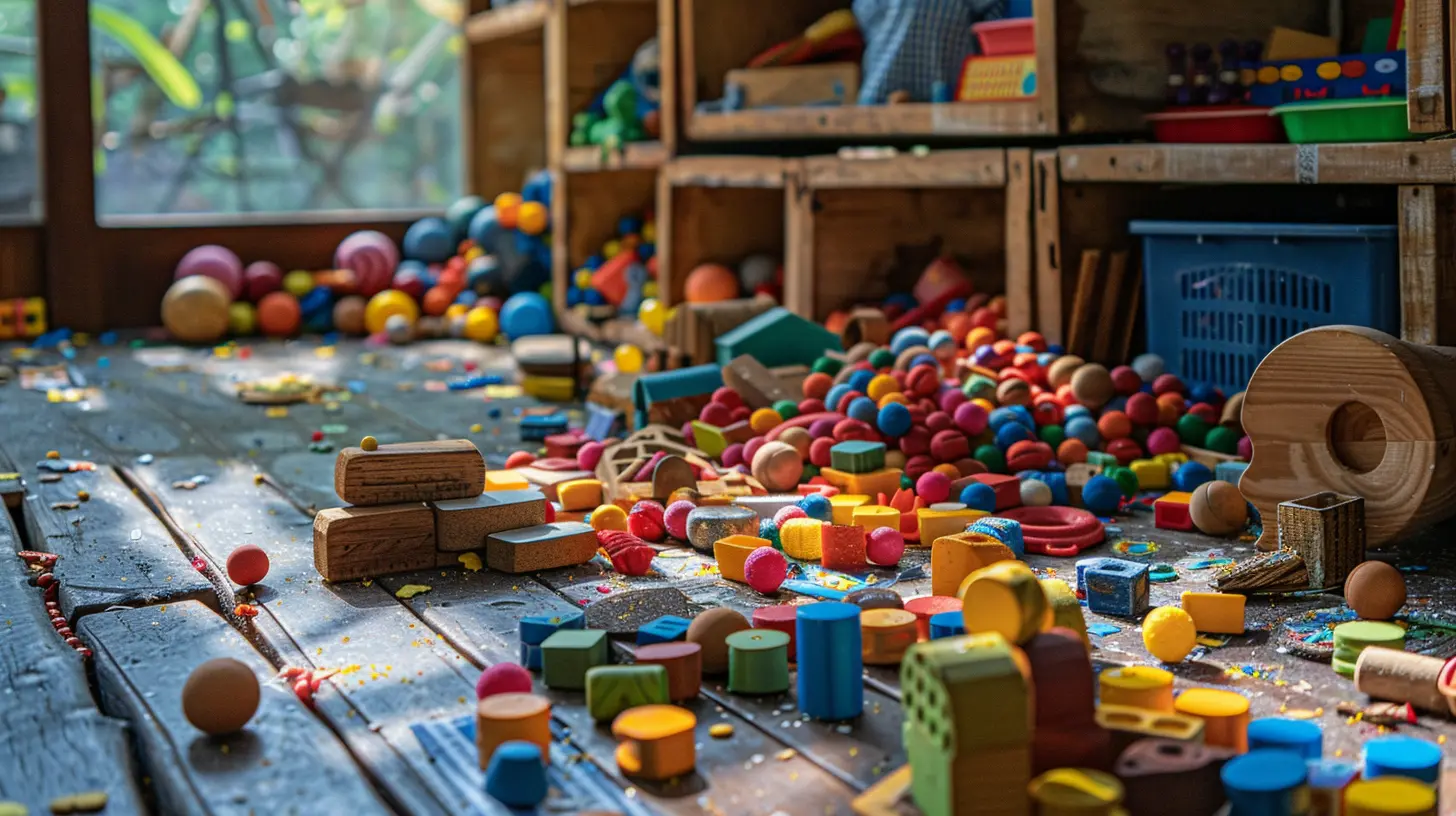
What Is Unstructured Play Anyway?
Before we get into the how, let’s get clear on the what.Unstructured play is exactly what it sounds like—play that has no specific goal, schedule, or adult-imposed structure. There are no rules, no scoreboards, and no finish lines. It’s child-led and spontaneous.
Think of it like free jazz compared to a classical symphony. One has strict guidelines; the other flows from instinct, emotion, and creativity.
A few examples of unstructured play?
- Building forts out of pillows and blankets
- Digging in the dirt and making “mud pies”
- Pretend play like being superheroes, pirates, or chefs
- Drawing or painting without a specific assignment
- Turning the backyard into a jungle adventure
The possibilities are endless—because the child's imagination is the only limit.
Why Unstructured Play Matters (More Than You Think)
We often think play is just “goofing around,” but there’s so much more going on under the surface. Unstructured play is where a child begins to understand themselves and the world around them.Here’s what’s really happening during those moments of magical messiness:
1. Sparks Creativity and Imagination
When kids play freely, they create worlds that don't exist and roles that have no script. They're not confined to what’s possible—they invent their own possibilities. This kind of thinking lays the foundation for creative problem-solving later in life.2. Builds Confidence and Independence
In unstructured play, there’s no adult to tell them what to do or how to do it. This means kids make their own decisions, solve their own problems, and become more comfortable with taking the lead.3. Helps with Emotional Regulation
Ever notice how kids seem calmer and more balanced after running around outside or diving into a pretend game? Play gives them a natural way to release stress, process feelings, and practice self-control.4. Strengthens Social Skills
When kids play together without adult direction, they learn how to negotiate, share, compromise, and resolve conflicts. It’s like a mini training ground for real-life relationships.5. Encourages Self-Discovery
Since unstructured play is child-led, it gives your child the freedom to explore what they like, what they’re good at, and what excites them. It’s how they begin to figure out who they are.
Why Unstructured Play Is Disappearing
Let’s be real—there’s a reason this kind of play is harder to come by these days.Between packed schedules, academic pressures, screen time, and the rise of structured activities (hello, soccer practice, coding camps, and piano lessons), there’s not much breathing room left for kids to just... play.
Plus, we’ve grown more cautious as parents. It’s understandable. The world feels scarier, and letting kids wander off into imaginative play can feel risky when you’re used to monitoring everything.
But here’s the truth: our kids aren't missing structure—they're missing freedom.
How to Encourage Unstructured Play for Self-Discovery
Alright, now that we know just how valuable unstructured play is, let’s talk about how to actually make it happen. No, you don’t need to build a playground in your backyard or cancel all after-school activities. Small shifts can make a big impact.1. Create a Play-Friendly Environment
Design spaces that spark imagination. Clear out one corner of the room or a spot in the backyard where mess is okay and exploration is encouraged. Stock it with:- Open-ended toys like blocks, dolls, fabric scraps, cardboard boxes
- Art supplies: crayons, glue, markers, paint (and no “right” way to use them)
- Nature finds: leaves, sticks, stones
Let the environment send a message: “Here, you can just be.”
2. Cut Back on Overscheduling
A full calendar might look productive, but it can squash creativity. It’s okay to leave gaps in the day with nothing planned. Let boredom happen—it’s often the spark kids need to get creative.Try this: one or two days a week, skip extracurriculars and just let them roam, dig, build, pretend, and daydream.
3. Resist the Urge to Jump In
This one’s hard, especially if you’re a hands-on parent. But unstructured play means giving kids the chance to lead. Instead of suggesting how they should play, stand back and watch.Tip: If you do join in, follow their lead. Be a fellow explorer, not the director.
4. Limit Screen Time
Let’s face it: screens are mesmerizing, and they’re brilliant at killing imagination. Try swapping some of that screen time for creative downtime. Set up an “unplugged hour” where the TV and tablets go off, and open play begins.5. Encourage Outdoor Adventures
Nature is the ultimate playground. Trees become pirate ships, rocks become treasure, and dirt turns into soup. Plus, outdoorsy play encourages movement and connection with the world.Even a 20-minute trip to the park or a muddy backyard safari can do wonders.
6. Celebrate Process, Not Product
Unstructured play isn’t about performance—it’s about experience. Don’t worry about what your child builds, paints, or creates. Avoid praising the outcome (“That’s a beautiful painting!”) and focus on effort and joy instead (“You really got into that!”).This shifts the focus to inner motivation, not outside approval.
7. Be Okay With the Mess
Let go of the need for neatness. Creativity is messy business, and that's totally fine. Muddy clothes, messy hair, scattered blocks—those are signs of deep, meaningful play. Embrace the chaos.When Kids Say “I’m Bored”… Let Them Be
Here’s a secret: boredom is not the enemy. In fact, it’s often the doorway to creativity.When your kid complains, “I’m bored,” fight the urge to fix it right away. Instead, nudge them to find something to do on their own. That’s where the magic happens.
Give it a few minutes, and you might witness them inventing a game, building something out of nothing, or diving deep into pretend play.
Chances are, their boredom will soon bloom into brilliance.
Letting Go of the Pressure to “Entertain”
As parents, we often feel like we need to entertain our kids all the time. But here’s the truth: they don’t need constant input. They need space, silence, and trust.You’re not failing when you step back—you’re empowering them.
Unstructured play doesn’t mean neglect; it means trusting your child’s ability to create their own fun. And trust me, they’ve got it in them.
Balancing Structured and Unstructured Time
Of course, structure isn’t bad. Activities like sports and music lessons have their place. What’s important is balance.Think of it like a healthy diet: structured activities are the proteins, the building blocks; unstructured play is the water and sunshine—it keeps everything alive and growing.
Try to create a rhythm that includes both. Busy weeknight? Carve out some free time on the weekend. Too rainy for the park? Set up a mini pretend-world indoors.
Balance is key. No guilt, no perfection—just intention.
Final Thoughts: Trust the Power of Play
Unstructured play isn't a "nice-to-have"—it’s essential. It’s where self-discovery begins. When kids are free to create, pretend, build, and explore without limits, they start to uncover who they are.So let's do less micromanaging and more observing. Less dictating and more trusting. Give your kids the gift of space, time, and freedom—and watch their inner world come alive.
Because at the end of the day, a stick can be a sword, a wand, or a fishing pole—but only if we give them the freedom to choose.
all images in this post were generated using AI tools
Category:
Playtime IdeasAuthor:

Karen Hurst
Discussion
rate this article
2 comments
Colt Carrillo
Encouraging unstructured play is a gift to your child's growth. It sparks creativity and builds confidence. Let them explore freely, make their own choices, and discover their passions. In this playful journey, they'll learn about themselves and the world in ways that truly matter.
July 27, 2026 at 4:46 PM
Zaid Dorsey
Oh sure, let's just let kids run wild and discover themselves. Who needs structure when you can have epic mud fights and questionable life choices? Sounds like the perfect recipe for a parenting win... right?
June 17, 2026 at 3:56 AM
Karen Hurst
It's all about balance. Unstructured play can spark creativity and growth, but guidance is key to ensure safety and learning. A little mud never hurt anyone!