How to Handle Sibling Rivalry Without Always Playing Referee
11 December 2025
Parenting more than one child can sometimes feel like managing a tiny, unpredictable wrestling match—complete with screaming, tears, and dramatic accusations of injustice. The constant “He started it!” and “She’s touching my stuff!” soundtrack can wear down even the most patient parents. If you’ve ever felt more like a referee than a parent, constantly breaking up disputes and declaring time-outs, you’re not alone.
But here's some good news: you don’t have to play referee all day long. In fact, constantly stepping in might be doing more harm than good. So, how can you handle sibling rivalry without being the judge, jury, and peacekeeper 24/7? Let’s dive deep into strategies that empower your kids and restore a bit of peace to your home—without you needing a whistle around your neck.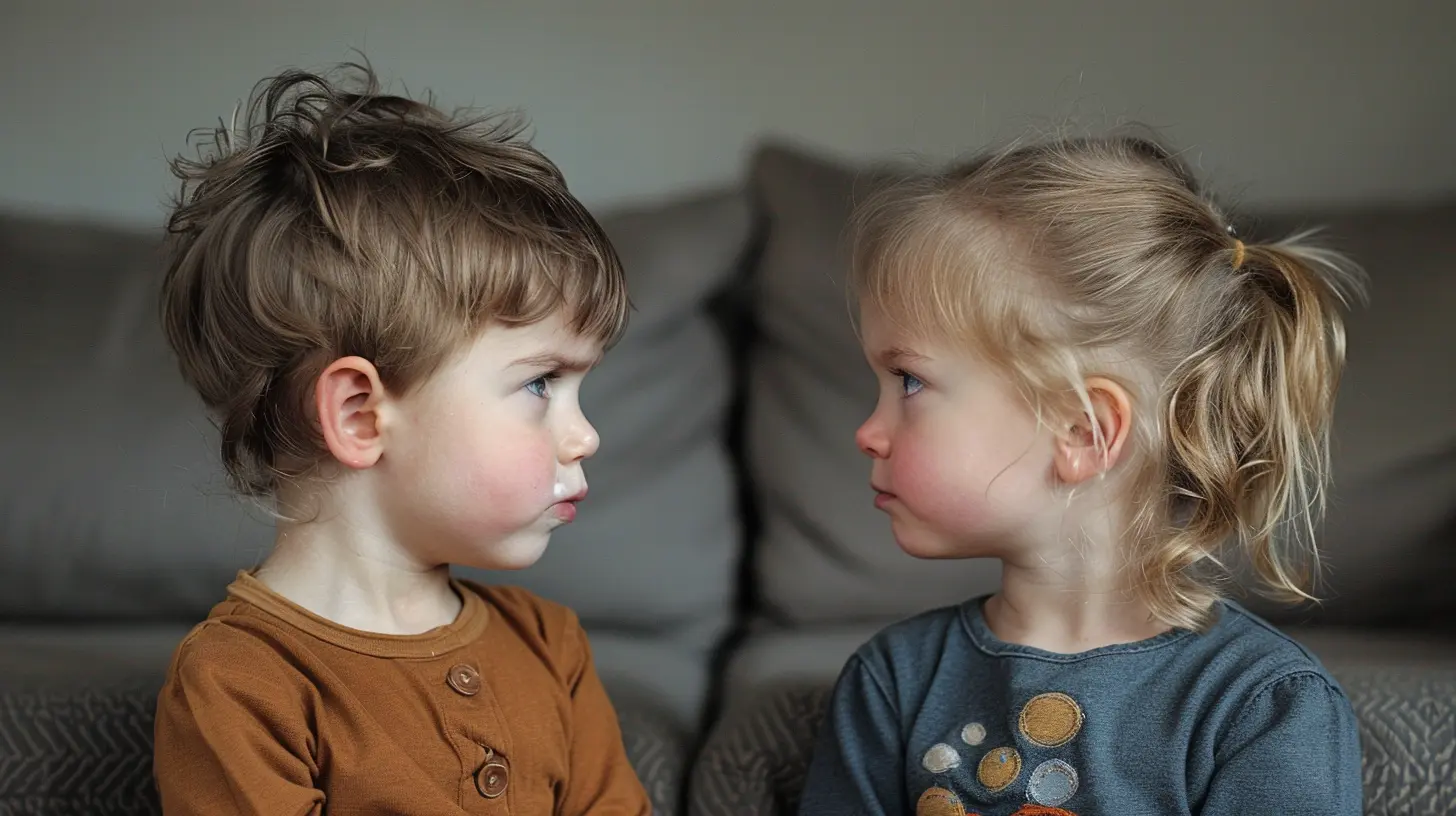
Understanding Sibling Rivalry: It’s Not Just “Kids Being Kids”
First off, let’s take a moment to understand what’s really happening when your kids are at each other’s throats. Sibling rivalry is natural—yes, even normal. But it’s not just about who got the bigger cookie or whose turn it is to pick the movie. Underneath the surface, it’s often a cry for attention, a way to assert control, or a reflection of unmet emotional needs.Think of it like an iceberg: You see the yelling at the top, but underneath? There's competition for your time. There’s jealousy, insecurity, and sometimes an identity crisis brewing ("Why does she get praised for everything while I get in trouble for breathing?").
Understanding this depth is key to not getting pulled into every spat like it’s a UFC match.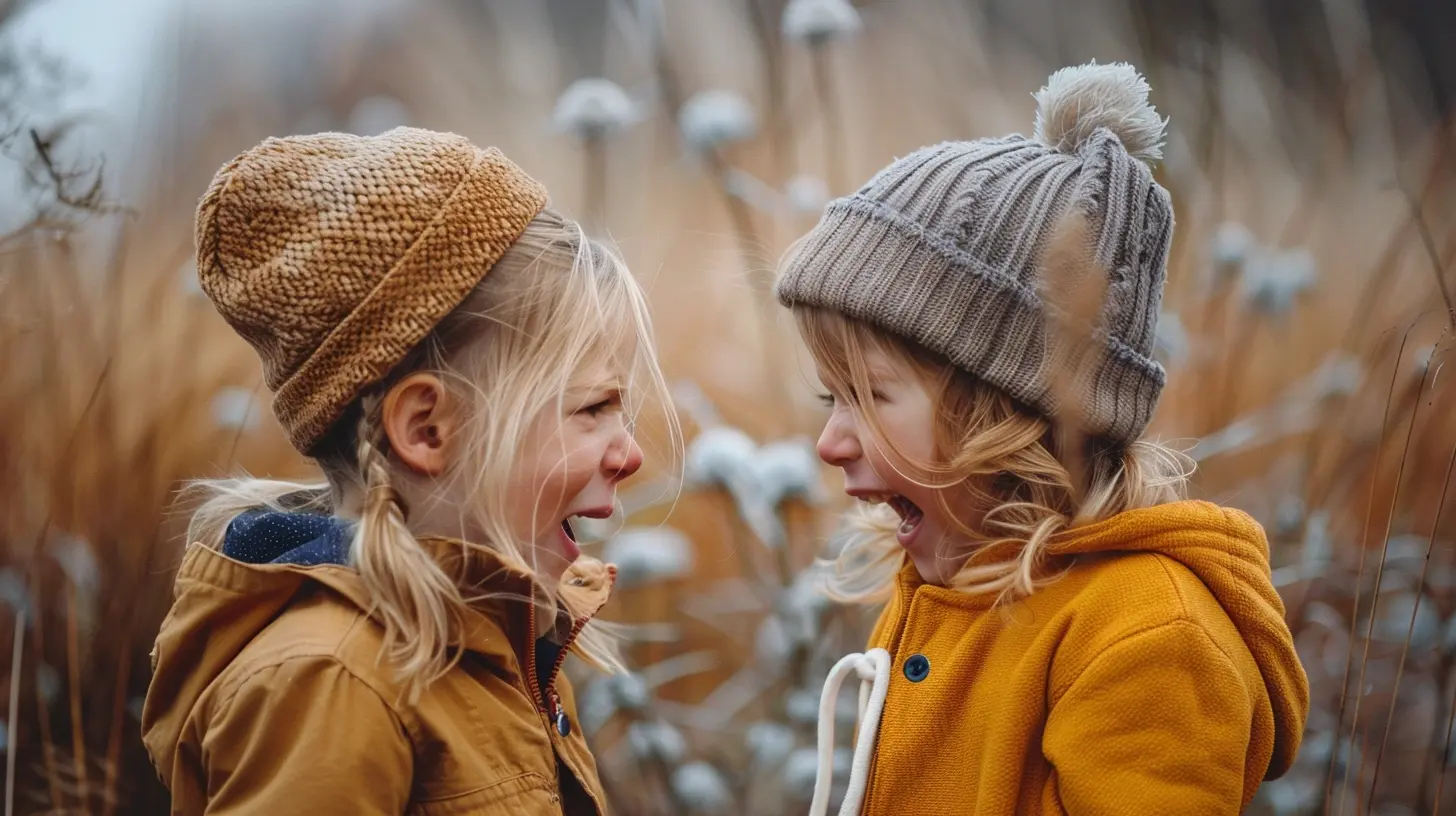
Why Playing Referee Doesn’t Work (And Might Make It Worse)
It’s tempting to jump in and fix everything. We don’t want our kids to fight. We certainly don’t want them to hurt each other. So, we step in and “settle” it.But when you constantly play referee, a few things happen:
- You rob them of the chance to learn conflict resolution.
- One child may start to feel like you’re always taking sides (even if you try to be neutral).
- They’ll depend on you to solve their issues—forever.
And let’s be honest, who has time to manage every single squabble?
Let’s say your two children are arguing over a toy. If you step in and hand it to one of them, you might unknowingly reinforce the idea that the loudest, most dramatic sibling wins. Not the fairest or kindest one.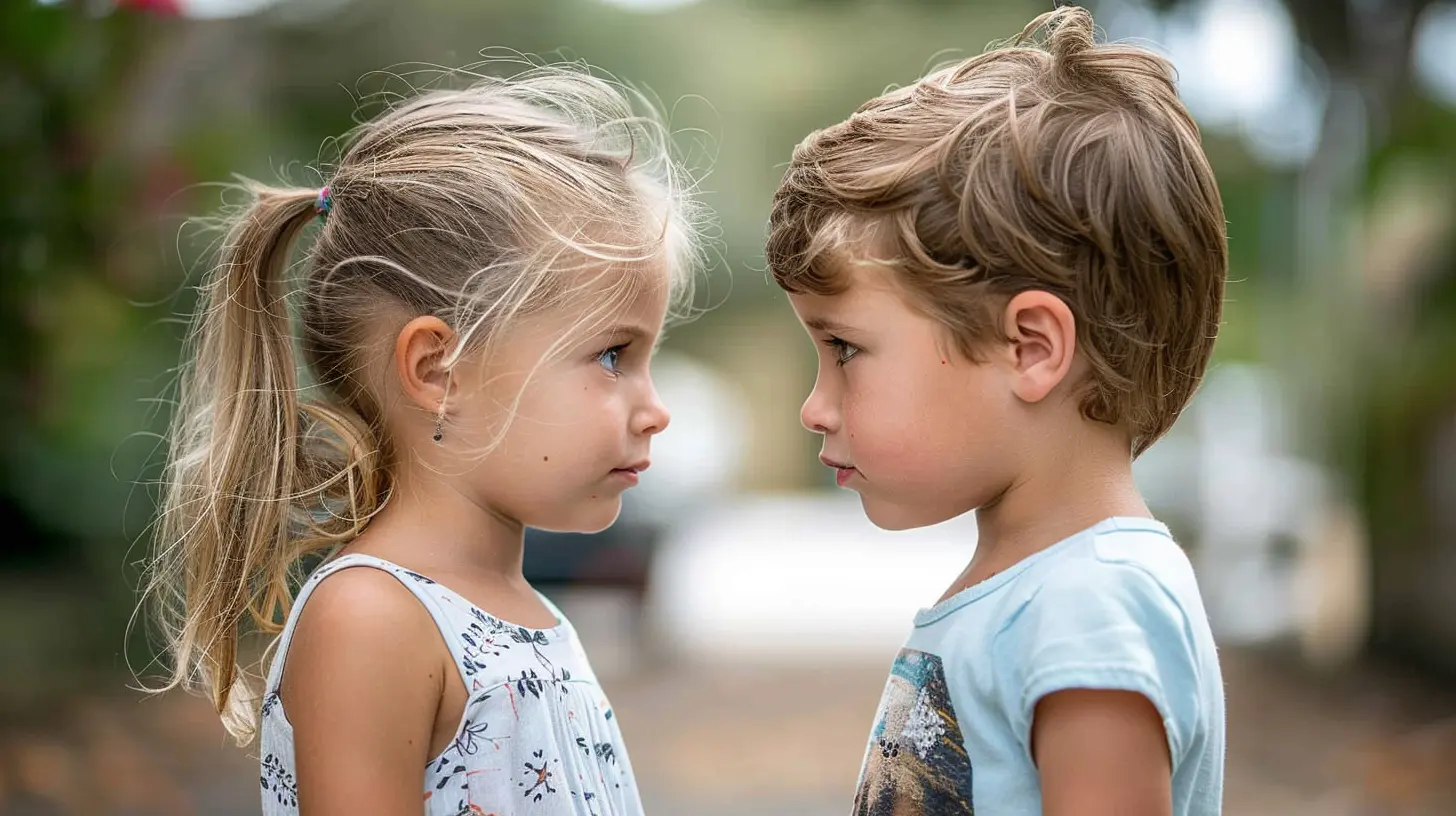
So, What Should You Do Instead?
Now that we know jumping in every time isn’t ideal, let’s talk about what does work. Here are some real-life, practical strategies you can use starting today.1. Set Clear Ground Rules Ahead of Time
Before the next fight breaks out, talk about what kind of behavior is—and isn’t—acceptable. Make sure your kids know that hitting, name-calling, or stealing toys are off-limits. Think of this like setting the rules of the game before the buzzer goes off.Involve them in creating these rules. When kids have a hand in shaping the boundaries, they feel more ownership about respecting them.
👉 Example: “Let’s make a family agreement: We use kind words, keep our hands to ourselves, and ask before borrowing.”
Write them down. Put them on the fridge. Refer back when needed. It helps build consistency and accountability.
2. Encourage Problem-Solving Skills
You want your kids to be able to sort things out on their own, right? Teach them how.When a conflict arises, resist the urge to swoop in immediately. Instead, guide them through solving it.
Ask questions like:
- “How do you think your sibling felt when you did that?”
- “What can you both do so this doesn’t happen again?”
- “Can you come up with a solution together?”
Challenge them to brainstorm fair solutions. At first, they might need support. But over time? They’ll surprise you with how maturely they can work through things—especially when they know you’re not going to play judge every time.
3. Stay Neutral—but Emotionally Present
Picture this: Two kids run up to you in tears. One is screaming that the other ruined their drawing. The other insists it was an accident. What do you do?Step one: Stay calm (even if you want to scream into a pillow). Step two: Be emotionally present without taking sides.
Try something like: “Sounds like both of you are upset. Let's take a breather and talk one at a time.”
This doesn't mean you ignore serious behavior. But take on more of a “coach” role than a referee one. You're not there to hand out penalties; you're there to guide them toward better plays next time.
4. Create Opportunities for Bonding
Sometimes, sibling rivalry gets worse because kids don’t feel close. They’re constantly competing—for space, for attention, for power.Counter that by intentionally creating opportunities for connection.
- Let them work on projects together (baking cookies, building a Lego set).
- Plan “sibling dates” where they get to do something fun—without you directing every move.
- Point out positive interactions: “I noticed you shared your toy earlier—that was really kind.”
Positive reinforcement is a seriously underrated parenting tool. Catch them getting along, and celebrate it like they just climbed Mount Everest.
5. Give Individual Attention
Sibling rivalry often stems from a simple place: wanting you all to themselves.Make time for each child individually. Even 10-15 minutes of one-on-one connection daily can make a huge difference. That “special time” helps refill their emotional tanks so they’re less likely to lash out at siblings for attention.
Let them choose the activity. No distractions. Just you and them. Quality over quantity.
6. Teach Emotional Literacy
Ever get into a fight just because you’re having a bad day but don’t know how to say it? Kids are no different.Help them put names to their feelings. The more they understand their own emotions, the better they’ll be at managing them.
Use tools like emotion charts, storybooks, or simply label feelings during conflict:
- “You look disappointed. Did it hurt your feelings when your brother didn’t let you join in?”
- “You seem frustrated. Want to talk about what’s going on?”
When kids can recognize and verbalize their emotions, they’re less likely to let them explode all over their siblings.
7. Model the Behavior You Want to See
This one’s huge. Kids are always watching. If they see us yelling when we’re angry, how can we expect them to calmly discuss their issues?Show them what respectful disagreement looks like. Apologize when needed. Use “I” statements. Handle conflicts with your partner or others calmly.
Your actions set the tone for your family’s “emotional climate.”
8. Know When to Step In (And When to Step Back)
There’s a difference between letting kids figure it out and ignoring real issues.Step in if:
- One child is being physically or emotionally harmed.
- There’s a clear power imbalance (older child always dominating younger one).
- Things start escalating quickly with no attempt at compromise.
But if it’s just bickering over who got the bigger dessert slice? Take a deep breath. Let them work it out. It’s okay for kids to be uncomfortable sometimes. Conflict builds resilience—if we let it.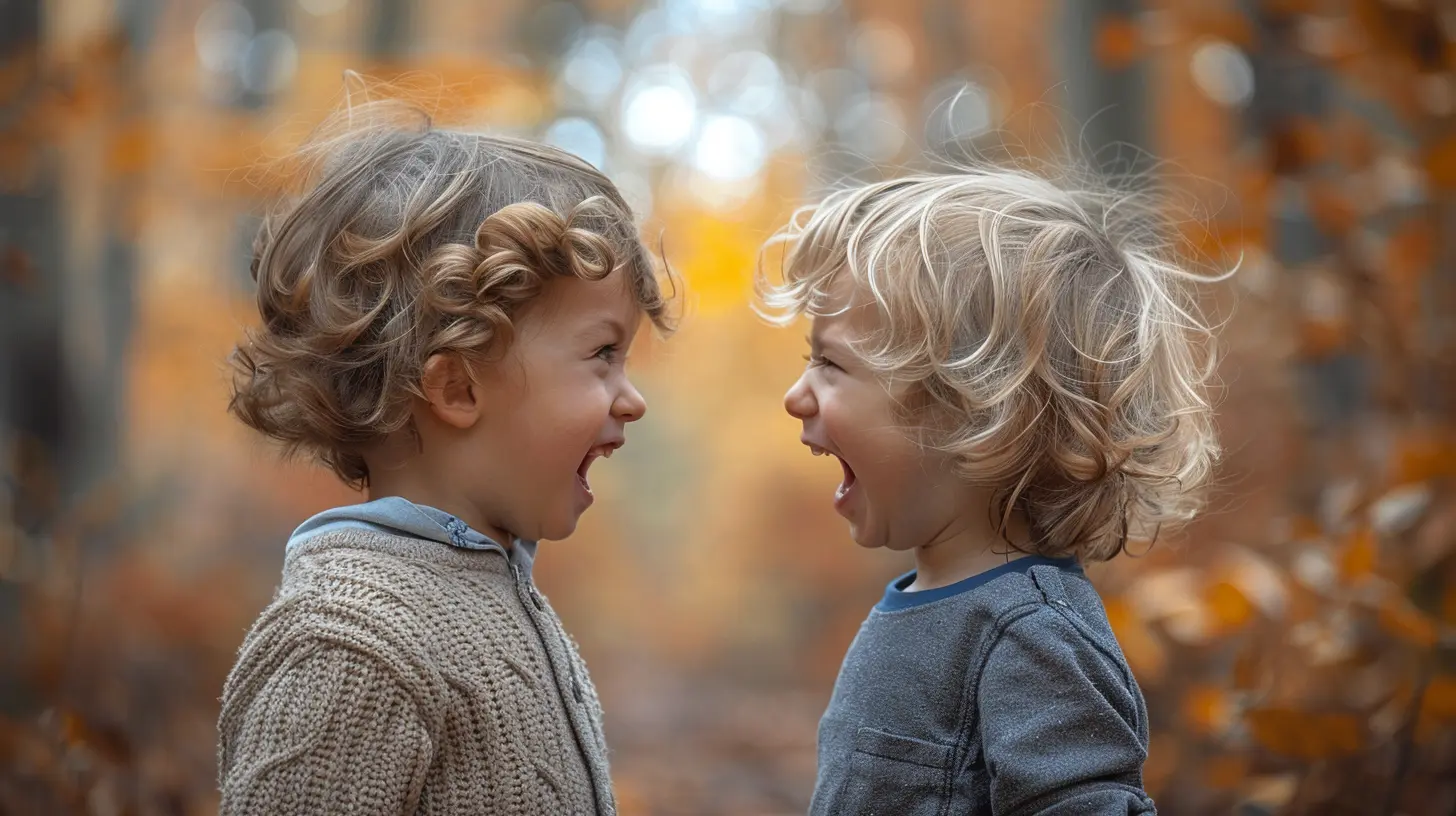
The Long Game: Raising Siblings Who Respect (Even If They Don’t Always Like) Each Other
Listen, it’s unrealistic to think your kids will get along 100% of the time. Heck, most adults can’t do that. But your goal isn’t perfect peace—it’s progress.You want your kids to:
- Feel heard and understood.
- Learn how to voice their needs respectfully.
- Practice forgiveness and empathy.
- Understand that conflict is a part of life—and they have the tools to handle it.
It’s not just about keeping the noise level down in your house. It’s about teaching lifelong skills that’ll serve them in friendships, workplaces, and eventually… maybe with their own kids.
Final Thoughts: You’re Not Failing—You’re Growing
If sibling rivalry feels overwhelming at times, give yourself grace. You're navigating a complex dynamic, and while there’s no magic wand, there are tools and strategies that help.You don’t need to break up every fight. You don’t have to mediate every disagreement. You’re not a referee—you’re a parent raising emotionally intelligent, compassionate humans. And that’s way more powerful.
So next time your kids start sparring over something trivial? Take a step back. Let them flex those conflict resolution muscles. Support, guide, and trust in the process.
Your sanity—and your children’s future relationships—will thank you.
all images in this post were generated using AI tools
Category:
Sibling RivalryAuthor:

Karen Hurst
Discussion
rate this article
2 comments
Cypher Wolf
Great insights! Encouraging kids to resolve their conflicts fosters independence and helps them develop essential problem-solving skills. Integrating activities that involve teamwork can also strengthen their bond. Remember, guiding them through disagreements is key to building a harmonious sibling relationship.
December 20, 2025 at 5:35 AM
Karen Hurst
Thank you! I completely agree—encouraging independence and teamwork is crucial for fostering healthy sibling relationships. Your insights highlight the importance of guidance in conflict resolution.
Cash McMahon
Embrace the chaos! Sibling rivalry is a natural part of growing up. Encourage independence and communication—let them resolve conflicts and grow stronger together.
December 12, 2025 at 5:17 AM
Karen Hurst
Absolutely! Encouraging independence and open communication allows siblings to navigate their own conflicts and strengthens their bond in the process.