How to Help Your Child Make New Friends at School
16 August 2026
Starting a new school year—or a new school altogether—can be exciting, but let’s be honest, it can also make any kid’s stomach twist into knots. Whether your child is the shy type or just struggling to find their tribe, making new friends isn’t always easy. As a parent, it’s natural to want to swoop in and fix it, but friendship isn't something we can hand to them like a new backpack. It takes time, opportunity, and confidence.
In this article, we're going to chat about how to help your child make new friends at school without turning it into a forced or awkward experience. So grab a coffee, relax, and let’s walk through this together.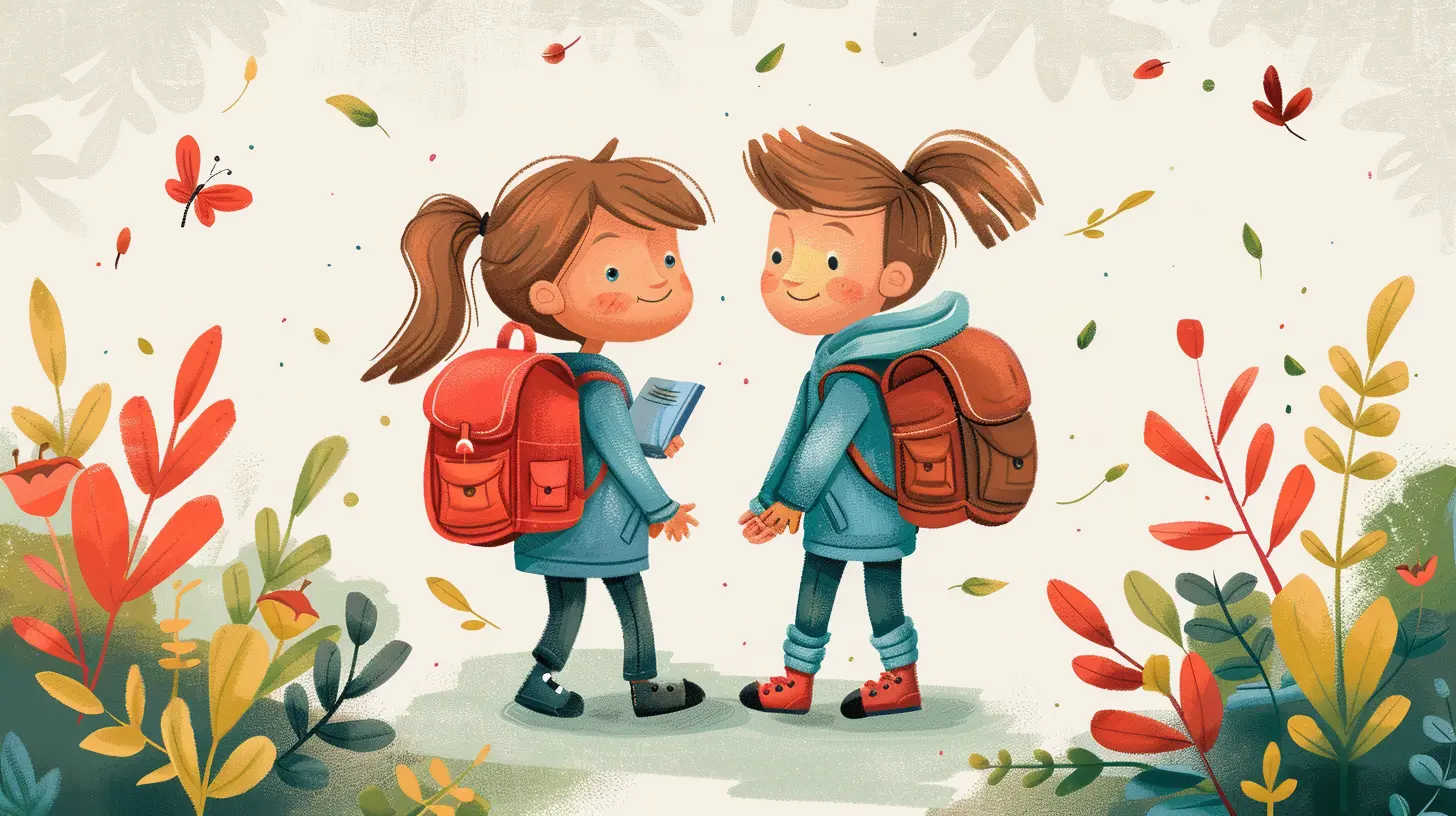
Why Friendships Matter in Childhood
Friendships do more than just fill up a lunch table or playground game. They build social skills, boost self-esteem, and help kids feel like they belong. When your child has a friend—or even just someone to say “hi” to in the hallway—it can transform how they feel about school.Friendships teach important life lessons: how to solve conflicts, share, empathize, and stand up for themselves. School can feel like a big, overwhelming place, but having even one friend can make it feel a whole lot smaller and safer.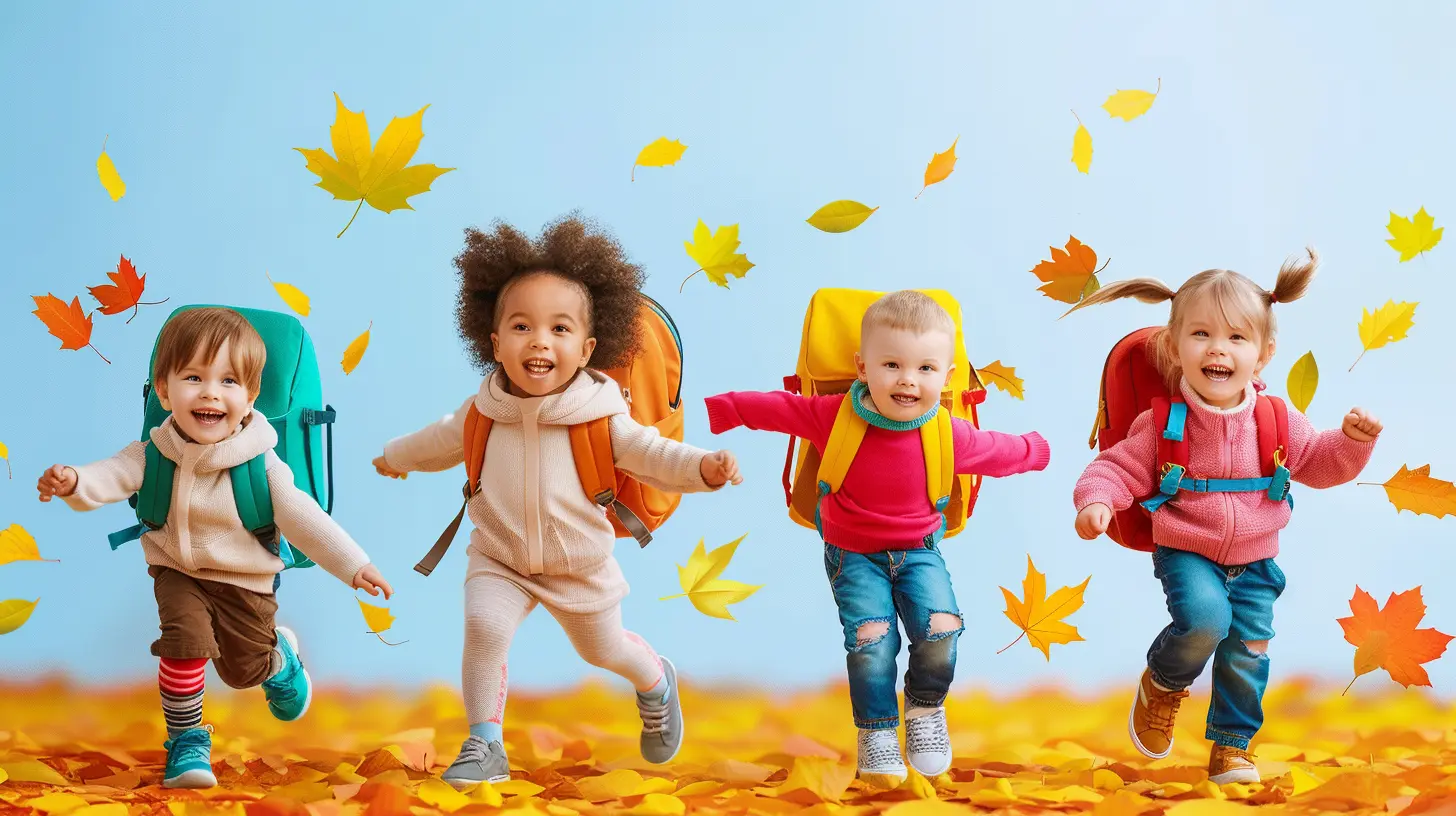
Spot the Real Issue First
Before you jump into helping mode, take a step back and ask yourself: Why is my child having trouble making friends?Is it that…
- They’re shy and introverted?
- They just changed schools?
- They had a falling out with old friends?
- They’re lacking social skills?
- They’re nervous or anxious?
The "why" really matters. Once you figure out the root cause, you’ll be in a better position to help in the right way.
Open Up Real Conversations
Now’s the time to talk—but not like a lecture. Kids shut down fast when they feel like they're being judged or quizzed. Keep it casual. Talk during a car ride, at bedtime, or while doing something together.Try questions like:
- “Who did you sit with at lunch today?”
- “Did anyone new join your class? What're they like?”
- “Is there someone at school you’d like to be friends with?”
Be curious, not pushy. And most importantly—listen more than you talk.
Share Your Own Stories
Kids love to hear that their parents were once awkward, too. Share a time when you were the new kid or had a tough time fitting in. Maybe you were nervous to ask someone to play or got left out once.Personal stories make things relatable. They show that friendship challenges are normal—and survivable. Plus, it helps your child feel less alone.
Teach (Don’t Preach) Social Skills
Friendly kids aren’t born—they’re taught. Social skills are something we practice, like riding a bike or solving math problems.Here’s how you can help:
- Role-play conversations: Practice how to introduce themselves or ask to join in a game.
- Teach body language: Eye contact, smiling, and standing with open body posture work wonders.
- Teach listening: Encourage them to listen more than they talk, and ask others questions.
- Encourage empathy: Help them imagine how others feel. This builds kindness, which attracts friends naturally.
Make it fun. Practice these skills through games or pretend situations. Keep it light so it doesn’t feel like homework.
Encourage Activities Outside the Classroom
Friendships often grow faster when kids are doing something they enjoy. Encourage your child to join clubs, sports teams, or after-school programs. They're amazing for connecting with kids who share similar interests.Not into sports? Look for:
- Art classes
- Lego clubs
- Music lessons
- Science camps
- Chess clubs
- Theater groups
Even once-a-week group activities can lead to meaningful friendships that spill over into school time.
Set Up Playdates (the Low-Key Way)
Ah, the good old playdate. But for school-age kids, it’s more about “hanging out.”Start with one-on-one time. Invite a classmate over for an activity like:
- Baking cookies
- Playing video games
- Doing a craft
- Watching a movie
Keep it short and sweet at first—an hour or two tops. And don’t force it if your child isn’t into the idea. Instead, casually suggest it and help coordinate if they're on board.
Also, don’t underestimate the power of texting another parent and breaking the ice. Sometimes kids need a nudge (and a calendar) to make it happen.
Stay Positive (Even When It’s Tough)
When your child comes home feeling left out, it can really tug at your heart. But your reaction matters big time.Try not to overreact or make it a bigger deal than it already feels to them. Instead, validate their feelings:
- “That sounds really tough.”
- “I’d feel upset, too.”
- “Thanks for telling me. I’m here for you.”
Then, gently steer the conversation toward problem-solving. Ask them what they think might help. Empower them to take small steps, rather than promising to fix everything.
Keep the Door Open to New Friendships
Help your child understand that friendships come in all shapes and sizes. They don’t need ten best friends. One or two good friends can truly be enough.Teach them to be open-minded. Sometimes, the kid who seems really different might be a great friend once they get to know each other.
Have conversations about kindness and inclusion. Encourage your child to be the one who includes others. Being friendly often attracts friendship in return.
Watch Out for Red Flags
Some social struggles are normal. But sometimes, the issue goes deeper. Keep an eye out for signs of bullying, anxiety, or low self-esteem, like:- Withdrawal from activities they used to love
- Refusing to go to school
- Changes in sleep or appetite
- Talking negatively about themselves
- Crying frequently over social stuff
If you spot these signs and they’re persistent, reach out to your child’s teacher, school counselor, or a child therapist. You don’t have to handle it alone.
Be Patient—Friendship Takes Time
Making a new friend isn’t like flipping a switch. It can take weeks—even months—for real connections to form. And there may be bumps along the way.Remind your child that friendships grow slowly, just like plants. You plant the seed (by being kind, showing interest, etc.), but it takes time, light, and care to actually bloom.
Celebrate the little wins: a smile from a classmate, sitting next to someone new, or just saying “hi” at the right moment. These tiny steps are actually huge.
Model Good Social Behavior Yourself
Yes, your kids are watching you—even when you think they’re not. If you want them to be friendly, open, and kind, show them how it’s done.Let them see you say hello to neighbors, chat with the cashier, or reconnect with old friends. If they see you making an effort with people, they’ll learn from it.
You could even say something like, “I always feel a little nervous meeting new people, but I try to smile and ask questions. It helps break the ice.”
That simple insight teaches them that even adults have to work at it sometimes.
Encourage Gratitude for the Friends They Do Have
Sometimes, kids get caught up chasing the “popular” kids, thinking that’s where the best friendships are. Help them see and appreciate the real friends in their life—no matter who they are.Talk about what makes a good friend: kindness, loyalty, fun, someone who listens. These are the traits that matter more than popularity or being the best at a sport.
Encouraging gratitude not only helps them strengthen existing bonds, but makes them more likely to attract other great friends.
Create a Home That’s Friendship-Friendly
Make your home feel like a welcoming spot for your child’s friends. Keep snacks on hand, have games or crafts ready, and create a vibe that says, “You’re welcome here anytime.”You don’t need a Pinterest-perfect space—just an open heart and a little flexibility.
When kids feel comfortable hanging out at your place, the bonds tend to deepen. And you get an extra perk: you get to know your child’s friends better.
Final Thoughts
Helping your child make new friends at school isn't about fixing them—it's about guiding, supporting, and encouraging them to build the skills and confidence they need on their own.Stay patient. Be a good listener. Celebrate small victories. And trust that with your love and support, your child will find their people.
Everyone needs a friend. And with your gentle help, your kid will find theirs, too.
all images in this post were generated using AI tools
Category:
Back To School TipsAuthor:

Karen Hurst