How to Help Your Child Navigate Peer Pressure at School
24 January 2026
Peer pressure is an inevitable part of growing up. Kids want to fit in, be accepted, and avoid feeling like outsiders. While some forms of peer pressure can be positive—like encouraging your child to try a new hobby or study harder—others can be dangerous, leading to risky behavior, poor decision-making, and even a loss of self-confidence.
As parents, we can't shield our children from peer pressure entirely, but we can give them the tools to handle it with confidence. So, how can we help our kids stand their ground while maintaining their friendships? Let’s dive in.
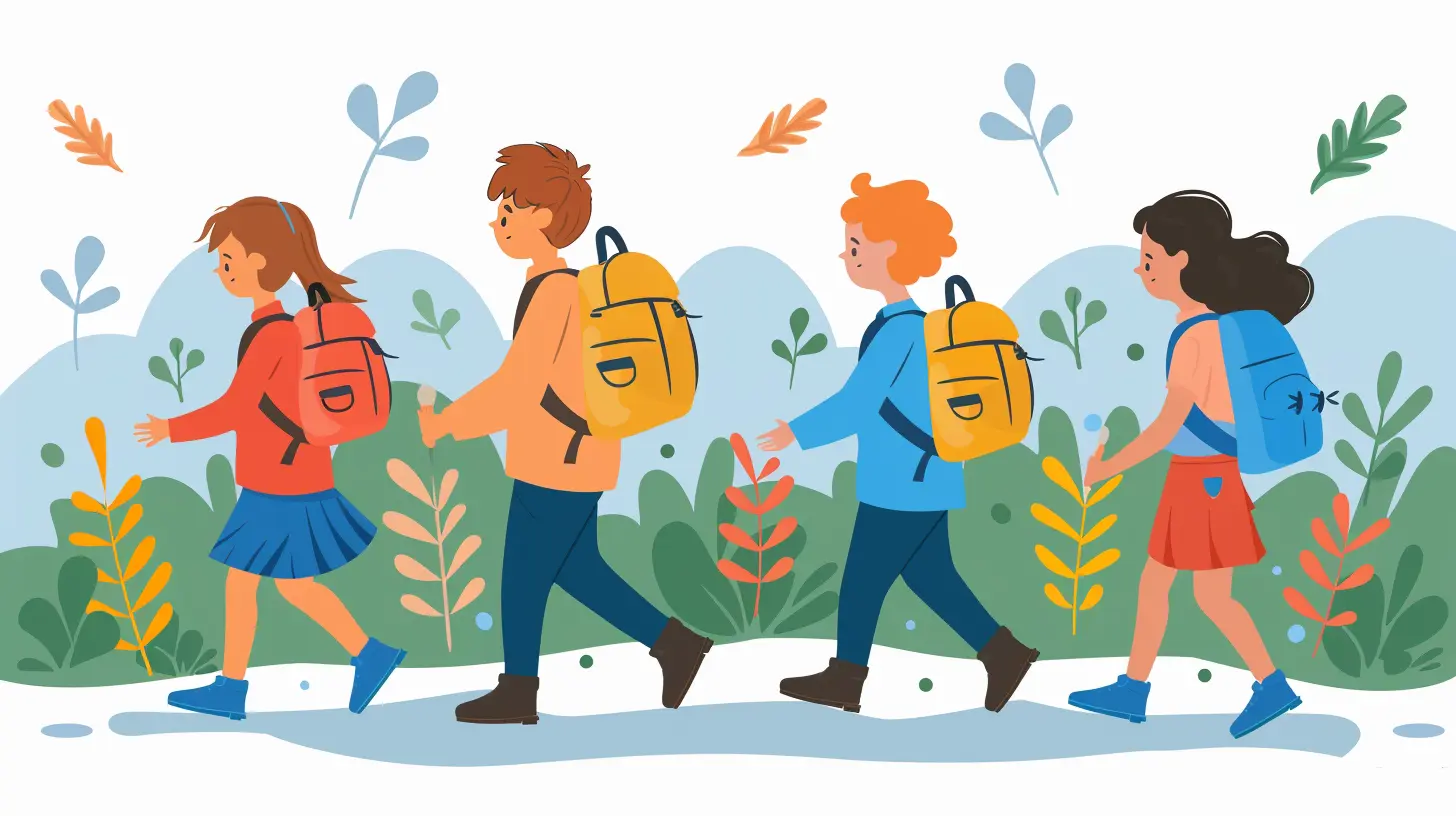
Understanding Peer Pressure
Before tackling how to help your child, it’s essential to understand what peer pressure is and how it works.
What is Peer Pressure?
Peer pressure happens when kids feel influenced—either directly or indirectly—to behave a certain way in order to gain acceptance from their peers. It can be:- Positive – Encouraging healthy habits like studying, exercising, or avoiding bad behavior.
- Negative – Pressuring someone to engage in harmful activities, such as bullying, substance abuse, or skipping school.
Types of Peer Pressure
Peer pressure isn't always as straightforward as a classmate telling your child to do something. It can come in different forms:1. Direct Pressure – Someone explicitly telling your child to do something.
2. Indirect Pressure – Feeling the need to conform based on observing others.
3. Spoken Pressure – Verbal encouragement or teasing to push your child into making a choice.
4. Unspoken Pressure – The silent influence that comes from simply wanting to fit in.
Now that we understand peer pressure, let's get into how you can help your child deal with it.
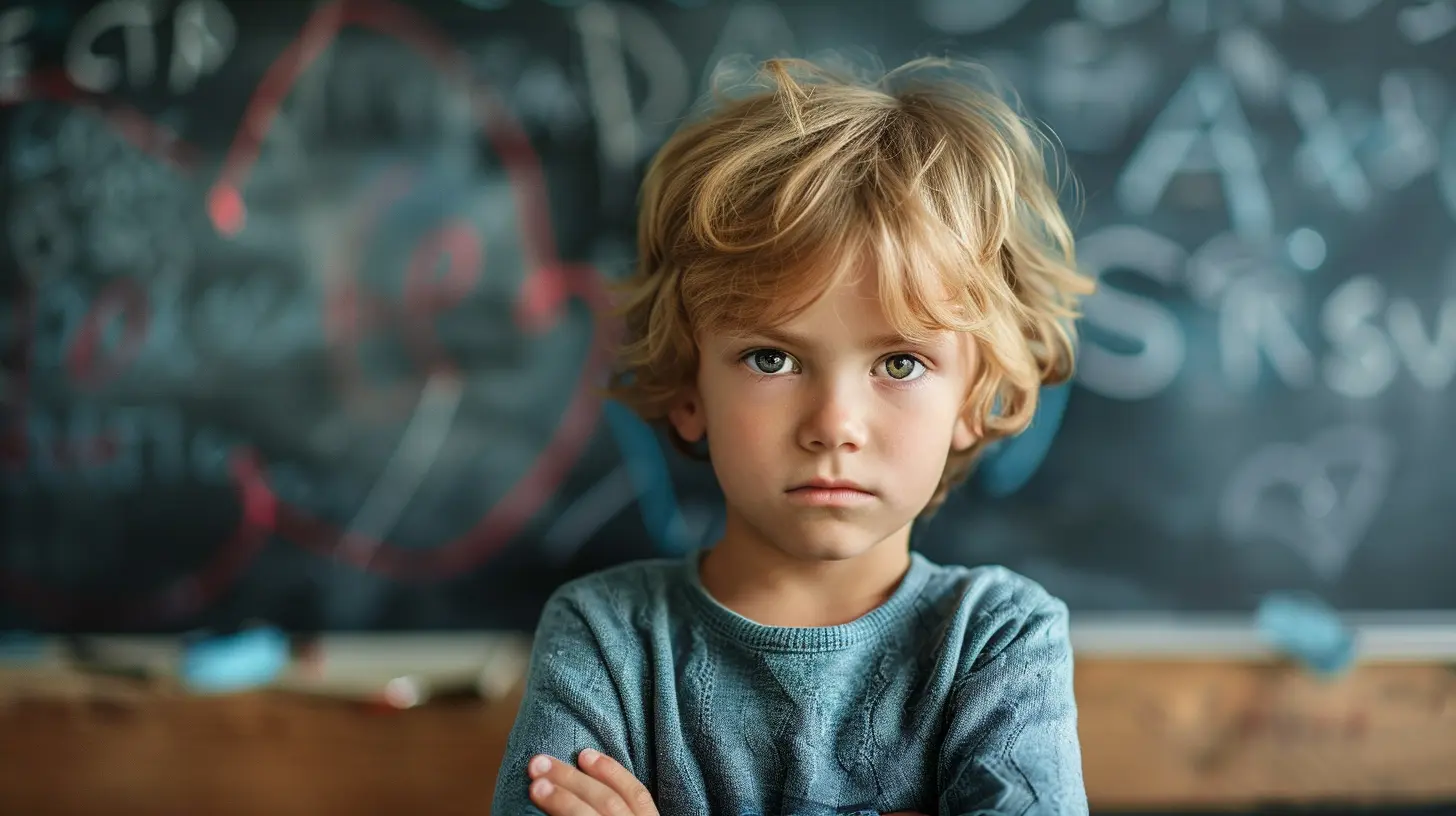
How to Help Your Child Navigate Peer Pressure
Kids won’t always come to you and say, "Hey, I’m struggling with peer pressure." That’s why it’s important to equip them with the skills to handle it before the situation arises.1. Build Their Confidence
Confident kids are less likely to cave under pressure. When children believe in themselves, they don’t feel the need to seek constant approval from others.- Praise their achievements, big or small.
- Encourage them to make decisions early on, even in minor situations like choosing their clothes or planning their day.
- Model self-confidence by standing firm in your own choices as a parent.
2. Teach the Power of Saying "No"
Sometimes, kids feel like they have to agree just to avoid awkwardness or rejection. But saying "No" is a powerful skill.- Teach them different ways to say no politely but firmly.
- Role-play scenarios where they practice saying no.
- Let them know it’s okay to walk away from a situation that doesn’t feel right.
A simple response like "No thanks, I’m good" or "That’s not really my thing" can work wonders.
3. Encourage Open Communication
Your child should feel comfortable coming to you when they’re struggling with peer pressure.- Ask open-ended questions – instead of "Did you face peer pressure today?" try "What was the best and worst part of your day?"
- Listen without judging – If your child admits to giving in to peer pressure, resist the urge to scold. Instead, discuss what they can do differently next time.
- Share your own experiences – If you faced peer pressure as a kid, tell them how you handled it (or even how you wish you had handled it).
4. Help Them Identify True Friendships
Not everyone who calls themselves a "friend" truly has your child’s best interests at heart. Teach your child to recognize healthy friendships versus toxic relationships.- Good friends support and respect choices.
- Toxic friends make them feel bad for not going along with the group.
Encourage them to spend time with kids who respect their boundaries and make them feel good about themselves.
5. Teach Critical Thinking Skills
Kids who can think critically about situations are less likely to go along with bad decisions just because "everyone else is doing it."Encourage them to ask themselves:
- "What are the consequences if I do this?"
- "Will I regret this later?"
- "Would my parents approve of this decision?"
6. Set Clear Expectations and Boundaries
Let your child know where you stand on important issues like drugs, alcohol, and bullying. When kids understand their parents’ values, they're more likely to pause and think before making a reckless decision.- Discuss real-life examples of peer pressure and what they can do.
- Set rules, but explain why they exist (e.g., "We don’t tolerate bullying because everyone deserves respect").
7. Encourage Healthy Outlets
Kids who are engaged in positive activities are less likely to seek validation through risky behavior. Encourage them to:- Join sports teams or clubs.
- Explore hobbies like music, art, or writing.
- Spend quality time with family to build a strong support system.
8. Be a Role Model
Children learn behaviors by watching their parents. If you cave to peer pressure as an adult (e.g., saying yes to things you don't want to do), your child may follow suit.- Stand by your choices, even when it’s uncomfortable.
- Show them that being different is okay.
9. Teach Them Exit Strategies
Sometimes, just saying no isn’t enough. Teach your child different ways to exit a sticky situation.- The Buddy System – Have a trusted friend who shares the same values.
- Blame Parents – "My mom would ground me forever if I did that!"
- Fake an Obligation – "Sorry, I have to get home early for a family thing."
Having these strategies in their back pocket can help them escape tough situations.
10. Monitor Without Hovering
It’s a fine line between being an involved parent and hovering like a helicopter. You want to keep an eye on your child’s social life without being overbearing.- Get to know their friends.
- Stay involved in school activities.
- Follow their social media (but respect their privacy).
When kids feel like you trust them, they’re more likely to come to you willingly when they need guidance.

Final Thoughts
Peer pressure is a challenge that every child will face at some point. But with the right tools—confidence, critical thinking, a strong support system, and the ability to say no—your child can navigate it successfully.As parents, we can’t fight every battle for them, but we can equip them with the armor they need to stand tall, make good choices, and be true to themselves. And that? That’s the best gift we can give.
all images in this post were generated using AI tools
Category:
Back To School TipsAuthor:

Karen Hurst
Discussion
rate this article
2 comments
Faenor Reese
Empower them to choose their path!
February 11, 2026 at 5:28 PM
Karen Hurst
Absolutely! Encouraging children to make their own choices builds confidence and resilience.
Thaddeus McLanahan
Empowering children with strong values and open communication fosters resilience against peer pressure, enabling them to make authentic choices and build healthy relationships at school.
January 24, 2026 at 5:09 PM
Karen Hurst
Absolutely! Instilling strong values and encouraging open communication are key strategies that help children confidently resist peer pressure and develop meaningful connections with others.