How to Set Up an Engaging Play Space at Home
27 July 2026
Let’s be real for a second — setting up a play space at home sounds easy in theory. Just toss in a few toys, maybe a bean bag, and boom — the kids are busy. Right? Not quite.
Creating a truly engaging play space takes a bit more thought, but the payoff? Totally worth it. We’re talking fewer meltdowns, more independent play, and moments of actual peace and quiet. So, if you're on a mission to transform a dull corner of your house into a kids' paradise, keep reading. I’ve got your back.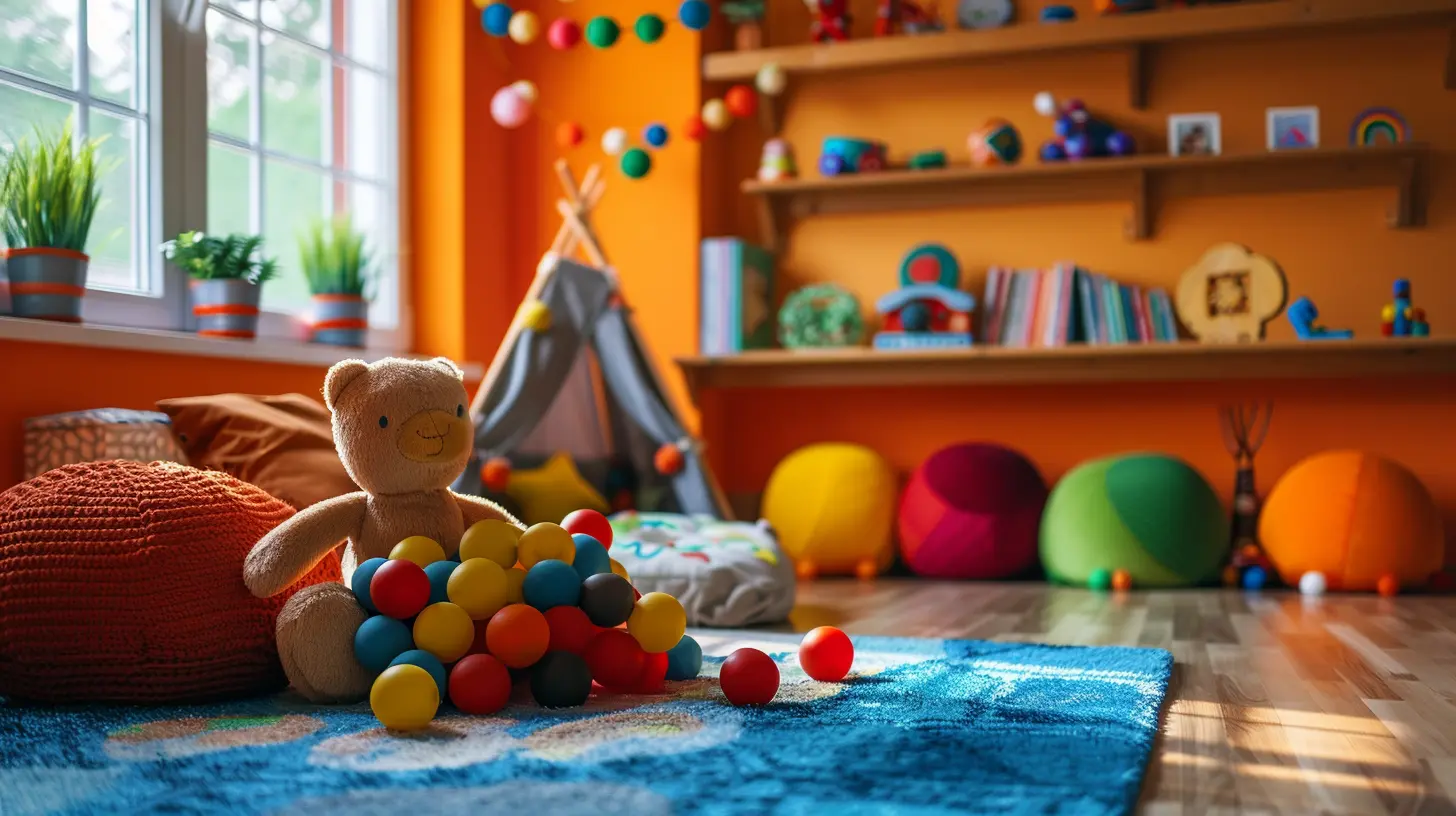
Why a Play Space Matters
Before we dive into the how – let’s talk about the why for a minute.Kids need a space that's just for them. It’s not just about entertainment (though we all love a break while they’re happily playing). It’s about development. Creativity. Emotional growth. A well-set-up play area encourages problem-solving, imagination, fine motor skills, and even confidence.
When a play space is intentional, kids feel like it’s their domain. That alone can spark hours of joyful, focused fun. You're not just organizing toys — you’re creating a little world where they feel safe, stimulated, and free to be themselves.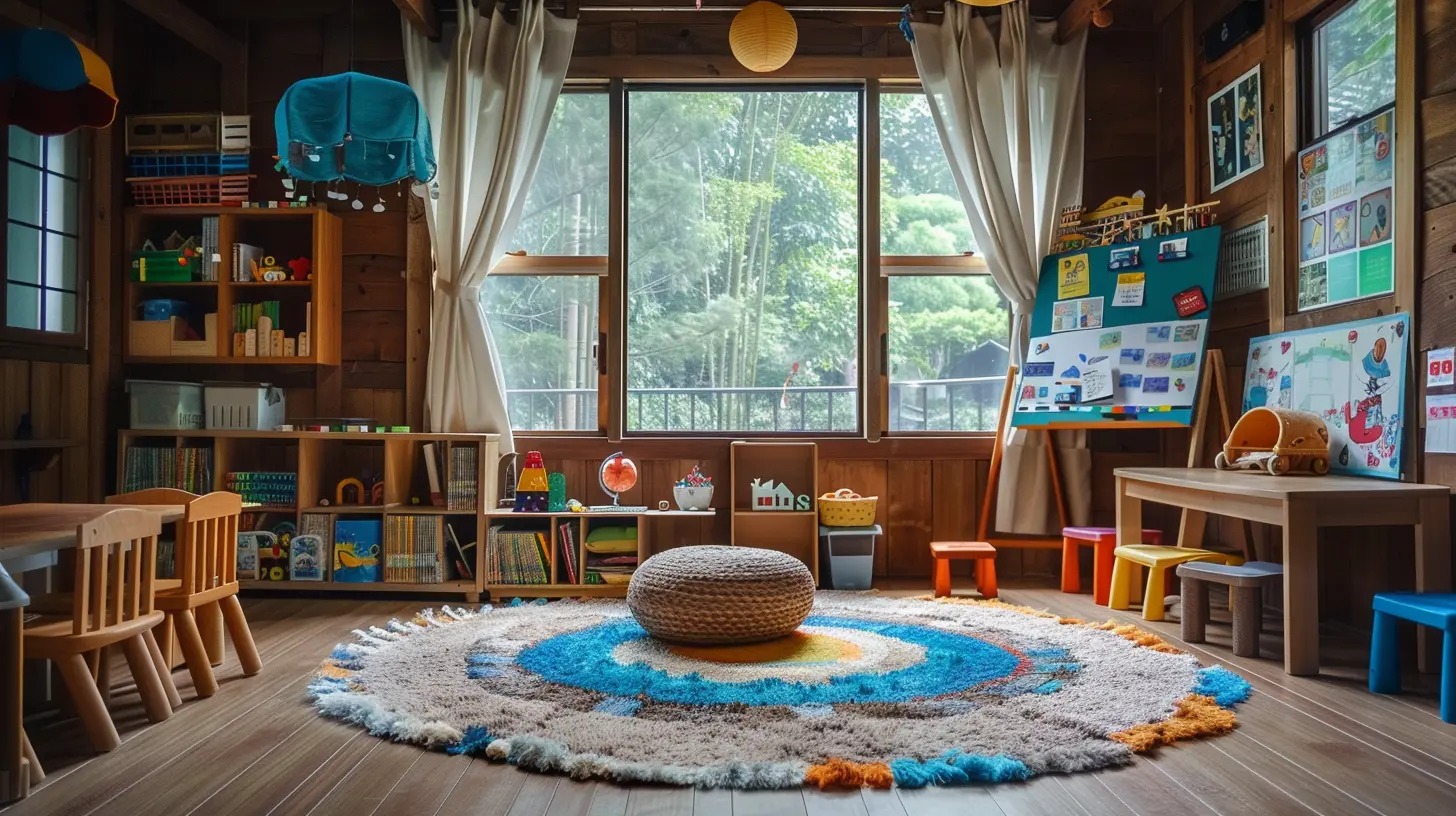
Step 1: Choose the Right Spot
You don’t need a whole room (although, awesome if you do). A corner of the living room, a section of the kid’s bedroom, or even part of the kitchen — any space can become magical with a bit of creativity.Here’s what to consider when picking the perfect spot:
- Visibility: Younger kids usually want to be near you. Keeping the play space within eyesight lets you supervise while still doing your thing.
- Natural Light: Sunshine = energy + better mood. Try to choose a location with some daylight.
- Noise Levels: A quieter spot can help kids focus, especially for activities like puzzles or reading.
Think of it like choosing the best stage for your little star’s performance.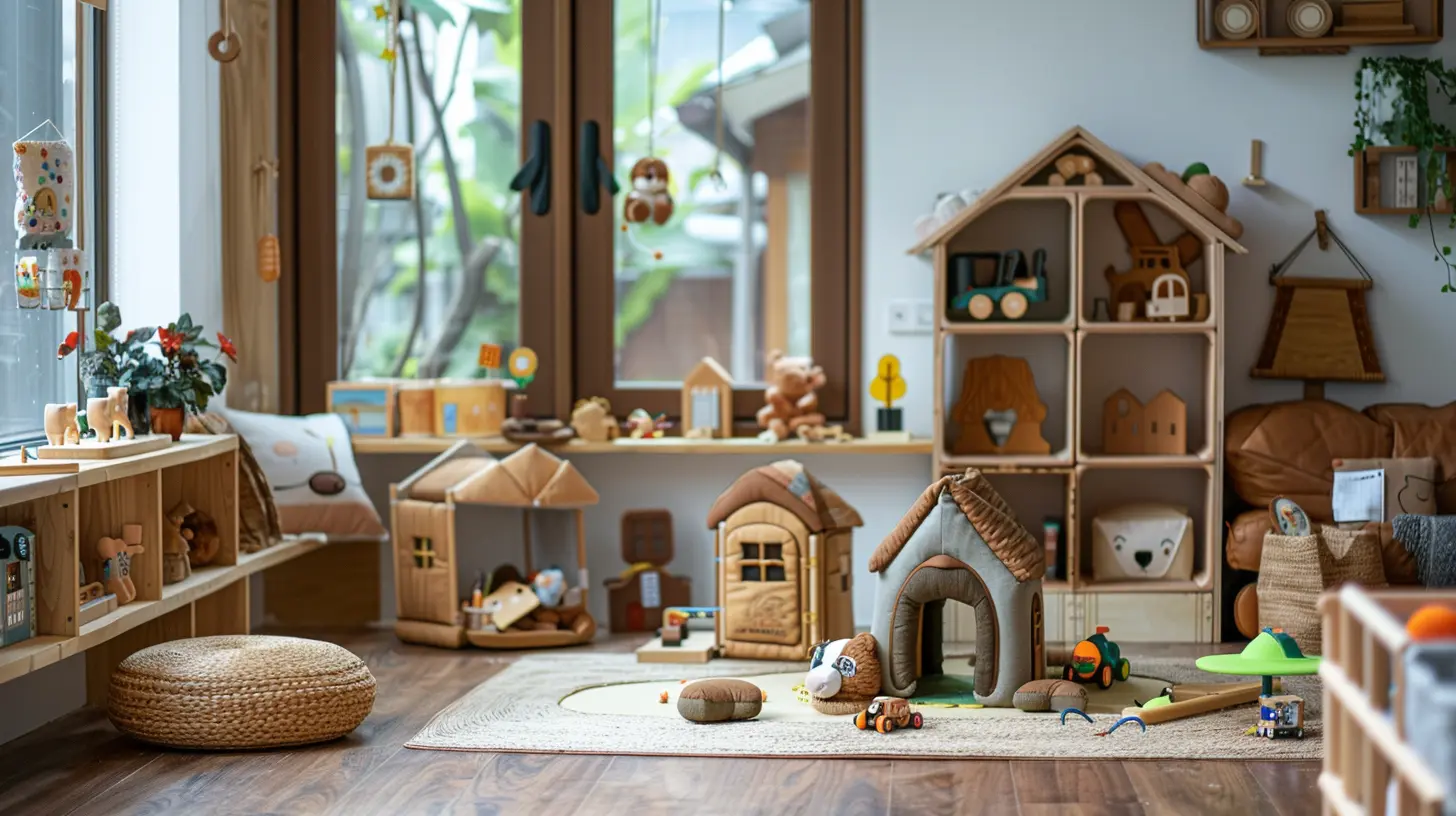
Step 2: Think Zones, Not Chaos
A play space shouldn’t feel like a toy tornado hit your house. Divide the space into play zones — simple, right?Depending on your child’s interests and age, here are a few ideas:
? Art Corner
A small table with crayons, paper, stickers, and washable markers. Use bins or caddies so everything has a spot. Bonus points if you hang a little gallery wall for their masterpieces.? Building Station
Have a basket of blocks, LEGO, or Magna-Tiles. Kids love constructing stuff — give them the tools and let them build their own worlds.? Reading Nook
Even if your kid’s still just chewing on board books, a cozy place to sit and flip through pages is a must. Think cushions, a small shelf, and soft lighting.? Pretend Play
Dress-up clothes, play kitchens, dolls, or stuffed animals — this is where imagination runs wild. A simple dress-up rack or toy kitchen can completely transform the area.Pro Tip: Rotate toys! Keep a stash hidden and swap them out every couple of weeks. Suddenly, the “old” stuff feels shiny and new again.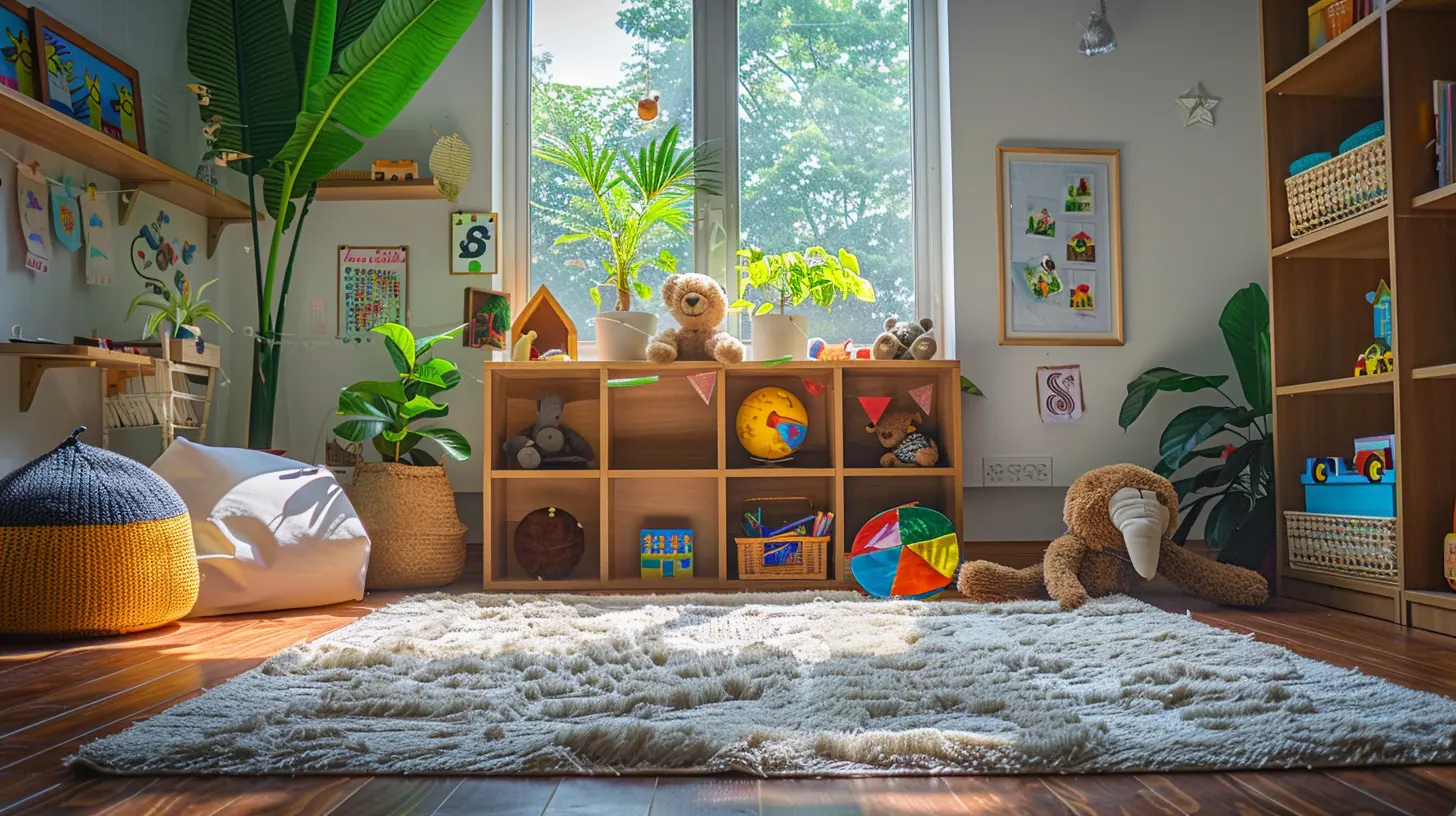
Step 3: Keep It Clutter-Free (Well… Mostly)
Listen, I’m a parent too. “Clutter-free” is a lofty goal, but a little strategy goes a long way.Use Storage That Kids Can Manage
- Clear containers = they can see what's inside- Labels with pictures = great for younger kids
- Low bins or baskets = easy access, easy clean-up
You want them to build independence. If every clean-up involves you doing all the work, it’s not working.
Less is More
Seriously. We tend to overload our kids with options and then wonder why they’re bored. Kids play longer and more creatively when they aren’t overwhelmed with choices.Try this: Limit the number of toys in the space. See how they respond. You might be surprised.
Step 4: Add Elements That Spark Creativity
Not everything in the play space needs to be a “toy.” Sometimes the best play happens with open-ended materials.A Few Inspiring Additions:
- A basket of scarves or fabric = endless role-play possibilities- Cardboard boxes = castles, cars, or whatever their little minds invent
- Recyclables = bits and bobs to build, glue, cut, and tape
Imagination doesn’t need to come in a shiny plastic package. Give them materials that can be anything — and watch the magic happen.
Step 5: Make It Cozy and Kid-Friendly
Kids like to feel comfortable, too! Think about how you can make the space feel inviting.- Soft Rugs: Great for floor play and just lying around.
- Pillows and Bean Bags: Snuggly spaces encourage calm, quiet moments.
- Kid-Sized Furniture: Tables, chairs, shelves — when kids can use it themselves, they’re more likely to stay engaged.
Oh, and make sure it’s safe. Bolt heavy shelves to the wall, cover sharp corners, and keep choking hazards out (if you’ve got a toddler in the mix).
Step 6: Add a Personal Touch
Let your child help decorate their space. It gives them ownership and pride.- Hang their artwork
- Let them choose a color theme
- Add their name or initials somewhere
The more it feels like “theirs,” the more time they’ll want to spend there.
Step 7: Engage in Play (Sometimes)
Yes, the goal is for them to play independently — but that doesn’t mean stepping out entirely. Spend time in the play space with them here and there. Model how to use the toys or explore new ways to play.You’re setting the tone. Often, a little parent involvement kickstarts deeper solo play later.
Step 8: Flex for Age and Stage
What works for a toddler won’t work for a 7-year-old — and vice versa.For Toddlers:
- Keep everything low and reachable- Use lots of sensory toys
- Safe chewing materials (because... yeah, everything goes in the mouth)
For Preschoolers:
- Add pretend play elements- Introduce more structured games
- Offer more craft supplies with supervision
For School-Age Kids:
- Quiet area for reading or homework- STEM kits, puzzles, and building materials
- Storage for “projects in progress”
As your child grows, keep adjusting the space to meet their needs and interests. It’s not one-and-done — it’s a work in progress.
Step 9: Play Outside the Box
Here’s your permission slip to break the “rules.” Your play space doesn’t need to look like a Pinterest board to work.Does your kid love dinosaurs and wants a jungle cave under the table? Awesome.
Is your living room slowly morphing into an obstacle course? That’s fine too.
You’re not building a showroom — you’re building a space that works for your unique child. Embrace the chaos (a little) and lean into what lights them up.
Step 10: Celebrate the Mess
I know, I know. It’s hard. You just cleaned up and five minutes later it’s a war zone again. But that mess? That’s learning in motion.Try to see the play space as a living, breathing part of childhood. It doesn’t have to be perfect to be powerful.
Set some boundaries (clean-up time, designated “messy” zones), but allow room for creativity, exploration, and yes — some good, old-fashioned chaos.
Final Thoughts
Setting up an engaging play space at home is about more than throwing toys in a basket. It’s about creating an environment that invites your child to explore, imagine, and grow. It doesn’t need to be expensive or huge — it just needs to be thoughtful and personal.And let’s be honest: when kids are really engaged in play, magic happens. They discover their world, explore new ideas, and give us a little room to breathe. That’s a win-win in any parenting book.
So go ahead — grab a corner, clear a few toys, and start setting up a space where your child can just be a child.
Trust me, they’re gonna love it. And honestly, so will you.
all images in this post were generated using AI tools
Category:
Playtime IdeasAuthor:

Karen Hurst