How to Teach Kids About Different Cultures Through Travel
15 August 2026
As parents, one of our greatest joys is watching our little ones grow up into well-rounded, responsible individuals. We want them to be kind, open-minded, and accepting of others—qualities that help them navigate the wonderful, diverse world around them. One of the best ways to instill these values in your kids is through exposing them to different cultures. And what better way to do this than through travel?
Why Travel is the Best Teacher
Sure, there are amazing books and TV shows that showcase various parts of the world, and you can even explore different cultures through local events. But there’s something uniquely impactful about actually visiting a place, smelling the scents, listening to the sounds, and tasting the foods. It’s like each new destination is a textbook—except instead of reading, your kids are experiencing it firsthand.But the question is: How do you, as a parent, teach your kids about different cultures during your travels? It’s not enough to just hop on a plane and visit another country. You want to make sure they’re not just tourists but also students of the world, absorbing the lessons each culture offers. Don’t worry, we’ve got you covered! Let’s dive into some strategies.
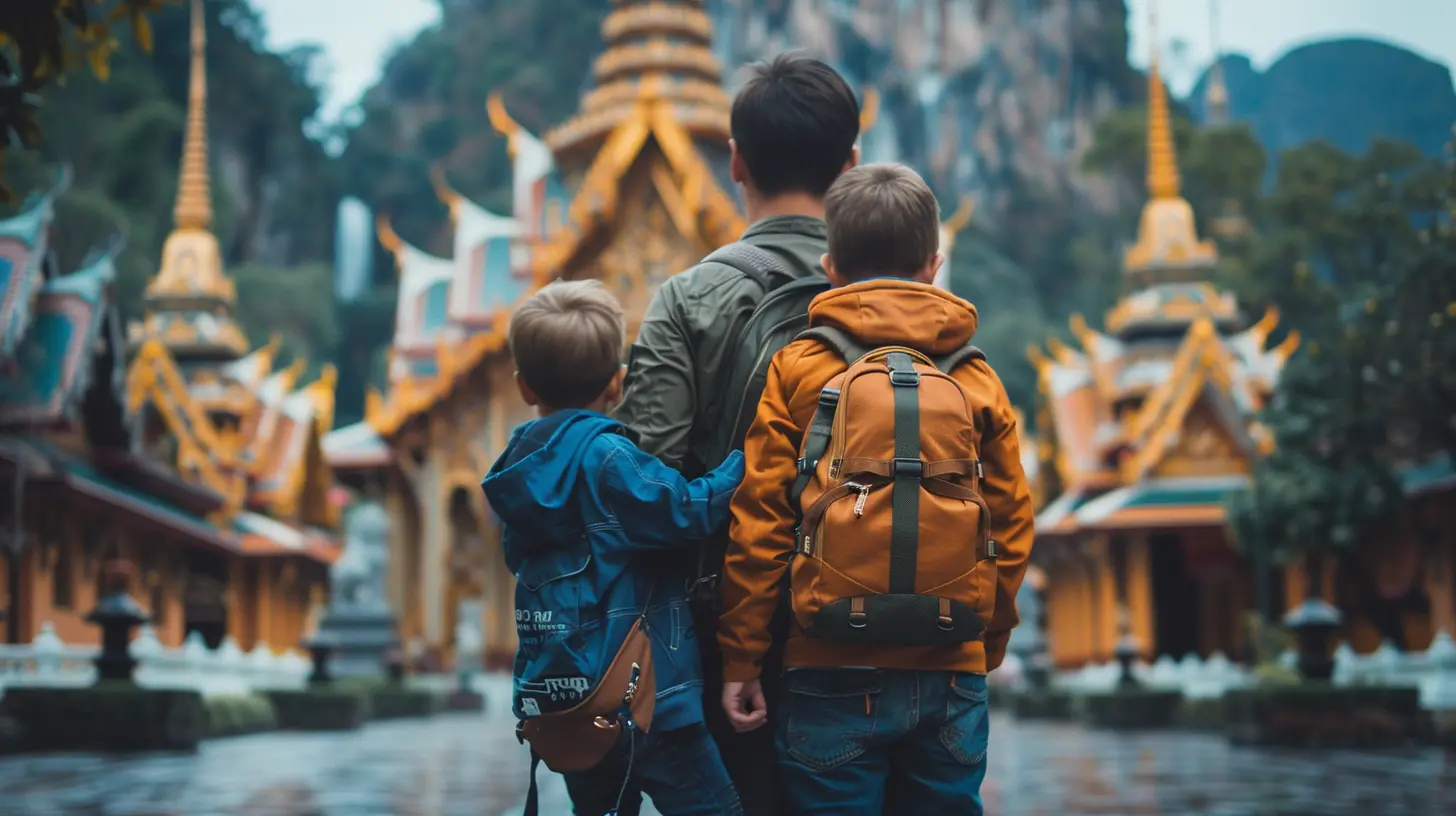
1. Set the Stage Before the Journey
Before you even pack your bags, it’s important to get your kids excited and curious about the place you’re going to visit. After all, curiosity is the gateway to learning. So how do you foster that?a. Explore Through Books, Videos, and Stories
It's no secret that kids are visual learners. Reading age-appropriate books or watching videos about the destination will help them familiarize themselves with its culture, traditions, and history. For instance, if you’re traveling to Japan, why not dive into a fun storybook about samurais or watch a short video on how sushi is made? These small actions will help your child feel more connected to the destination when they arrive.b. Learn a Few Words of the Local Language
You don’t need to become fluent in the language of the country you're visiting, but learning a few common phrases is always fun and rewarding. Simple greetings like “hello,” “please,” and “thank you” can go a long way. You can turn it into a family challenge and practice these phrases together before the trip! Imagine the joy on your child’s face when they’re able to say “gracias” to a local vendor in Spain, or “konnichiwa” to a passerby in Japan.c. Research Holidays and Festivals
Nothing explains a culture better than its festivals and celebrations. Before you go, research to see if there are any cultural festivals or public holidays during your visit. Explaining the background of these festivities helps kids understand the culture’s values, customs, and beliefs. By setting the stage, you’re ensuring that your kids are prepared to appreciate the world around them as soon as they step off the plane.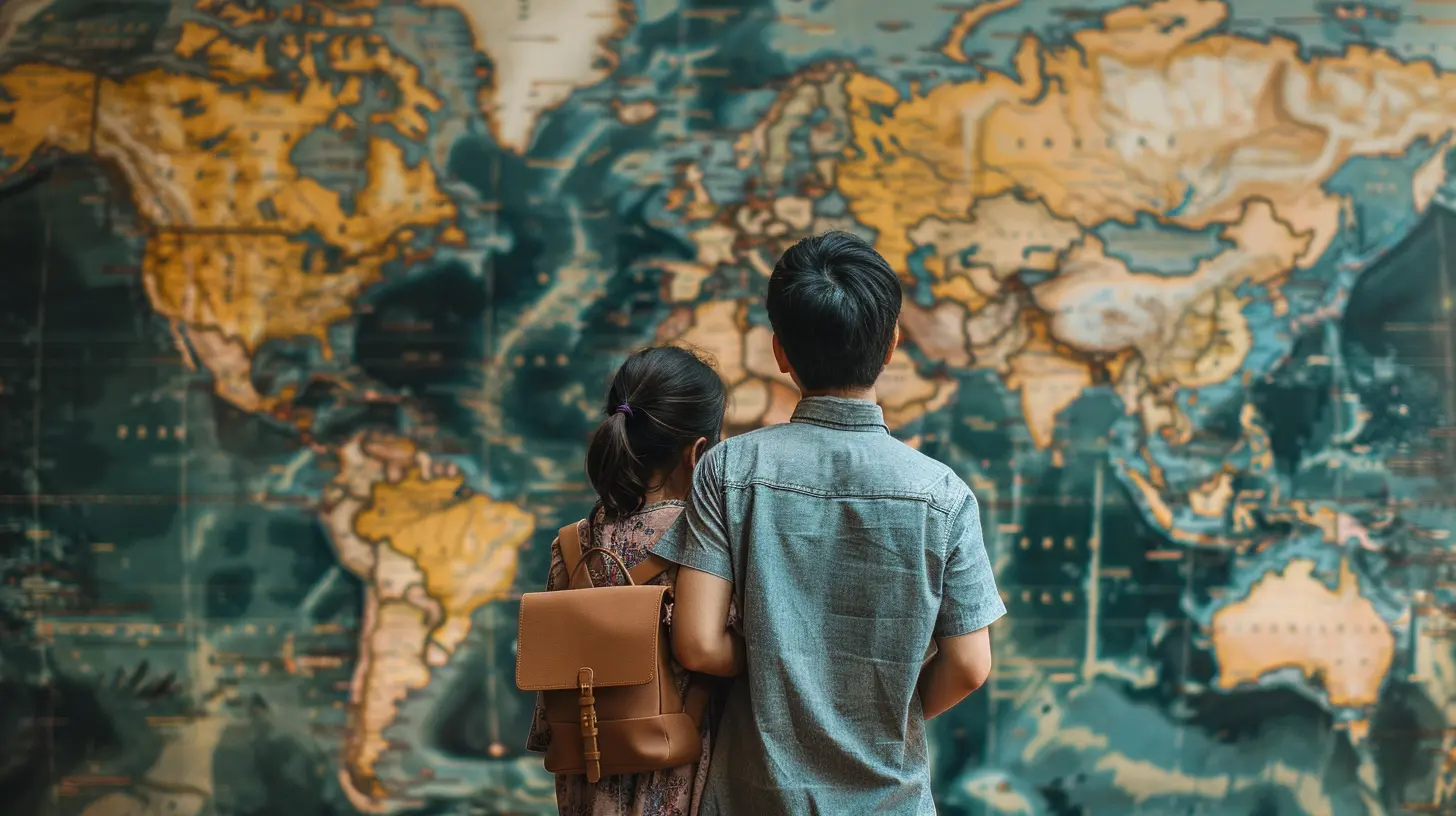
2. Immerse Them in the Local Lifestyle
Alright, you’ve arrived at your destination! Woohoo! But wait, don’t just stick to the touristy stuff. One of the best ways to teach kids about different cultures is by immersing them in the authentic, everyday life of the locals.a. Stay in Local Neighborhoods
Instead of booking a hotel in a major tourist hub, consider staying in a local neighborhood—whether that’s a cozy Airbnb or a family-run guesthouse. This way, your family can interact with local people, observe daily routines, and truly experience how people live life outside of the tourist bubble. You’ll be surprised by how much your kids can learn just by watching how the locals shop at markets or enjoy their daily meals.b. Eat Local Foods
One of the most obvious yet overlooked ways to experience a culture is through food. Encourage your kids to try the local dishes, even if they look or sound unfamiliar. Make it adventurous! Foods tell stories, and the flavors of a city or country can be a window into its history and way of life. In Italy, pasta isn’t just a meal—it’s a tradition. In Mexico, tacos are more than just street food—they’re a cultural staple that speaks to the country’s vibrant culinary history.c. Visit Markets, Not Just Museums
Museums are beautiful and important (and we’ll get to that in a second), but don’t miss out on visiting local markets. Markets aren’t just about buying food or souvenirs—they’re the heartbeat of a community. Take your kids by the hand and let them marvel at the wide array of fruits, vegetables, and handmade goods. Have them interact with vendors, ask questions, and learn more about the daily lives of the people who live there.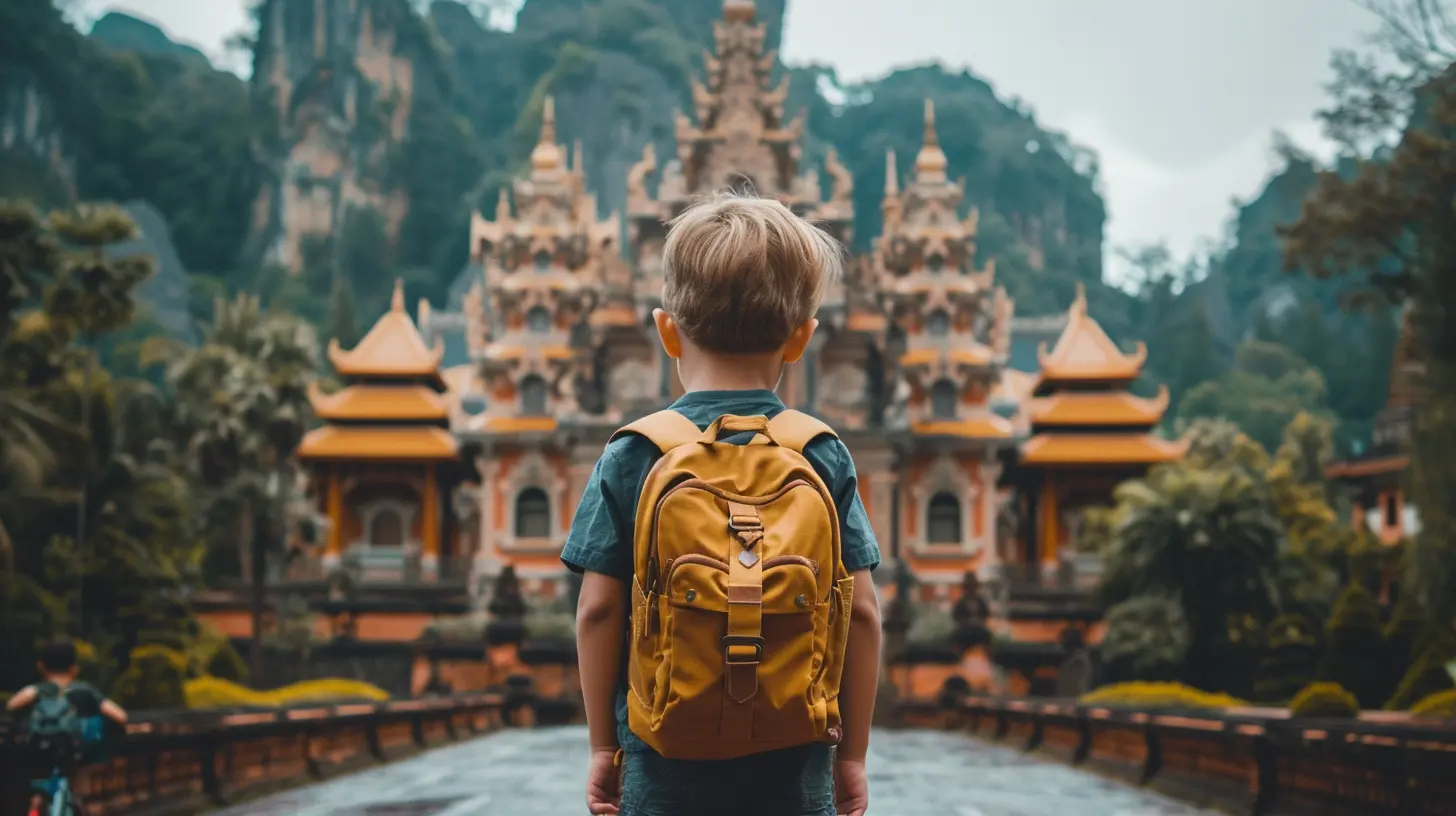
3. Engage with the Locals
This might sound obvious, but interacting with the locals is one of the most enriching aspects of traveling. When you engage with people from another culture, you can break down the mental barriers that separate “us” from “them.” And this is especially true for kids. Here’s how to do it:a. Encourage Interaction
Children are naturally curious and love to make friends, no matter where they are in the world. Encourage your kids to interact with local children, whether it's during a festival, at a playground, or even while visiting a park or beach. Even if they don’t speak the same language, kids have a universal way of understanding each other. You'll be amazed at how much they can learn through playing and simply observing.b. Join a Local Workshop or Class
Look for family-friendly experiences that will give your kids a hand-on connection with the local culture. Whether it’s a cooking class in Thailand, mask-making in Venice, or pottery in Morocco, these workshops will give your kids a creative and memorable learning experience. Plus, the stories behind these traditions help your children understand the deeper cultural significance, making it more than just a fun activity.c. Visit Schools or Local Communities
If you’re staying somewhere for an extended period, consider visiting a local school or community center. Many international schools welcome visiting families, and your children might get the chance to see how schools in other countries operate. What better way to learn about another culture than by seeing how kids their age live and learn?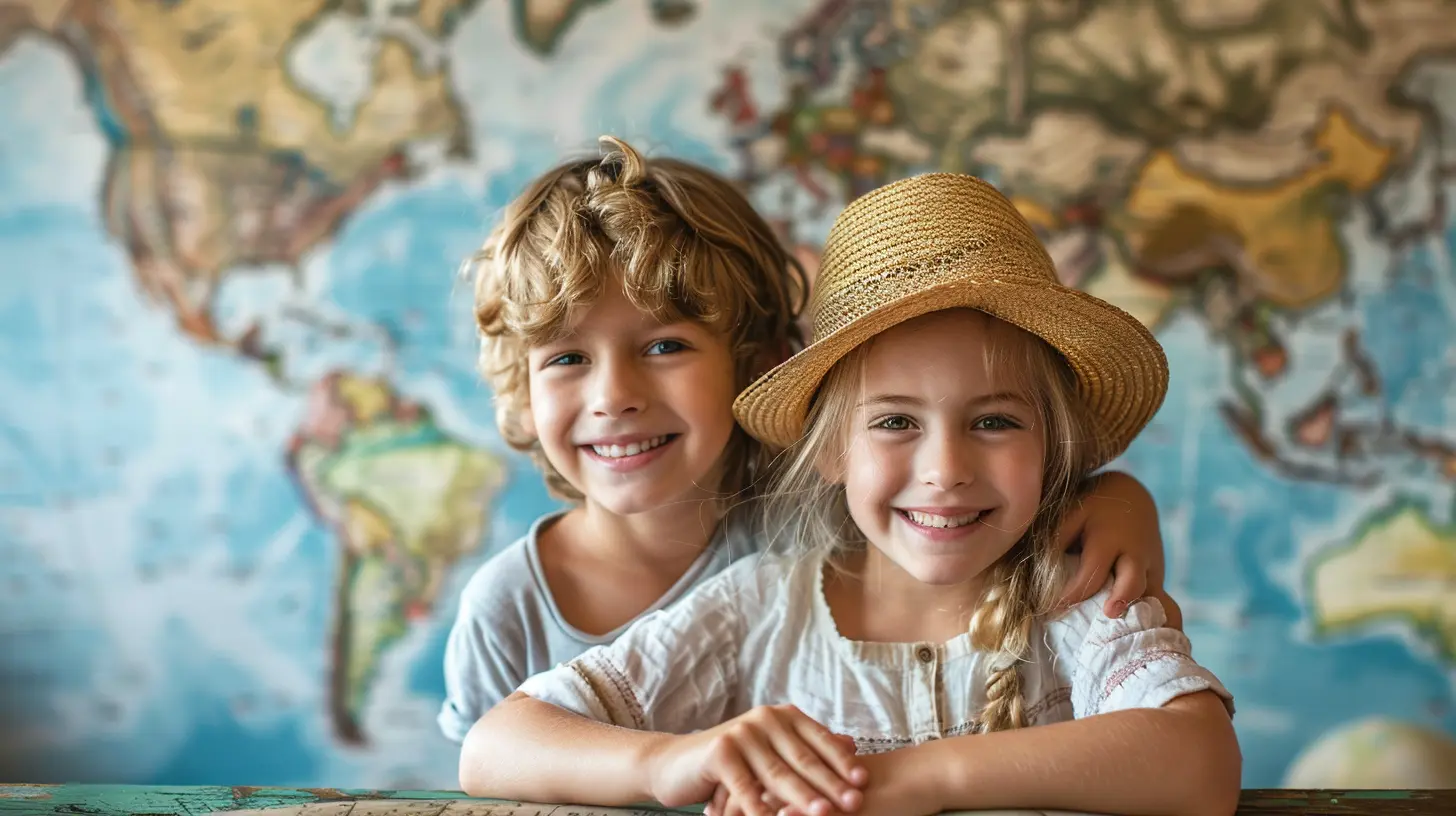
4. Use Museums and Monuments as Story Tellers
While we don’t want to rely solely on museums, they do play a significant role in cultural education—especially when it comes to history, art, and tradition. But let’s be honest, museums can sometimes be a tough sell for kids (hello, short attention spans!). How do you turn that around?a. Look for Kid-Friendly Museums
Some museums are incredibly interactive and family-oriented, with exhibits specifically designed for young visitors. These sorts of museums are golden opportunities. If you’re visiting a larger city, do some research to find kid-friendly museums that will transform learning into fun. For instance, in Paris, the Musée de la Poupée showcases an incredible collection of dolls from centuries past—an intriguing way for kids to visually connect with history.b. Slow Travel Through History
When visiting cultural monuments or historical sites, it’s easy to simply point out facts and move on. But take your time. Take it slow. Share stories rather than facts. How did people live during that ancient civilization? What made that ruler so powerful? What legends are tied to those old castle walls? Kids love hearing stories, and if you spin historical facts into engaging tales, their interest in the culture will grow deeper.5. Reflect and Learn from Every Experience
Traveling doesn’t just teach your kids about the external world—it also teaches them about themselves. After each trip, take the opportunity to reflect on the experience. What did they learn? What surprised them? What did they love about the culture they just visited?Encourage these reflections through discussions, journaling, or even art. Ask questions like: What was their favorite part of the trip? Could they see themselves living in that culture? This kind of reflection helps to plant the seeds of empathy and understanding, two key ingredients in raising globally conscious kids.
6. Bring the Experience Back Home
The best way to reinforce what your kids have learned about different cultures is to bring a piece of it back home with you—not just physically but emotionally and mentally. This can be as simple as continuing to cook a dish they loved overseas or celebrating a holiday you experienced during your travels. For instance, if you visited Greece, why not continue the tradition of “breaking plates” during family celebrations? It’s a fun way to stay connected to the culture and keep the learning alive.You can also encourage your children to stay in touch with any friends they made during the trip, whether it’s through social media or good old-fashioned letters. This keeps the connection strong and shows them that the people they met aren’t just a memory but a part of their expanding understanding of the world.
In Conclusion
Raising kids to be open to the world’s beautiful diversity is one of the greatest gifts you can give them. Travel is an amazing tool for teaching them that, while we may come from different places and have different traditions, there’s so much we share as human beings. It’s more than just a vacation—it's a life lesson wrapped in adventure. By being intentional about how you introduce your children to different cultures through travel, you're giving them a treasure trove of experiences that will stick with them forever.And who knows? Maybe someday they'll be the ones teaching their kids about the joy of exploring new cultures.
all images in this post were generated using AI tools
Category:
Family VacationsAuthor:

Karen Hurst
Discussion
rate this article
1 comments
Elsinore Daniels
Traveling exposes kids to diverse cultures, broadening their perspectives and fostering empathy. Encourage them to engage with local customs and traditions, ask questions, and embrace differences. These experiences will shape their understanding of the world for years to come.
August 15, 2026 at 4:29 AM