How to Turn Misbehavior Into Teachable Moments
2 February 2026
Parenting isn’t easy. Kids push boundaries, throw tantrums, and sometimes flat-out misbehave. It’s frustrating, exhausting, and enough to make even the calmest parent lose their cool. But what if I told you that these moments of misbehavior are actually golden opportunities?
Instead of seeing misbehavior as a battle, think of it as a lesson waiting to be taught. Every meltdown, argument, or act of defiance can be turned into a teachable moment—one that helps shape your child into a responsible, kind, and emotionally intelligent person.
So, how exactly do you turn misbehavior into positive learning experiences? Let’s dive in. 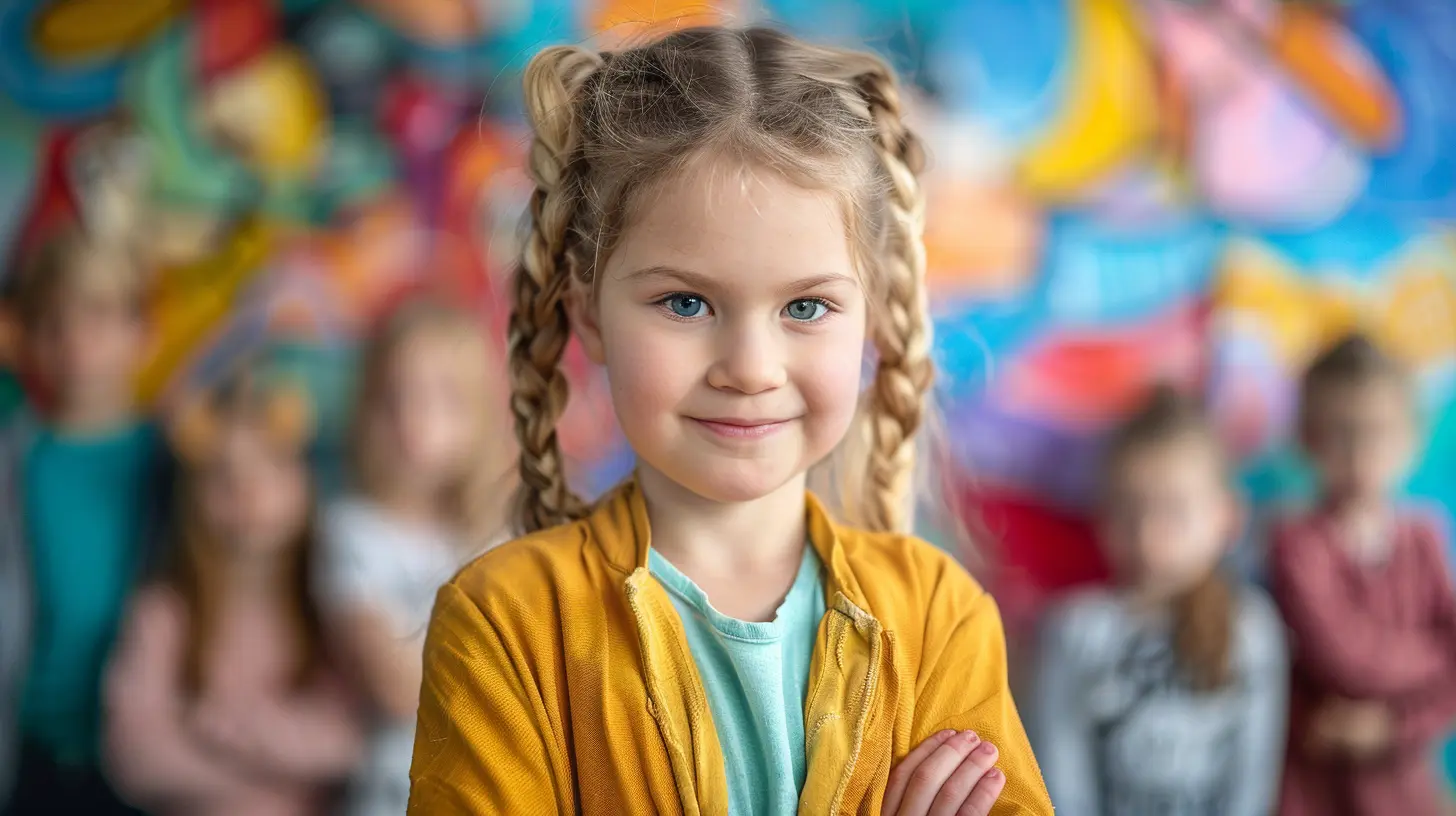
Understanding Why Kids Misbehave
Before we tackle solutions, we need to understand the why behind misbehavior. Kids don’t just act out for no reason. Their actions are often fueled by unmet needs, a desire for attention, or simply testing limits to understand the world around them.Here are some common reasons kids misbehave:
- Seeking Attention: Sometimes, kids act out just to get your focus—because even negative attention is better than being ignored.
- Testing Boundaries: They want to see how far they can push before you enforce the rules.
- Big Emotions, Little Bodies: Young children don’t yet have the tools to regulate emotions like frustration, sadness, or excitement.
- Lack of Skills: Maybe they haven’t yet learned how to share, be patient, or express themselves properly.
- Tired, Hungry, or Overstimulated: A cranky child is often just a hungry or sleepy one.
Understanding these triggers helps you approach discipline with empathy rather than anger. 
Shift Your Mindset: Discipline vs. Teaching
Here’s the thing—discipline isn’t just about punishment. It’s about teaching. When your child misbehaves, instead of thinking, How do I make them stop?, ask yourself, What do I want them to learn?Punishment might stop bad behavior in the moment, but it doesn’t teach the right one. Your goal should always be to guide, not control.
Think of yourself as a coach. You wouldn’t yell at a player for missing a shot—you’d help them practice until they get it right. Parenting works the same way. 
Stay Calm: Your Reaction Sets the Tone
Let’s be real—when your child is throwing a fit in the middle of the grocery store, staying calm feels impossible. But your reaction sets the tone.Kids look to their parents to understand how to deal with emotions. If you respond with yelling, anger, or frustration, they’ll mirror that behavior. Instead, take a deep breath, lower your voice, and stay composed.
A calm tone helps your child feel safe and open to correction, making it more likely they’ll actually listen. 
Identify the Teachable Moment
Not all misbehavior requires a lecture. Sometimes, the best lessons come from conversations after the storm has passed. Trying to teach in the heat of the moment is like trying to build a sandcastle during high tide—it just won’t stick.Ask yourself:
- What do I want my child to learn from this?
- Is this a good moment for a lesson, or should I wait until emotions settle?
- How can I turn this into a meaningful conversation?
Timing is everything. A calm child is a receptive child.
Use Natural Consequences Over Punishment
Punishment often teaches kids to fear getting caught rather than making better choices. Instead, natural consequences teach responsibility in a way that makes sense.For example:
- If your child refuses to wear a coat, they’ll feel cold outside (rather than getting yelled at).
- If they throw their toy, it might break (instead of you taking it away).
- If they refuse to do homework, they get a poor grade (instead of losing screen time).
These real-life lessons are far more impactful than forced punishments.
Encourage Empathy: “How Would You Feel?”
Teaching empathy is one of the most powerful ways to correct misbehavior. Kids don’t always consider how their actions affect others—so help them see it.Instead of saying, That was mean! Apologize to your sister, try:
- How do you think your sister felt when you grabbed her toy?
- Would you like it if someone did that to you?
Helping your child step into someone else’s shoes builds emotional intelligence and reduces future misbehavior.
Model the Behavior You Want to See
Kids learn by watching. If you want your little one to be patient, kind, and respectful, they need to see those traits in you first.Think about it—if you yell when you're angry but tell them not to, what lesson are they actually learning?
Show them how to handle stress, frustration, and disagreements in a healthy way. Your actions will always speak louder than your words.
Turn Mistakes Into Learning Opportunities
No one is perfect—not even adults! Mistakes are part of life, and your child needs to know that messing up doesn’t make them a bad person.Instead of shaming, reframe mistakes as opportunities for growth. For example:
- “You hit your brother because you were mad. Next time, let’s find another way to express anger.”
- “You lied about your homework. Let’s talk about why honesty is important.”
This approach helps your child develop problem-solving skills rather than just feeling guilty.
Praise Effort, Not Just Results
Positive reinforcement isn’t about handing out rewards for everything—it’s about acknowledging effort.When your child tries to correct behavior, let them know you notice. Say things like:
- “I saw you take a deep breath instead of yelling—that was a great way to calm down!”
- “You apologized without me asking—I’m really proud of you.”
When kids feel encouraged, they’re more likely to make good choices on their own.
Let Kids Be Part of the Solution
Instead of just telling your child what they did wrong, involve them in finding a solution. This teaches responsibility and critical thinking.Ask questions like:
- “What do you think would be a fair way to fix this?”
- “How can we make sure this doesn’t happen again?”
When kids help come up with the answer, they’re more likely to follow through.
Final Thoughts: Parenting Is a Long Game
No one fixes bad behavior overnight. Parenting is a journey, and every teachable moment adds up over time.Your goal isn’t to raise a perfectly obedient child—it’s to raise a kind, thoughtful, and self-aware adult.
So, next time your little one misbehaves, take a deep breath and ask yourself: What can I teach them in this moment? That small shift in thinking can change everything.
all images in this post were generated using AI tools
Category:
Positive DisciplineAuthor:

Karen Hurst
Discussion
rate this article
2 comments
Dusk McClendon
Misbehavior isn’t a nuisance; it’s a goldmine for growth! Embrace these moments. Dive in with both feet—transform chaos into clarity and watch your child flourish through every lesson learned.
February 15, 2026 at 6:00 AM
Karen Hurst
Absolutely! Misbehavior offers valuable opportunities for growth and learning. Embracing these moments helps children develop resilience and understanding. Let's turn challenges into lessons!
Galina McVey
Turn tantrums into teaching—mini life lessons in disguise!
February 3, 2026 at 5:38 PM
Karen Hurst
Absolutely! Transforming tantrums into learning opportunities can foster growth and resilience in children. It’s all about using those moments to impart valuable life lessons!