Learning Through Movement: Fun Physical Play Ideas
21 June 2026
Let’s be real—when kids are zipping around the house like tiny tornados, it can feel chaotic. But what if I told you that all that wiggling, jumping, and spinning isn't just harmless fun—it’s actually learning in motion? Yep, movement isn’t just for burning off sugar-fueled energy. It’s an amazing way to fuel a child’s development—physically, mentally, emotionally, and even socially.
So, whether you’re a parent, caregiver, or educator, buckle up, because we’re diving into some super fun and surprisingly educational physical play ideas that will have your kids moving and learning at the same time.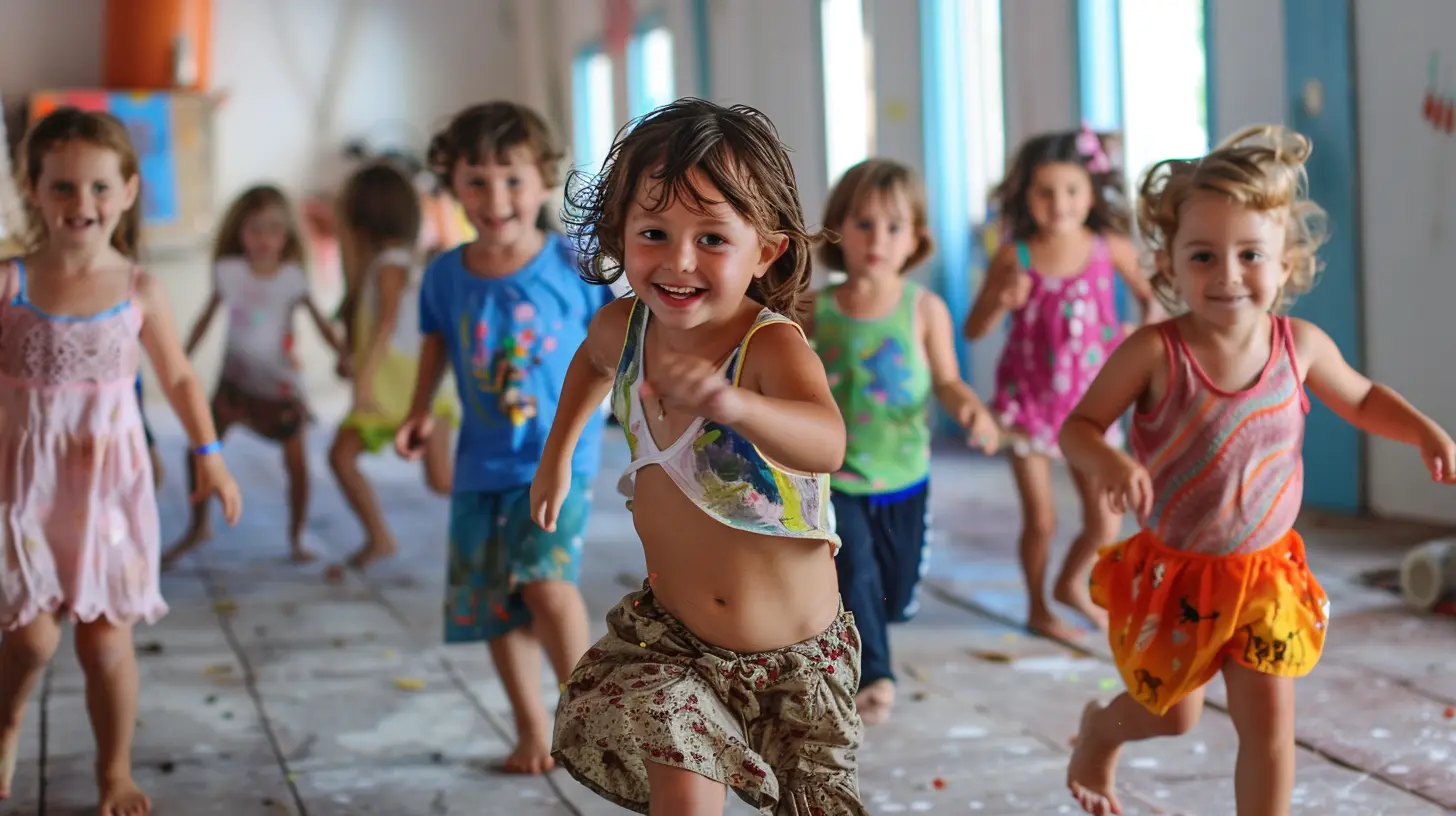
Why Movement Matters in Childhood Development
Let’s start with the basics. Why exactly is movement so essential for kids?Children’s brains and bodies are like sponges, soaking up every experience. Physical movement isn't just about muscle coordination (though that’s a biggie); it helps:
- Boost cognitive development
- Improve motor skills
- Build spatial awareness
- Enhance concentration and memory
- Support emotional regulation
- Encourage social interaction
When kids move, they’re making sense of the world. It’s like their own live-action version of trial and error. They're discovering what their bodies can do, how far they can jump, how fast they can run, and how to work together with others.
Think of movement as a multi-sensory classroom without desks.
Play Is the Brain’s Favorite Way of Learning
We often separate "play" and "learning" like they’re totally different things. But here’s the truth bomb: kids learn best when they play. And when physical movement is part of that play, magic happens.Whether it’s a game of tag, an obstacle course in the living room, or a silly animal walk, movement-based play builds stronger neural connections. It's like giving the brain a big ol’ cup of coffee—energy surges, focus sharpens, and creativity flows.
Indoor Movement Activities (For When It’s Raining, Snowing, or Just Plain Chaotic Outside)
Weather got you stuck indoors? No problem. Here are a few inventive, space-saving movement activities that turn your living room into a fun zone.1. Animal Walk Races
Ever seen a kid crab walk? It’s as hilarious as it sounds—and it’s also great for coordination and core strength.Try these:
- Bear crawl (hands and feet on the floor)
- Bunny hops (squat jumps)
- Frog jumps (with sound effects, obviously)
- Snake slithers (wiggling along the ground)
Make it a race or a relay, and you’ve got yourself a full-on movement game.
2. Obstacle Course Mania
Use pillows, chairs, couch cushions, and yes—blankets. Create a course that requires crawling under, hopping over, and weaving through.Let your child help design the course. This encourages planning, spatial reasoning, and problem-solving. Bonus points if you time each round for fun!
3. Freeze Dance (with a Twist)
Play some upbeat music, dance around, and hit pause at random. When the music stops—FREEZE! Add a twist by calling out silly positions ("freeze like a flamingo!" or "freeze like you're eating spaghetti").This game sharpens listening skills, impulse control, and body awareness... all while being the life of your indoor party.
4. Balloon Bop
Here’s the easiest one: blow up a balloon and try to keep it in the air. Add challenges—only use elbows, or knees, or have two kids collaborate.Simple? Yes. Effective? Absolutely.
Outdoor Movement Activities (Fresh Air + Fun = Win-Win)
You’ve got space, you’ve got daylight—now let’s get those bodies moving outside!1. Nature Scavenger Hunt
Give your child a list of items to find—pinecones, feathers, different colored leaves, rocks in funny shapes.Add physical challenges between finds: five jumping jacks after each item, skip to the next clue, or hop on one foot until the end. It’s part adventure, part workout, and totally captivating.
2. Sidewalk Chalk Obstacle Course
Use sidewalk chalk to draw a fun path on your driveway or sidewalk. Include:- Hopscotch blocks
- Spiral tightropes
- Jumping stars
- Zigzag lines for tiptoeing
Chalk washes away, but the learning sticks around.
3. Water Relay
Hot day? Fill buckets with water, give kids small cups, and have them race to transfer water to an empty bucket across the yard—without spilling.It’s messy, fun, and builds teamwork, balance, and coordination.
4. Shadow Tag
Traditional tag = classic. Shadow tag = genius. Instead of tagging bodies, kids step on each other’s shadows. It’s fantastic for quick visual processing and reaction speed.Sensory + Movement = Supercharged Learning
When movement meets sensory play, you’ve hit the jackpot. Sensory paths (made with textured mats or homemade touch-and-feel tracks) add a whole new layer of discovery. Here’s how to combine the two:- Walk barefoot over different textures (grass, foam mats, bubble wrap—yep, it’s loud, but awesome)
- Jump from one sensory square to another
- Balance on a line while holding a bean bag on your head (channel your inner zen master)
These activities especially support kids who are sensory seekers or need help with processing information through touch and movement.
Movement for Brain Development? You Bet!
Let's nerd out for a minute.When kids move, their brains release neurotransmitters like dopamine and serotonin. These are the "feel-good" chemicals that affect mood, motivation, and attention. That’s why kids often focus better after they’ve been active.
There’s also a little part of the brain called the cerebellum—it helps control movement and plays a major role in learning and memory. So, hopping, spinning, and rolling aren’t just physical—they’re mental gym sessions.
Learning Through Play: A Few Sneaky Educational Games
Want to secretly slide in some academic learning? These games do just that:1. Alphabet Yoga
Strike a pose for every letter. A for “Airplane Pose,” B for “Bridge,” C for “Cat stretch.” It’s a playful way to build letter recognition and flexibility.2. Math Hopscotch
Write numbers (or simple equations) instead of just 1 to 10. Kids solve the problem before hopping on the square.Example: Square says “2 + 2”—they shout out “4!” and do a big jump. Counting and cardio—check and check.
3. Spelling Jump Game
Write letters in different spots on the ground. Call out a word and have your child jump to the letters in the right order. It’s like playing Boggle with your body.Cooperative Movement = Social Skills in Action
Group movement activities are perfect for teaching kids teamwork, turn-taking, and empathy. Games like:- Parachute play (if you’ve never done this, you’re in for a treat)
- Partner balance challenges (can you both stand on one leg while holding hands?)
- Team relays and trust walks (blindfold + guide = communication skills unlocked)
Through laughter and a little bit of tumbling, kids learn how to handle success, cheer on teammates, and understand each other. Social growth? Huge.
The Power of Unstructured Play
Not every activity needs to be planned. Some of the best learning happens during spontaneous, child-led play. Give your kid a big empty box and watch the magic unfold—a spaceship, a race car, a tunnel to Narnia?Letting kids follow their own movement impulses helps build creativity and decision-making. It’s their version of problem-solving and project planning.
Tip for parents: Let go of the idea of "perfect play." Messy, noisy, and unpredictable? That’s golden.
Tips for Encouraging More Movement at Home
Feeling inspired but not sure where to start? Here are a few quick strategies:- Build in movement breaks during homework or screen time
- Keep simple equipment on hand (like bean bags, jump ropes, hula hoops)
- Lead by example—if you move, they move
- Celebrate effort over skill—it’s not about the perfect jump, but the fun of trying
- Create a movement-friendly home—have safe space to move freely
A home that encourages active play doesn't need to look like a gym—it just needs to say "Yes!" to wiggles.
Final Thoughts
Kids aren't meant to sit still all day. They're built to move, explore, and learn by doing. Physical play isn’t just a filler between “real” learning—it is real learning. When we make movement fun and intentional, we’re giving our children tools that help them grow stronger, think sharper, and feel more connected—to themselves and to others.So the next time the living room turns into a trampoline park, take a deep breath and remember: A moving body is a learning brain in action.
And hey, maybe join in. Your inner child’s been waiting.
all images in this post were generated using AI tools
Category:
Playtime IdeasAuthor:

Karen Hurst
Discussion
rate this article
2 comments
Dakota McKale
I love these ideas! Incorporating movement into play not only keeps kids active but also sparks their creativity. Thank you for sharing such inspiring suggestions!
August 1, 2026 at 4:43 AM
Lyanna Hamilton
I love these playful ideas! Getting the kids moving is such a blast. It's the perfect way to blend fun and learning. Who knew a little physical play could spark so much creativity and laughter?
June 24, 2026 at 4:23 AM
Karen Hurst
I'm glad you enjoyed the ideas! It's amazing how movement can inspire both fun and creativity in kids. Thanks for your comment!