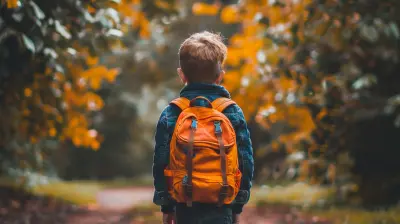
Modeling Positive Behavior for Your Child
26 June 2026
Parenting is no small feat, and one of the most important gifts you can give your child is positive behavior to model. You know the saying, “Actions speak louder than words”? Well, with kids, that couldn’t be more true. They’re like little sponges, soaking up everything—your words, actions, and even your tone of voice. So, how can you ensure that what they’re soaking up sets them up to be kind, confident, and thoughtful humans? Let’s talk about it. 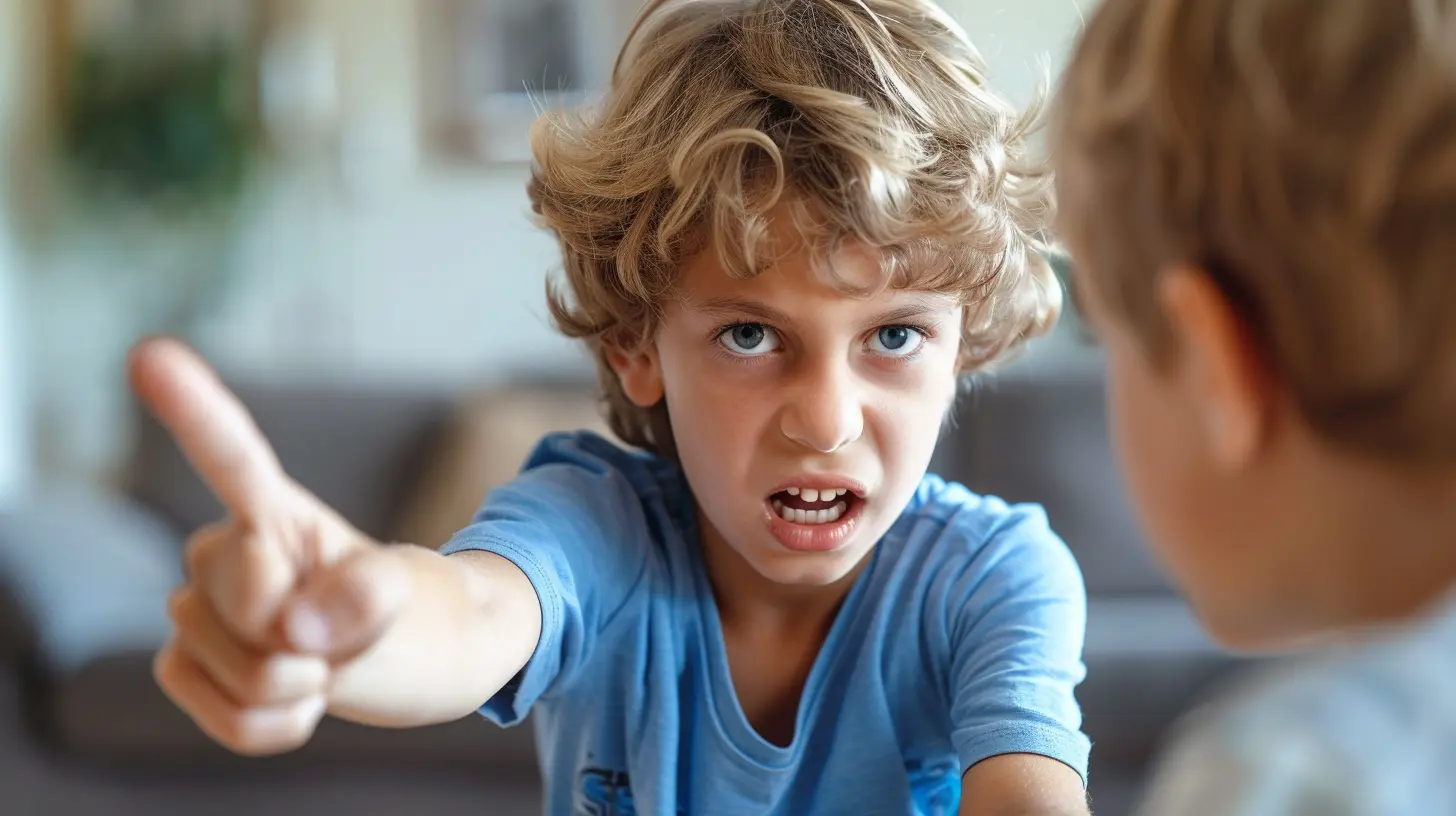
Why Modeling Positive Behavior Matters
Ever notice how your kid suddenly mirrors you, even when you don’t realize they’re paying attention? Maybe they’ve started saying “please” and “thank you” without being prompted. Or perhaps you caught them repeating a less-than-ideal phrase you muttered under your breath during a bad day (oops).Kids learn by observing. They watch what you do far more than what you say. If you tell them not to yell, but you’re constantly shouting at the TV or during stressful moments, guess what they’ll think is acceptable? Yep, shouting.
By modeling positive behavior, you’re not just teaching rules or manners; you’re showing them how to handle life’s ups and downs with grace, respect, and kindness. You’re basically their first and most important life coach. 
How to Model Positive Behavior for Your Child
Let’s break it down step by step. Being a role model doesn’t mean you have to be perfect (spoiler: nobody is), but it does mean being intentional with your actions.1. Be Consistent—Your Actions Speak Volumes
Ever tell your child, "Don’t lie," but then find yourself fibbing to avoid an awkward situation? Kids pick up on these inconsistencies quickly. If you want your child to value honesty, make sure your actions align with your words.Kids thrive on consistency because it creates trust and security. Whether it’s sticking to promises or showing up on time for their school events, actions like these teach them reliability and accountability.
2. Use Positive Language
Let’s be real—parenting is tough, and sometimes frustration gets the better of us. But try this: instead of saying “Stop making a mess,” try “Let’s keep our toys in this box so they don’t get lost.”See the difference? Positive language focuses on what to do instead of what NOT to do. It shifts the energy, feels less like nagging, and helps your child see the constructive path forward.
3. Practice Patience (Even When It’s Hard)
Patience is one of those skills that kids need to learn early, and the only way they’ll get it is by watching you demonstrate it. When your toddler’s throwing a tantrum or your teenager’s testing every boundary imaginable, it’s tempting to snap. But how you manage your emotions during these moments teaches them how to manage theirs.Take a deep breath. Show them it’s okay to pause and reset when emotions run high. It’s not about being superhuman; it’s about showing them a realistic yet healthy way to handle struggles.
4. Show Kindness and Empathy
Want your child to be compassionate and understanding? Show them how it’s done. Let them see you hold the door open for a stranger, help a neighbor with groceries, or listen intently when a friend needs to talk.If your child’s upset, acknowledge their feelings instead of brushing them aside. Phrases like, “I can see that you’re frustrated” or “It’s okay to feel sad” teach them that their emotions are valid and that kindness starts with empathizing with others.
5. Admit Mistakes and Apologize
Think about this: when was the last time you apologized to your child for snapping at them or making a mistake? This might feel awkward, but it’s incredibly powerful.By owning up to your missteps, you’re showing them that everyone makes mistakes and that what matters most is taking responsibility and making it right. Saying, “I’m sorry I yelled earlier. I was feeling overwhelmed, but that wasn’t fair to you,” models accountability and humility.
6. Encourage a Growth Mindset
Do you get frustrated when things don’t come easily? Kids often think they should be good at something right away—whether it’s riding a bike or solving a math problem. That’s where you come in.When they see you approach challenges with perseverance instead of giving up, they learn resilience. Narrate your thought process: “This is tricky, but I’ll figure it out if I keep practicing!” Your optimism and determination will inspire them.
7. Model Healthy Relationships
If you want your child to grow up building meaningful connections, show them what that looks like. Let them see you treating your partner, friends, and family with respect.Do you argue sometimes? That’s okay—it’s normal. What’s important is letting them witness healthy conflict resolution. Show them how to express disagreements calmly and how to listen to the other person without resorting to yelling or name-calling. 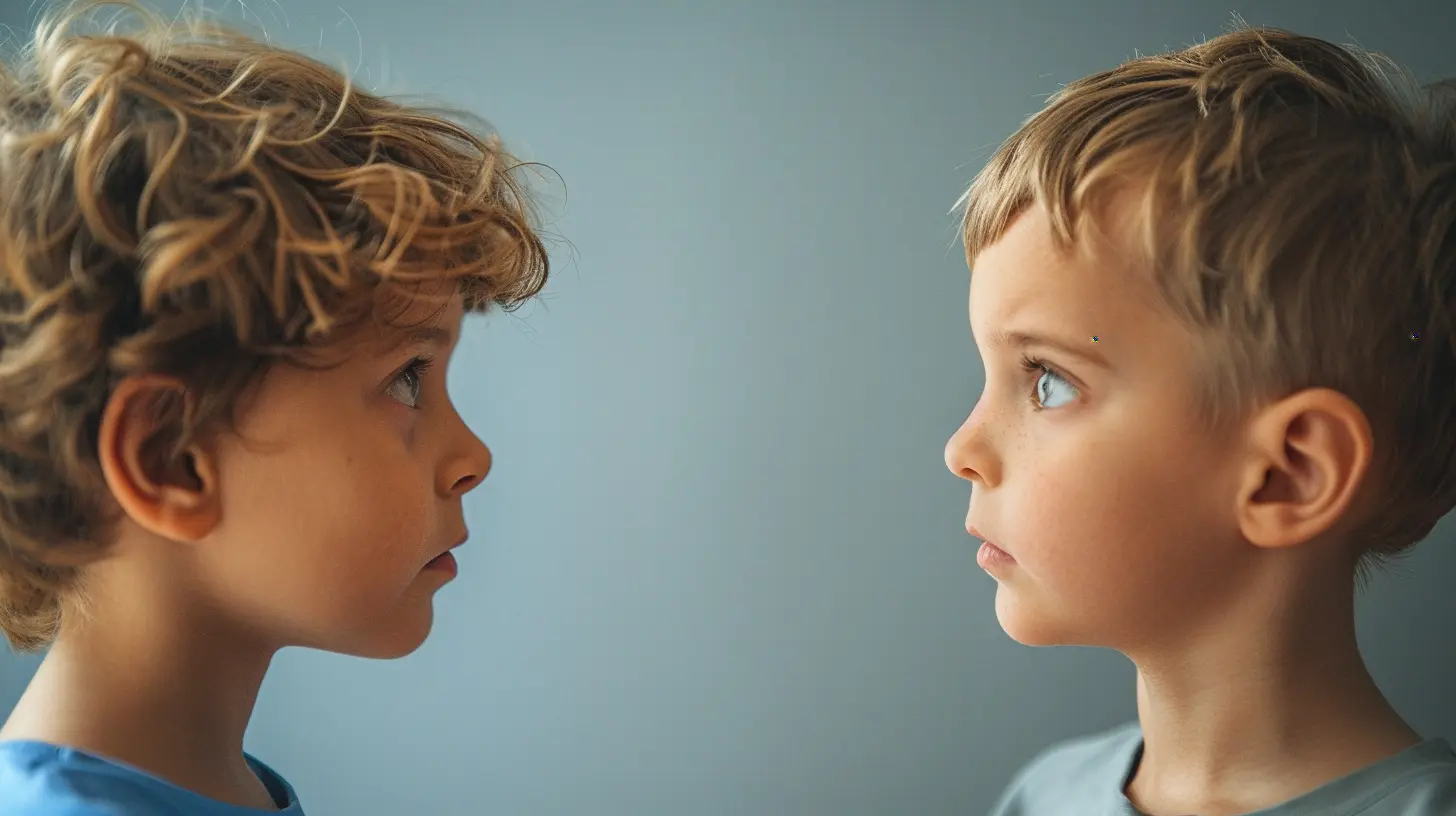
What About When You Mess Up?
Here’s the thing: you will mess up. You’re human. But guess what? That’s part of modeling positive behavior too. When your child sees you acknowledge a mistake and work to improve, it teaches them that nobody’s perfect and that growth is a lifelong process.So, don’t beat yourself up if you lose your cool or make a choice you’re not proud of. Instead, use it as an opportunity to model how to bounce back, apologize, and move forward with grace. 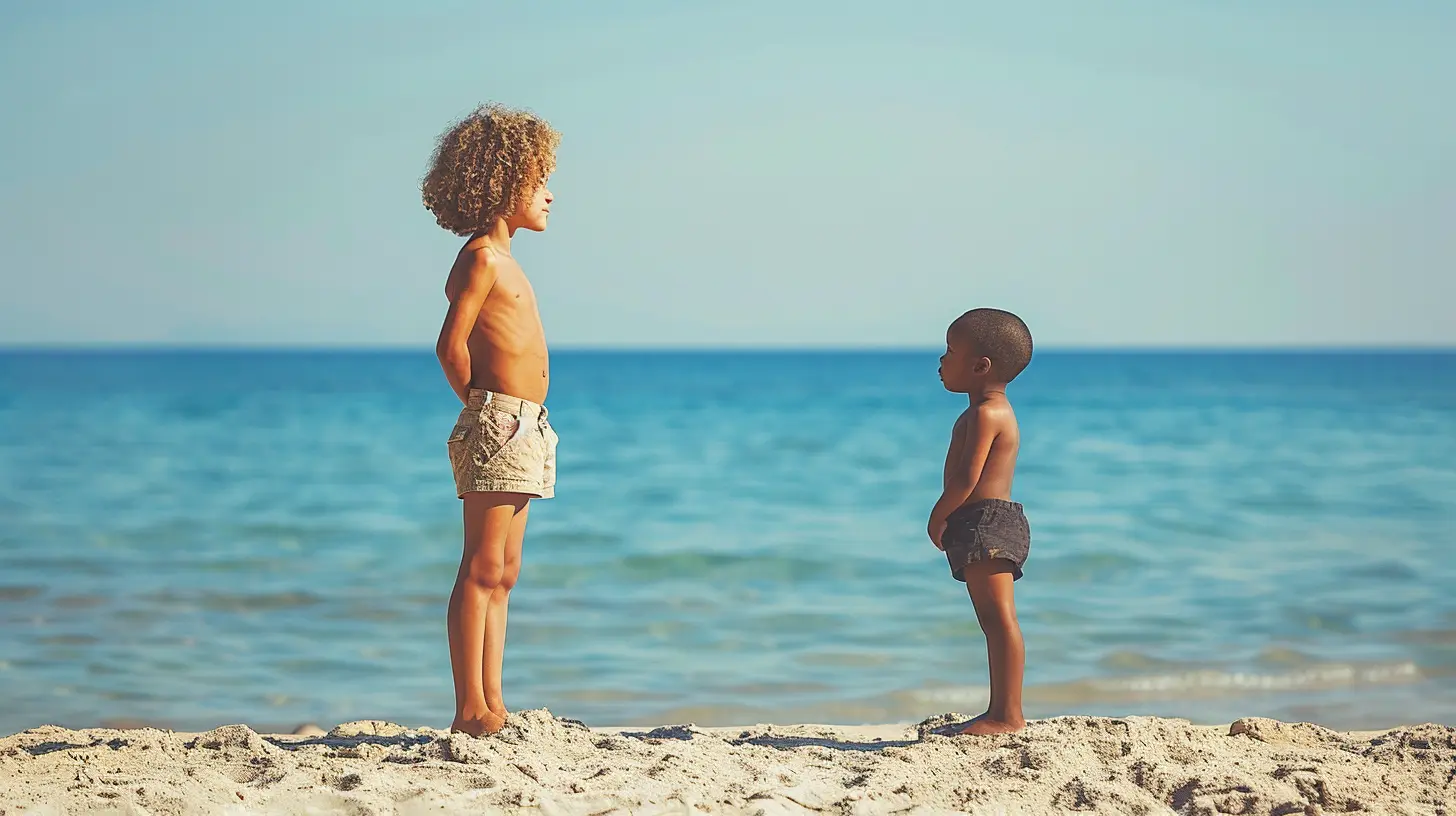
The Long-Term Benefits
When you consistently model positive behavior, you’re setting your child up for long-term success. They grow up with strong moral values, emotional resilience, and the ability to navigate relationships and challenges with kindness and confidence.Plus, let’s not forget that parenting is a journey. The little things you do daily—offering a kind word, staying patient during a meltdown, or admitting when you’re wrong—all add up to shape the person your child will become.
Final Thoughts
Modeling positive behavior isn’t about being perfect; it’s about striving to be the kind of person you want your child to emulate. Your actions today lay the foundation for who they’ll be tomorrow.And hey, you don’t have to do it alone. Parenting is a team effort. Lean on your support system, forgive yourself on the tough days, and celebrate the small wins. After all, raising humans is one of the most rewarding (and challenging) jobs you’ll ever have.
Because in the end, it’s not about creating perfect kids; it’s about raising good-hearted, capable humans who feel loved, valued, and equipped to navigate the world with empathy and integrity.
all images in this post were generated using AI tools
Category:
Positive DisciplineAuthor:

Karen Hurst
Discussion
rate this article
2 comments
Elijah McGehee
Children absorb what they see. When we model kindness, patience, and integrity, we empower them to mirror those values in their own lives. Actions speak louder.
August 9, 2026 at 5:02 PM
Tia Hurst
If only my toddler would model my behavior as well as he models his superhero poses...
June 28, 2026 at 3:55 AM
Karen Hurst
It's true, toddlers often pick up on our actions more than our words. Keep being a positive role model; it will pay off in time.