Navigating Attachment Issues After Adoption: Expert Advice
24 December 2025
Adopting a child is a beautiful, life-changing experience. It’s filled with hope, excitement, and dreams of building a forever family. But let's be real—while adoption is rewarding, it can also come with its fair share of emotional bumps, especially when it comes to building a strong bond with your adopted child.
One of the biggest challenges many adoptive parents face is dealing with attachment issues. Don't worry—you're not alone. And more importantly, you're not doing anything wrong. These struggles are more common than you think, and with the right approach and understanding, navigating attachment issues after adoption is not only possible but truly transformational for your family.
In this guide, we’re diving deep into managing post-adoption attachment issues with some expert-backed advice and real-world tips to help you build trust, love, and connection with your child.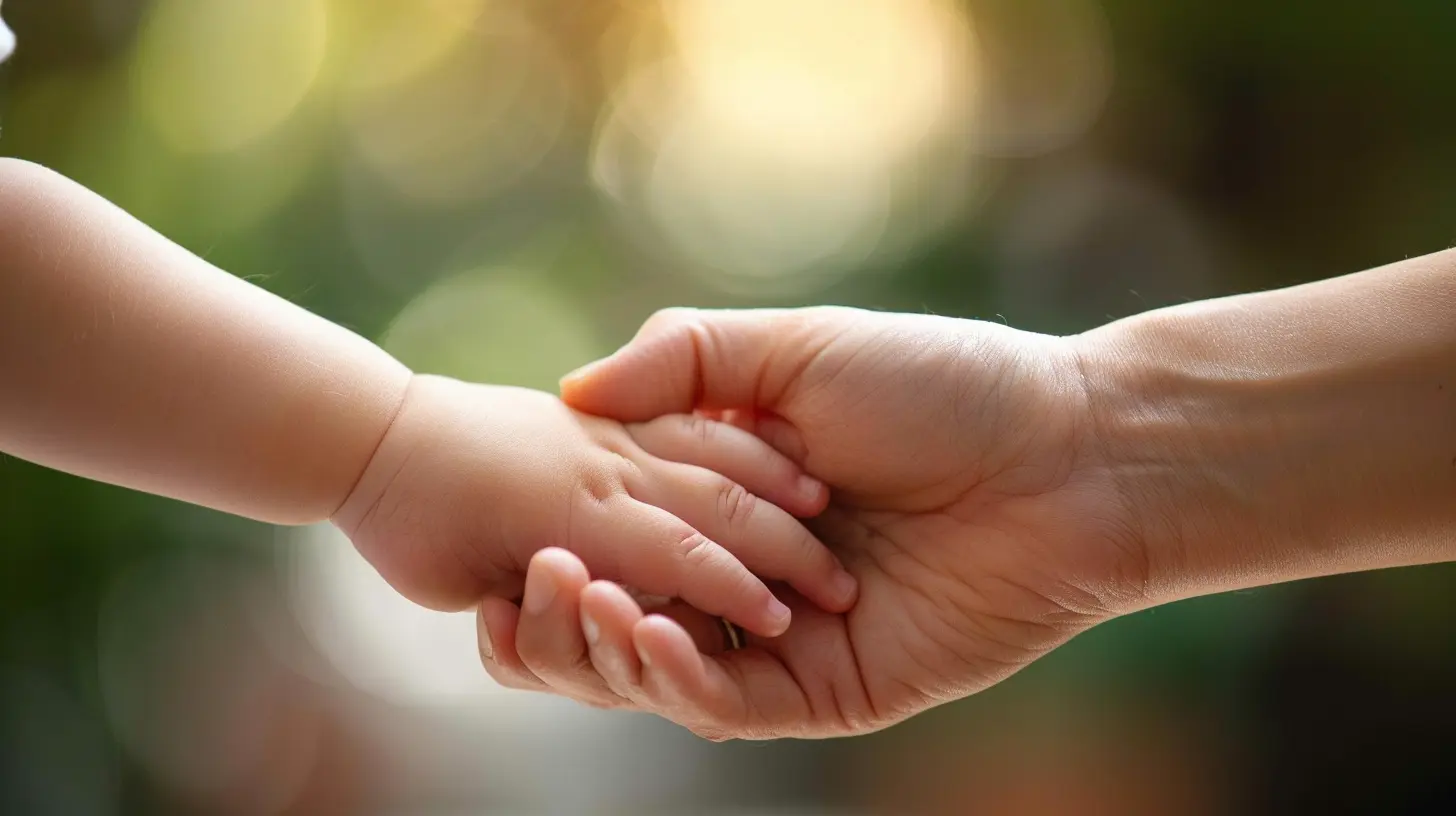
What Are Attachment Issues, Anyway?
Let’s start with the basics. Attachment issues stem from disrupted early relationships. Children form bonds with caregivers early on—and when those bonds are broken, disrupted, or never formed in the first place, it can affect their ability to trust and connect later in life.Now, imagine a child placed for adoption. They may have experienced trauma, neglect, or multiple caregivers. Their little brains are wired to expect instability, so trusting that you’re here to stay? That’s a huge deal for them.
Here are some common signs of attachment struggles in adopted children:
- Difficulty showing affection or seeking comfort
- Pushing caregivers away or being overly clingy
- Anxiety when separated
- Defiance or extreme independence
- Difficulty making friends or believing people care
Sound familiar? Don’t panic. These behaviors are not personal attacks—they’re survival strategies. So the million-dollar question is: how do you help your child heal and form secure attachment? Let’s break it down.
Start With Understanding: Trauma-Informed Parenting
The first step isn’t a technique—it’s a mindset. Trauma-informed parenting means looking at your child’s behavior not as “bad” but as communication.Instead of asking, “What’s wrong with this child?” ask, “What happened to this child?”
This shift changes everything. Your child isn’t being difficult, they’re scared. They might not know how to rely on others because life has taught them not to. That’s where your job begins—not fixing them, but proving that you can be trusted, time and time again.
Patience Is Your Superpower
Think of attachment like growing a garden. You plant seeds, water them, give them sunlight... and wait. And sometimes, it takes a season (or more) before you see any sprouts.Building attachment takes time. Some kids might respond quickly, while others need months or even years before they let their guard down.
Stay consistent. Be predictably kind. Show up for them over and over, even when they push you away. Over time, that consistent love becomes the foundation of a secure bond.
Creating A Safe Emotional Environment
A safe home isn’t just about locks and alarms—it’s about emotional safety too.Your child needs to know that they can express feelings without being punished or shamed. This means:
- Listening more than lecturing
- Validating their emotions (“I understand you’re upset”)
- Avoiding power struggles
- Staying calm, even when they’re not
When your child learns that they can cry, mess up, and still be loved, you’re rebuilding their trust in caregivers—and that’s a big win in the attachment department.
The Power Of Routine And Structure
Routine might sound boring, but for adopted children, it’s pure magic.Why? Because predictability equals safety.
Set regular mealtimes, bedtimes, and family rituals. Knowing what to expect helps your child relax their hyper-vigilance and start to feel at ease.
Even something as simple as a consistent bedtime story or weekly pancake breakfast can become a symbol of your unwavering presence.
Play: The Attachment Secret Weapon
Let’s talk about play. It’s not just for fun—it’s where relationships grow.Play is a natural way for children to relax, process emotions, and connect. For adoptive families, intentional play can be a healing tool.
Here are a few ideas:
- Role-Play: Let them be the parent and you be the child. This can help reverse roles in a healthy way and build empathy.
- Gentle Physical Games: Think of games that involve touch like “pat-a-cake” or “Simon Says.” It promotes closeness and trust.
- Art and Drawing: Sometimes emotions come out better through crayons than words.
Bonus tip: Let your child lead playtime. Giving them control in a safe space builds confidence and reinforces trust.
Attachment-Focused Therapies
Sometimes, love and patience aren’t enough. And that’s OK.Therapy can be a game-changer for helping children—and their parents—work through attachment issues. But not all therapy is created equal. Look for:
- Attachment-focused therapy
- Trauma-informed therapy
- Parent-child interaction therapy (PCIT)
- Dyadic Developmental Psychotherapy (DDP)
An experienced therapist can guide you both in building healthy patterns of communication and connection. You’re not failing by asking for help—you’re taking a brave step toward healing.
Don’t Forget Your Own Healing
Here’s something parents often ignore: your mental and emotional well-being matters too.Caring for a child with attachment challenges can be draining. You might feel rejected, frustrated, or defeated. That doesn’t make you a bad parent—it makes you human.
Make self-care a priority:
- Join adoption support groups (online or local)
- Talk to a therapist who understands adoption dynamics
- Set boundaries to protect your energy
- Celebrate small victories
You can’t pour from an empty cup, right? Refill yours often.
Building Trust Takes Actions, Not Just Words
Kids with attachment issues have often heard promises before—promises that sadly were broken. That’s why what you do matters way more than what you say.Small, consistent actions build trust:
- Showing up on time
- Following through on commitments
- Respecting their boundaries
- Apologizing when you mess up (yes, parents mess up too)
These moments send the message, “You matter. You’re safe. I’m here.”
Navigating Regression: It’s Normal
Ever heard of emotional regression? That’s when a child starts acting younger than their age—like a ten-year-old wanting a bottle or an eight-year-old having toddler tantrums.It might seem odd, but it’s actually a good sign. It means your child feels safe enough to revisit unmet needs, and now you’re in a position to meet them.
Don’t discourage it—lean in, even if it feels weird. If your 9-year-old wants to cuddle or be carried, and you’re physically able, go for it. These are bonding moments in disguise.
When Siblings Are Involved
If you have other kids at home, the dynamics can get tricky. Bio kids might feel left out or confused when the new sibling gets “special” treatment or more attention.Here’s how to manage that:
- Keep communication open
- Talk about different needs and histories
- Create one-on-one time with all your kids
- Normalize discussions around adoption and emotions
Your whole family is adapting, not just the adopted child. Everyone deserves patience and support.
Celebrate Connection Milestones
In the midst of challenges, don’t forget to note the wins—big and small.Did your child make eye contact today? Accept a hug? Call you “mom” or “dad”? That’s huge.
Make a tradition of celebrating relationship “firsts” just like you would first steps or first birthdays. Because in attachment terms, these steps are just as important.
Attachment Isn’t One-Size-Fits-All
Every child is different. Some attach quickly, others take years. Some are affectionate, others are more reserved. And that’s OK.Avoid comparing your journey to others. What matters most is that you’re showing up, staying consistent, and creating space for trust and love to grow at its own pace.
Ending Thoughts: Love Is A Verb
So, let’s leave it here—navigating attachment issues after adoption isn’t about being perfect. It’s about being present.Love isn’t just a feeling, it’s a verb. It’s in the bedtime stories, the tantrum-handling, the thousand little ways you show your child you’re in this for the long haul.
You’ve got this. And you’re not alone.
all images in this post were generated using AI tools
Category:
AdoptionAuthor:

Karen Hurst
Discussion
rate this article
2 comments
Emery Bailey
This article provides invaluable insights into overcoming attachment challenges post-adoption. The expert advice offered here is essential for nurturing healthy bonds, fostering resilience, and ensuring a thriving family dynamic.
December 27, 2025 at 4:00 PM
Karen Hurst
Thank you for your kind words! I'm glad you found the insights helpful for nurturing strong family bonds.
Melissa Hudson
Building trust takes time and patience; nurturing connections deeply enriches both parent and child’s journey toward healing and understanding.
December 25, 2025 at 3:49 PM
Karen Hurst
Absolutely, nurturing connections is crucial for healing and fostering understanding in the parent-child relationship. Thank you for sharing this insight!