Play-Based Learning: Turning Playtime Into Learning Opportunities
12 January 2026
Let’s get real for a second—parenting is like juggling flaming swords while riding a unicycle, right? On top of keeping tiny humans alive, we’re supposed to ensure they’re actually learning and growing too. But here’s the good news: education doesn’t have to look like a desk, a chalkboard, or an endless string of worksheets. Enter the magic of play-based learning—where play and education walk hand-in-hand like lifelong BFFs.
This isn’t just fun for the sake of fun (though, let’s be honest, that’s important too). Play-based learning is a powerful early childhood strategy that nurtures curiosity, builds critical skills, and turns everyday moments into rich learning experiences. So grab a cup of coffee (or reheat the one from this morning—no judgment here) and let’s dive into how play can be the secret sauce in your little one’s learning journey.
What Is Play-Based Learning Anyway?
Let’s break it down. Play-based learning is learning that happens through play. It’s guided by the child’s interests and curiosity but supported by adult interaction or meaningful environments. So, when your toddler is stacking blocks, pretending to run a grocery store, or digging in the sandbox—they’re not just playing; they’re learning.It’s different from structured learning, where children follow specific lessons or instructions. In play-based learning, the child leads the way. It’s like steering a ship with their imagination, while still soaking in language, math, problem-solving, and social-emotional skills. Kind of like hiding spinach in brownies—delicious fun with hidden benefits.
Why Play Matters More Than You Think
You know how sometimes you wish you could go back to a simpler time when your biggest worry was whether you’d get the red crayon? Kids live in that magic space. But make no mistake, it’s not just fluff.Here’s why play-based learning is a big deal:
- Cognitive growth: Kids learn cause and effect, spatial awareness, and logical thinking.
- Language skills: Through pretend play and conversations, their vocabulary explodes.
- Social development: Playing with others teaches empathy, turn-taking, and conflict resolution.
- Emotional regulation: Play helps children understand and express their emotions in a safe space.
- Physical development: Running, climbing, drawing—all develop motor skills.
So when your kiddo is dressing up as a fire-breathing dragon and staging a couch-cushion rescue mission, they’re not wasting time—they’re building a foundation for lifelong learning.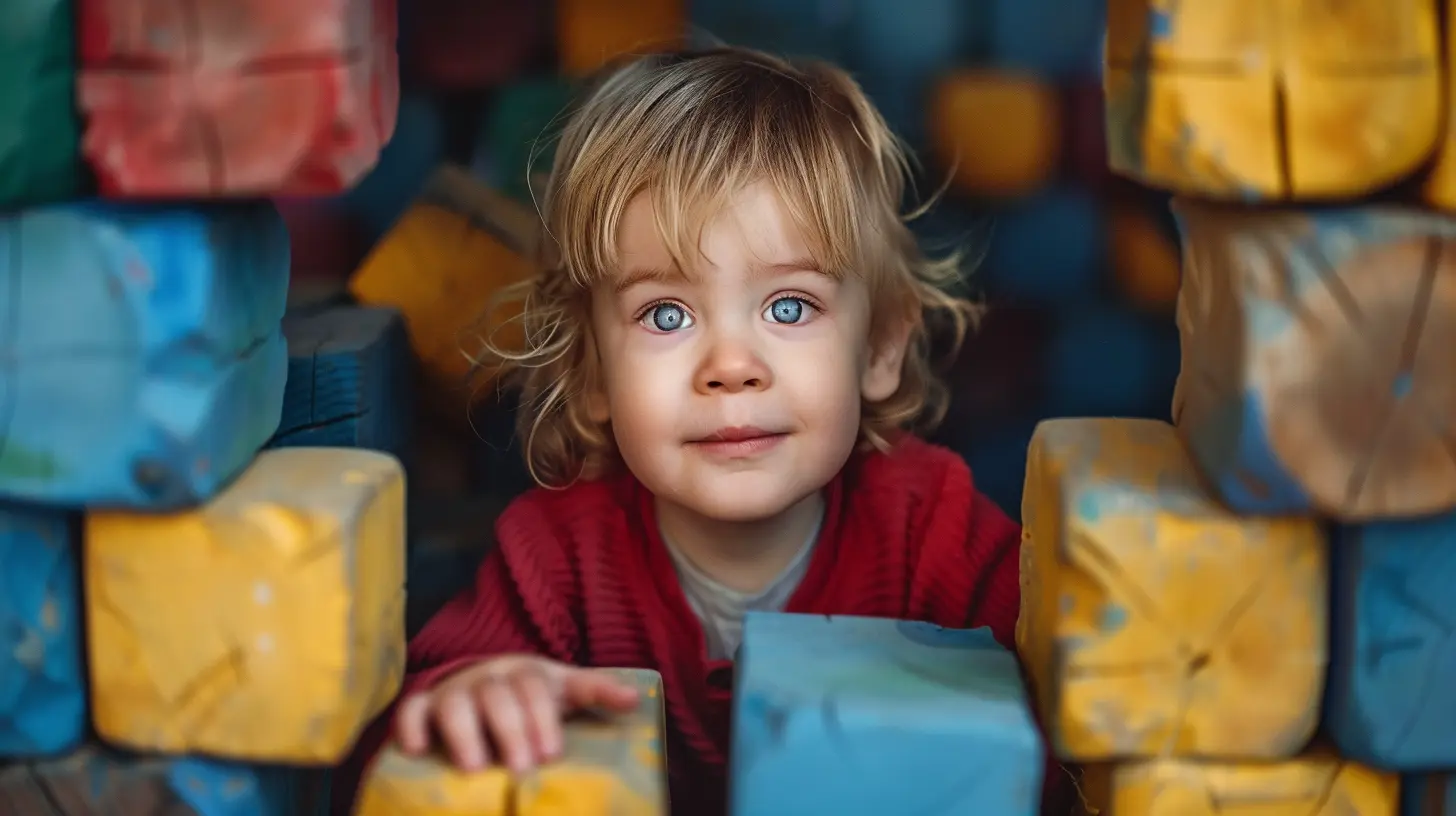
The Science Behind the Power of Play
If you’re the kind of parent who likes research to back things up—rest easy. The experts are 100% behind play-based learning.The American Academy of Pediatrics, for example, continues to emphasize that play is essential for healthy brain development. Psychologist Jean Piaget, who basically laid the foundation for modern child development theories, believed that play is the work of childhood.
What does all of that mean for your child? It means that giving them time and space to play doesn't just help them “stay busy.” It actually boosts memory, attention span, and problem-solving abilities. It’s like planting seeds today for the giant oak tree of knowledge tomorrow.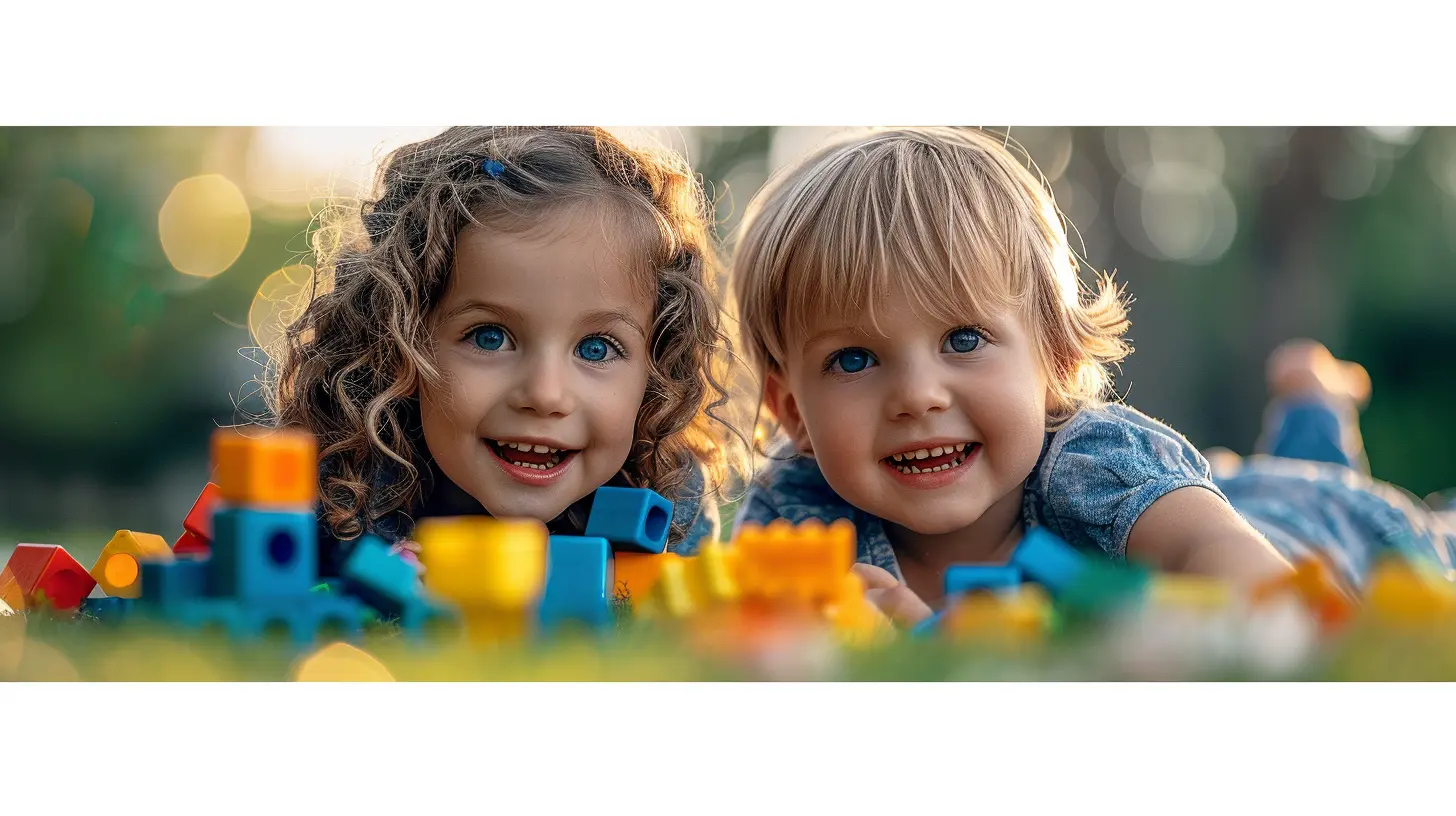
Different Types of Play (Yes, There Are Several!)
Let’s clear up a big misconception: not all play is created equal. Just like there's more than one way to cook pasta (hello, mac and cheese vs. gourmet carbonara), there are different types of play that bring unique benefits.1. Free Play (Unstructured Play)
Think: no rules, no scripts, just imagination leading the way. Building forts with cushions, exploring a backyard jungle, or turning cardboard boxes into rocket ships—this is where kids rule the world.2. Guided Play
This is where you come in. Guided play is child-led but gently scaffolded by adults. Say your child is building a tower, and you prompt them: "What happens if you add a triangle block at the top?" Boom—cognitive growth activated.3. Role Play or Pretend Play
"Let's play house!" Sound familiar? Pretend play is a big deal—it helps them make sense of the world around them. They copy what they see and experiment with interactions: doctors, chefs, astronauts, you name it.4. Physical Play
Running, tumbling, climbing, spinning—physical play builds those big muscles and teaches coordination. Plus, it’s a great way to burn off the sugar rush from that cookie Grandma snuck them.5. Constructive Play
This is where kids build, create, and tinker. Think LEGO towers, puzzles, and crafts. It builds problem-solving muscles and a sense of achievement.6. Social Play
Playdates, group games, and classroom activities fall under this umbrella. Kids learn to share, collaborate, and manage social cues in real-time.Creating a Play-Based Learning Environment at Home
Now you might be thinking, “Okay, this all sounds awesome, but how do I make it happen in my own house—without turning my living room into a preschool chaos zone?”No worries! You don’t need to buy every toy in Target or install a mini classroom in your basement. Here’s how you can create a play-encouraging space at home:
1. Keep It Simple
Not every toy needs batteries or a Wi-Fi connection. Old pots and pans can become musical instruments. Paper towel tubes can be telescopes. Embrace the beauty of low-tech.2. Rotate Toys
Overwhelmed by too many toys? (Because same.) Try rotating them every few weeks. It keeps things fresh and exciting—like finding forgotten treasure in a toy bin.3. Create Zones
Dedicate small areas for different types of play. A reading nook, a dress-up corner, an arts-and-crafts table—it doesn’t have to be Pinterest-perfect.4. Follow Their Lead
Let your child take the reins. Observe what they gravitate towards and then build on it. Love dinosaurs? Set up a mini dig site. Obsessed with animals? Read books, draw pictures, and make animal sounds together.How to Join in Without Taking Over
This one’s tricky. As parents, we want to help—and sometimes that turns into directing… or, let’s be honest, unintentionally steamrolling.But remember, your child is the director. You’re the supporting cast.
Here are a few tips to strike that balance:
- Ask open-ended questions like: “What happens next?” or “What do you think would work here?”
- Avoid turning play into a lesson. If you’re counting blocks, do it in a way that keeps the fun going.
- Get silly! Be the villain. Talk in funny voices. Dance like no one’s watching.
Your presence matters more than perfection.
Real-Life Learning Through Play: Examples That Stick
Let’s get practical. Here are everyday play activities and the sneaky lessons behind them:- Building with Blocks: Geometry, spatial reasoning, patience.
- Pretend Grocery Store: Math (money), language (labels, conversation), social skills.
- Outdoor Treasure Hunt: Observation, mapping, problem-solving.
- Tea Parties with Stuffed Animals: Manners, imagination, turn-taking.
- Finger Painting: Creativity, color recognition, sensory exploration.
One minute they’re covered in paint, the next minute they’re mastering cause and effect. Who knew growth could be so messy and colorful?
Screens vs. Play: Do They Mix?
We live in a world where screens are everywhere—TVs, tablets, smartphones. Let’s face it, they’re part of modern life (and sometimes the only way we get five minutes to pee in peace).But here’s the thing: while educational shows and apps can have value, they can’t replace real-world, hands-on, imaginative play. Passive screen time just doesn’t hold a candle to the active engagement of play.
Aim for balance. Use screens sparingly and choose quality content. But when in doubt, go old-school. Dirt, dolls, and wooden blocks still reign supreme.
Play-Based Learning in Preschool and Beyond
Many top-quality early education centers use a play-based curriculum for this exact reason—it works. It cultivates independence, curiosity, and a love of learning.If you’re evaluating programs for your toddler or preschooler, ask:
- Are kids free to move between activities?
- Is pretend play encouraged?
- Are there open-ended materials?
- Do teachers engage with children during play?
Even in elementary school, elements of play can (and should!) still be there—whether through creative projects, hands-on experiments, or outdoor exploration.
Final Thoughts: Let Them Play!
At the end of the day (or the start of nap time), here’s the truth: play isn’t just downtime. It’s brilliant, beautiful, brain-boosting work for your child. It’s how they make sense of the world, connect the dots, and grow into the amazing humans they’re meant to be.So give yourself permission to let go of rigid rules and soak in the joy of playful learning. Join their games, watch their imaginations bloom, and cherish those messy, giggly, wonderfully wild moments.
Because every building block, silly dance, or magic wand wave is one step closer to raising confident, curious, and capable kids.
all images in this post were generated using AI tools
Category:
Playtime IdeasAuthor:

Karen Hurst
Discussion
rate this article
2 comments
Heather McClure
This article beautifully highlights the importance of play-based learning in early childhood education. By integrating play into learning, children can develop essential skills in a fun and engaging way. It's a refreshing reminder that learning doesn't always have to be structured; sometimes, the best lessons come from play.
January 28, 2026 at 3:49 AM
Karen Hurst
Thank you for your thoughtful comment! I'm glad you found the article highlights the value of play-based learning in fostering essential skills in a joyful way.
Willow Harris
Empowering growth through play!
January 13, 2026 at 5:45 PM
Karen Hurst
Thank you! Play-based learning truly harnesses the power of play to foster creativity and growth in children.