Playful Ways to Help Your Child Develop Fine Motor Skills
9 July 2026
Who knew those tiny hands needed so much work to learn simple tasks like buttoning a shirt or holding a pencil? Fine motor skills are the small but mighty movements that make everyday tasks possible. And while it may seem like kids develop them naturally — and they do, to an extent — a little playful encouragement goes a long way.
The great news? You don't need fancy toys or complicated routines. You just need curiosity, creativity, and a sprinkle of fun. Let’s dive into playful ways to help your child develop fine motor skills while keeping them engaged, giggling, and growing stronger every day.
What Are Fine Motor Skills, Really?
Before we start pulling out Play-Doh and pom-poms, let’s break it down.Fine motor skills involve the coordination of small muscles — especially in the hands and fingers — along with the eyes. It’s all about precision. Think writing, cutting with scissors, zipping a coat, or even just turning a page.
For toddlers and preschoolers, these skills are the foundation of independence. The better developed the fine motor muscles are, the easier life becomes for both the child and the parent (because hey, tying shoes for the tenth time gets old real fast).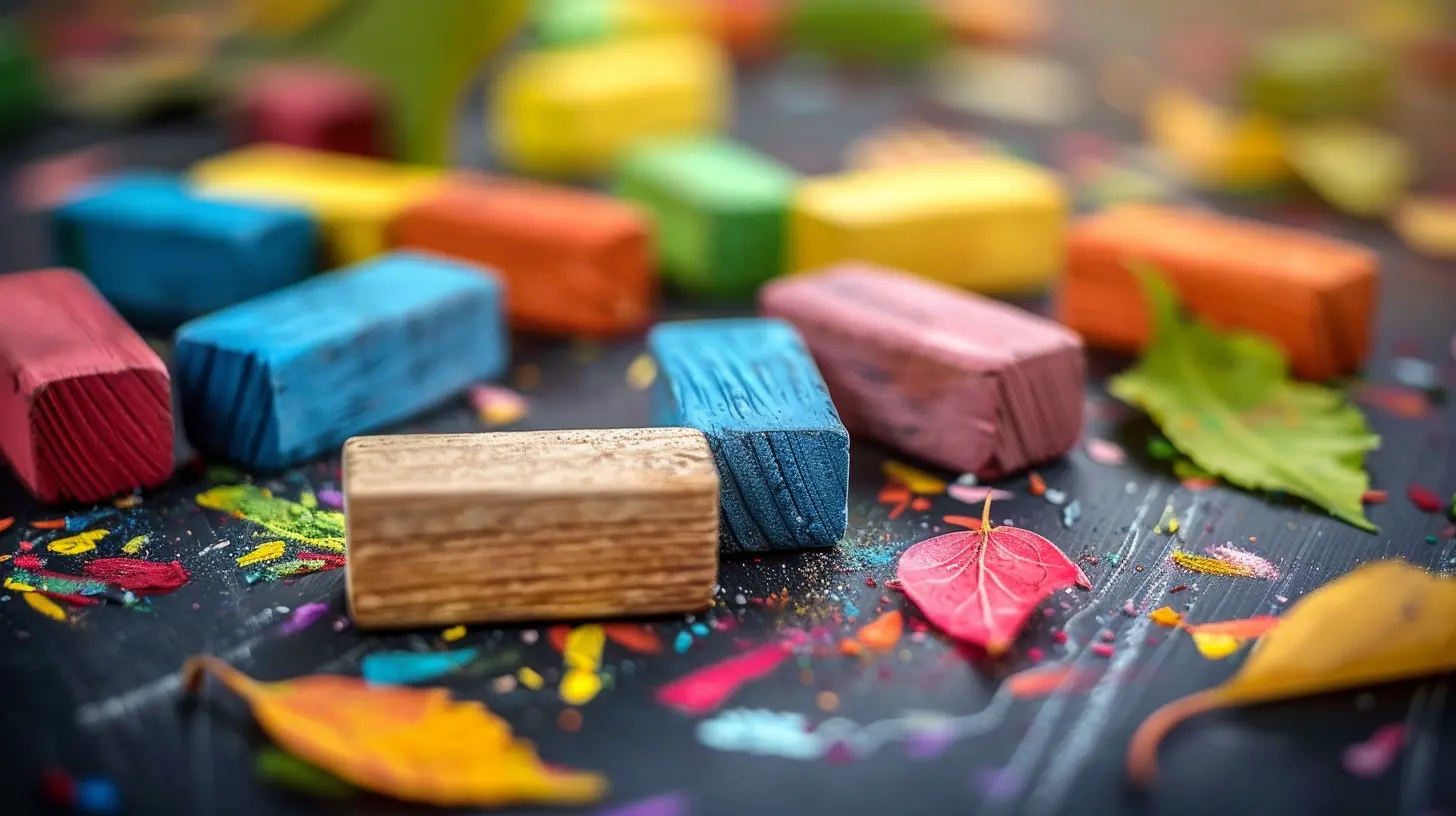
Why Play Is the Secret Sauce
Kids learn best through play — it’s their job, really. When a child is engaged, they're not just having fun, they're building neural pathways, confidence, and physical coordination.Think of play like sneaking veggies into a smoothie — they don’t even realize they're doing something good for themselves because they’re having too much fun.
1. Sensory Bins: A Treasure Hunt for Tiny Hands
Sensory bins are basically a DIY playground for fingers. They’re easy to make, totally customizable, and can keep kids entertained for ages.How It Helps:
Digging, grabbing, pinching, and scooping build finger strength and hand-eye coordination.What You’ll Need:
- A plastic bin or tray- Fillers like dry rice, beans, oats, or pasta
- Scoops, tweezers, measuring spoons
- Hidden toys, buttons, or coins
Ideas to Try:
? Farm-themed bin with animals and corn kernels? Dino-dig with tiny dinosaurs hidden in kinetic sand
? Rainbow rice with color sorting tools
Let your child dig through the bin, pick items out with tweezers or fingers, and sort them. It’s like a mini gym for their hands!
2. The Magic of Play-Doh and Clay
If there were ever a fine motor hero in disguise, it's Play-Doh. All that squishing, rolling, and pinching? Goldmine for tiny muscles.Must-Try Activities:
- Roll snakes and cut them with kid-safe scissors- Make shapes using cookie cutters
- Squish dough into molds or push beads into it
- Create food items like pizzas or cookies
Bonus? It builds creativity and sensory awareness, too!
3. Threading and Beading: Jewelry With Benefits
Whether you're making a bracelet or threading pasta on yarn, this activity is super effective for building precision.Use:
- Beads of various sizes- Shoelaces, yarn, or pipe cleaners
- Dried pasta (penne works great)
- Buttons with wide holes
Start with large holes for beginners and gradually work your way down as their skills improve.
? Tip: Add a pattern challenge! Ask your child to string beads in a color or shape sequence — it's a workout for their brain and fingers.
4. Cutting Practice: Snip, Snip, Hooray!
Scissors and kids can seem like a scary combo at first, but with supervision and child-safe scissors, this activity is not only safe — it’s essential.Try This:
- Cut along simple lines drawn on paper- Snip strips of old magazines or junk mail
- Create paper snowflakes or collages
- Cut playdough (yes, it works and it's fun!)
Cutting strengthens hand muscles and improves control over finger movement. Plus, most kids love it once they get past the awkward phase.
5. Sticker Play and Tearing Paper
Peeling stickers might seem too easy, but it’s actually a serious fine motor workout. Same with tearing paper — it’s oddly satisfying and skill-building.Sticker Ideas:
- Give your child a sticker book- Make sticker scenes (under the sea, outer space, etc.)
- Use stickers for a “seek and stick” scavenger hunt
Try a Tearing Craft:
- Tear pieces of colored paper to make mosaic art- Make confetti or use torn pieces to make a rainbow
Simple? Yes. But super effective — especially for improving pincer grasp and finger dexterity.
6. Water Painting: Art with a Twist
No mess, plus pure fun. All you need is a bucket of water, some paintbrushes (or even sponges), and a sidewalk or fence. Let your little one "paint" the world.Why It Rocks:
- Builds grip and wrist movement- Encourages circular and linear brush strokes
- No cleanup = stress-free fun
You can also swap water for real paint indoors for finger painting or brushwork, just prepare for the mess!
7. Puzzle Time!
Puzzles are fantastic for hand-eye coordination, logical thinking, and fine motor development.Start With:
- Chunky board puzzles for toddlers- Wooden peg puzzles
- Jigsaw puzzles with 6–12 pieces
- 3D puzzles or floor puzzles for older kids
? Tip: Always encourage your child to pick up and rotate the pieces themselves instead of helping too much. The struggle is the skill-building.
8. Clothespin Games and Tweezers
Clothespins are a surprisingly awesome tool. Try squeezing one repeatedly and you’ll see it takes more coordination than you think.Activity Ideas:
- Clip clothespins around a cardboard circle (like a sun)- Transfer pom-poms using tweezers or tongs
- Use chopsticks to pick up cotton balls
- Play a "mini laundry" game with washcloths and a string
These tiny pinching movements improve strength and prepare the hands for writing and other precise tasks.
9. Lacing and Sewing Cards
DIY lacing cards are brilliant for beginners. They're like a junior version of embroidery, minus the sharp needles.DIY It:
- Cut cardboard into shapes (hearts, stars, animals)- Punch holes evenly around the edges
- Use shoelaces or yarn with taped ends for weaving
You can level up to kid-safe sewing kits with plastic needles and felt pieces once they’re ready!
10. Kitchen Helpers: Stirring, Pouring, and Peeling
Believe it or not, your kitchen is a fine motor wonderland.Let Them:
- Stir batter or mix pancakes- Pour water from a small pitcher
- Peel a boiled egg or banana
- Spread peanut butter with a kid-safe knife
Not only are they learning real-life skills, they’re engaging muscles they don’t usually use in toy play. Plus, it sparks food interest and independence.
11. Building Blocks and LEGO Magic
Classic, right? But LEGO and other building toys are more than just creative fun — they’re fine motor dynamos.Try:
- Duplo for younger kids (easier to grip)- LEGO classic sets for older kids
- Magnetic tiles for both fun and strategy
- Wooden building blocks for stacking and balance
The act of connecting, disconnecting, balancing, and rotating pieces pushes motor skills to the next level.
12. Drawing, Coloring, and Tracing
Nothing beats a good ol’ box of crayons. Drawing isn’t just artsy — it’s strategic development for those tiny muscles.Ideas:
- Color inside shapes- Trace around hands or objects
- Connect-the-dots activities
- Use chalk outside for big movement art
Swap crayons for markers, colored pencils, even Q-tips and paint to keep things interesting.
Final Tips for Encouraging Fine Motor Play
- Keep activities short and sweet to match your child’s attention span- Celebrate effort, not perfection
- Rotate toys and tools to keep things fresh
- Be patient — progress can be slow but steady
- Sit and play alongside them—it boosts bonding and motivation
Remember, fine motor development isn't a race. It's like watering a plant — with the right care, attention, and a little sunlight (read: fun), your child will bloom beautifully.
Wrapping Up
Helping your child develop fine motor skills doesn’t have to be a chore. With a playful spirit, everyday objects, and a little creativity, you can turn ordinary moments into extraordinary growth opportunities. So grab those pom-poms, squish that dough, and get those little fingers moving — because strong hands lead to confident kids.all images in this post were generated using AI tools
Category:
Playtime IdeasAuthor:

Karen Hurst
Discussion
rate this article
1 comments
Zephyrion McLaughlin
Fine motor skills? Get playful, now!
July 9, 2026 at 4:27 AM