Raising Resilient Kids with Positive Strategies
28 May 2026
Let’s be honest for a moment—parenting is a bit like juggling flaming swords while someone throws Legos at your feet. Beautiful, chaotic, sometimes painful, and always unpredictable. But if there’s one thing we all want for our wild little bundles of energy, it’s for them to grow up resilient. Not just “I survived broccoli night” resilient, but genuinely capable of bouncing back from life’s curveballs with a smile (and maybe a sarcastic quip or two).
Welcome to the jungle gym of parenting where we’re going to talk about how to raise resilient kids using positive strategies. No, you don’t need a PhD in child psychology or a zen master certification. Just a mix of love, laughter, a sprinkle of chaos, and a whole lot of perspective.
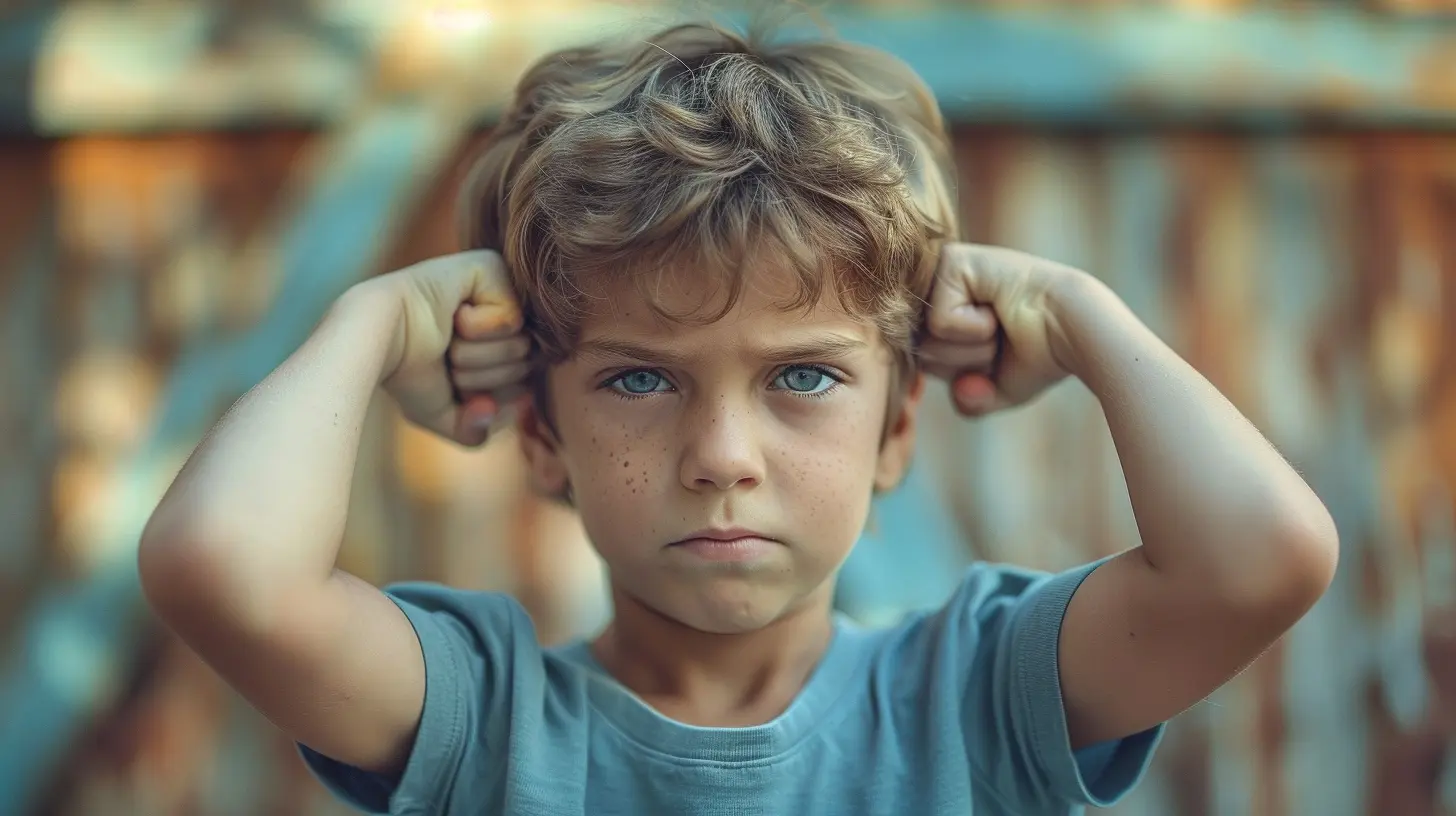
What Even Is Resilience, Anyway?
Resilience isn't about raising mini-robots who feel nothing and carry on like nothing ever phases them. Nope. It’s about teaching kids that yes, life can be tough—but so are they. Resilience is the emotional muscle that helps them cope with disappointment, handle stress, and start over when things fall apart (like that LEGO castle they just spent four hours building).And here's the kicker: it’s not something kids are born with or without. It’s a skill. Just like riding a bike—or convincing a toddler to eat something green. It takes time, trial, error, and a whole lot of patience.

Why Positive Strategies Work (Spoiler Alert: They Actually Stick)
Now, why go the “positive strategies” route? Couldn’t we just tell them to toughen up and walk barefoot in the snow like our grandparents supposedly did?You could. But science (and, you know, common sense) tells us that positive reinforcement works better in the long run. When children are treated with respect, empathy, and encouragement, they’re more likely to internalize those behaviors and mimic them. It also strengthens their sense of self-worth, making them more confident and secure.
Think of it like planting a tree: yelling at it won’t help it grow faster. But give it sunshine, water, and a little encouragement (maybe a “you got this, buddy!” now and then), and it’ll thrive.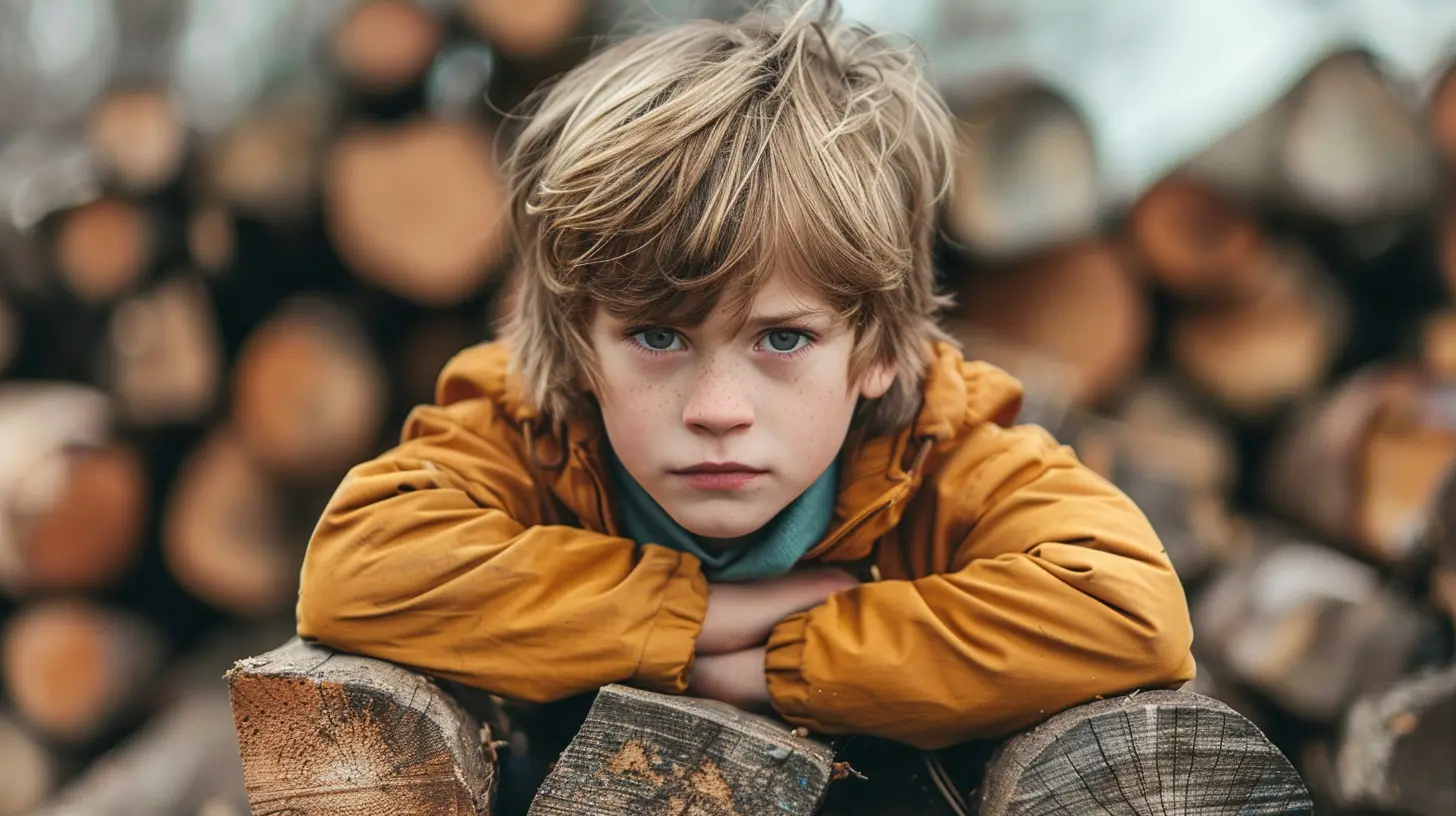
Start With Connection - The Root of All Resilience
Emotional Anchoring
Kids need a safe harbor—a place where they feel understood, seen, and accepted. That’s you. Your relationship with your child is the emotional anchor that helps them face the world. When they know they've got someone cheering them on, they’re more willing to take risks, try new things, and bounce back when things go sideways.So start with emotional connection. That means putting down your phone (yes, even during that cliffhanger on Netflix), making eye contact, and genuinely tuning into what your child is experiencing.
Play the Long Game
Connection doesn’t mean giving in to every tantrum or saying yes to gummy bears for dinner. It means being consistent, firm when needed, but always kind. It means staying in the conversation even when your 12-year-old rolls their eyes so hard you’re worried they'll strain something.
Teach Problem-Solving (Without Solving All Their Problems)
Raise your hand if you’ve ever swooped in to “save” your kid from a tough situation. Guilty as charged? Me too. It’s instinct. But here's the twist: every time we fix things for them, we rob them of the chance to figure it out themselves.Ask, Don’t Tell
Instead of jumping in with solutions, try asking guiding questions like:- "What do you think you should do?"
- "How did that make you feel?"
- "What could you try next time?"
Encourage brainstorming. Sure, their first idea might be “build a time machine and redo everything,” but hey—it’s a start.
Let Them Fail (Lovingly)
Failure isn’t the enemy. It’s the teacher. Let your kids make mistakes in a safe space. Forgot their homework? Let them face the consequence. Didn’t study for a test? That’s a learning opportunity. It’s not about being harsh; it’s about helping them build their own resilience toolkit.Model the Behavior You Want to See
Okay, brace yourself. Here's the inconvenient truth: kids do as we do, not as we say. If we freak out every time things don’t go our way, they’ll likely do the same.Be the Calm in Their Storm
Lost your keys again? Burnt dinner? Late for school (again)? Show them what it looks like to stay calm under pressure. Narrate your coping strategies out loud:> “Okay, this is frustrating—but I’m going to take a deep breath and figure this out.”
Kids are like sponges, except way noisier. They absorb our behaviors, so let’s give them good ones to mimic.
Praise Effort, Not Perfection
“Good job” is nice. But it’s like the chicken nugget of praise—acceptable, but kind of bland.Be Specific, Be Encouraging
Instead of “you’re so smart,” go for:- “I noticed how hard you worked on that—great persistence!”
- “It’s awesome how you kept trying, even when it was tough.”
This shifts the focus from fixed traits (“smart”) to growth behaviors (“persistent”), which helps kids see challenges as something they can overcome with effort, not something they succeed at only if they’re perfect.
Build a Resilience-Friendly Environment
Your home doesn’t need to be a bootcamp or a Zen monastery. Just a place where kids can learn, grow, and stumble a bit along the way.Set Routines (With Wiggle Room)
Structure helps kids feel safe. Knowing what to expect reduces anxiety and builds confidence. But leave some flexibility so they learn to adapt when things change. Because, spoiler alert: life changes. A lot.Encourage Independence
Yes, it’s faster to do things for them—but letting toddlers put on their own shoes or teens pack their own lunches builds self-sufficiency. Sure, the shoes might be on the wrong feet, and lunch might be four cookies and a carrot stick, but progress is progress.Talk About Emotions Like It’s Totally Normal (Because It Is)
Raise your hand if you were taught to bottle up your feelings. Yeah, same. But teaching kids to name and express their emotions helps them manage them. And emotional literacy is a HUGE part of resilience.Name That Feeling!
Whether your kid is furious that their balloon popped or scared about a math test, help them label it:- “Sounds like you’re feeling really frustrated.”
- “It’s okay to feel nervous before something new.”
This helps them separate who they are from what they feel—and that’s powerful stuff.
Foster a Growth Mindset (a.k.a. “The Power of Yet”)
Kids with a growth mindset believe they can improve with effort. And that makes them more willing to try new things, fail, and try again.Turn Struggles Into Learning Moments
When your child says, “I can’t do this,” gently add, “…yet.”- “You’re learning.”
- “Mistakes help your brain grow.”
- “Every expert was once a beginner.”
Yes, it sounds cheesy. But it works. Kids (and adults!) need to believe that skills can grow. Because if they think success is about innate talent, they’ll give up the first time they hit a wall.
Keep Humor Alive (Because Laughter Is Resilience Superglue)
Life gets heavy. Homework, chores, social drama, lost socks—it adds up. But laughter? That’s the release valve.Tell silly stories. Have impromptu dance-offs. Make ridiculous faces during math homework. Let your home be a place where your kids learn that even when life gets tough, there’s always room for a good belly laugh.
When in Doubt—Just Keep Showing Up
No strategy, no book, no blog (yes, even this marvelous piece of digital wisdom) can make parenting easy. But showing up every day—imperfectly, but with love—counts more than anything else.When your child knows you’re in their corner no matter what, they’ll start to believe in their own ability to handle the world.
And frankly, isn’t that what resilience is all about?
Final Thoughts: You’ve Got This (and So Do They)
Raising resilient kids doesn’t come with a one-size-fits-all manual. It’s about consistent effort, heaps of patience, and the occasional ice cream bribery. But it is possible—and it’s absolutely worth it.So the next time your child melts down over a popped balloon, a math mistake, or a broken crayon, take a deep breath. Remember, this is just one chapter in the long book of raising a strong, compassionate, and grounded human.
And hey—flaming swords and all—you’re doing great.
all images in this post were generated using AI tools
Category:
Positive DisciplineAuthor:

Karen Hurst
Discussion
rate this article
2 comments
Zephyrian Thompson
Great tips! Building resilience in kids is so important. A little positivity goes a long way. Remember, every small effort counts. Keep shining and inspiring those little ones to face challenges with confidence... you got this!
July 2, 2026 at 4:00 AM
Rook Chavez
This article offers valuable insights on fostering resilience in children. The emphasis on positive strategies is refreshing and practical, providing parents with actionable tips. It's great to see an approach that balances encouragement with realistic expectations, helping kids develop strength while feeling supported in their growth journey.
June 2, 2026 at 4:44 PM
Karen Hurst
Thank you for your thoughtful comment! I'm glad you found the insights helpful and appreciate your perspective on balancing encouragement with realistic expectations.