Raising Responsible Digital Citizens in 2027
15 April 2026
Remember when we used to worry about our kids having too much screen time? It feels almost quaint now, doesn’t it? Fast forward to 2027, and the digital landscape isn’t just a place our children visit—it’s woven into the very fabric of their identities, friendships, education, and futures. The sandbox has been replaced by servers, and the playground is now a persistent, immersive, and often invisible network. So, how do we, as parents, move beyond simple time limits and into the nuanced work of raising truly responsible digital citizens? It’s less about building a taller fence and more about teaching expert navigation for a world that is constantly shifting beneath our feet.

Beyond Screen Time: The 2027 Digital Citizenship Mandate
Let’s be honest: the old “two hours a day” rule is about as useful as a dial-up modem in a virtual reality lobby. In 2027, digital citizenship isn’t a separate subject you teach on Tuesday afternoons. It’s the core curriculum for modern life. It encompasses ethics, empathy, security, critical thinking, and personal brand management—all before they’ve even picked a major in college.Think of it like teaching a child to navigate a vast, bustling city. You wouldn’t just say, “Don’t be outside for more than two hours.” You’d teach them how to cross the street safely, how to be respectful to strangers, how to spot a risky situation, how to manage their money, and how to find their way home. The digital metropolis of 2027 demands the same comprehensive skill set. Our job is to be the guiding voice in their earpiece, not the locked door keeping them inside.
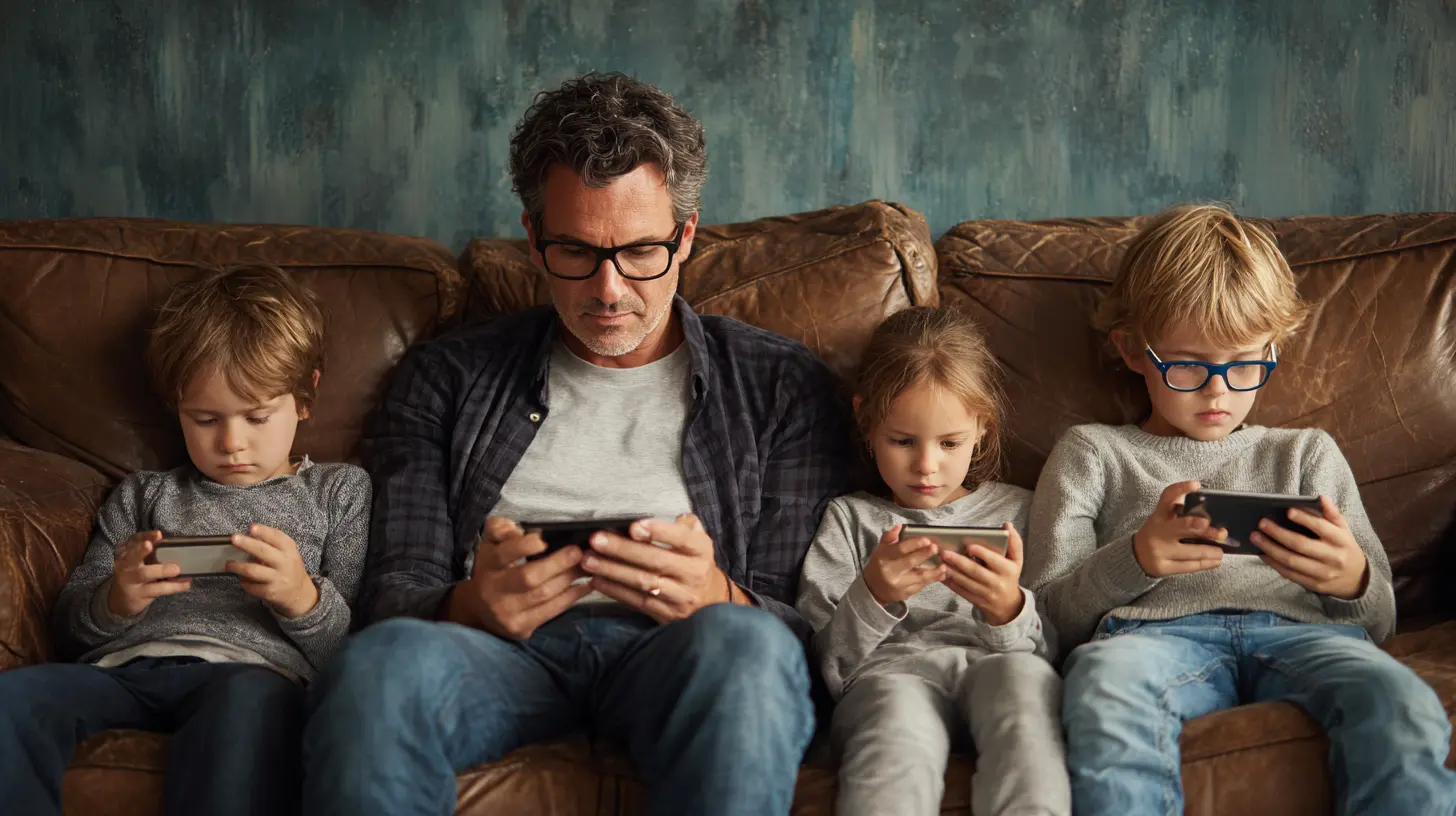
The New Frontiers: Understanding the 2027 Digital Terrain
To guide them, we first need to understand the map—or at least acknowledge that the old ones are obsolete. What does the digital ecosystem of 2027 look like for our kids?The Metaverse & Immersive Learning: By 2027, “going online” might mean strapping on lightweight glasses or a neural interface headband for a history lesson where you walk through ancient Rome, or a biology class where you journey through a human cell. The line between consumption and creation, between playing a game and building a project, will be profoundly blurred. Digital citizenship here means understanding avatar ethics, respecting virtual personal space, and discerning between immersive education and immersive manipulation.
AI Companions & Tutors: Your child’s best study buddy or confidant might be an advanced AI. These entities will help with homework, practice conversation, and provide companionship. The challenge? Teaching our kids to maintain healthy human relationships, to recognize the limitations and biases of AI, and to protect their deepest emotional data from systems designed to learn from them. It’s the difference between having a helpful encyclopedia and an entity that shapes your worldview.
Data as DNA: In 2027, every interaction, from the way they scroll through a 3D museum to their biometric responses in an educational game, is valuable data. Our children are generating a digital twin from birth. Responsible citizenship means they understand their data footprint—that it has value, can be used to influence them, and is a part of their identity they must learn to curate and protect. It’s not just about privacy settings; it’s about data sovereignty.

The Pillars of Digital Responsibility in 2027
With this terrain in mind, our parenting focus must shift to foundational pillars. These aren’t one-time talks, but ongoing dialogues woven into daily life.1. Critical Thinking in the Age of Deepfakes & Synthetic Media
“Seeing is believing” is a dead phrase. By 2027, hyper-realistic fake videos, AI-generated news anchors, and synthetic voices will be commonplace. Our children’s first line of defense isn’t a fact-checker website; it’s a skeptical and inquisitive mind.We need to teach them to ask new questions: Who benefits from me believing this? What emotion is this making me feel, and is that the point? Can I find this story reported by three very different, credible sources? Make it a game. Show them a convincing deepfake and dissect its flaws. Teach them that their emotional reaction is often the target. This is about building a mental immune system, not just handing them a bottle of informational vitamins.
2. Digital Empathy & Avatar Ethics
When interaction happens through an avatar in a virtual world, it’s easier to forget there’s a human with real feelings on the other side. Digital empathy is the conscious practice of translating online actions into real-world consequences.Talk about it: “How do you think your comment made that person’s digital twin—and their real heart—feel?” “Just because you can build a wall around someone’s virtual plot of land, should you?” Use analogies from the physical world. Harassment in a game lobby is still harassment. Spreading rumors in a group chat is still character assassination. The medium changes; the impact on human dignity does not.
3. Intentional Presence & Digital Well-Being
This is the 2027 upgrade to “screen time.” It’s not about how long, but how and why. Was that three hours in the metaverse a collaborative project that left them energized, or a compulsive scroll through algorithmically-generated, anxiety-inducing content loops?Teach them to audit their digital diet. Encourage them to ask: “Did that interaction make me feel connected or isolated? Informed or outraged? Creative or passive?” Help them design their own digital environments—muting certain AI influencers, using focus modes on their immersive tech, scheduling digital sunsets for their smart home. They must learn to be the architects of their own attention, not the tenants of an app developer’s design.
4. Proactive Security & Digital Footprint Curation
Passwords and “don’t talk to strangers” are kindergarten basics. In 2027, security is about understanding that their face scan, voice pattern, and behavioral data are the new keys to their identity.Walk them through multi-factor authentication for their virtual assets. Discuss the long-term implications of what they post, not just for college admissions, but for future facial recognition databases or AI training sets. Their digital footprint is their resume, their art portfolio, and their permanent record, all in one. They need to learn to curate it with the same care they’d put into preparing for a major job interview—because in many ways, they already are.
5. The Creator Mindset vs. The Consumer Spiral
The most powerful antidote to passive, algorithmic consumption is active creation. The tools of 2027—simple 3D modeling apps, AI-assisted music and art generators, virtual world builders—will make creation more accessible than ever.Foster the creator mindset. Encourage them to build a virtual garden, code a simple game mechanic, use an AI to write a story and then edit it to sound like them. When they create, they shift from being a product sold to advertisers to being an inventor, an artist, a problem-solver. They understand the effort behind the content, which builds respect and critical insight. They’re programming the world, not just being programmed by it.

The Parent’s Role: Guide, Not Gatekeeper
Our role is evolving from network administrator to mentor and fellow explorer. This requires humility. They will often be more fluent in the new tools than we are. That’s okay. Our value isn’t in our technical prowess, but in our lived experience with ethics, relationships, and consequences.Co-Explore: Put on the headset with them. Let them teach you how their favorite learning world works. Your curiosity models lifelong learning and gives you a shared language.
Model the Behavior: Are you doomscrolling at dinner? Bringing work stress into family chats? Your relationship with technology is the primary template they see. Narrate your own digital choices out loud. “I’m feeling overwhelmed by these notifications, so I’m turning on ‘Focus Mode’ for an hour.”
Establish Family Digital Principles, Not Just Rules: Instead of a top-down list of bans, collaborate on a family charter. “In this house, we protect each other’s data. We question sensational information. We use tech to connect, not compare. We create as much as we consume.”
The Bridge to the Future
Raising responsible digital citizens in 2027 is an act of profound hope. It acknowledges the risks and the shadows, but it chooses to focus on building light—equipping our children with the wisdom, resilience, and ethical framework to not just survive the digital future, but to shape it.We are building the bridge they will walk across. Let’s build it not with fear and restriction, but with the strong, flexible materials of critical thought, unwavering empathy, and empowered creativity. The goal is a generation that doesn’t just use technology, but masters it, humanizes it, and directs it toward a world that is more connected, truthful, and kind than the one we logged into. The journey starts with our next conversation. So, what virtual world should we visit together this weekend?
all images in this post were generated using AI tools
Category:
Parenting EthicsAuthor:

Karen Hurst
Discussion
rate this article
2 comments
Lana Estes
Teaching digital responsibility is crucial. Let's guide our children to navigate technology wisely and ethically for a better future.
April 16, 2026 at 4:39 AM
Sloane Alexander
What a fantastic read! Embracing technology while nurturing responsible digital citizens is so important. I love the practical tips and insights shared here! Together, we can guide our kids to thrive in the digital world. Keep shining!
April 15, 2026 at 4:46 AM
Karen Hurst
Thank you so much! Thrilled you enjoyed it. Here's to raising savvy, kind, and resilient digital citizens—together. ✨