School Safety: Conversations You Should Be Having With Your Kids
10 August 2026
Let’s face it—being a parent in today’s world means constantly balancing between helicopter mode and giving your kids the wings to fly. We want them to be confident, independent little humans, but at the same time, we also worry about their safety, especially when they’re at school.
You’d think school is the safest place after home—but let’s be real, things have changed. From bullying to stranger danger, fire drills to active shooter policies—there’s a LOT going on that we didn’t really have to worry about when we were in school.
So, how do we prep our kids without terrifying them? How do we make sure they know what to do, how to act, and most importantly, how to talk to us about what’s going on? Simple. We talk to them.
Let’s dive into the conversations you need to be having with your kids about school safety. Not the boring, lecture-y kind—real, honest, age-appropriate chats that’ll help them feel safe, confident, and prepared.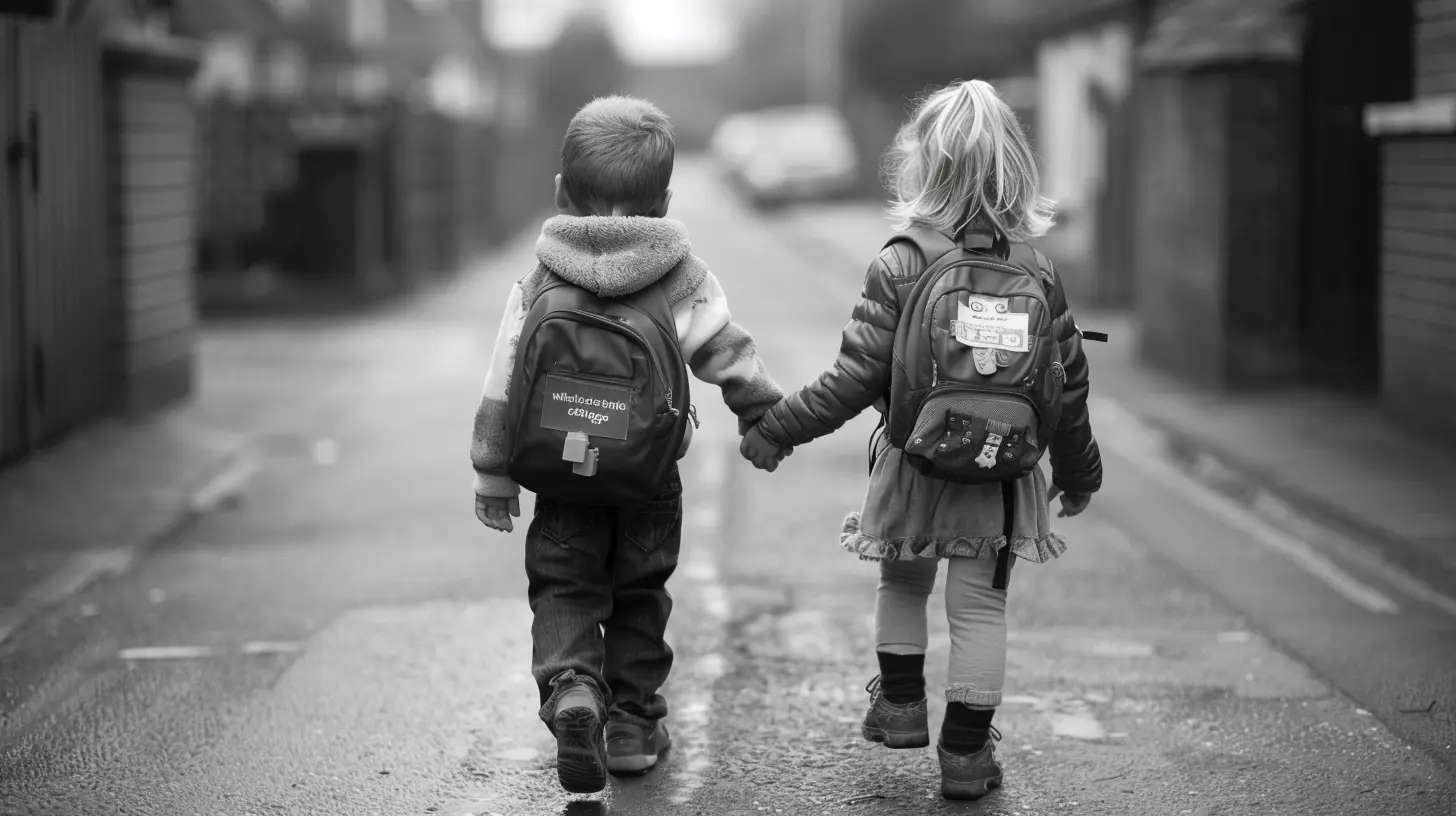
? Start With The Basics: “What Does Safety Mean To You?”
Before you jump into specifics, start with a broad conversation. Ask your kids, “What does feeling safe at school mean to you?”You’d be surprised by what they say. For some, it might be knowing their friends are nice. For others, it might be that there’s always a grown-up nearby. This simple question opens the door to a bigger chat—and it helps you understand what they already know (or think they know) about safety.
Don't just throw rules at them—build on what they already understand.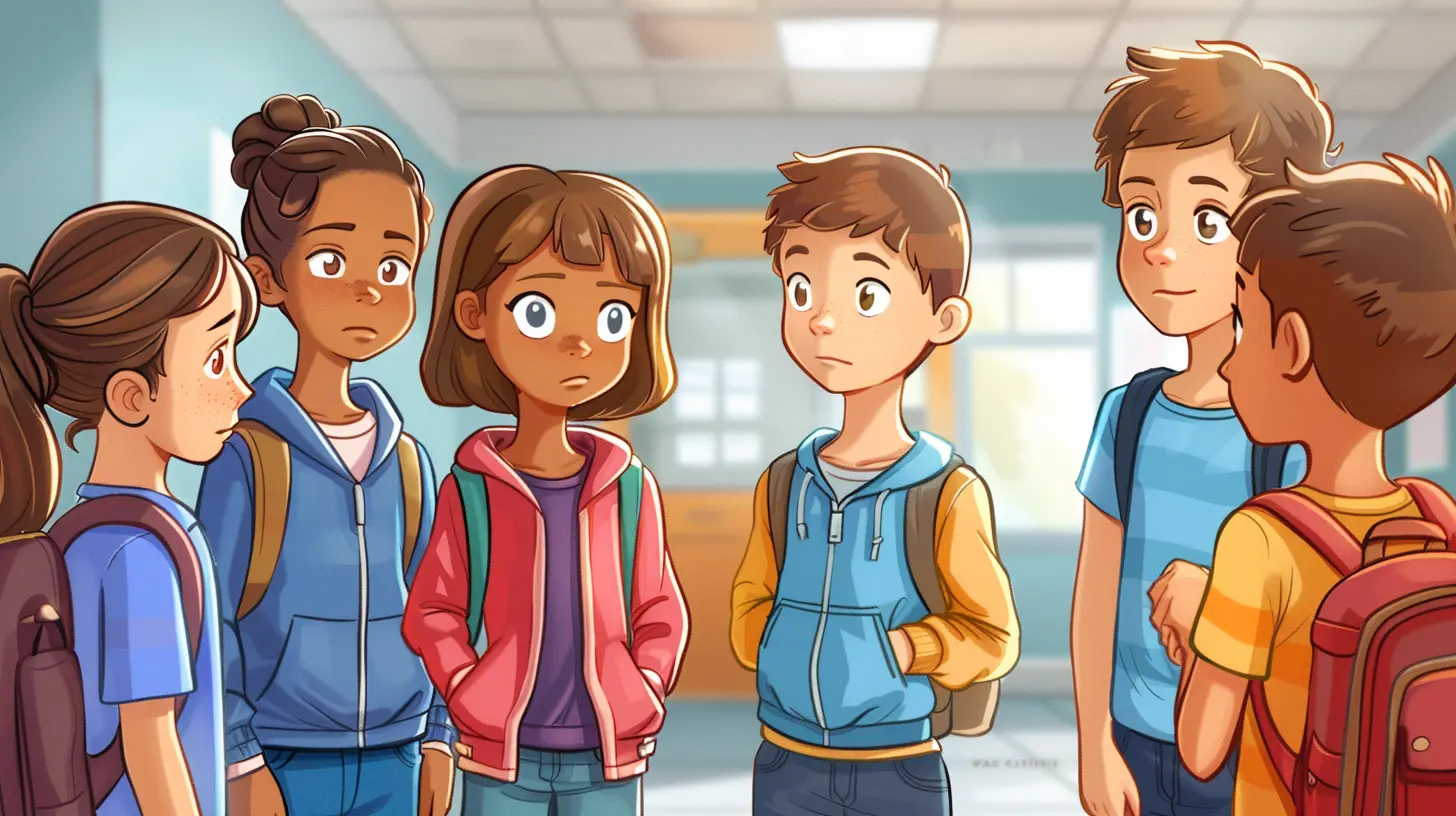
? Talk About Talking: Encouraging Open Communication
If there’s one golden rule in parenting, it’s this: Keep that communication line open.Kids need to know they can talk to us, especially when something feels off. Create a judgment-free zone, where no topic is too small or too weird. Seriously, even if it’s about a strange smell in the cafeteria—if it’s bothering them, it’s important.
Here’s how to do it:
- Ask open-ended questions. Try “What was the best and worst thing today?” instead of “Did anything bad happen?”
- Celebrate honesty, even when it’s uncomfortable.
- Remind them: “You will never be in trouble for telling the truth.”
Because if they can’t talk to you, they might stay silent when it matters most.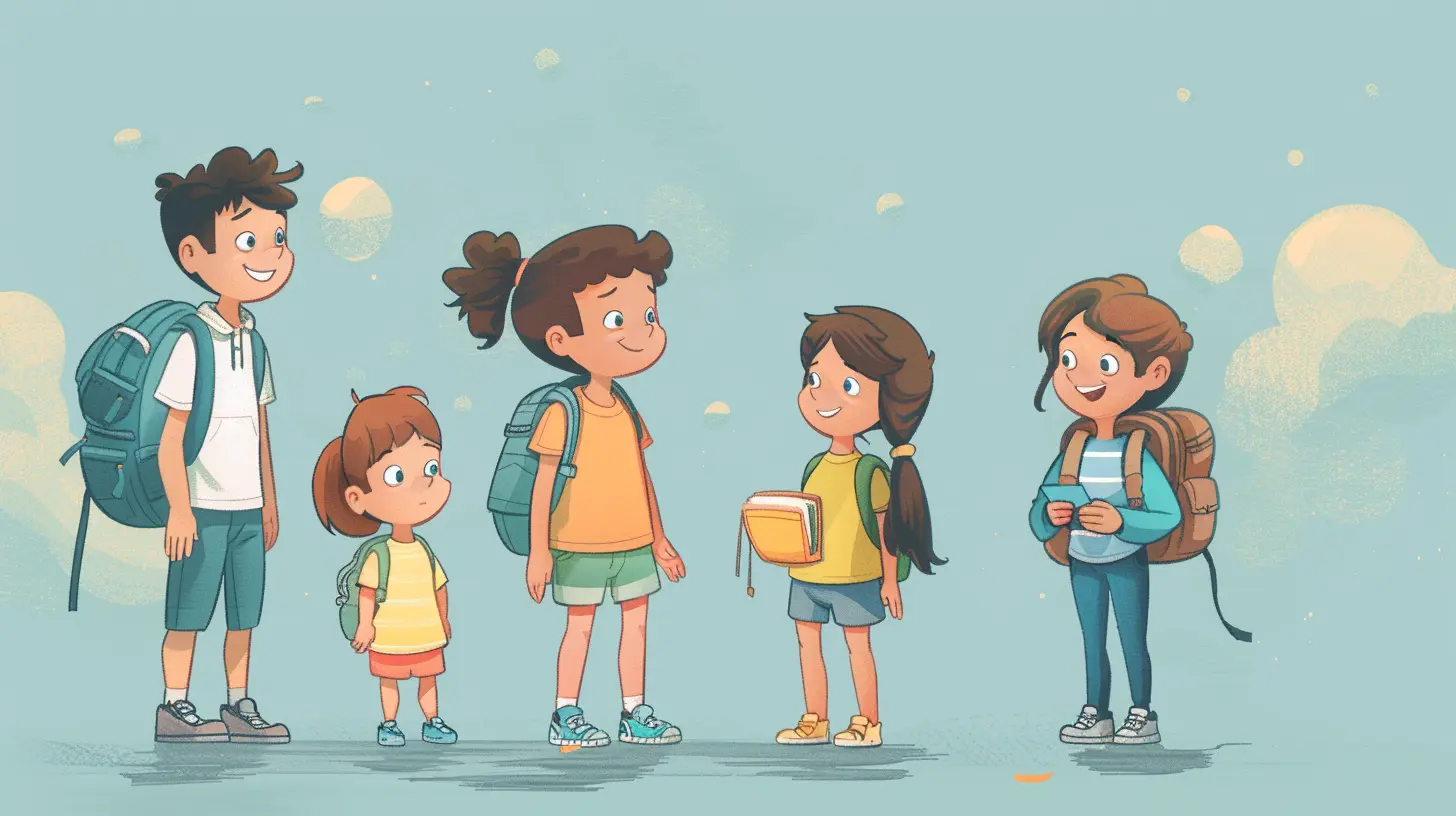
?♂️ Emergency Drills: Not Just Another Boring Rehearsal
Remember those fire drills we used to have? We’d shuffle outside half-asleep, more excited to escape math class than anything else.Well, now schools do fire drills, lockdown drills, tornado drills, earthquake drills—you name it. It’s intense. And for kids, it can be confusing or even scary. That’s why you have to talk this one through.
Start Here:
- Ask your kids what types of drills they’ve practiced.
- Ask how they felt during those drills.
- Explain the why behind each one—without spooking them.
Say something like, “Just like we wear seatbelts to stay safe in the car, these drills help us practice staying safe at school.”
Help them understand it’s all about being ready, not scared.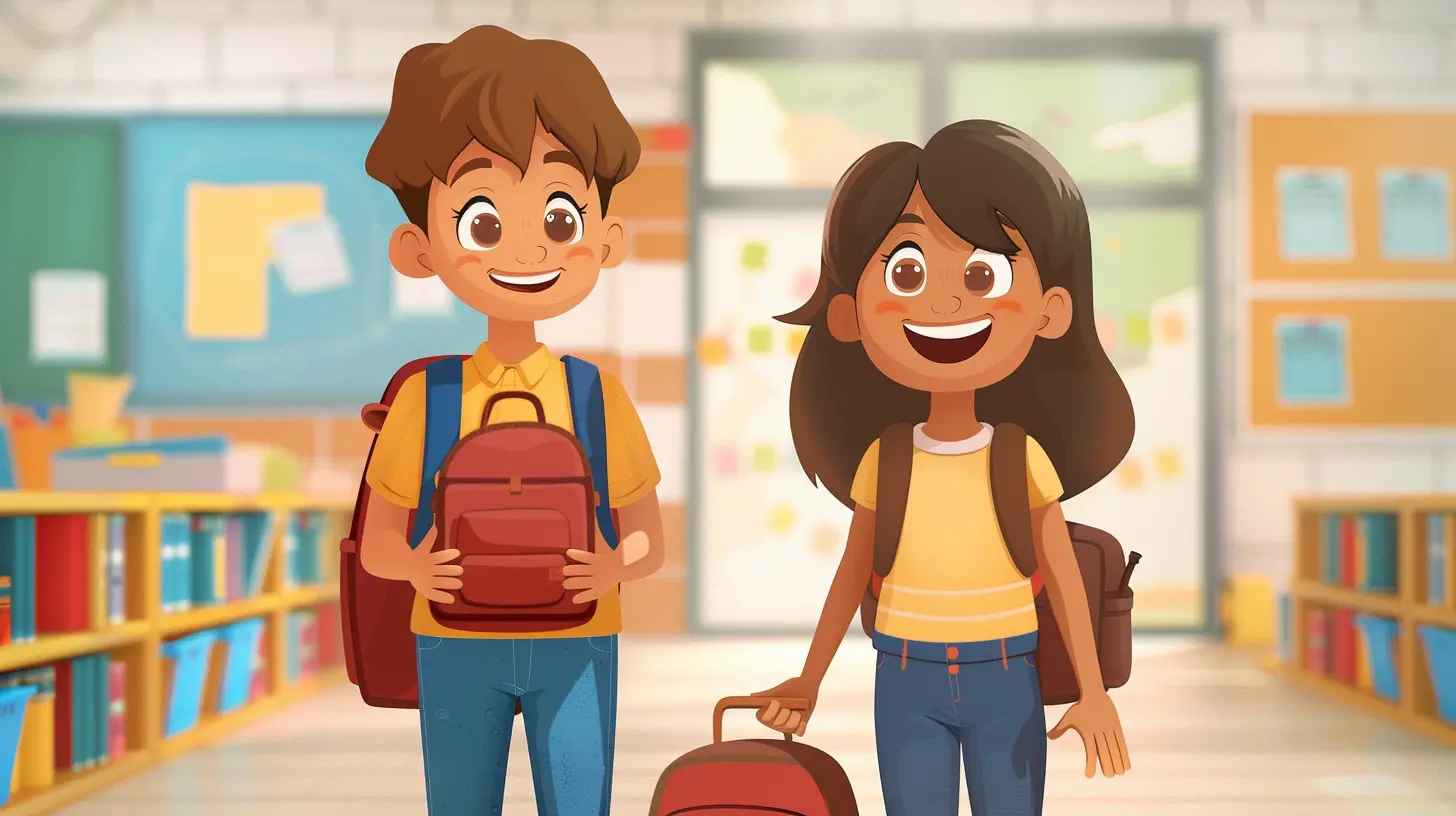
? Stranger Danger 2.0: People They Don’t Know
The “stranger danger” talks of the 90s are kind of outdated now. Sure, it’s still important, but today, the message is more nuanced.Let’s face it—sometimes strangers have to help. A substitute teacher, a police officer, or even a parent volunteer might be a stranger.
So the new focus is: Safe strangers vs. unsafe situations.
Tips to Talk It Out:
- Teach them to trust their gut. “If someone makes you feel weird, even if they seem nice, tell a grown-up you trust.”
- Create a plan. “If someone you don’t know tries to pick you up, what would you do?”
- Use role-playing. “Let’s pretend someone you don’t know says, ‘Your mom told me to get you.’ What do you do?”
Turning it into a game makes it way less scary—and way more memorable.
? Street Smarts: Getting To And From School Safely
Whether your kid bikes, walks, or takes the bus, the journey to school is a crucial part of their safety routine. And no, you don’t need to cover them in bubble wrap—they just need to know what smart choices look like.Conversation Starters:
- “What would you do if you missed the bus?”
- “Should you talk to anyone while you walk home alone?”
- “What’s the safest route to school?”
Teach them to stick to familiar routes, avoid shortcuts, stay off their phones, and know where to go if they need help.
And hey—bonus points if you walk the route with them a few times. It shows you care, and it helps reinforce the safety habits you’re talking about.
?♂️ Bullying: Telling Isn’t Tattling
Ah, the big B word. Bullying.It’s one of the hardest things kids go through—and one of the hardest things for parents to hear about. But avoiding the topic doesn’t make it disappear. Your kid needs to know:
- What bullying looks like (not just the classic shoving-in-lockers version).
- That it’s okay to speak up, whether it happens to them or someone else.
- That telling isn’t tattling, it’s being brave.
Try saying something like, “If someone is being hurtful on purpose—again and again—that’s bullying, and it’s not okay.”
And then hit them with the big one:
“You don’t have to deal with it alone.”
? Internet Safety: Because the Playground Isn’t Just IRL Anymore
Yep. We gotta go there.These days, your kid’s classroom is half online—and the dangers there can be just as real. Social media drama, inappropriate content, cyberbullying... it’s a whole new ball game.
Here’s what to tackle:
- Why personal info should stay personal (no, we’re not handing out our home address to strangers online, thank you very much).
- What to do if they see something that makes them uncomfortable (hint: they need to tell you).
- The “forever” rule: “If you wouldn’t want Grandma to see it, don’t post it.”
Make it casual, keep it ongoing, and above all—listen more than you lecture.
?? Knowing Who to Turn To: Trusted Adults at School
Sometimes, your child might not want to come straight to you—and that’s okay. What matters is that they know who they can talk to if they need help.Teachers. School counselors. The school nurse. Even the lunch lady who always smiles at them.
Help your child make a mental list of trusted adults they can go to if:
- Something feels wrong.
- They’re scared.
- Another kid needs help.
- They just want to talk.
Make sure they understand they’re never alone—even when you’re not around.
? Handling the "What-Ifs" Without Freaking Them Out
“What if there’s a fire?” “What if someone tries to break in?” “What if I get lost?”Kids have questions. LOTS of them. And sometimes, they’ll spiral into imaginary disaster zones that sound like a movie plot.
Here’s the secret: Don’t dismiss their worries. Validate them and empower them.
Say things like:
- “That’s a smart question. Let’s talk about it.”
- “Here’s what you can do in that situation.”
The key? Make it clear they have options. They have power. They won’t be alone.
You’re not scaring them—you’re giving them tools.
? Practice Makes Prepared: Role-Playing Real-Life Scenarios
Okay, I know this sounds silly at first, but trust me. Kids remember what they do way more than what they hear.So set up pretend situations and walk through them together:
- “Let’s pretend your school has a lockdown. What do you do?”
- “I’ll be a stranger at the park. What do you say if I ask for help finding my dog?”
- “Your friend is getting picked on at lunch. What would you do?”
It’s like a mini dress rehearsal for real life—and it makes the lessons stick.
Plus, it’s kind of fun. You get to act a little weird, and your kid gets to boss you around for a change. Win-win.
? Make a Family Safety Plan
Here’s an idea—build a safety plan together like you’re secret agents on a mission. Give it a name (“Mission Safe School,” anyone?), put it in a binder, or just keep it on the fridge.Include:
- Emergency contact numbers.
- A “safe word” for emergencies.
- A map of routes to and from school.
- A list of trusted adults.
- “What-to-do-if” scenarios.
Making it a team project helps your child feel included—and it’s way cooler than just handing them a sheet of rules.
? Finish With Reassurance (Because You’re Still Their Safe Place)
At the end of every school safety talk, always circle back to this:“You are safe. We’re here for you. And you can always come to us—no matter what.”
Because no matter how much we teach them, the world can still be scary. Your love and calm presence? That’s the anchor that keeps everything steady.
Give them a big ol’ hug, a high-five, or whatever your family’s thing is. Let them carry that sense of safety with them—right into the classroom.
Final Thoughts
School safety isn’t just one conversation—it’s a bunch of little ones over time. It’s a check-in over dinner, a quick chat in the car, a whispered question at bedtime. It doesn’t have to be heavy or perfect—just honest and consistent.Because when kids feel prepared, they feel powerful. And when they feel powerful, they can focus on what school’s really about—learning, laughing, and becoming those awesome humans you’re raising them to be.
And hey, isn’t that what we all want?
all images in this post were generated using AI tools
Category:
Back To School TipsAuthor:

Karen Hurst