Secret Tricks to Get Kids to Listen the First Time
3 January 2026
Let’s be honest — getting kids to listen the first time feels a bit like trying to get toothpaste back in the tube. It sounds simple, but in reality? It’s a battle between your instructions and their distractions. You’re not alone. Whether you're dealing with a toddler who has selective hearing or a tween who suddenly forgets how to hear your voice when they’re gaming, the struggle is real.
But here’s the good news: you don’t need a magic wand or super-parent powers. You just need a few secret tricks — and I’m going to walk you through them. Ready to stop repeating yourself 100 times a day? Let’s dive in.
1. Get on Their Level (Literally and Emotionally)
Imagine someone shouting orders at you from another room. You'd probably tune them out too, right? Kids are no different — they need connection before correction.What to do:
- Drop down to their eye level.
- Make gentle eye contact.
- Touch their shoulder if they’re okay with that.
- Use their name. Not “Hey you” — their actual name.
Why it works: This sends the message: “I see you, I hear you, I respect you.” And fun fact? Kids are way more likely to listen when they feel respected.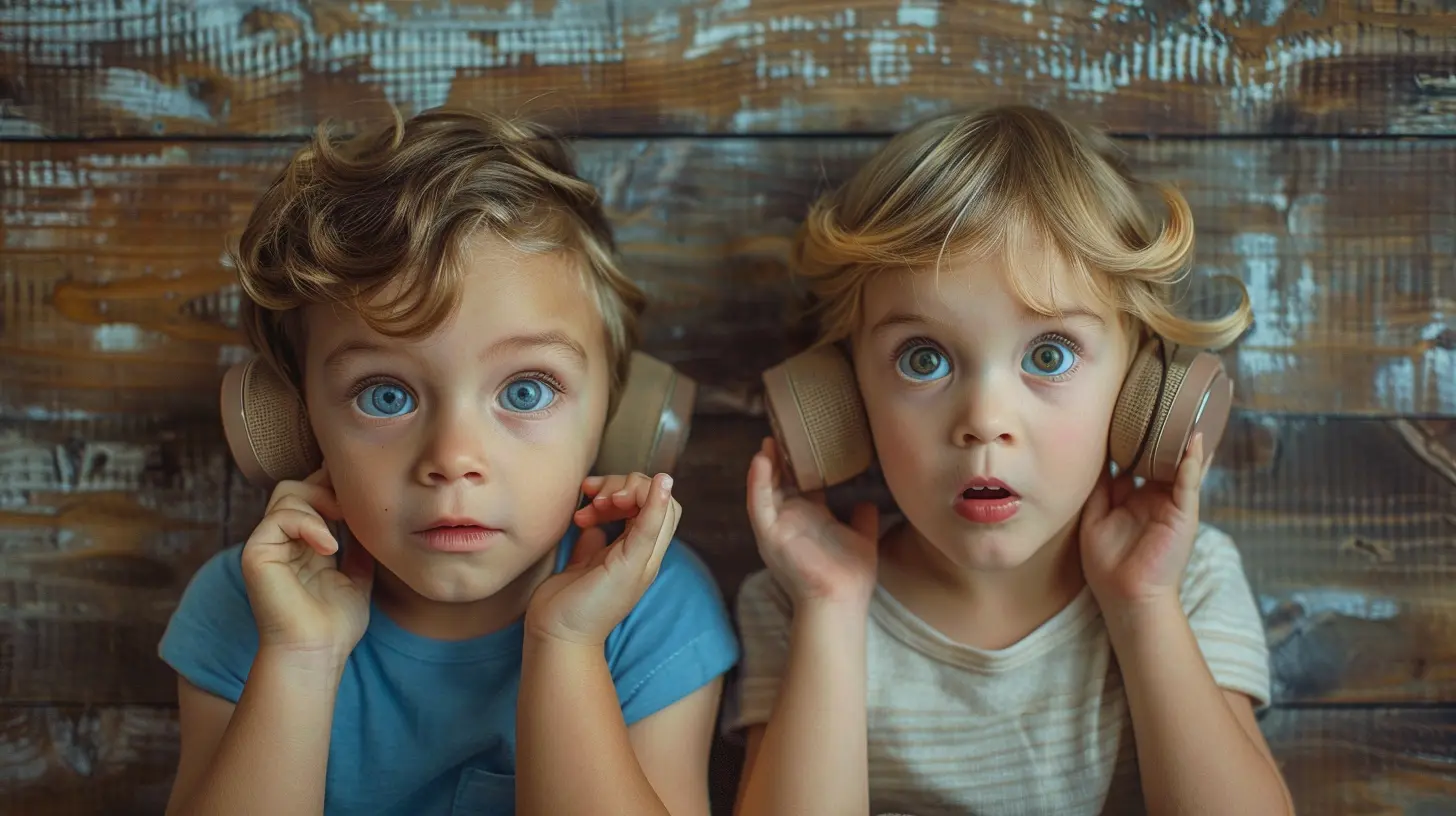
2. Say Less to Get More
If you're giving a whole TED Talk every time you ask them to pick up their socks, they're already drifting into La-La Land by sentence three. Kids’ attention spans—especially younger ones—are short, sweet, and easily overwhelmed.Try this:
- Keep instructions short and specific.
- Instead of, “Can you please stop what you’re doing and go clean up your room and then come eat dinner, and make sure you wash your hands too,” try:
👉 “Pause your game. Go wash your hands. Dinner’s ready.”
Mini Trick: Use the “When/Then” technique.
“When your toys are put away, then we’ll read your bedtime story.”
Simple. Clear. Win-win.
3. Use the Power of the Pause
Here’s a weird one that works wonders: after you give them a direction, stop talking.Zip it. No repeating, no nagging.
Why? Because when you repeat yourself (again and again), you’re actually teaching them that the first time isn’t serious. They’ll wait for the third or fourth version of your request, like clockwork.
Instead:
- State your request.
- Count silently to 10.
- Give them a chance to process and act.
Shocking how effective silence can be, huh?
4. Be the Calm in Their Chaos
If you’re yelling from the kitchen while they’re buried in LEGOs or glued to a screen, your voice becomes background noise.Let’s face it — yelling is often just a default setting when we feel ignored, but what if I told you calm is actually more powerful?
Calm is your secret weapon.
- Lower your voice instead of raising it.
- Whisper if you have to. It’s weird enough that kids will want to know what you said.
It’s like reverse psychology meets Jedi mind trick.
5. Make Listening a Game (Yes, Really)
Who said parenting can’t be creative?Sometimes, what kids need isn’t another rule — it’s a more fun way to engage with the grown-up world.
Ways to make listening fun:
- Use a silly accent or robot voice.
- Turn tasks into “missions” (Operation: Toy Cleanup).
- Use a timer: “Can you be ready before this timer runs out?”
They’ll stop seeing listening as a chore – and start seeing it as a challenge they want to win.
6. Use Positive Language (Not Just “No”)
Ever told your kid “Don’t run!” only to watch them zoom past you seconds later? That’s no accident. Kids often hear the action word louder than the “don’t.”Flip it around:
- Instead of “Don’t yell,” say “Use your quiet voice.”
- Instead of “Stop running,” say “Let’s walk with slow feet.”
This subtle shift helps them focus on what to do instead of what not to do.
7. Catch Them Being Good
Kids crave attention. If they can’t get it from being good, they’ll get it from being... less than great. But the cool part? You can flip that narrative.Simple strategy: Catch them listening the first time — and praise it.
- “Wow, you came the first time I called — that was super helpful!”
- “Thanks for listening right away. That made my day easier.”
It reinforces what you want to see — and what gets praised, gets repeated.
8. Give Them a Heads-Up
Switching gears is hard, even for adults. Ever tried to stop scrolling Instagram mid-reel? Exactly.Now imagine being a kid, lost in play, and someone suddenly demands you brush your teeth. Not gonna happen smoothly.
Try a transition warning:
- “Five more minutes of playing, then it’s time to get ready.”
- Use visual timers if needed.
It gives their brain time to adjust. Less drama, more cooperation.
9. Follow Through Like a Boss
Here's the truth bomb: if you say it and don’t mean it, they won’t take you seriously. Your follow-through matters — more than the words you say.Golden rule: Mean what you say and say what you mean.
If you say, “If you don’t clean up, we won’t go to the park,” you must be willing to hold that boundary. Consistency builds trust and respect.
Tough love? Maybe. Effective? Absolutely.
10. Connect Before You Correct
Let me ask you something — do you like being corrected by someone who hasn't really taken the time to understand you? Neither do kids.Before jumping in with orders or redirections…
Connect first.
- A quick hug.
- A shared laugh.
- A moment of empathy: “I know it’s hard to stop playing. That game looks really fun.”
Then, give the instruction. They’ll be way more open to hearing it.
Bonus Tricks from Real Parents (That Actually Work!)
We polled a few fellow parents and here are some crowd-favorite hacks:✅ “The Magic Word” Game
Tell your kids you’ll only respond when they use “please” or another secret word. They start paying better attention AND using manners.
✅ Clap Patterns
One mom swears by using a clap-sequence (think: clap-clap-pa-clap-clap) as a “code” for attention. Kids drop what they’re doing and know it’s time to listen.
✅ Mirror It
Ask: “Can you repeat what I just said?” Sounds simple, but it helps them internalize the instruction and take ownership.
✅ Routine = Less Resistance
Want fewer battles? Set times and routines. When kids know what’s expected and when, they’re less likely to push back.
Final Thoughts: Listening is a Skill, Not a Trait
Here’s something we don’t say enough — listening is a learned skill. Kids aren’t born knowing how to tune in the first time. It takes patience, practice, and yes, a few clever tricks.You don’t need to have it all figured out.
You don’t need to be perfect.
You just need to be consistent, calm, and creative.
And remember, every time you model respectful listening, you’re teaching them what that looks like. So next time you find yourself repeating “Put your shoes on” for the 17th time, take a breath, pick a trick, and give it another go.
You’ve got this — one listen-at-first-time moment at a time.
all images in this post were generated using AI tools
Category:
Parenting HacksAuthor:

Karen Hurst
Discussion
rate this article
2 comments
Grey Matthews
In our quest for compliance, let’s remember that connection often trumps correction. Encouraging authentic dialogue and understanding our children’s perspectives fosters a deeper respect. By nurturing trust, we empower them to listen, not out of obligation, but from a genuine desire to engage with us. Listening begins with us.
January 21, 2026 at 5:14 PM
Karen Hurst
Absolutely! Building genuine connections and fostering open dialogue are key to encouraging kids to listen. Trust and understanding create a cooperative environment where they feel valued and heard.
Preston Klein
Forget magic wands—try snack-based negotiations! Instead of 'Clean your room,' try 'How about some cookies for a tidy space?' You’ll be amazed at how quickly they’ll ‘hear’ your requests!
January 6, 2026 at 5:55 PM
Karen Hurst
Great idea! Snack incentives can definitely make requests more appealing and effective!