Stargazing with the Family: How to Make It a Memorable Night
13 January 2026
Is there anything more magical than sitting under a blanket of stars with the people you love most? Think about it—no screens, no rush, just you, your family, and the big, beautiful universe above. Stargazing is one of those simple pleasures that brings us closer not just to the cosmos, but to each other.
So, if you’re looking for a fun, educational, and budget-friendly way to spend time with your family, you’re in the right place! In this light-hearted guide, we’re going to walk you through everything you need to know to turn an ordinary night into a star-lit adventure.
Why Stargazing Is the Ultimate Family Bonding Time
Let’s face it—most of our family quality time nowadays revolves around TV shows or scrolling endlessly on smartphones. Stargazing flips the script. It's like mother nature’s own movie night but with fewer plot holes and better special effects.Plus, stargazing is packed with perks:
- It sparks curiosity in kids (and grown-ups too).
- It teaches patience (waiting for that shooting star pays off!).
- It creates lasting memories, especially when you catch your kid's "whoa!" face.
And the best part? It's absolutely free.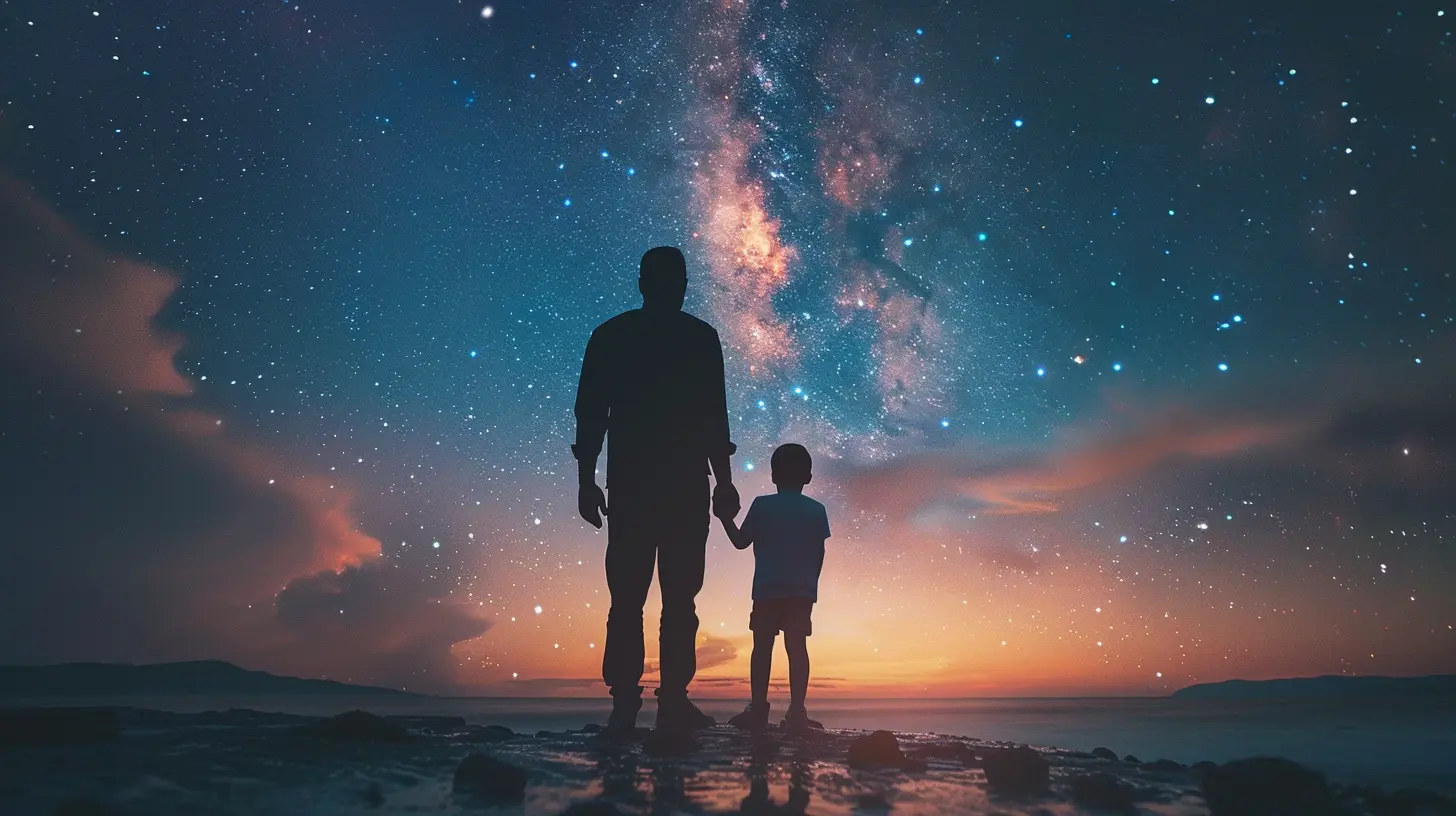
Step One: Pick the Perfect Night
You can’t stargaze just anytime—cloudy skies and bright city lights are total buzzkills. Here's what to check before you load up the car and head out:1.1 Check the Weather
Clear skies are a must. A few clouds? Maybe doable. A thunderstorm? Yeah… stay inside with hot cocoa instead.1.2 Mind the Moon
A full moon might sound romantic, but it actually drowns out a lot of stars. For the best stargazing, aim for a night around a new moon when the sky is darkest.1.3 Use a Stargazing App
There are loads of free apps that show you the constellations and celestial events happening in your area. Think of it as your cosmic GPS.> Quick Tip: Plan your stargazing around meteor showers like the Perseids or Geminids—you’ll thank me later.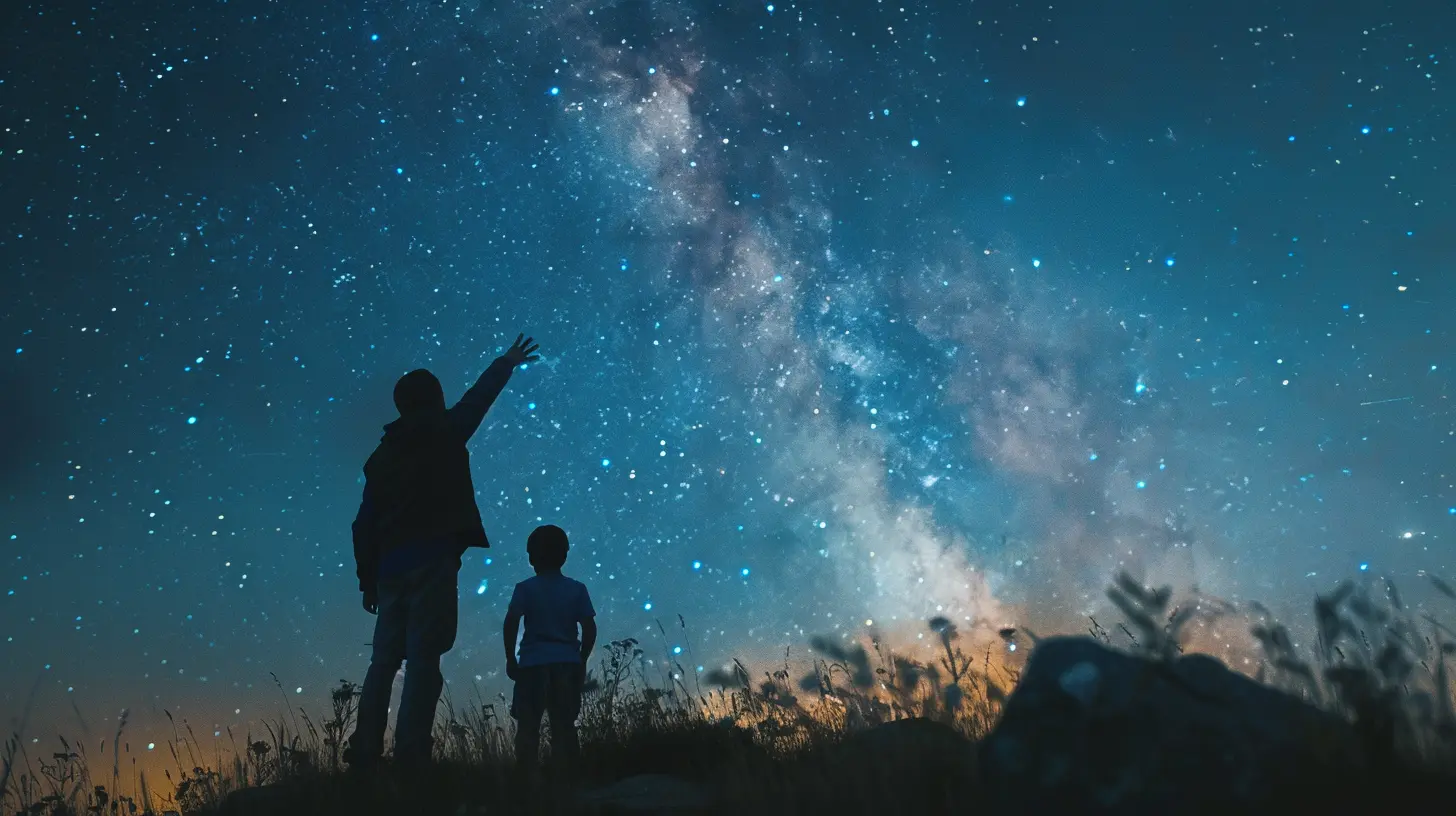
Step Two: Choose Your Stargazing Spot Wisely
Location, location, location. You don’t need to hike up a mountain (though that’s awesome if you can!). But you do want to get away from the worst enemy of stargazing: light pollution.2.1 Backyard Magic
If you live in a rural area, your backyard might be all you need. Lay out a blanket, turn off the porch lights, and you’re golden.2.2 Local Parks and Nature Reserves
Many places have designated dark sky parks. Look online to find one near you. Just be sure to check if they close at sunset or allow night access.2.3 Check the Light Pollution Map
Yes, that’s a thing! Websites like Light Pollution Map can help you find the darkest skies near you.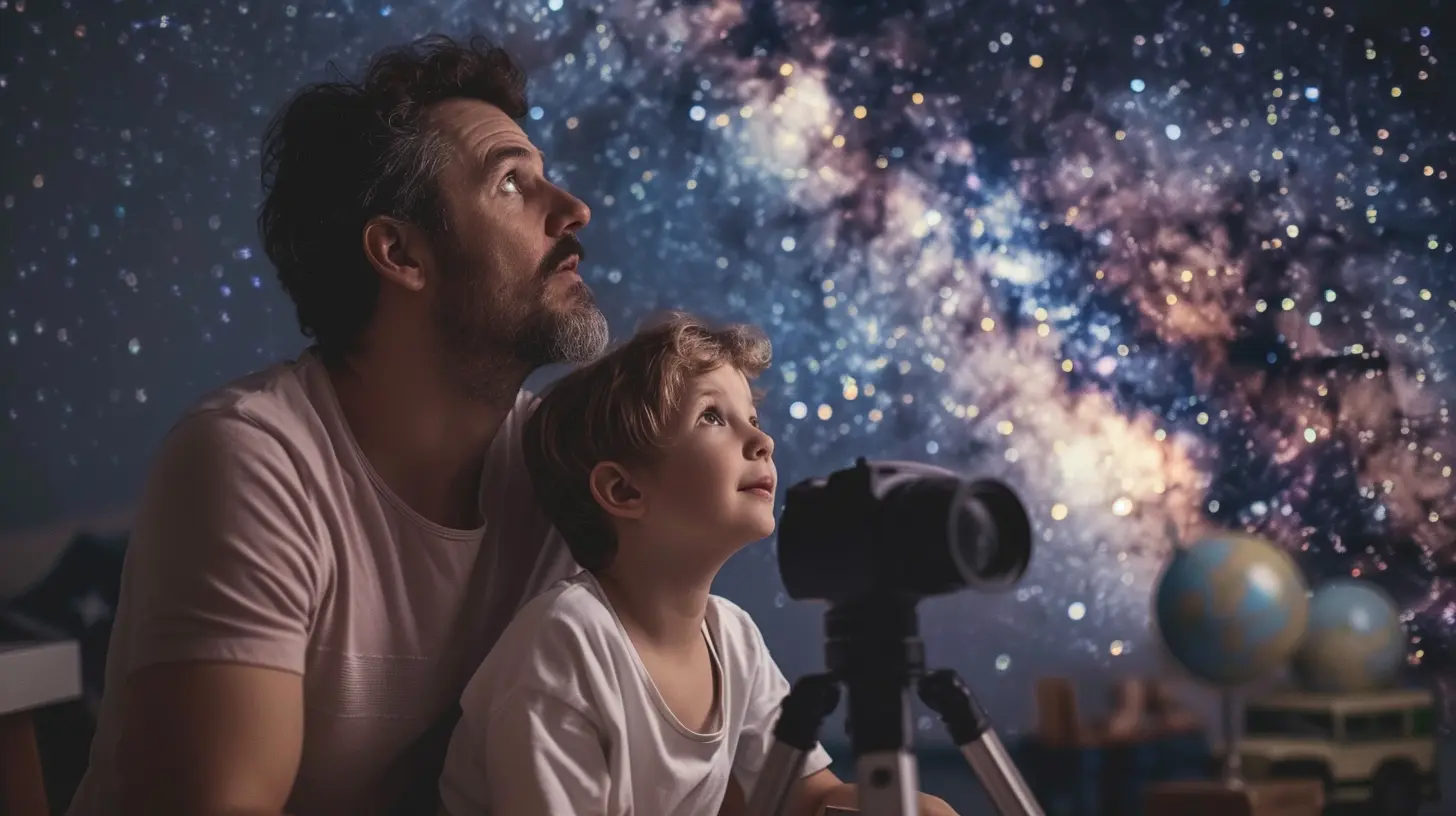
Step Three: Pack Like a Pro
Not to sound like a stargazing soccer mom, but packing smart can make or break the night. Here’s your ultimate checklist:3.1 The Essentials
- Blankets or sleeping bags: It gets chilly at night.- Chairs: For the folks who prefer sitting upright.
- Snacks and drinks: S'mores by flashlight? Yes, please.
- Bug spray: Especially in the summer months.
- Flashlight with red light: Red light won’t ruin your night vision.
3.2 Optional but Awesome
- Binoculars or a telescope.- Laser pointer for pointing out constellations (kids love this).
- Notebook and crayons for kids to draw what they see.
- Thermos of hot chocolate for the win.
Step Four: Make It Fun and Educational (Disguised as Fun)
Okay, hear me out. Learning doesn’t have to be boring. In fact, when you’re all staring up at the sky, it’s the perfect chance to feed that natural curiosity in the sneakiest (and coolest) way.4.1 Play “Find That Constellation”
Use an app—or good old-fashioned star maps—to hunt for constellations like Orion, the Big Dipper, or Cassiopeia. Make it a game. Whoever spots the most wins an extra marshmallow.4.2 Share Myths and Legends
Greek myth stories about scorpions, hunters, and bears in the stars? Kids eat that up. And hey, it jazzes up the science aspect with a little bit of drama.4.3 Bring up the Big Questions
The sky naturally invites wonder. Where did the universe come from? Are we alone? You don’t need solid answers—sometimes just talking about it is enough to open a child's mind.Step Five: Embrace the Chill Vibe
One of the best things about stargazing is that it slows you down. It’s not about rushing or getting somewhere. It's about being—in the moment, with each other, under something impossibly grand.5.1 Tell Stories
Whether it’s tales of your craziest camping trip or a made-up story about a shooting star, storytelling under the stars feels right.5.2 Create a Stargazing Playlist
Bring a Bluetooth speaker and play some ambient or instrumental music. Think ‘spacey vibes’—something soft enough to let you still hear the crickets.5.3 Just Be
Sometimes, the best memories are made in silence. Looking up, snuggled next to your kid, just taking it all in—those are the keepers.Bonus Fun: Capture the Moment
Want to keep the memory alive forever? Try some night-sky photography! You don’t need fancy gear—most newer phones with “night mode” do a decent job. Better yet, let the kids take photos. You'll love seeing their perspective.> Pro tip: Set the camera steady on a rock or tripod for the best shots. And expect a few blurry ones—it’s part of the charm.
Stargazing Mistakes to Avoid (We’ve All Been There)
Alright, let’s save you from a few rookie moves:- Arriving too late: Get there before sunset so everyone can settle in without stumbling around in the dark.
- Dressing too light: It gets colder than you think. Always pack extra layers.
- Not setting screen limits: Phones ruin the mood fast. Have a family agreement to use them only for stargazing apps or pictures.
- Forgetting bathroom logistics: Know where the nearest loo is or bring a portable solution if you’re off the grid.
Keep the Stargazing Vibes Alive
So you had your magical night… now what? Don’t let the stardust settle just yet!8.1 Create a Family Stargazing Journal
Let the kids draw what they saw, write down thoughts, or rate the night like a Yelp review. It's adorable and helps them reflect.8.2 Plan the Next One
Mark the next meteor shower or lunar eclipse on your family calendar. Give it a name like “Cosmic Campout” or “Starry Pajama Party.”8.3 Connect What They See to What They Learn
If your kid asks why stars twinkle, dig into it together the next day. It’s stealthy science education—and it sticks.Final Thoughts: It's Not About the Stars, It's About the Stories
Let me tell you a secret. Your family might not remember the name of every star they saw. But they’ll remember being together, wrapped in blankets, whispering “Did you see that?!” as a shooting star dashed across the sky.Stargazing isn’t just about astronomy. It’s about awe. And awe, my friend, is what memories are made of.
So grab your blanket, pack some snacks, and go chase the stars with your crew. Your future self will be over the moon that you did.
all images in this post were generated using AI tools
Category:
Family ActivitiesAuthor:

Karen Hurst
Discussion
rate this article
2 comments
Adria Ramirez
What a beautiful idea! Stargazing together creates lasting memories and strengthens family bonds. Enjoy!
January 31, 2026 at 3:50 PM
Karen Hurst
Thank you! I completely agree—stargazing truly brings families closer and creates unforgettable moments. Enjoy the night!
Pearl McAuley
Stargazing is like nature’s bedtime story—each constellation holds a tale! Embrace the magic with your family; it’s the perfect blend of wonder and connection under the stars.
January 21, 2026 at 3:44 AM
Karen Hurst
Absolutely! Stargazing brings families together, sharing stories and creating lasting memories. It's a beautiful way to connect with nature and each other. Enjoy those magical nights!