Storybook Walks: Bringing Books to Life with Outdoor Adventures
27 April 2026
Let’s be honest—getting kids off the couch and away from screens can feel like trying to herd cats on a sugar rush. Between video games, TV shows, and flashy digital everything, it’s tough to compete. But what if I told you there’s a magical way to get kids excited about reading and the great outdoors at the same time?
Enter: Storybook Walks.
It’s a simple idea with a big impact—take a children’s book, break it into readable sections, mount those pages along a walking trail, and voila! You’ve just turned a nature walk into a living, breathing story adventure.
In this article, we’ll chat about what storybook walks are, why they’re so powerful, how to create your own, and tips for making them memorable. Ready to bring stories to life under the open sky? Let’s dive in.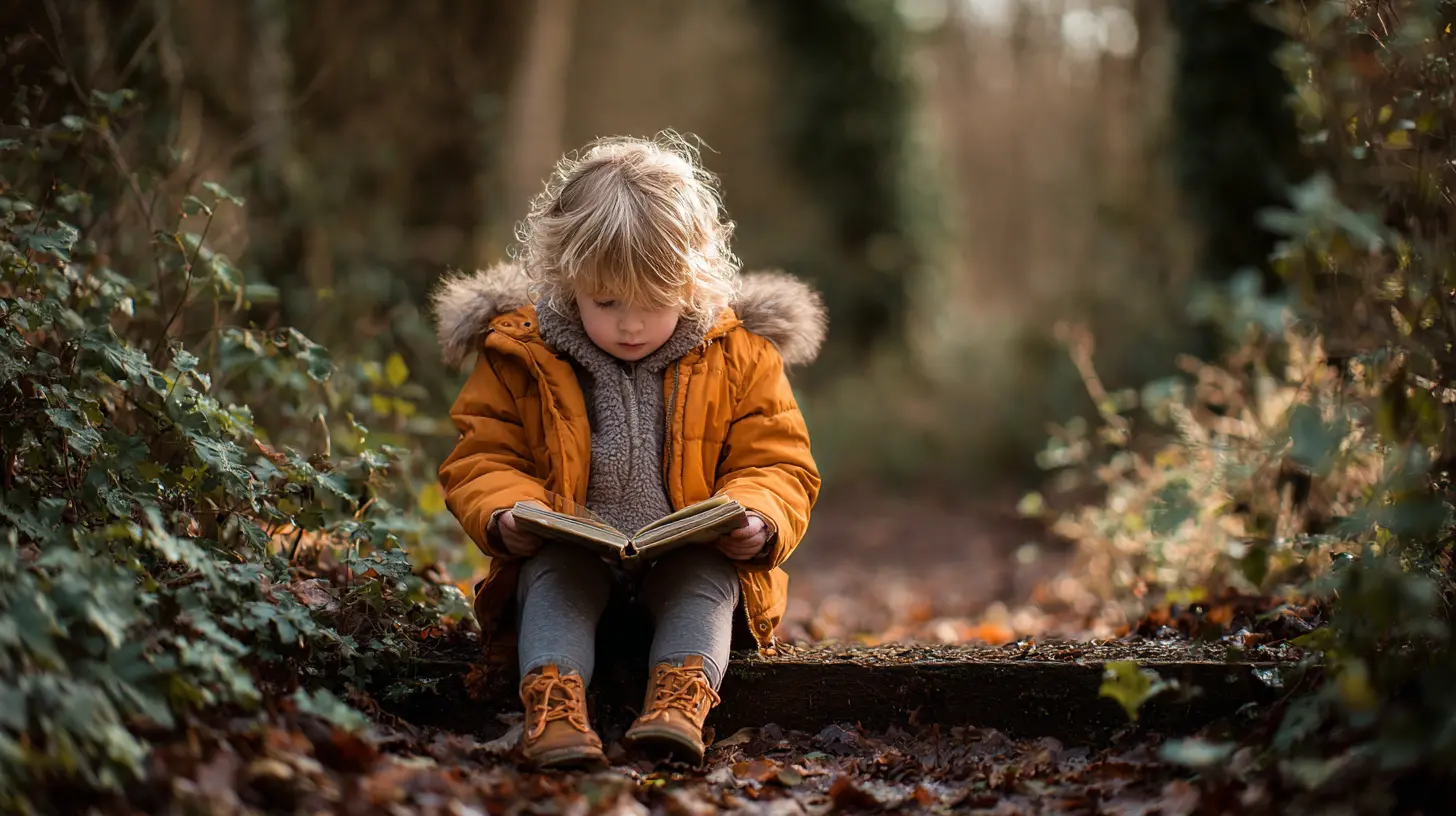
What Are Storybook Walks?
Okay, picture this: You’re strolling through a park with your little one. Suddenly, they spot a colorful sign tucked beside the trail. It’s page one of one of their favorite books! As you walk, you both follow the story, one page at a time, until you reach "The End."That’s a storybook walk in action. It blends physical movement, reading, and the natural world into one super-fun, screen-free activity. Total win-win, right?
Storybook walks are often set up in local parks, schoolyards, botanical gardens, and even zoo paths. They’re usually temporary installations but can be semi-permanent depending on the materials used.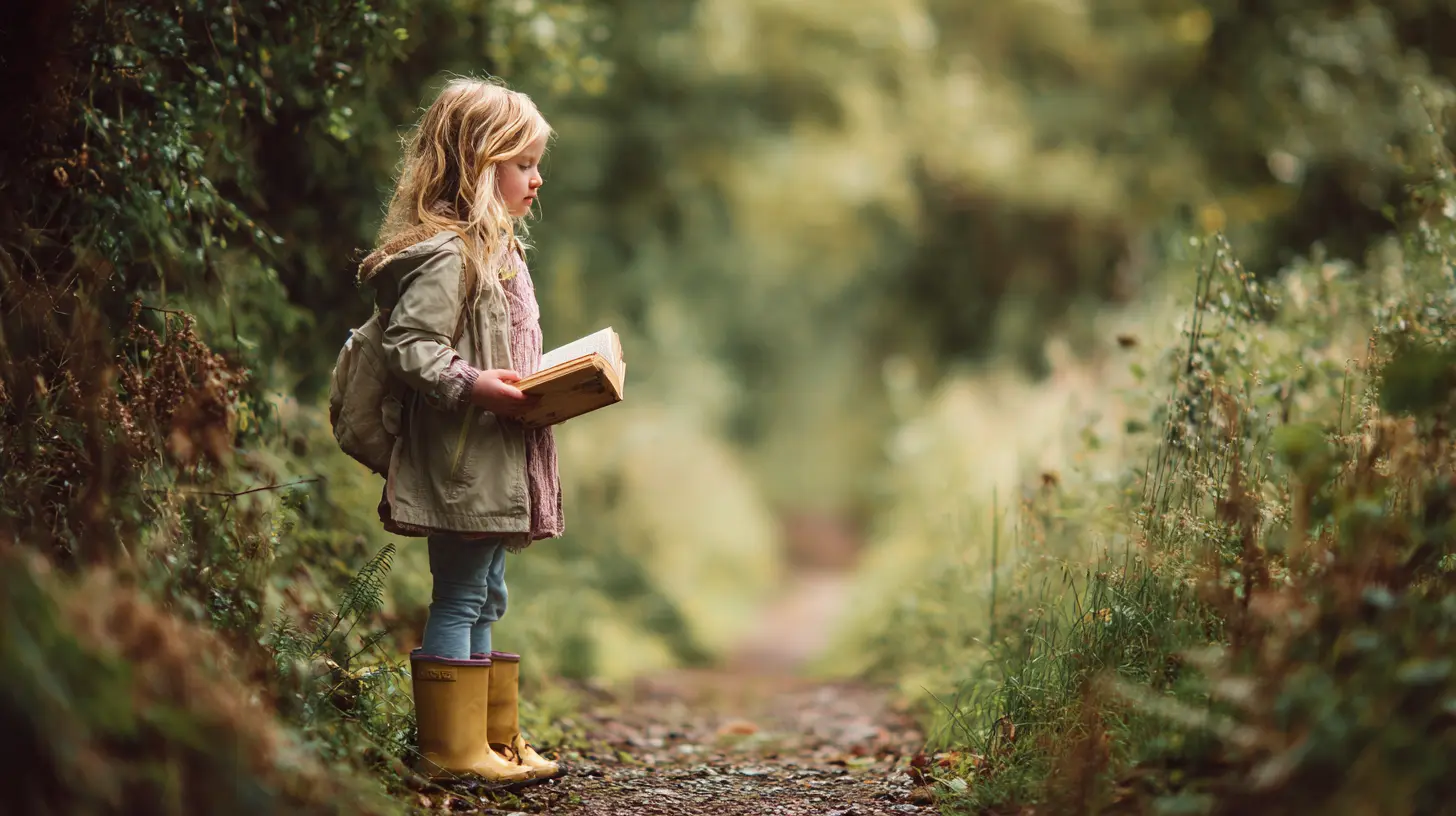
Why Kids (and Parents) Love Storybook Walks
Let’s face it: If something doesn’t light up or play music these days, it’s hard to grab a kid’s attention. But storybook walks offer a breath of fresh air—literally and figuratively. Here’s why these literary strolls score major points with families:1. Combines Learning with Movement
Kids weren’t meant to sit still all day. When they move, they learn better. A storybook walk gets their legs moving and their brains working at the same time. It’s like sneaking veggies into mac and cheese—educational benefits without the complaints.2. Encourages a Love for Reading
Reading while walking might sound odd, but it’s incredibly engaging for kids. Seeing a favorite character waiting around the next bend? That’s motivation! It turns passive reading into an active, adventurous experience.3. Offers Quality Family Time
These walks give families a chance to bond without distractions. You’re not just reading—you’re laughing, guessing what’ll happen next, and making up silly voices for characters.4. Boosts Physical Health
Storybook walks make physical activity less of a “have to” and more of a “want to.” Whether it’s a short stroll or a mile-long path, it gets everyone’s blood flowing.5. Supports Early Literacy Skills
When children pair movement with storytelling, they improve memory and comprehension. They start connecting words with visuals, sounds, and feelings, which naturally builds stronger literacy skills.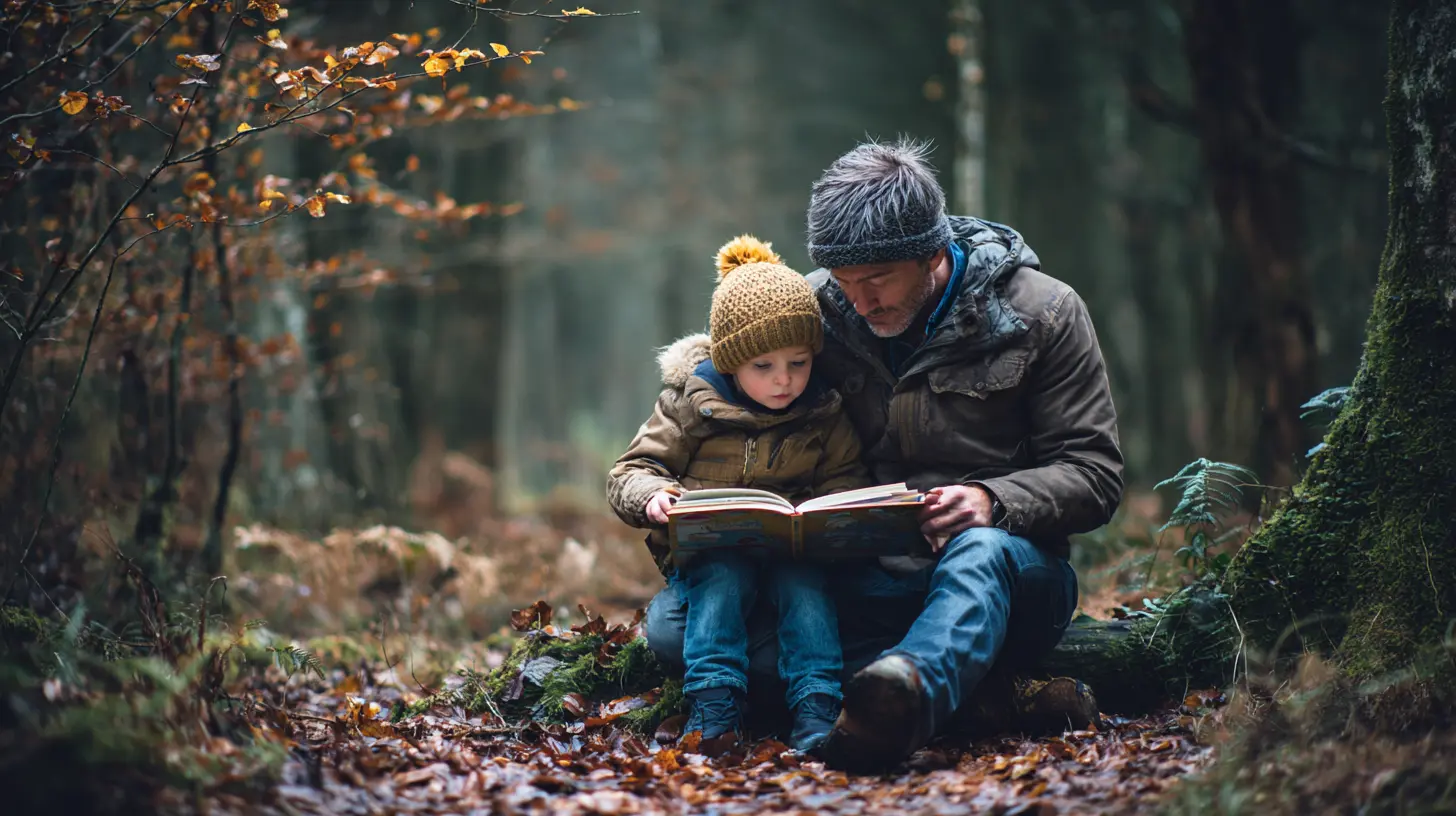
How to Set Up Your Own DIY Storybook Walk
Feeling inspired? Great—because setting up your own storybook walk is way easier than it sounds. Whether you're a parent, teacher, librarian, or just a book-loving neighbor, you can totally pull one off. Here’s how.Step 1: Pick the Right Book
Start by choosing a children’s book that’s:- Age-appropriate
- Visually engaging
- Short enough to break into multiple pages
- Full of action and fun dialogue
Classics like “The Very Hungry Caterpillar,” “Brown Bear, Brown Bear,” or “We’re Going on a Bear Hunt” are perfect picks for younger kids. For older kiddos, something like “Where the Wild Things Are” or “Giraffes Can’t Dance” works like magic.
Step 2: Break It Down
Divide the book into sections or pages. You’ll want about 15–20 stops along your walk. Too few, and it’s over too quickly. Too many, and the attention spans might wander.Step 3: Print and Protect
Print out the pages or scanned excerpts of the book. Laminate them or slip them into protective sleeves to hold up against wind, rain, and grimy little hands.Some folks even add fun elements like puzzles, rhyming challenges, or action prompts like “Jump like a frog before you turn the page!”
Step 4: Set the Scene
Find a safe, walkable path—your backyard, a local trail, or even your school’s perimeter. Use signs, stakes, or stands to secure each page in order along the path.Got a theme? Bring it to life! For a jungle-themed book, add some cardboard vines or stuffed animals along the way.
Step 5: Invite Your Audience
Once everything’s set up, spread the word! Post on local Facebook groups, community boards, or classroom newsletters.Encourage families to bring strollers, snacks, and water bottles, and let the literary journey begin!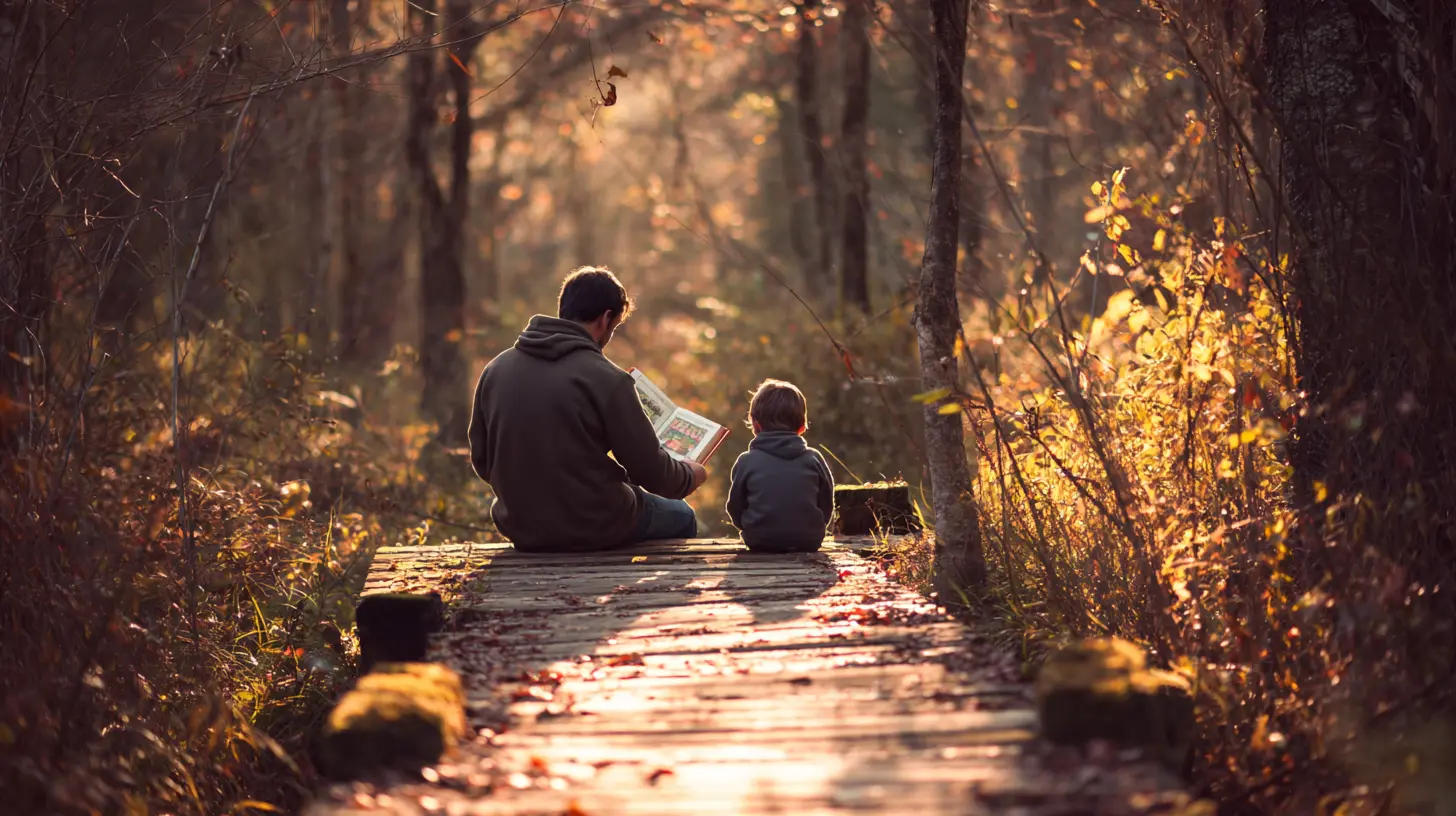
Creative Twists to Make It Extra Special
You don’t have to stop at just reading pages. Why not turn the storybook walk into a full-on adventure?? Add Movement Prompts
At each station, include a simple action:- “Hop like a bunny to the next page”
- “Stomp your feet like an elephant”
- “Tiptoe like a sneaky fox”
Simple movements make the walk more interactive and help burn those endless kid energy reserves.
? Incorporate Learning Activities
Add little tasks like:- Letter hunts (“Find something that starts with the letter ‘M’”)
- Counting challenges
- Rhyme matches
It becomes a scavenger hunt with a literary twist.
? Include Dress-Up Days
Parents, get ready to dig out that costume box! Set a theme and invite kids to dress as characters from the book. Seeing a herd of mini Gruffalos or Elmers walking the trail? Absolutely priceless.? Create Photo Ops
Set up a few themed backdrops or cut-out photo props with popular characters. It’s Instagram gold for parents and adds a keepsake-worthy element to the adventure.Best Places to Host a Storybook Walk (Beyond Your Backyard)
There are a ton of settings that are perfect for turning the page outside. If you’re thinking bigger than a backyard bedtime story stroll, here are some community spaces to consider:- Public parks and trails: Reach out to your city’s recreation department.
- School grounds: Perfect for literacy week or family events.
- Libraries: Many already host story-related walks—partner up!
- Community gardens or farms: A nature-rich environment that adds to the magic.
- Zoos and aquariums: Imagine reading a book about penguins right next to a real penguin habitat. Woah.
Pro tip: Always get permission and follow local rules for public setups.
Benefits for All Ages (Yes, Even You)
Storybook walks aren’t just for toddlers. With a few tweaks, they’re fantastic for a variety of ages. Here’s how different age groups can benefit:Preschoolers (Ages 2–5)
- Focus on repetition and visualization- Add songs and rhymes
- Keep it short and interactive
Early Elementary (Ages 6–8)
- Incorporate reading comprehension questions- Add more advanced vocabulary
- Focus on story elements like plot and character
Older Kids (Ages 9+)
- Let them help create the walk or read to younger siblings- Choose chapter book excerpts
- Add writing prompts or journal stations
Parents and Caregivers
- You get to bond with your kids- Sneak in some cardio without hitting the gym
- Rediscover the magic of childhood stories
Tips to Keep Things Fun and Fresh
Here’s how to keep your storybook walk from falling into the “been there, done that” category:- Rotate new books regularly
- Add seasonal themes (spooky Halloween tales? yes, please!)
- Let kids vote on the next book
- Host a “Read & Hike” day with snacks and crafts after the walk
Remember, it’s not about being Pinterest-perfect—it’s about creating joyful, screen-free moments tied to the magic of storytelling.
Wrapping It Up: Turning Pages into Pathways
Books are already powerful, but when we take them off the page and into the world, we create something unforgettable. Storybook walks are more than just a fun family activity—they’re a gateway to imagination, language, and bonding. They help kids see that reading isn't just something you do in a classroom or tucked in bed—it’s something that can happen anywhere, even under the wide-open sky.So grab that favorite picture book and some walking shoes. Whether it’s a walk through the woods, across a schoolyard, or around your backyard, a storybook walk might just become your family’s next favorite tradition.
Who knows what tales await around the next corner?
all images in this post were generated using AI tools
Category:
Family ActivitiesAuthor:

Karen Hurst
Discussion
rate this article
2 comments
Elora Wallace
Storybook walks transform reading into an immersive experience, blending nature with imagination. It's a beautiful way for parents and children to connect, fostering curiosity and a love for both stories and the outdoors.
May 1, 2026 at 2:51 AM
Karen Hurst
I completely agree! Storybook walks truly create a magical bond between nature and storytelling, making reading an adventure for families. It's a wonderful way to inspire curiosity in both kids and parents.
Felix Lozano
Oh, because who needs a quiet library when you can wrestle with mud and mosquitoes for storytime? Genius!
April 28, 2026 at 3:01 AM
Karen Hurst
Sometimes the messiest adventures create the best stories!