Supporting Kids Through the Transition of Becoming a Blended Family
16 January 2026
Blending two families into one sounds like something out of a Hallmark movie, right? Smiles all around, instant bonding, happy dinners at the table. In reality, though, becoming a blended family is rarely that seamless. There’s love, yes—but also confusion, growing pains, and a whole lot of emotional ground to cover—especially for the kids.
If you're a parent or stepparent wondering how to help your kids navigate this big change, you're not alone. Many families are walking the same path, trying to create a new kind of normal while juggling emotions, routines, and relationships.
So, how do you support your kids through this transition without losing your mind—or theirs? Let’s dive in and unpack it together.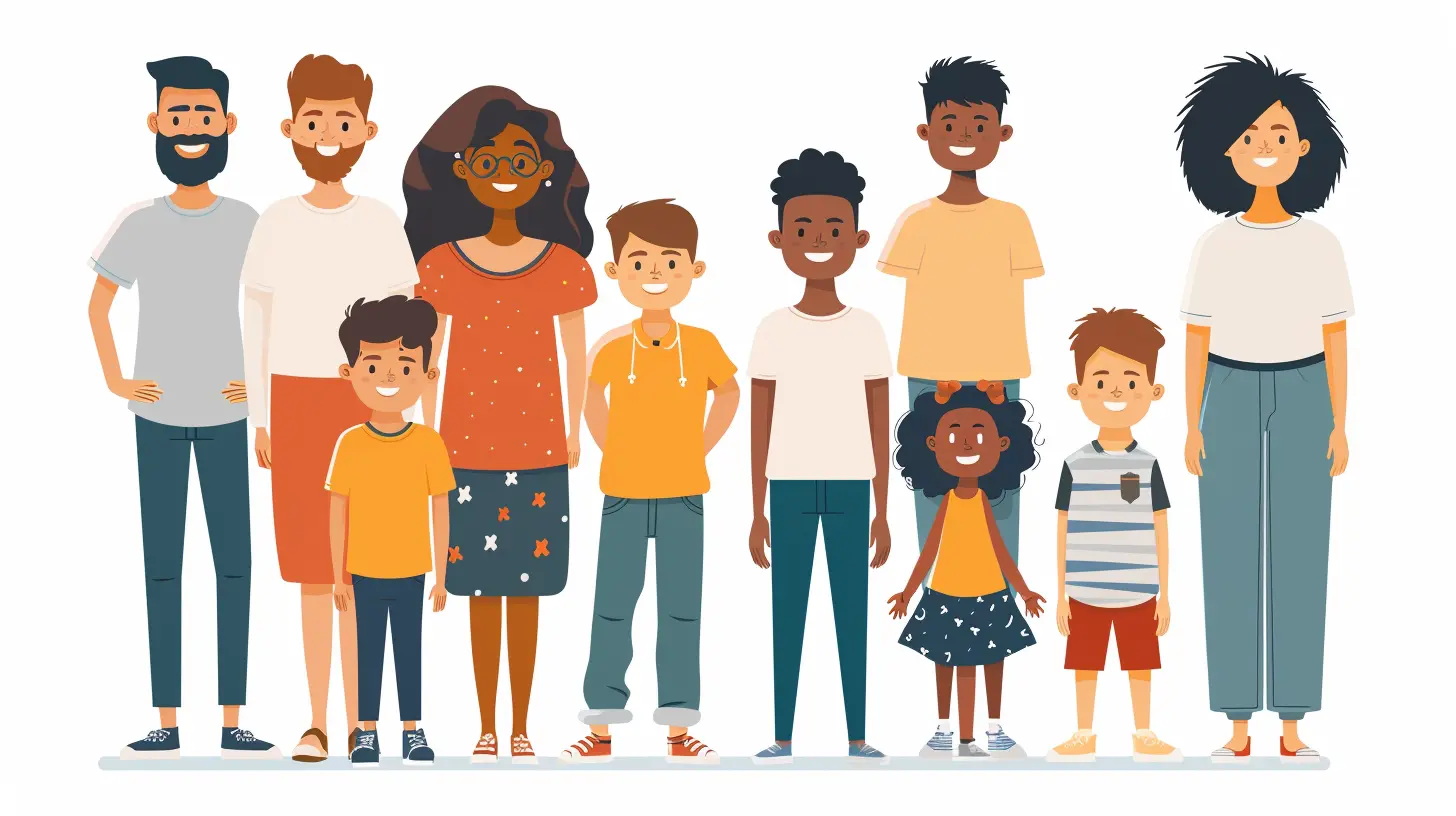
What Is a Blended Family, Really?
Before we start solving the puzzle, we need to know what pieces we’re working with.A blended family (also called a stepfamily) forms when two people with children from previous relationships come together to build a new household. That might mean step-siblings, new parental figures, custody schedules, or even different values and traditions merging under one roof.
Sound complicated? It can be. But it can also be beautiful, supportive, and full of love—once everyone finds their footing.
Why the Transition Is Tough on Kids
Kids are creatures of habit. Now imagine their world gets flipped upside down. Suddenly, their "normal" includes stepparents, stepsiblings, new rules, new routines, and maybe even living in two homes. They’re expected to adapt—quickly.Let’s break down the emotion stew they might be cooking in:
- Confusion – “Who are all these new people?”
- Loyalty conflicts – “If I like my stepdad, am I betraying my real dad?”
- Jealousy – “Why does Mom spend more time with his kids than with me?”
- Fear of change – “Is something else going to change too?”
These emotions are valid. They're also HUGE for little hearts. Giving kids the space to express those feelings without guilt or pressure is the first step toward a smoother transition.
1. Keep Communication Open (and Age-Appropriate)
Have a house rule: no emotion is off-limits.Talk often. Even when it’s hard. And remember, kids of different ages process information differently:
- Toddlers and preschoolers need simple explanations. Try, “We’re all going to live together now, and you’ll have more people who care about you.”
- Elementary kids might ask deeper questions—like whether they caused the divorce or if things will be “like before.” Answer honestly but gently.
- Teens may act indifferent, but they’re listening. Keep them in the loop and offer one-on-one time to vent or connect.
Communication is like a safety net. Even if everything else feels unstable, your kids should always know they can tell you how they feel.
2. Validate Their Feelings (Even the Difficult Ones)
Let your kids hate the changes for a while. That’s okay. They’re grieving the life they used to know.Don’t rush them to accept the new set-up. If your child says, “I don’t like living with him,” try responding with, “It’s okay to feel that way. A lot has changed, and it’s normal to need time.”
Resisting the urge to “fix” their emotions makes room for honest healing. And trust me, it builds emotional bridges faster than trying to sweep their discomfort under the rug.
3. Set Realistic Expectations
Let’s clear something up: just because you love your new partner doesn’t mean your kids will be head-over-heels for their step-siblings on day one. Or even year one.That’s not failure. That’s family dynamics.
Skip the pressure to be the Brady Bunch. Instead:
- Allow relationships to develop naturally.
- Respect boundaries.
- Celebrate small wins—like a shared laugh or a calm dinner.
Think of it like planting seeds. With patience, water, and care, those roots will take hold.
4. Create New Traditions (Without Erasing Old Ones)
Traditions are the heartbeat of family life. They say, “This is who we are.” So when families blend, it’s important to honor both sets of old ways while crafting something new together.Here’s how:
- Keep old rituals like Sunday pancake breakfasts or holiday movie nights.
- Ask kids to suggest new traditions they’d like to try.
- Introduce small rituals unique to the new blended unit—like a family game night or yearly camping trip.
It’s not about replacing the past. It’s about expanding the love.
5. Respect the Role of the Other Parent
This one’s tricky but vital.Blended families often bring exes into the equation. And while you may have complicated feelings about them, your kids need the freedom to love both biological parents without guilt.
Avoid bashing your ex—even if you’re fuming inside. It puts your kids in an unwinnable position. Instead, reassure them with phrases like:
- “You can love all the grown-ups in your life.”
- “It’s okay to miss your dad when you’re here.”
Think of it this way: you’re not competing for your child’s love. You’re showing them what mature, respectful behavior looks like.
6. Give Step-Relationships Time to Grow
Let’s be real: being a stepparent is like being handed a job with huge emotional stakes—and no manual.If you’re the new stepparent, ease into your role. Rather than jumping in as a disciplinarian or trying to “win” the child over, focus on building trust.
Start with:
- Listening more than talking
- Finding shared interests
- Creating one-on-one time for connection
Let the relationship develop like a friendship. Pressure kills progress.
7. Keep Rules Consistent Across Households
Consistency is comfort for kids.When rules vary wildly from one house to the other, things get confusing fast. Try to work with your co-parent and new partner to align on basic expectations:
- Bedtimes
- Screen time limits
- Chore responsibilities
- Discipline methods
You don’t need identical households, but a basic agreement keeps things smoother—and helps kids adjust.
8. Seek Professional Support If Needed
Some transitions are rockier than others. And there’s absolutely no shame in calling in backup.Family therapy, child counseling, or blended family coaching can help everyone feel heard and supported.
In fact, just one or two sessions can offer game-changing insight into what your children are really feeling—and how to respond in a way that brings everyone closer together.
9. Model the Behavior You Want to See
Kids are always watching. Even when you think they’re zoned out with snacks and Netflix.So ask yourself:
- Are you handling conflict respectfully?
- Are you showing kindness to your stepkids?
- Are you apologizing when you mess up?
Leading by example teaches kids that families—blended or not—are built on empathy, communication, and forgiveness.
10. Be Patient With the Process
Last but definitely not least: take a deep breath. Maybe two.Blending a family isn’t a weekend fix. It’s more like building a puzzle where no one gave you the picture on the box. You’ll try things. Some will work. Some won't.
Your job isn’t to make it perfect. Your job is to make it safe, stable, and full of love—even if it’s messy.
Remember: progress > perfection.
Final Thoughts
Supporting kids through the transition of becoming a blended family is about creating emotional safety, honoring their experiences, and giving grace—to yourself, to them, and to the process.It won’t always be smooth. But with honest effort, open hearts, and consistent support, your blended family can grow strong roots—ones that hold firm through the storms and give life to something beautiful.
You’ve got this.
all images in this post were generated using AI tools
Category:
Blended FamiliesAuthor:

Karen Hurst
Discussion
rate this article
2 comments
Adam Fletcher
Blended families: where sharing toys and parents is mandatory, and ‘Who ate my last cookie?’ becomes an Olympic sport. Let the chaos begin!
February 4, 2026 at 3:24 AM
Karen Hurst
Absolutely! Embracing the chaos of blended families can foster resilience and connection. With open communication and shared experiences, kids can thrive in this exciting new chapter!
Lark Kelly
Embrace love, nurture togetherness always!
January 28, 2026 at 4:56 PM
Karen Hurst
Absolutely! Togetherness and love are key to making this transition smooth for everyone involved.