Teaching Kids About Responsibility With School Chores
8 January 2026
Raising responsible kids isn't just about telling them to do their homework or clean their room. It's about instilling values that will serve them well for life. One of the best ways to do this? School chores!
Yes, you heard that right—giving kids chores related to school responsibilities can be a game-changer in shaping their work ethic, accountability, and independence. If you've been struggling with getting your child to take ownership of their school tasks, you're in the right place.
Let’s dive into how school chores can teach kids responsibility and set them up for success. 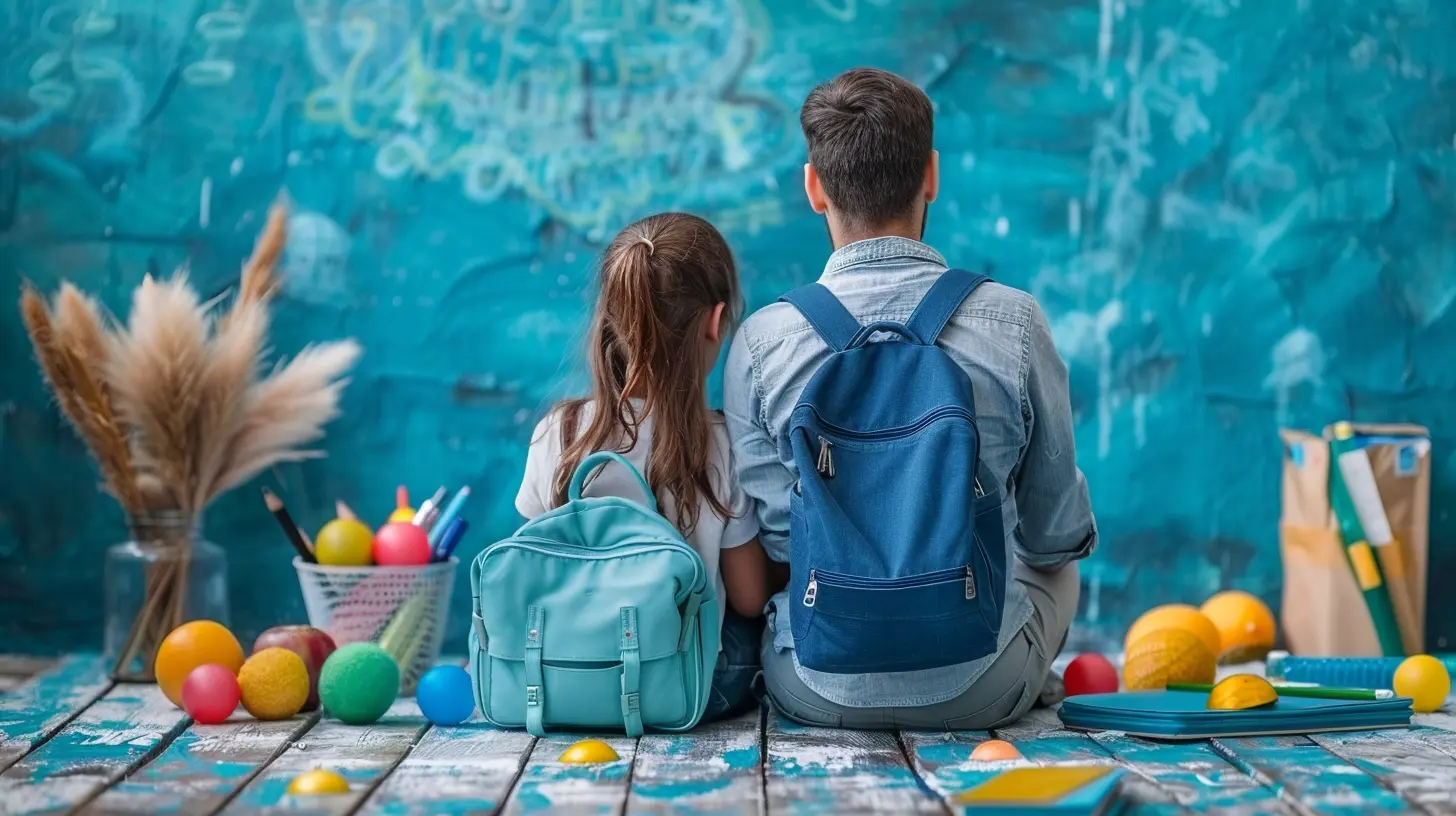
Why Responsibility Matters
Responsibility is more than just a good habit—it's a life skill. When kids learn to take responsibility for their school chores, they develop essential traits like:✅ Accountability – They understand the consequences of their actions.
✅ Independence – They learn to manage their time and tasks without constant reminders.
✅ Work Ethic – They get used to putting effort into tasks, even when they don’t feel like it.
✅ Problem-Solving – They figure out how to deal with challenges on their own.
Parents want their kids to grow up to be reliable adults, and that journey starts with small steps—like school chores. 
What Are School Chores?
When we talk about chores, most people think of washing dishes or tidying up the living room. But school chores are different—they involve tasks that help kids stay organized and prepared for their education.Here are some key school chores that kids of all ages can manage:
- Packing their backpack every night.
- Keeping their study area neat and clutter-free.
- Managing their school supplies (sharpening pencils, refilling notebooks).
- Following a homework routine without being reminded.
- Organizing school papers and assignments properly.
- Prepping lunch or snacks for the next day.
These may not seem like “chores” in the traditional sense, but trust me, they build just as much responsibility—if not more! 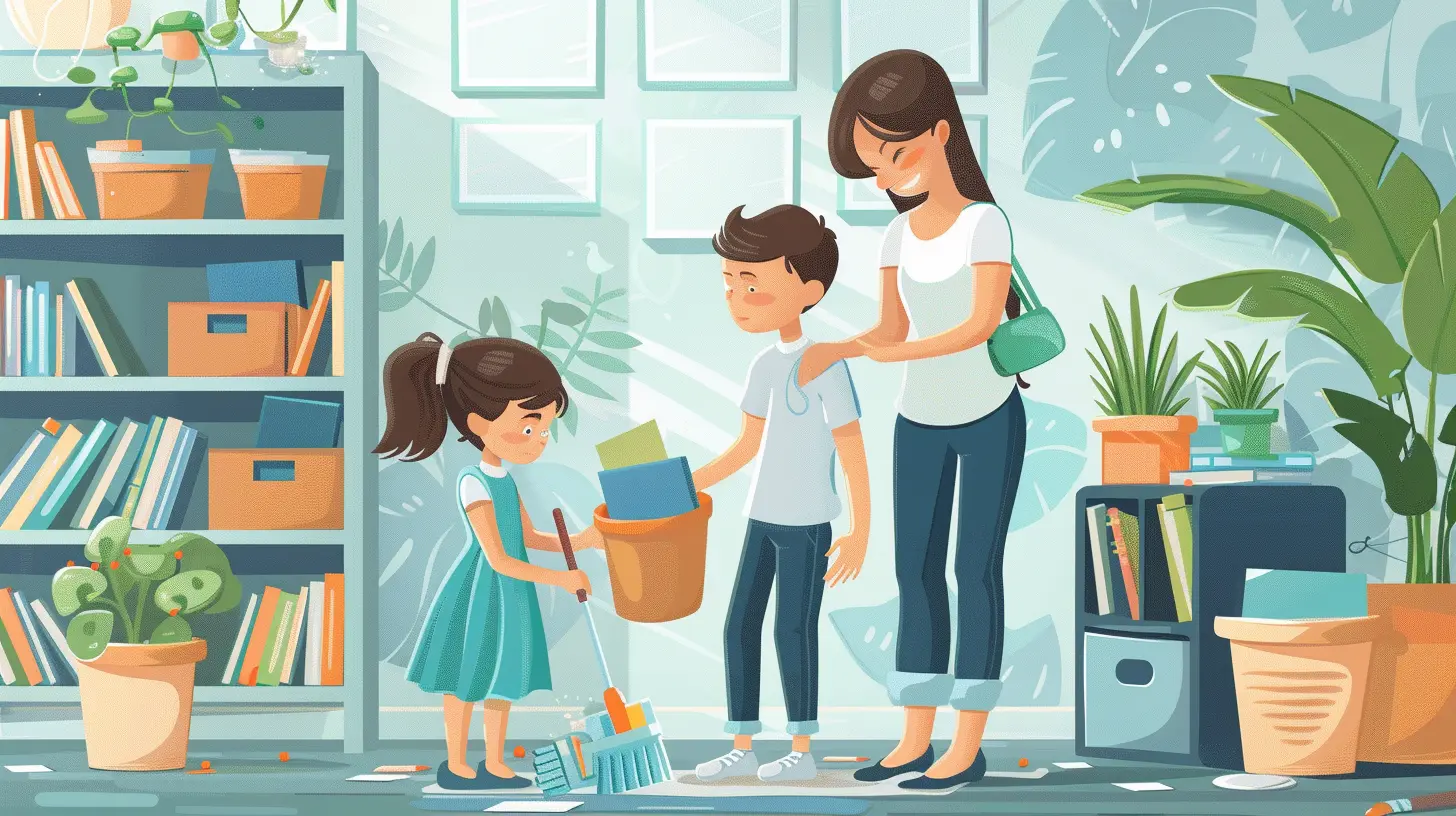
How School Chores Build Responsibility
1. Teaches Time Management
Ever seen your child scramble to complete their homework five minutes before bedtime? That’s where school chores come in.When kids are responsible for organizing their schoolwork, they learn to prioritize tasks and manage time effectively. By sticking to a schedule—finishing homework before playtime or packing their school bag at night—they develop a habit of planning ahead.
2. Encourages Self-Discipline
Letting kids handle their school chores means they have to push themselves to get things done without being reminded constantly.It’s easy for kids to slack off when no one is watching, but when they know it’s THEIR responsibility, they start taking initiative. Over time, they’ll need fewer reminders to stay on top of their schoolwork.
3. Instills a Sense of Pride and Ownership
When kids take care of their own school-related tasks, they feel a sense of pride. They start to see their education as something THEY control, rather than something their parents nag them about.This empowerment helps them value their schoolwork and put in more effort—because they know it’s their job to handle it.
4. Prepares Them for Real-World Responsibilities
Life is full of responsibilities—bills, jobs, deadlines. When kids learn early on that chores aren’t just about following orders but about maintaining structure in their lives, they’re better prepared for adulthood.School chores act as stepping stones to bigger responsibilities. If a child learns to keep their study space clean, managing a college dorm room or office desk won’t feel overwhelming later on. 
How to Introduce School Chores Without a Battle
Getting kids on board with chores isn't always smooth sailing. The last thing you want is resistance and tantrums. So, how do you make school chores part of their daily life without drama?1. Start Small
Don’t throw a long list of chores at them all at once. Begin with one simple responsibility—like putting their homework in their backpack before bedtime. Once they get used to that, add another task.2. Make It a Routine
Kids thrive on consistency. If they know that after dinner, they have to tidy up their study space and organize their school papers, it becomes second nature.3. Use Positive Reinforcement
Praise goes a long way! When they complete their chores, acknowledge their effort. A simple, “Great job organizing your school stuff today!” makes them feel accomplished and motivates them to keep up the habit.4. Turn It Into a Game
Kids love challenges. Set a timer and see if they can organize their desk in five minutes. Create a chore chart with fun stickers for completed tasks. Small incentives make responsibilities feel enjoyable rather than boring.5. Lead by Example
Children imitate what they see. If they notice you take responsibility for your tasks—whether it’s organizing bills, setting reminders, or planning your work—they’ll follow suit.Age-Appropriate School Chores
Not all chores are suitable for every age. Here’s a breakdown of what school-related tasks kids can handle at different stages.Preschool (Ages 3-5)
✅ Putting their backpack in a designated spot.✅ Flipping through picture books and setting them back on the shelf.
✅ Placing crayons and pencils back in their holder.
Elementary School (Ages 6-10)
✅ Packing their school bag with necessary supplies.✅ Keeping their homework area clean.
✅ Organizing school papers into folders.
✅ Following a set homework schedule.
Middle School (Ages 11-13)
✅ Managing a planner or assignment notebook.✅ Preparing lunch/snacks for school.
✅ Ensuring uniforms/outfits are ready for the next day.
✅ Using a to-do list to track school deadlines.
High School (Ages 14-18)
✅ Managing their academic schedule independently.✅ Keeping track of test dates and project deadlines.
✅ Balancing schoolwork with extracurricular activities.
✅ Taking care of textbooks and school supplies.
The key is to gradually increase responsibilities based on your child’s maturity level.
Overcoming Common Challenges
Even with the best intentions, roadblocks will come up. Here’s how to navigate them.1. “I Forgot!”
Use visual reminders—sticky notes, checklists, or a chore chart. Setting reminders on their phone or a family calendar helps too.2. “I Don’t Want To!”
Make chores non-negotiable but flexible. For example, let them decide when they’ll complete their chores as long as they get done before bedtime.3. “I Didn’t Have Time.”
Help them prioritize. If they spent two hours on video games but forgot their homework routine, it’s time to adjust their schedule.The key here is consistency, not perfection. If they slip up, don’t scold—guide them back on track patiently.
Final Thoughts
Teaching kids about responsibility through school chores is one of the best ways to prepare them for the real world. It’s not about making their lives harder—it’s about helping them build independence, discipline, and a strong work ethic.When children learn that everyday tasks contribute to their success, they become more self-sufficient, confident, and ready to take on bigger responsibilities as they grow.
So, start small, stay consistent, and watch your child develop into a responsible, capable individual. Know that every little step they take today lays the foundation for a brighter future!
all images in this post were generated using AI tools
Category:
Back To School TipsAuthor:

Karen Hurst
Discussion
rate this article
2 comments
Isolde Yates
I love the idea of using school chores to teach responsibility! What age do you think is best to start involving kids in these tasks? I'm curious about how different chores can instill various life skills. Do you have any tips for making it an engaging experience for kids?
January 29, 2026 at 4:37 AM
Karen Hurst
Starting around age 4 or 5 is great for introducing simple chores. As they grow, gradually increase the complexity. To make it engaging, use a reward system, turn chores into games, or involve kids in choosing their tasks.
Owyn Reyes
This article highlights the importance of linking chores to responsibility, yet it could further explore how varied tasks can cater to children's individual strengths, fostering a sense of ownership and motivation in their responsibilities.
January 13, 2026 at 5:45 PM
Karen Hurst
Thank you for your insightful comment! I appreciate your suggestion and will consider expanding on how individual strengths can enhance children's ownership and motivation in future articles.