Teaching Respect for Authority Using Gentle Methods
26 July 2026
Ah yes, respect for authority. That magical unicorn every parent hopes their child will gallop into adulthood riding—without turning into a terrified robot or a tiny dictator. But what if I told you that raising respectful and cooperative humans doesn’t have to involve shouting, punishment charts, or time-outs that feel like solitary confinement? Shocking, I know.
Let’s dive into the gentle (yet effective) wonderland of teaching respect for authority without raising your blood pressure—or your voice.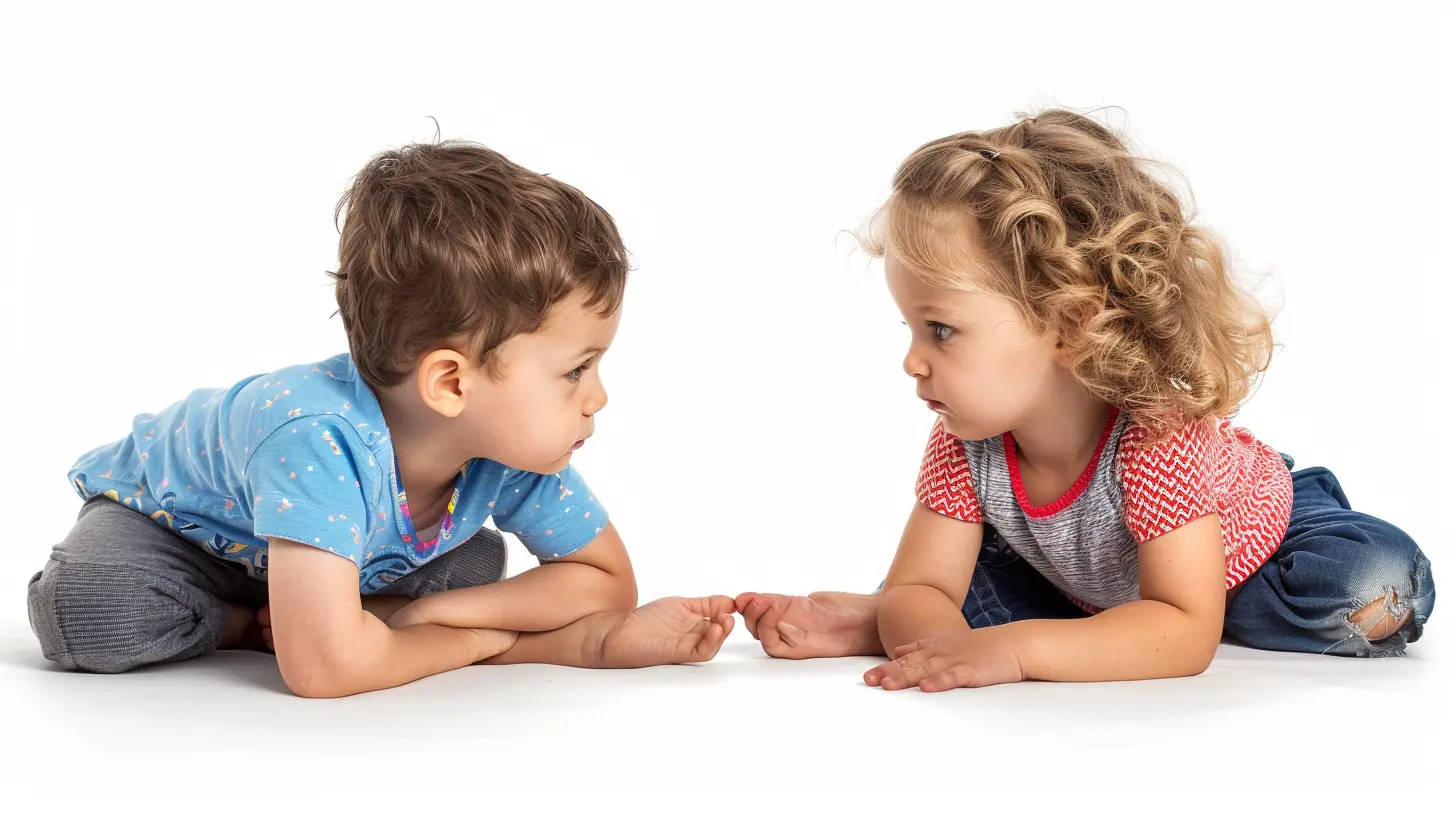
First Things First: What Is Respect for Authority?
Let’s be clear: respect for authority isn’t about blind obedience or treating adults like royalty while kids grovel like humble peasants. Nope. We’re not running a medieval kingdom here.Respect for authority is about understanding roles, following reasonable guidance, and, yes, being able to say “no” without throwing a sassy tantrum that could rival a soap opera meltdown. It’s recognizing boundaries, cooperating, and treating others (even if they’re older and slightly bossier) with dignity.
And here's the kicker—kids learn this best when we treat them with respect first. Gasp!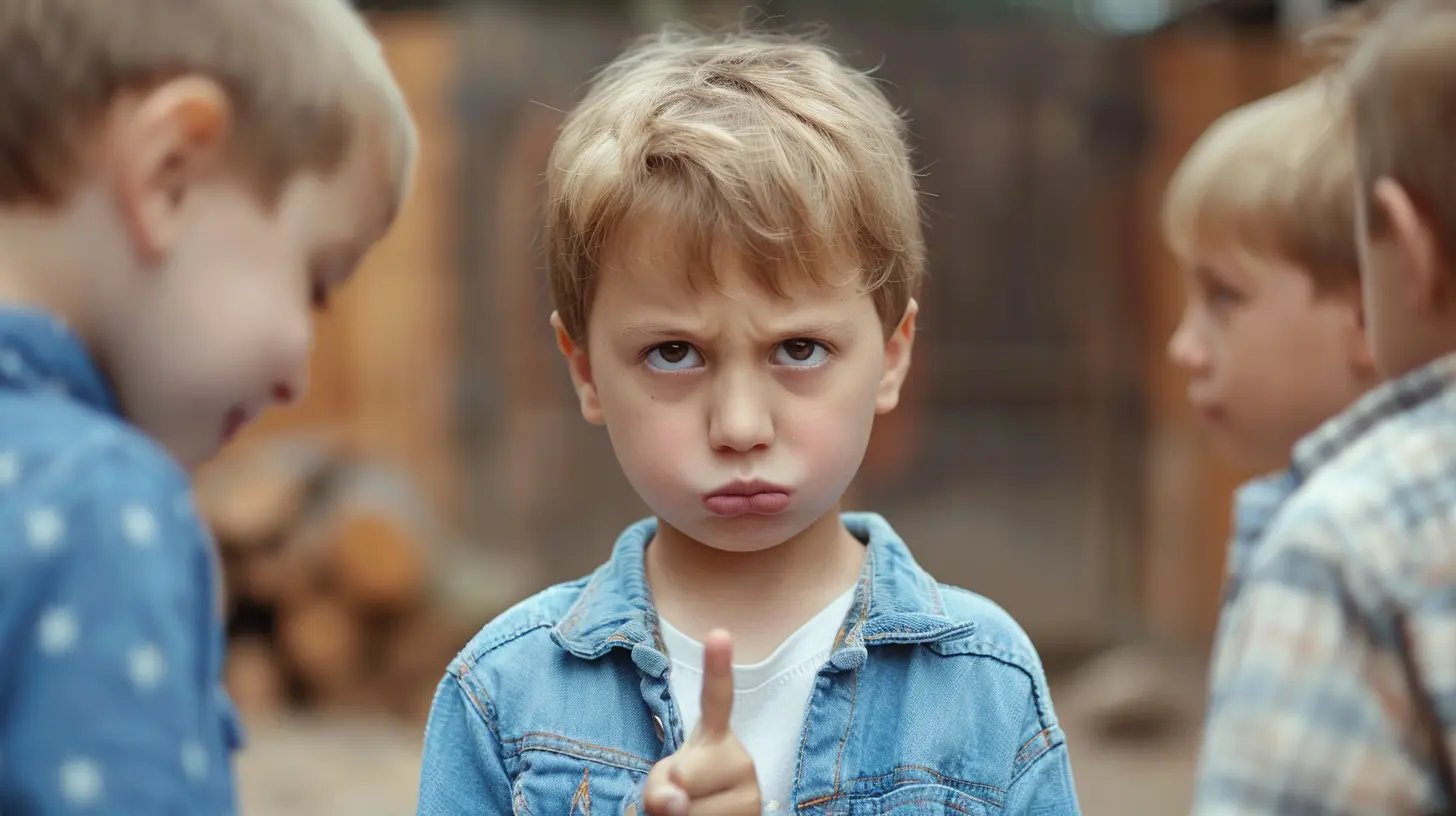
Wait, Why Gentle Methods?
You mean, not yelling, threatening, or bribing them with cookies to pick up their socks? Wild concept.Gentle parenting isn’t a “let them run wild and free like emotional raccoons” philosophy. It’s about setting firm, loving boundaries without using fear or force. Think of it as having a strong Wi-Fi signal—you’re always connected, even when the mood gets stormy.
And spoiler alert: kids who feel respected and heard are more likely to give respect and listen. Funny how that works, huh?
Step 1: Model What You Preach (Because Kids Are Little Mirrors)
If you bark orders at your child like you're the sergeant in a boot camp, don’t be surprised when they boss around the family dog with the same intensity.Kids are constantly observing us—our words, our tone, even our dramatic sighs when we step on yet another Lego. If we treat them with kindness and respect, even when they’re acting like gremlins who had sugar past bedtime, they learn: "Oh, this is how humans interact."
So Try This:
- Say “please” and “thank you” to your child (yes, even when you’re just asking them to brush their teeth for the 17th time).- Apologize when you mess up (very humbling, but powerful).
- Speak to them how you’d want to be spoken to... even if they’ve just poured cereal on the cat.
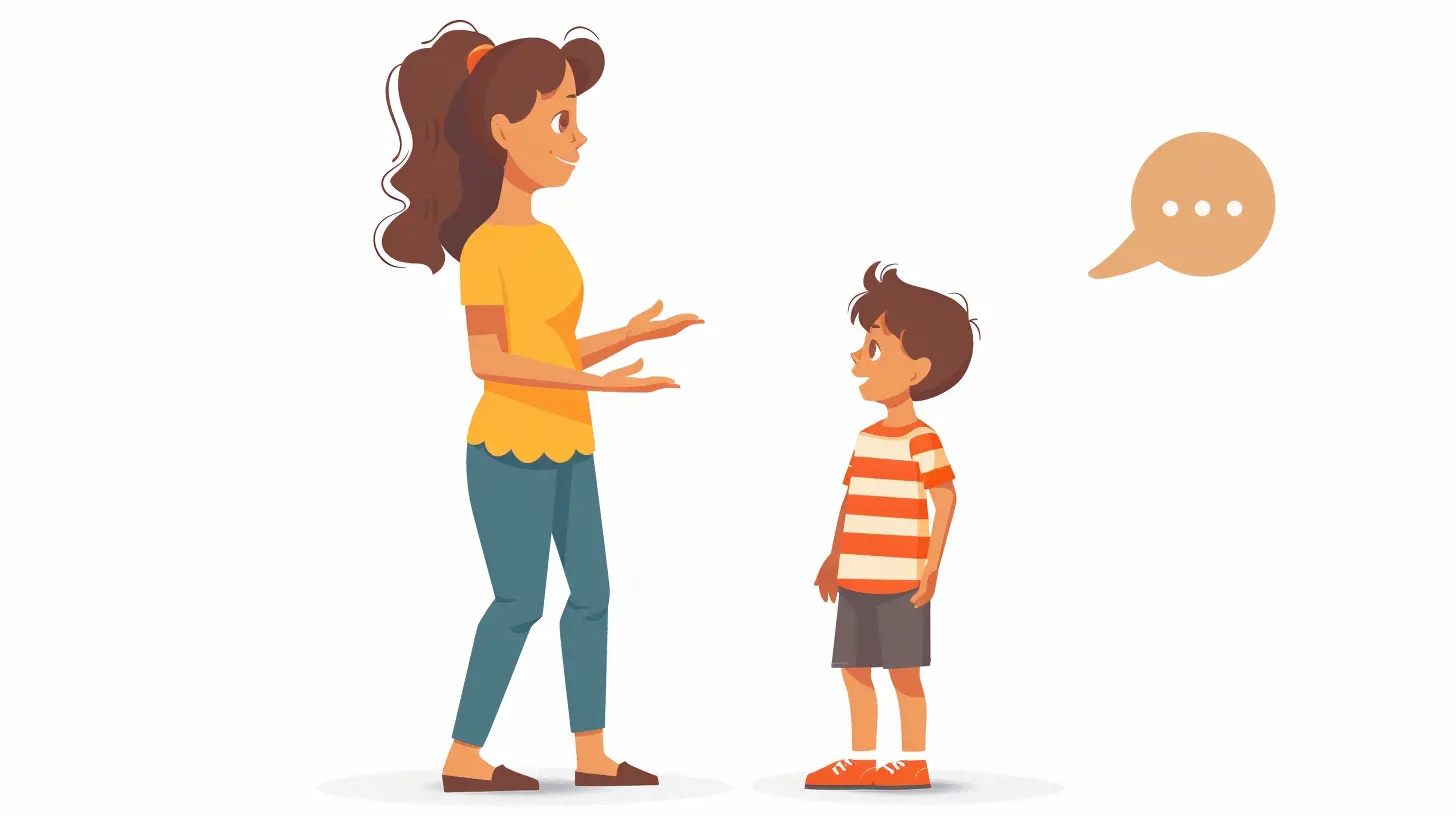
Step 2: Set Clear Boundaries (Without Sounding Like a Dictator)
Boundaries are like plant stakes—without them, our little humans grow in all sorts of unpredictable directions. But here's the key: boundaries need to make sense and be communicated calmly.Kids are more likely to follow rules when they understand the “why” behind them. “Because I said so” may be tempting when you’re five minutes away from a full parental meltdown, but it teaches nothing except that power wins.
Try Saying:
- “We don’t hit when we’re mad. I get mad too sometimes, but we use words instead.”- “I need you to stay near me at the store so I can keep you safe.”
- “Bedtime is at 8 so your brain can grow strong for tomorrow’s adventures.”
Let them in on the logic. Kids love logic. They just don’t always show it.
Step 3: Give Choices. But Not All the Choices
There’s power in choice. And kids—tiny as they are—want to feel like they have some control. Because let’s face it, their lives are mostly run by adults, and that’s got to feel a little frustrating.Giving limited, age-appropriate choices helps them feel respected without handing over the keys to the kingdom.
For Example:
- “Do you want to wear your red shoes or your blue shoes?”- “Would you like to clean up toys now or in five minutes?”
- “Do you want broccoli next to the pasta or under it like a secret veggie ninja?”
You’d be surprised how well this works—because it feels like freedom, but you’re still steering the ship.
Step 4: Validate Feelings First, Correct Behavior Second
Ever been furious and someone tells you to “calm down”? Didn’t that just make you more furious? (Asking for a friend.)Kids need the same thing we do when emotions run wild: to feel seen and heard. Before jumping into correction mode, show them you get it.
Instead of:
> “You’re being rude. Don’t talk to me like that!”Try:
> “I see you’re really frustrated. Want to tell me what’s going on?”
Validation isn’t agreeing with bad behavior—it’s acknowledging the emotion behind it. Once they feel understood, they’re way more open to the adulting part of the conversation.
Step 5: Be Consistent, aka "The Boring Superpower"
Here’s the truth bomb: consistency is more powerful than any sticker chart or punishment.Kids thrive on predictability. If the rules change every other Tuesday depending on your coffee intake, respect for authority starts to look like a game of “guess what mood Mom’s in today.”
Stick to your boundaries. Follow through on your words. Consistency builds trust, and trust builds respect.
And yes, it’s exhausting. But so is chasing a child who's sprinting away from bedtime routine like it’s an Olympic sport.
Step 6: Make Room for Connection
Here’s where the magic happens.Kids obey out of fear when they’re scared. But they listen, cooperate, and actually want to follow guidance when there’s a strong connection. It’s like emotional Wi-Fi—when you’re plugged in, the signal is strong.
Build Connection With:
- Daily one-on-one time (even 10 minutes of undivided attention can shift your whole day)- Eye contact when speaking (and listening)
- Physical affection (hugs are brain food, literally)
- Shared laughter (being goofy is underrated)
A child who feels deeply connected to you doesn’t need to be “controlled.” They'll respect you because they love you—and feel loved in return.
Step 7: Use Natural Consequences (Let Life Be the Teacher)
Gentle methods don’t mean “no consequences.” But we favor natural consequences over manufactured ones. Why? Because they teach instead of punish.If your child doesn’t put on a jacket, they feel cold. That’s a natural consequence (and a sneaky science lesson on body temperature regulation). If they forget their lunch, they’ll be hungry. You don’t need to ground them for a week or launch into a guilt trip longer than a Netflix binge.
Life offers plenty of learning moments—our job is to let kids experience some of them (safely) without wrapping everything in parental bubble wrap.
Step 8: Pick Your Battles (Seriously, You Can’t Win Them All)
Does your child want to wear a Batman cape to school? Let them. Colored their arms with washable marker? Deep breaths. That’s not a respect issue—it’s a creative expression and, okay yes, a little annoying.The more we police every tiny action, the more resistance we get. Save those energy reserves for the big stuff—safety, kindness, integrity, basic hygiene (because brushing teeth isn’t optional, even for tiny dragons).
Winning every battle usually ends in losing the war. Choose wisely, dear generals.
Step 9: Humor—Your Secret Weapon
You’d be shocked how much easier parenting is when you add a little humor. Instead of barking commands like a drill sergeant, why not turn it into a silly game?- “Let’s race to see who can brush their teeth first!”
- “Oh no! The toy dinosaurs are freezing! We’ve gotta clean up and rescue them!”
- “Captain Clean-Up reporting for duty—what’s your mission today?”
Laughter diffuses tension, builds connection, and makes you seem a little less like the fun police. Win-win-win.
Step 10: Be the Calm in Their Storm (Even When You Feel Like a Hurricane)
When your child is in complete meltdown mode—screaming, flailing, unleashing chaos like they’re summoning emotional demons—it’s tempting to match their energy. But resist, brave parent, resist.Your calm is contagious. If you’re able to hold space for their big feelings without losing your own cool, they learn emotional regulation by example.
Be the adult who doesn't lose their marbles over spilled milk—or spilled glitter (which is worse, honestly). Deep breaths, soft voice, open arms. You’ve got this.
Final Thought: This Isn’t About Raising Obedient Robots
Look, we're not raising Stepford children here. Our goal isn't total compliance but mutual respect. We want kids who think for themselves, stand up for others, and know how to respectfully disagree (even with us—deep sigh).Gentle parenting isn't the easy road. It's the intentional, slow-burn route. But the destination? Worth every second.
Because teaching respect for authority using gentle methods doesn’t just build better kids—it builds better relationships and, dare I say, a better world.
all images in this post were generated using AI tools
Category:
Positive DisciplineAuthor:

Karen Hurst