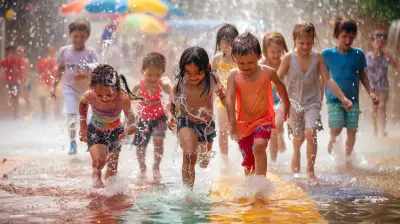
The Importance of Play: Parenting Books That Redefine Learning Through Fun
3 March 2026
As parents, we often find ourselves caught in the whirlwind of structured learning—flashcards, worksheets, and endless educational apps. But what if I told you that one of the most powerful learning tools is something kids naturally do every day? Yes, I’m talking about play.
Play isn’t just about keeping kids entertained; it’s a fundamental part of their development. It helps with cognitive growth, emotional intelligence, social skills, and even problem-solving. If you’re looking to foster a love of learning through play, parenting books can be your best guide. Let’s dive into some insightful books that redefine learning by making it fun! 
Why Play Is More Than Just Fun
Many parents associate playtime with mere amusement, but research tells us otherwise. Play nurtures creativity, strengthens problem-solving skills, and even enhances memory. Children learn best when they’re engaged and having fun—it’s just how their brains work.According to child development experts, play-based learning encourages curiosity, resilience, and independence. It transforms everyday moments into opportunities for exploration and discovery.
But in an era where screens and rigid academic standards dominate, how can we, as parents, ensure our kids have the freedom to learn through play? That’s where some fantastic parenting books come in. 
Top Parenting Books That Emphasize Learning Through Play
These books don’t just talk about play; they provide actionable insights and strategies for incorporating playful learning into everyday life.1. Play: How It Shapes the Brain, Opens the Imagination, and Invigorates the Soul — By Stuart Brown, M.D.
Dr. Stuart Brown, a leading researcher in the field of play, dives deep into why play is more than just a childhood pastime—it’s essential for brain development and emotional well-being. He argues that play is as crucial as sleep or nutrition, influencing everything from problem-solving abilities to social skills.This book is a must-read for parents who want scientific proof that play is a necessity, not a luxury. It reinforces the idea that play isn’t wasted time—it’s essential for raising well-rounded kids.
2. The Power of Play: How Spontaneous, Imaginative Activities Lead to Happier, Healthier Children — By David Elkind
David Elkind challenges the notion that structured learning is the only way for kids to develop academically. He emphasizes that spontaneous, creative play fosters critical thinking and emotional intelligence far better than rigid instruction.If you’ve ever felt guilty about letting your child play freely instead of sitting down with a workbook, this book will reassure you that you’re on the right path.
3. Balanced and Barefoot: How Unrestricted Outdoor Play Makes for Strong, Confident, and Capable Children — By Angela J. Hanscom
Let’s talk about the great outdoors. Too many kids today are glued to screens instead of running around, climbing trees, or playing in the mud. Angela Hanscom, a pediatric occupational therapist, highlights how outdoor play is crucial for sensory development, motor skills, and emotional resilience.This book is an eye-opener for parents who want their kids to grow up physically and mentally strong. It also provides practical advice on how to encourage outdoor play, even in urban settings.
4. Free to Learn: Why Unleashing the Instinct to Play Will Make Our Children Happier, More Self-Reliant, and Better Students for Life — By Peter Gray
Peter Gray takes a bold stance: the traditional classroom model isn't the best way for children to learn. Instead, he argues that giving kids the freedom to play leads to better learning outcomes.If you’re intrigued by child-led learning and unschooling, this book will change how you view education. It’s a powerful read for parents looking to break free from conventional schooling methods.
5. The Art of Roughhousing: Good Old-Fashioned Horseplay and Why Every Kid Needs It — By Anthony T. DeBenedet & Lawrence J. Cohen
Roughhousing—wrestling, pillow fights, and playful physical interactions—often gets a bad rep. But according to the authors, it’s actually essential for emotional intelligence and physical development.This book is perfect for parents who want to embrace safe physical play while strengthening their connection with their kids. 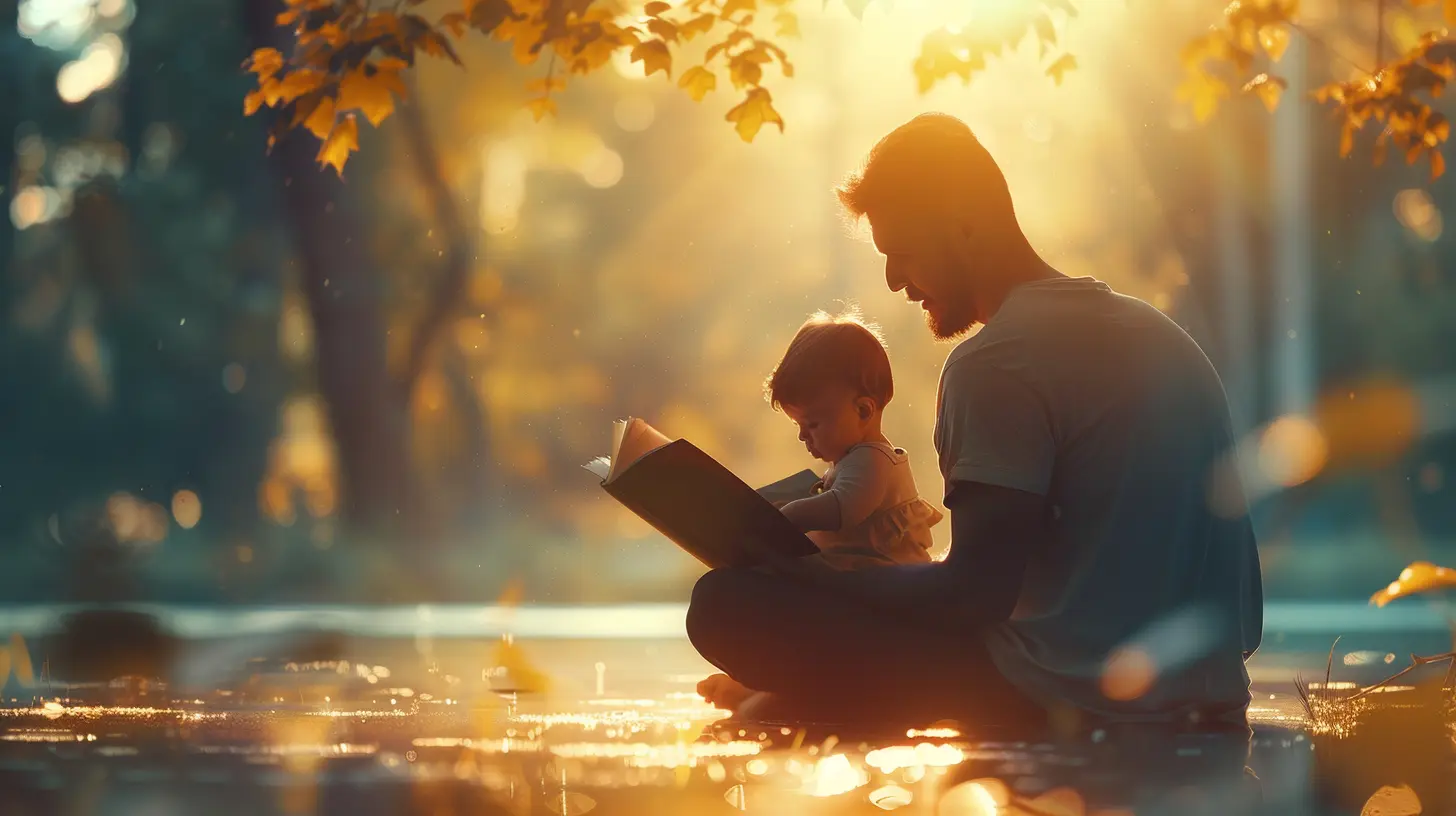
How to Incorporate Play-Based Learning in Daily Life
Now that you know why play is crucial and have some great books to dive into, let’s talk about practical ways to make learning fun at home.1. Turn Everyday Tasks Into Games
Who says chores have to be boring? Turn cleanup time into a race, or make cooking a fun science experiment. The key is to involve your child in playful problem-solving.2. Encourage Imaginative Play
Give your child some cardboard boxes, blankets, and pillows, then watch them transform the living room into a spaceship or a castle. Imaginative play builds creativity and cognitive flexibility.3. Get Outdoors More
Nature is the best playground. Whether it’s climbing trees, playing tag, or simply exploring a park, outdoor play offers endless learning opportunities.4. Say Yes to Messy Play
Finger painting, sensory bins, and mud kitchens—messy play helps with sensory development and fine motor skills. So, let go of perfection and embrace the mess!5. Use Play to Teach Emotional Skills
Through role-playing and storytelling, kids learn about empathy, conflict resolution, and emotions. Dolls, puppets, and even stuffed animals can become tools for emotional learning.
Rethinking Education: Why Play Matters More Than Ever
In today’s fast-paced, achievement-oriented world, it’s easy to fall into the trap of thinking more structure equals better learning. But the truth is, forcing rigid academics too early can actually backfire, leading to burnout and disengagement.Play-based learning nurtures intrinsic motivation—kids learn because they want to, not because they have to. It encourages curiosity, resilience, and problem-solving, skills that last a lifetime.
As parents, we have the power to shift our perspective. Instead of asking, What did you learn today?, we can ask, What did you discover while playing? That simple shift changes everything.
Final Thoughts
If you want to raise happy, curious, and intelligent kids, play is the secret ingredient. The books we’ve discussed offer incredible insights into why play is essential and how to integrate it into everyday life.So, next time your child builds a pillow fort or turns a stick into a magic wand, don’t rush to redirect them to something “more productive.” That play is learning in its purest form.
Now, go ahead—pick up one of these fantastic books and redefine learning through fun!
all images in this post were generated using AI tools
Category:
Parenting BooksAuthor:

Karen Hurst
Discussion
rate this article
2 comments
Sybil McKinley
While play is essential, balance structure with spontaneity to foster deeper, holistic learning experiences.
March 4, 2026 at 3:43 PM
Karen Hurst
I completely agree. Finding that balance between structured play and spontaneity can truly enhance the learning experience for children.
Olivia McKeehan
Thank you for this insightful article! It’s refreshing to see how play is highlighted as a crucial part of learning. I’m excited to explore the recommended books and implement more fun into our daily routine. Truly appreciate your sharing!
March 3, 2026 at 4:42 AM
Karen Hurst
Thank you for your kind words! I'm glad you found the article helpful and inspiring. Enjoy the exploration of play in learning!