The Power of Open Communication in Blended Families
30 January 2026
Blended families are a beautiful mix of love, second chances, and new beginnings. But let's be real—merging two different sets of traditions, parenting styles, and emotions can feel like trying to solve a puzzle with missing pieces. The secret ingredient? Open communication.
When everyone in the family, from stepparents to stepkids, feels heard and valued, transitions become smoother, connections grow stronger, and conflicts are handled with understanding rather than frustration. So, how do you create a home where open communication is the norm rather than the exception? Let’s dive in! 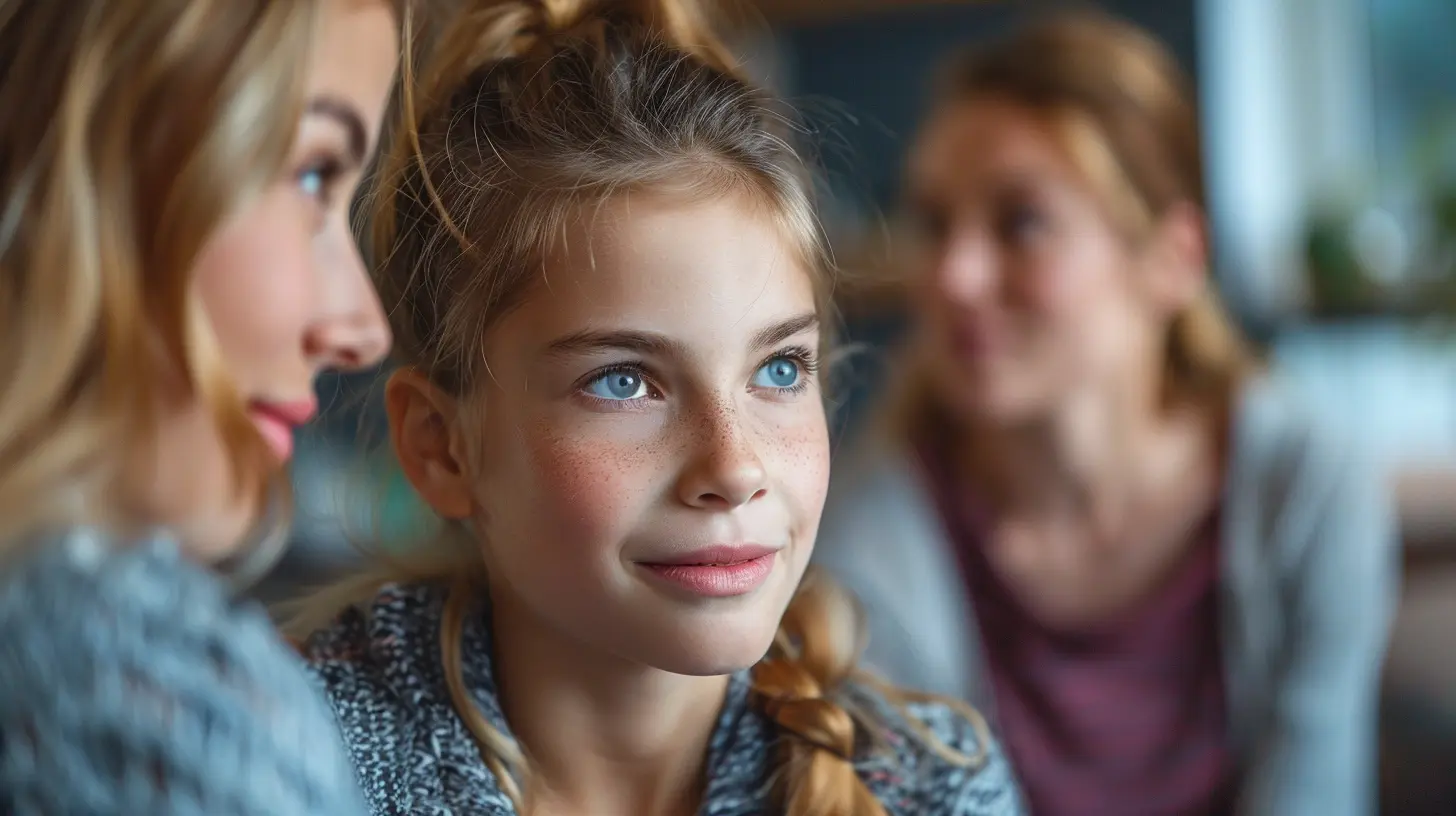
Why Open Communication in Blended Families Matters
Imagine trying to build a house without a solid foundation. No matter how beautiful the structure is, it won’t stand for long. Open communication is that foundation in a blended family—it holds everything together.1. Reduces Misunderstandings – Let’s face it, assumptions can lead to unnecessary drama. When family members express their thoughts clearly, it minimizes confusion.
2. Builds Stronger Bonds – Talking openly about feelings and expectations fosters trust. When kids and stepparents know they can speak without fear, relationships naturally improve.
3. Eases Transitions – Adjusting to a new family dynamic takes time. Honest conversations help set realistic expectations and make the adjustment smoother.
4. Encourages Respect – Every member of the family should feel valued. Open communication ensures that everyone’s perspective is considered and respected. 
Common Communication Challenges in Blended Families
Before talking about solutions, let’s acknowledge the hurdles. Every family faces unique struggles, but blended families often have added layers of complexity.1. Navigating Different Parenting Styles
What happens when one parent is strict while the other is more lenient? Kids might feel torn between two different sets of rules, leading to frustration.2. Feelings of Resentment or Loyalty Conflicts
Children may feel guilty for bonding with a stepparent, thinking they’re betraying their biological parent. Similarly, biological parents may feel excluded when their kids develop a close relationship with their stepparent.3. Unspoken Expectations
Step-siblings might assume they’ll automatically be best friends, or a stepparent might expect instant respect. When reality doesn’t match expectations, disappointment follows.4. Past Emotional Wounds
Divorce, separation, or loss can leave emotional scars. Without open communication, these feelings can go unaddressed, leading to resentment.Now that we’ve outlined the roadblocks, let’s talk about how to overcome them. 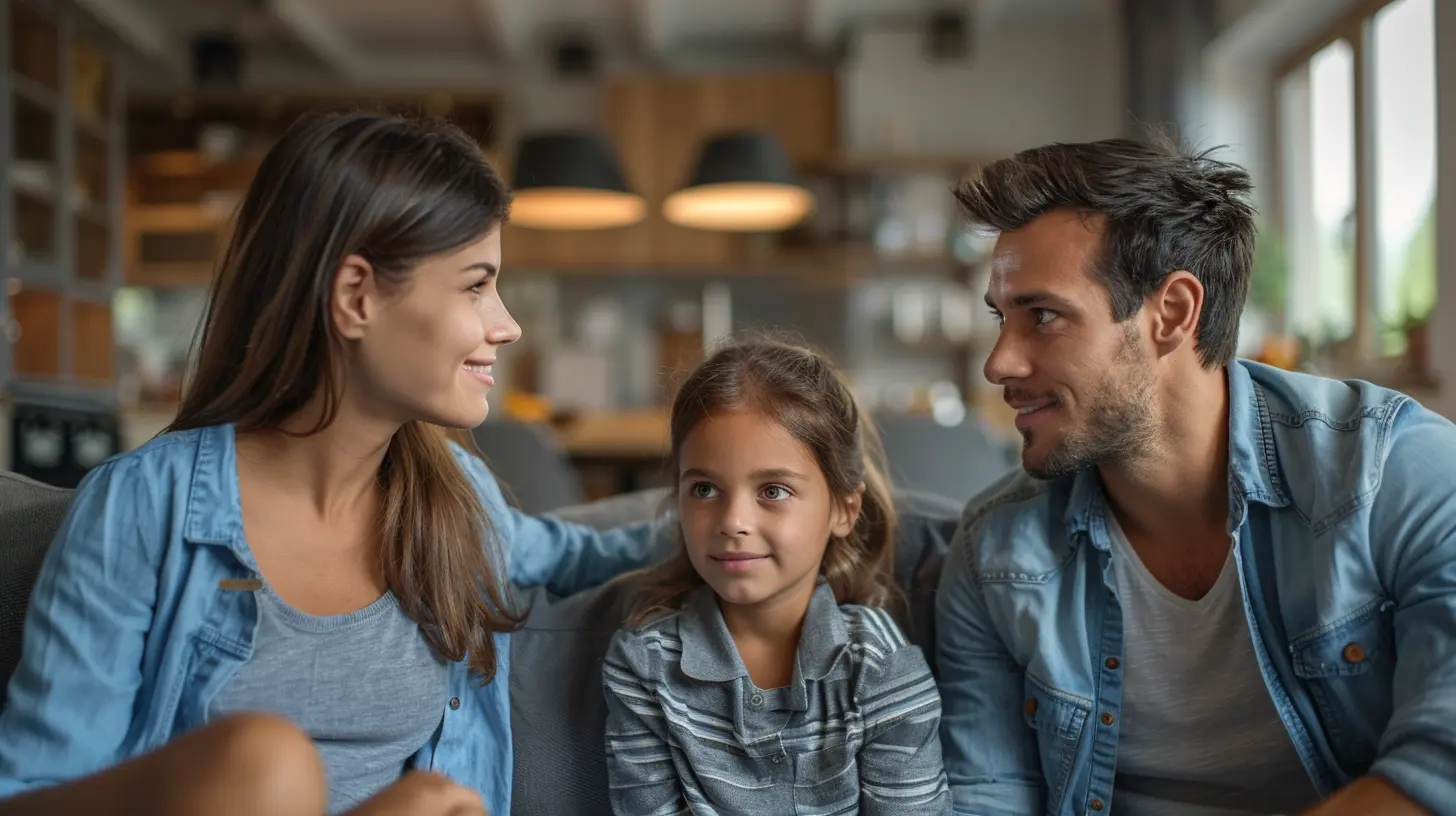
How to Foster Open Communication in a Blended Family
1. Encourage Honest and Judgment-Free Conversations
No one should feel like their thoughts or feelings are off-limits. Encourage all family members to express themselves freely without fear of being judged.❝ A great way to do this is by setting up weekly family check-ins, where everyone can share their thoughts in a safe space. ❞
2. Practice Active Listening
Listening isn’t just about hearing words—it’s about understanding emotions behind them. When your child or partner speaks, put down the phone, make eye contact, and truly listen without interrupting.Pro Tip: Repeat what the other person says in your own words to show that you’re engaged:
"So you're feeling upset because you think the rules are unfair?"
This simple trick makes people feel heard and valued.
3. Set Clear and Fair Expectations
Blended families often face friction because expectations aren’t communicated clearly. Sit down as a family and talk about house rules, responsibilities, and boundaries.For example, if chores are an issue, create a schedule that works for everyone rather than assuming kids will automatically share the workload fairly.
4. Avoid Favoritism
It’s natural to feel deeply connected to your biological kids, but showing favoritism—intentionally or unintentionally—can drive a wedge between stepfamily members.Make an effort to treat all children equally, whether they’re biologically yours or not. Fairness fosters trust and harmony in a blended family.
5. Use "I" Statements Instead of Blame
Blame creates defensiveness, and defensiveness creates distance. Instead of saying, “You never listen to me!” say, “I feel unheard when I try to share my thoughts.”This small shift in wording can prevent conflicts from escalating and keeps conversations productive.
6. Respect Each Other's Space and Feelings
Blending lives doesn’t mean forcing relationships. Give kids—and adults—time to adjust. Let bonds form naturally rather than pushing for immediate closeness.If a child isn’t ready to call their stepparent “mom” or “dad,” respect that. If a stepparent feels left out, encourage open discussions rather than bottling up feelings.
7. Involve Kids in Decision-Making
Kids in blended families often feel like life changes happen to them rather than with them. Giving them a voice in decisions—big or small—helps them feel included and respected.Even something as simple as letting them choose a family movie or dinner menu can help them feel like an important part of the family unit.
8. Celebrate Each Family Member’s Identity
Blended families bring together different backgrounds, traditions, and experiences. Instead of forcing a “one-size-fits-all” approach, celebrate these differences.If one side of the family celebrates Christmas while the other observes Hanukkah, embrace both! Creating new traditions that incorporate everyone's backgrounds strengthens the bond within the family.
9. Be Patient and Keep Working at It
Rome wasn’t built in a day, and neither are strong family relationships. There will be bumps in the road, but what matters most is consistently working toward open communication and understanding.Stepparents and stepchildren won’t always see eye to eye, and that’s okay. The key is to keep talking, keep listening, and keep showing up for each other. 
The Long-Term Benefits of Open Communication
When blended families commit to open communication, the results are powerful:✅ Stronger relationships – Kids develop trust in their stepparents, and stepparents feel more comfortable in their roles.
✅ Healthier conflict resolution – Disagreements are handled with understanding rather than frustration.
✅ A happier home environment – A home where everyone feels heard and respected is a home filled with love.
✅ Better emotional well-being for everyone – Kids and adults alike experience less stress when communication is honest and open.
Blending families isn’t always easy, but when communication is prioritized, the love and harmony that result make all the effort worthwhile.
Final Thoughts
Every blended family has its ups and downs, but open communication truly is the magic glue that holds everything together. By encouraging honest conversations, setting clear expectations, and actively listening to one another, you can turn a house full of individuals into a home filled with love, respect, and unity.So, take a deep breath, start that conversation you've been avoiding, and watch how communication transforms your blended family for the better. You’ve got this!
all images in this post were generated using AI tools
Category:
Blended FamiliesAuthor:

Karen Hurst
Discussion
rate this article
2 comments
Justice McLean
This article beautifully highlights the essential role of open communication in blended families. By fostering trust and understanding, parents can navigate complexities and build stronger relationships. Encouraging dialogue not only bridges gaps but also empowers children to express their feelings, ultimately creating a harmonious and supportive family environment. Well said!
February 15, 2026 at 6:00 AM
Karen Hurst
Thank you for your thoughtful comment! I'm glad you found the article resonates with the importance of open communication in blended families.
Vivian McGrady
Open communication: the ultimate family peace treaty... and snacks!
January 31, 2026 at 5:52 AM
Karen Hurst
Absolutely! Open communication fosters understanding and harmony, and who doesn’t love snacks to sweeten the conversation?