The Role of Nutrition in Toddler Brain Development
8 March 2026
As parents, one of our biggest responsibilities is ensuring our toddlers get off to the best possible start in life. And while we often focus on milestones, whether they’re walking or talking, there’s something else happening that’s just as important (if not more) — brain development. It’s fuelled by a combination of genetics, environment, and something often overlooked — nutrition.
So, let's dive deep into the role of nutrition in toddler brain development. We’re not just talking about keeping their tummies full — we’re talking about feeding their minds, literally.
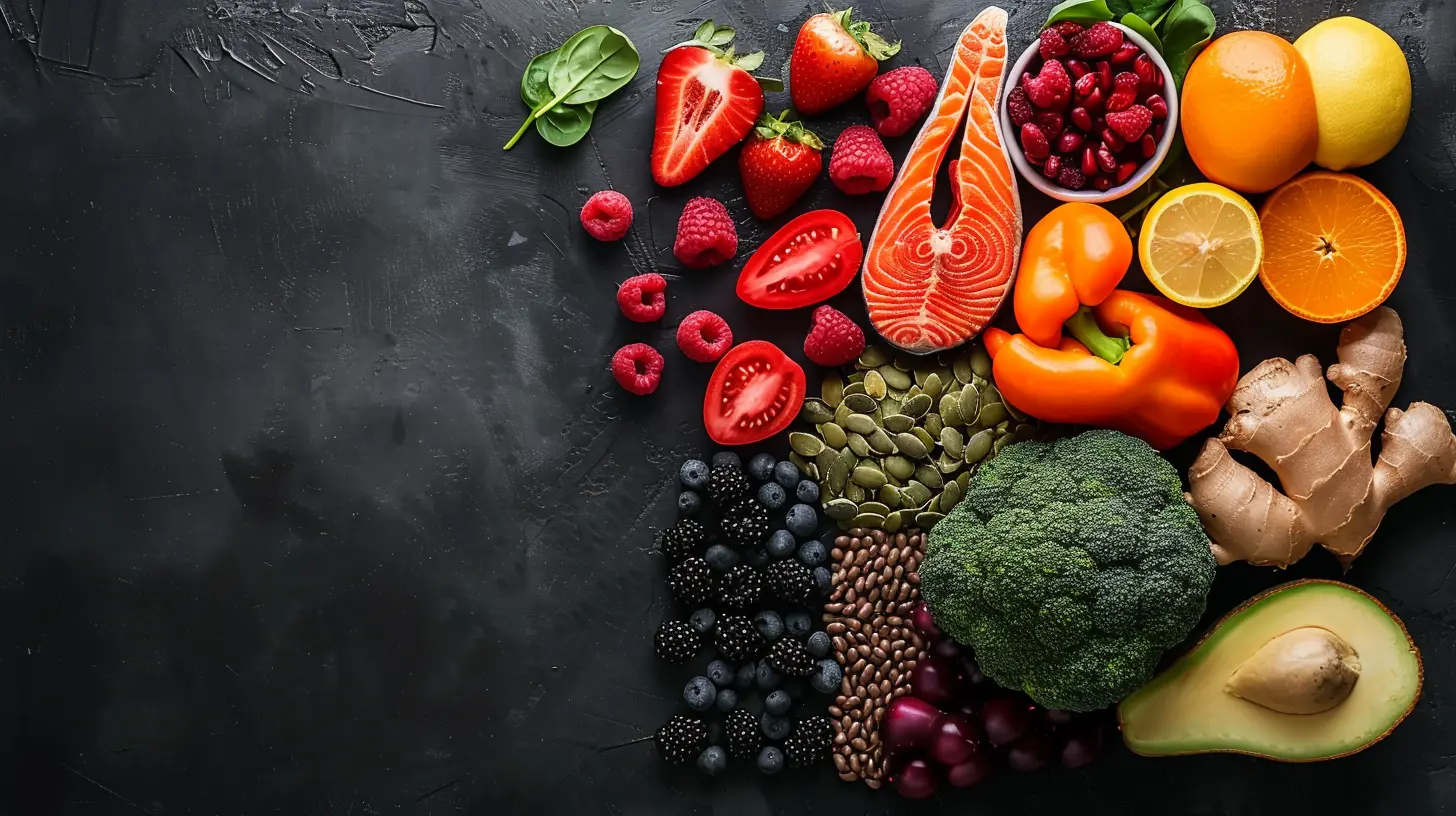
Why Is Toddler Nutrition So Important For The Brain?
You know how they say, "You are what you eat"? Well, for toddlers, it’s more like “Your brain is what you eat.” The brain is a crazy complex organ, and in those first few years of life, it’s developing at a speed that would put race cars to shame. In fact, by the age of three, a child’s brain is about 80%-90% the size of an adult’s brain.But here’s the catch: brains need the right kind of fuel to grow properly. If we want to ensure our little ones are hitting those cognitive, physical, and emotional milestones, we need to give them a diet rich in the nutrients their brains crave.
So, what nutrients are we talking about? Let’s break it down.
Essential Nutrients For Toddler Brain Development
1. Omega-3 Fatty Acids (DHA & EPA)
When you think of brain food, Omega-3 fatty acids are the rock stars. DHA (docosahexaenoic acid) and EPA (eicosapentaenoic acid) are the two most important types for brain growth. These fats build and maintain cell membranes. Think of them as the building blocks for neurons (the brain's messengers).Why It Matters:
Omega-3s are essential for cognitive functions like memory, problem-solving, and even regulating mood. Studies have highlighted that toddlers who get enough DHA tend to score higher in verbal intelligence, attention span, and even social skills.Sources:
You can find Omega-3s in foods like:- Fatty fish (salmon, mackerel, sardines)
- Fortified eggs
- Chia seeds
- Flaxseed oil
- Walnuts
If your toddler refuses to eat fish, don't lose heart! Fish oil supplements high in DHA can be a wonderful alternative. But always consult a pediatrician before adding supplements to your child’s diet.
2. Choline
Choline may not be as famous as Omega-3s, but it deserves a standing ovation for its role in brain development. Basically, choline helps with the formation of acetylcholine, a neurotransmitter responsible for mood, memory, and verbal development.Why It Matters:
Adequate choline levels in early childhood have been linked to improved learning abilities, cognitive development, and even better stress regulation later in life. It’s that brain ‘superfood’ that helps build new brain cells and synapses.Sources:
Choline can be found in:- Eggs (especially in the yolks)
- Beef liver
- Chicken
- Dairy products like milk and yogurt
- Broccoli and Brussels sprouts
A scrambled egg in the morning could be contributing to your child’s ability to process information at daycare. Who knew?
3. Iron
Iron isn’t just for strong muscles; it also packs a punch when it comes to brain development. Toddlers need iron for oxygen transportation in the blood and proper brain growth.Why It Matters:
Low levels of iron can lead to cognitive and developmental delays — we’re talking learning difficulties and even behavioral problems. It’s like a car running without enough gas; you’re not going to get very far. The brain needs oxygen to function, and iron helps deliver it.Sources:
Iron-rich foods include:- Red meats (beef, lamb)
- Spinach
- Lentils
- Fortified cereals
- Beans
Pair iron-rich foods with a source of vitamin C (like oranges or strawberries) to help the body absorb the iron better.
4. Zinc
Zinc is like the brain’s behind-the-scenes manager, ensuring everything runs smoothly. It’s essential for brain cell growth and serves to protect neurons from damage.Why It Matters:
Zinc deficiency in toddlers has been associated with delays in motor skills, attention problems, and slower cognitive development. It’s a mineral that’s hard at work keeping their little brains chugging along.Sources:
Zinc can be found in:- Oysters (if you’re feeling adventurous)
- Beef
- Pumpkin seeds
- Chickpeas
- Cashews
5. B Vitamins (B6, B12, Folate)
The B family of vitamins is like a team of superheroes for the brain. Among them, B6, B12, and folate play critical roles in ensuring proper brain function, learning ability, and social development.Why It Matters:
These vitamins help produce neurotransmitters like serotonin and dopamine, the chemicals that regulate mood and cognitive function. They’re the brain’s way of keeping your toddler happy, attentive, and curious.Sources:
Here’s where you can find these vitamins:- Meat and poultry
- Leafy greens (spinach, kale)
- Avocados
- Whole grains
- Nuts
6. Vitamin D
We all know Vitamin D is important for strong bones, but did you know it’s essential for brain development too? It can aid in mood regulation and long-term cognitive health.Why It Matters:
Low levels of Vitamin D in toddlers have been linked to issues like delayed motor development and even poor academic performance later on. Think of it as the sunshine vitamin that boosts both their mood and cognitive function.Sources:
- Sunlight (just 10-15 minutes of exposure does wonders)- Fortified milk
- Cheese
- Egg yolks
- Fatty fish
The Impact of Poor Nutrition on Toddlers’ Brain Development
Okay, so we’ve talked about the good stuff. But what happens when toddlers aren’t getting these essential nutrients?Studies show that poor nutrition during the early years can lead to delayed developmental milestones, cognitive impairments, and even long-term behavioral issues. Imagine trying to build a house without the proper materials — it might look okay from the outside, but inside, there are cracks in the structure.
Malnourished toddlers are at risk of lower IQs, poor attention spans, and trouble with problem-solving. It’s a reminder that every bite truly counts when it comes to growing a healthy brain.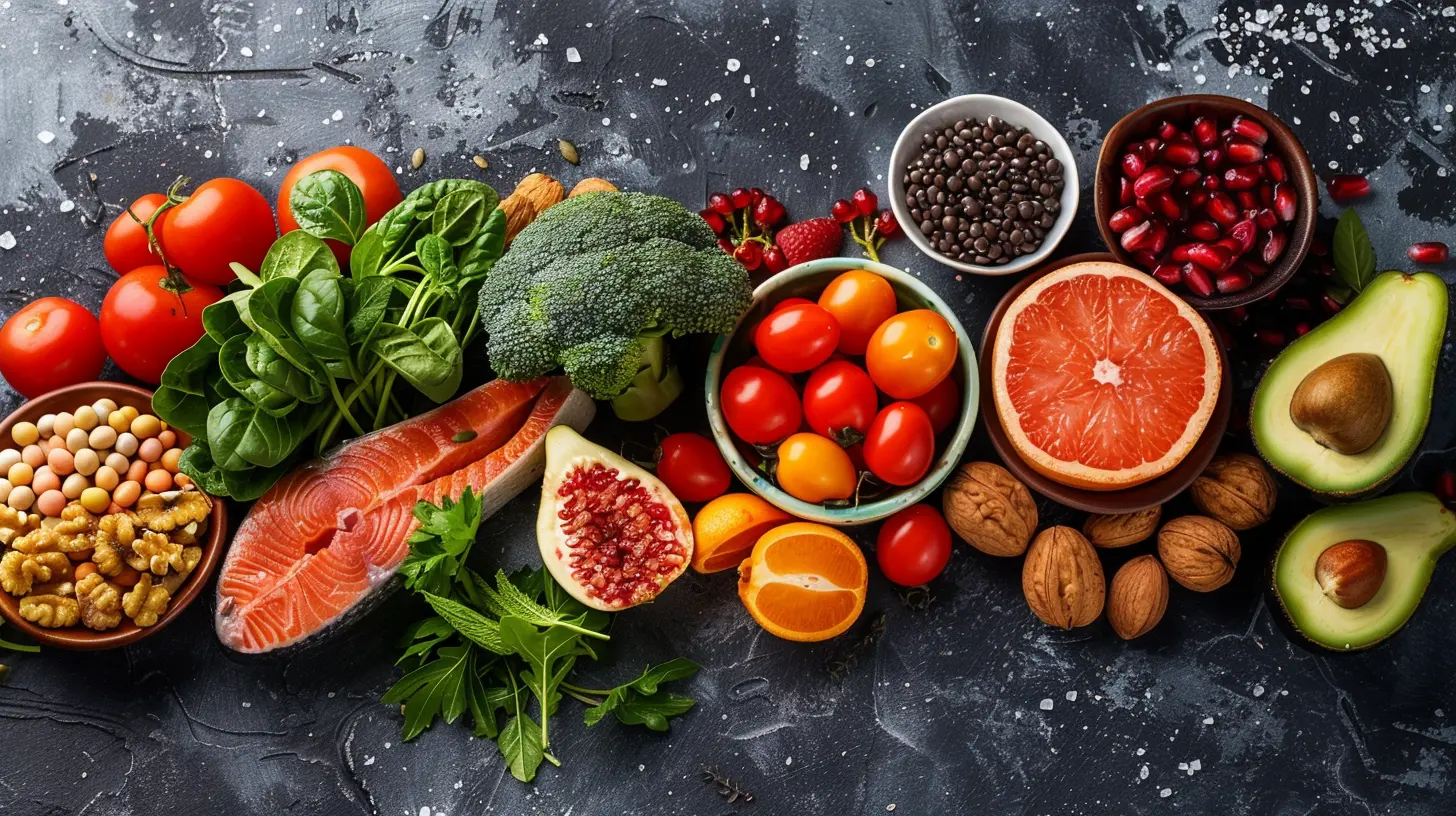
Daily Tips For Brain-Boosting Toddler Nutrition
So, how can you make sure your toddler is getting all these brain-boosting nutrients? Some practical and easy-to-implement tips:- Incorporate variety: Don’t stress about every meal being perfect. Just aim for a balance of protein, healthy fats, fruits, veggies, and whole grains throughout the day.
- Sneak in the good stuff: If your toddler isn’t a fan of certain foods (hello, picky eaters!), sneak them in. Blend spinach into smoothies, or mix flaxseed oil into oatmeal.
- Breakfast matters: Breakfast really is the most important meal for toddlers. It gives them the energy they need to start their day and supports cognitive functions.
- Offer snacks: Toddlers burn through energy fast, so healthy snacks that pack a nutritional punch (like nuts, fruit, or yogurt) help keep them going in between meals.
- Stay hydrated: Water is often overlooked, but staying hydrated is crucial for keeping little minds alert and focused.
When To Ask for Professional Help
Now, all toddlers are different, and there’s no one-size-fits-all approach to ensuring your child gets the best nutrition. If you’re concerned that your toddler might not be getting the nutrients they need or they’re showing signs of developmental delays, it’s always a good idea to speak to a pediatrician or a dietitian.Remember, you’re not alone in this! Every parent worries about whether they’re getting it right, but with the right information and support, you can help set your toddler on the path to long-term brain health and success.
Final Thoughts
The first few years of a toddler’s life are crucial, and nutrition plays a starring role in supporting their brain development. From Omega-3 fatty acids to zinc, every nutrient counts in building a strong foundation for cognitive, emotional, and physical growth.So, the next time your toddler asks for an extra helping of scrambled eggs or a spoonful of yogurt, you can smile knowing that you're not just filling their belly — you’re feeding their future.
all images in this post were generated using AI tools
Category:
Toddler MilestonesAuthor:

Karen Hurst
Discussion
rate this article
2 comments
Dahlia Hughes
Ah yes, because nothing screams “future genius” like a toddler’s refusal to eat anything but mac and cheese. Who knew brain development could be so deliciously complicated? 🍕🧠
March 10, 2026 at 3:25 AM
Karen Hurst
Indeed, nutrition plays a crucial role in brain development, and even a preference for mac and cheese can be part of this complex journey! 🍽️🧠
Darius McKinney
In tender years, when minds take flight, Nourishment weaves the fabric bright. Colors of fruits, grains' gentle embrace, Crafting a future, a warm, loving space. Feed their dreams; let learning ignite.
March 9, 2026 at 3:35 PM
Karen Hurst
Thank you for capturing the essence of how nutrition shapes young minds and futures! It's vital to nourish both body and brain during these formative years.