The Science Behind Positive Discipline: Why It Works
9 March 2026
Parenting is hard. Let’s just say that right up front. There are no cheat codes, no magic wands, and definitely no perfect children. But what if there was a way to guide kids that didn’t involve yelling, bribing, or losing your mind?
Enter: Positive Discipline.
Maybe you've heard the term before. Maybe you’ve tried everything else and you're here because you're desperate for something that actually works. Whatever your reason, you're in the right place. We’re going to break down the science behind positive discipline and why it's more than just a feel-good parenting trend—it’s backed by real psychology and brain research.
Ready to dive in?
What Is Positive Discipline, Anyway?
Let’s get one thing straight: positive discipline is not about being permissive or letting your child walk all over you.At its core, positive discipline is a parenting approach that teaches kids to be responsible, respectful, and resourceful—without using punishment, shame, or fear. Instead, it’s all about connection, boundaries, and problem-solving.
Sounds dreamy, right? But how does it actually work?
The Psychology Behind Positive Discipline
1. Connection Before Correction
Kids (just like adults) behave better when they feel better. That’s not just parenting fluff—it’s neuroscience.When children feel connected to their caregiver, their brains are more receptive to learning, cooperation, and empathy. Positive discipline focuses on building that connection through encouragement, empathy, and involvement. Once they feel secure? Boom—they’re more likely to listen and less likely to push back.
It's kind of like Wi-Fi. If there's no signal, the message doesn't go through. So before correcting behavior, positive discipline strengthens the "signal" between parent and child.
2. Understanding Brain Development
Kids’ brains are still under construction. The prefrontal cortex—the part of the brain that controls self-regulation, impulse control, and reasoning—isn’t fully developed until the mid-20s.So when a toddler throws a tantrum in the grocery store or your 8-year-old lies about homework, it’s not necessarily defiance. It’s often just immature brain wiring.
Positive discipline doesn't excuse this behavior—but it does recognize the developmental reality behind it. Instead of punishing kids for behaviors they’re still learning to manage, it teaches them how to do better next time.
3. Reinforcing Positive Neural Pathways
Here’s the sciencey part—but don’t worry, we’ll keep it simple.When kids experience repeated negative consequences (like yelling or spanking), the brain wires itself for fear or resistance. But when they’re met with calm, consistent, respectful boundaries, their brain builds pathways associated with trust, emotional regulation, and problem-solving.
In short? Positive discipline shapes the brain for long-term emotional intelligence.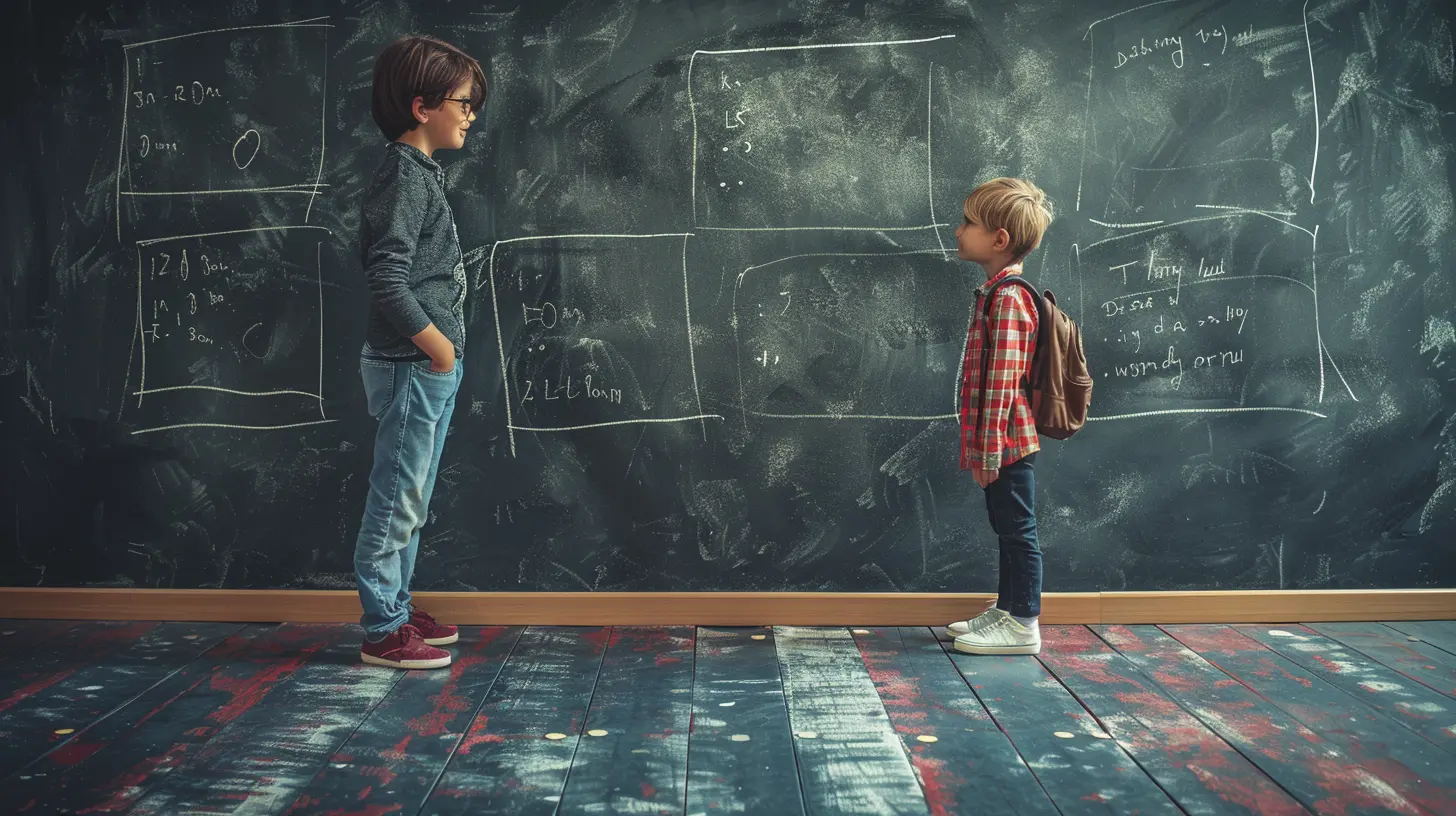
How Positive Discipline Meets Children’s Needs
The Five Basic Needs
According to psychologist Rudolf Dreikurs, children misbehave when they’re trying (in the wrong way) to meet one of five basic needs:1. Belonging and significance
2. Perceived capability
3. Personal power
4. Fairness
5. Engagement
Positive discipline addresses all five.
Instead of punishing a child for acting out, it asks: What is my child really needing right now? Then it guides the child to meet that need in a healthy, respectful way.
Let’s say a child keeps interrupting. Is it attention-seeking? Maybe. But deeper down, they’re probably craving connection—or wanting to feel important. Positive discipline would involve acknowledging their need and teaching better ways to handle their feelings.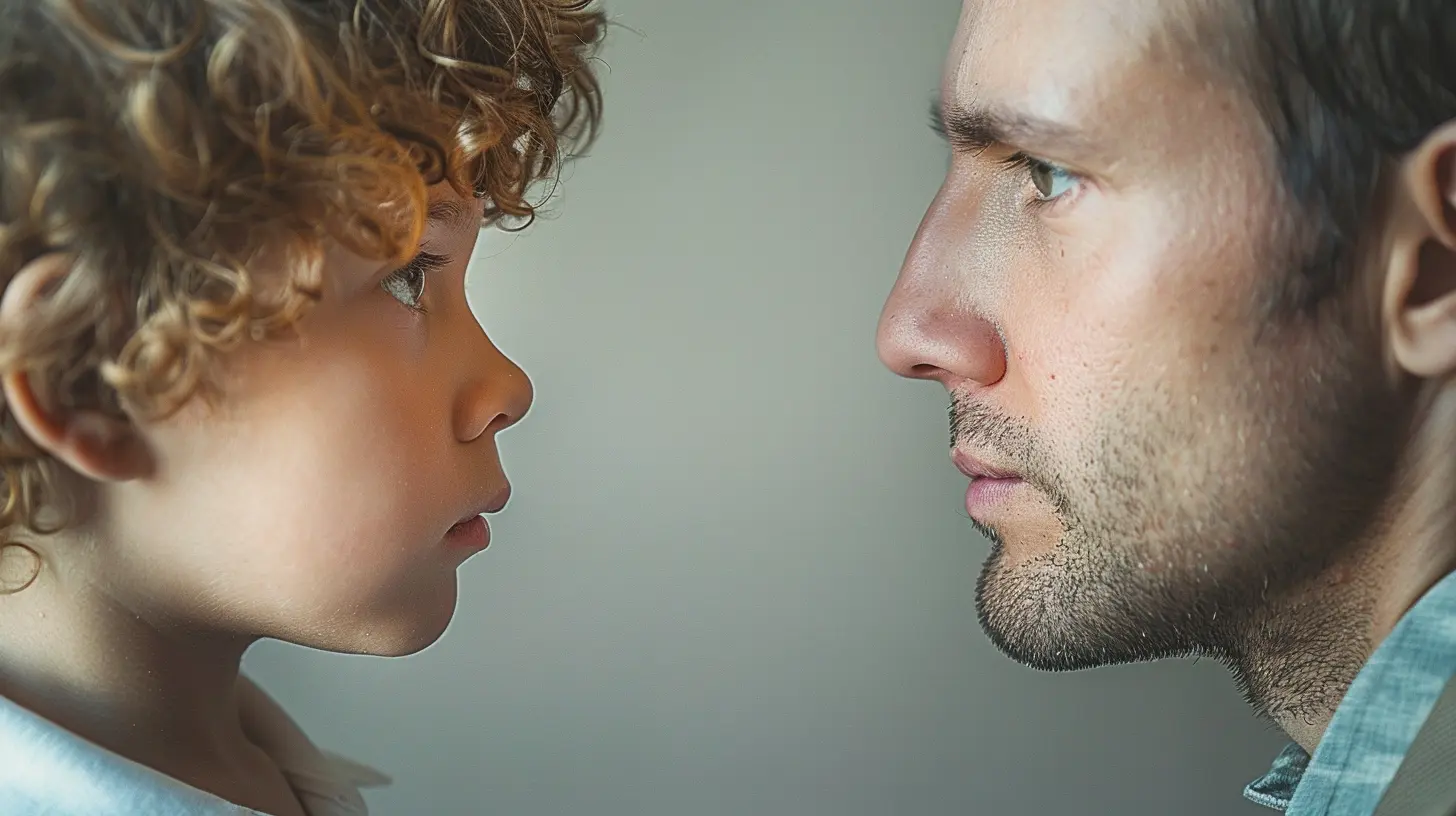
Common Misunderstandings About Positive Discipline
Before we go any further, let's clear up a few myths:Myth #1: It's Too Soft
Not true. Positive discipline is firm and kind. It's about setting clear boundaries, then holding them—with empathy. Think of it like a velvet hammer: strong, but gentle.Myth #2: It Takes Too Long
Sure, positive discipline may take more effort upfront. But guess what? It pays you back in spades. You spend less time in power struggles and more time actually enjoying your kid.It’s like investing in a savings account. The early deposits may feel small, but the interest compounds like crazy.
Myth #3: It Only Works on "Easy" Kids
Nope. In fact, it’s especially effective for strong-willed or “spirited” children. These kids don't respond well to traditional punishments—but they do thrive on respect, choices, and consistency.The Science of Consequences vs. Punishment
Let’s talk behavior: what really changes it?Studies show that punishment tends to stop behavior in the moment but doesn’t teach kids what to do instead. It often leads to resentment or rebellion.
Positive discipline, on the other hand, relies on natural and logical consequences.
- Natural consequence: If you refuse to wear a coat, you'll be cold.
- Logical consequence: If you don’t put away your toys, they get put away for a day.
The key? The consequence is related, respectful, and reasonable.
This way, the child connects their choices with outcomes—and learns from it.
The Role of Mirror Neurons and Modeling
Here's something cool: humans are wired to mirror the behavior of those they’re emotionally connected to. That’s thanks to mirror neurons in the brain.So if you're yelling, your child is more likely to shout back.
But if you're regulating your emotions, staying calm, and modeling respectful communication—you guessed it—they're learning to do the same.
It’s like being the emotional thermostat in the room. You set the tone, and your child adjusts to it.
Emotional Coaching: Teaching Kids How to Feel
One of the most powerful parts of positive discipline? Emotional coaching.Instead of just reacting to your child’s meltdowns, you help them navigate their feelings. Why is this important? Because emotions drive behavior. When we teach kids how to name, express, and manage big emotions, we give them lifelong tools.
Think of it as teaching a kid to surf. You don’t stop the waves. You teach them how to ride them.
Strategies That Work (and Why)
Let’s get practical. Here are some research-backed strategies that make positive discipline so effective:1. Validate Feelings
Before correcting behavior, acknowledge your child’s emotions. It doesn’t mean you agree—it means you see them.➡️ _"You're really mad right now because your brother broke your toy. That’s frustrating. Let's take a breath before we figure out what to do."_
Validation calms the “emotional storm,” making room for problem-solving.
2. Offer Choices
Choices give kids a sense of control—without giving up your authority.➡️ _"You need to brush your teeth. Do you want to use the blue or green toothbrush?"_
This works because it meets the need for autonomy while keeping things on track.
3. Use Limited, Logical Consequences
Remember: related, respectful, and reasonable.➡️ _"If you throw your food, we’ll clean it up together and lunch will be over."_
It teaches accountability without shaming.
4. Focus on Solutions, Not Blame
Instead of asking _“Why did you do that?”_ (which often triggers defensiveness), ask:➡️ _“What happened, and what can we do to fix it?”_
Now your child is a problem-solver, not a troublemaker.
The Long-Term Payoff
Sure, punishments might get you obedience today. But what about tomorrow?Positive discipline creates:
- Self-discipline (doing the right thing even when no one is watching)
- Resilience (bouncing back from mistakes)
- Empathy (caring about how others feel)
- Critical thinking (making thoughtful choices)
And maybe best of all? It builds a strong parent-child relationship based on trust—not fear.
Think about it: When your child is 16 and makes a mistake, do you want them to hide it from you—or come to you for help?
Final Thoughts: It’s Not About Perfection
Let’s be real. No one gets this right 100% of the time. You’re going to lose your cool. Your kid will push back. You’ll mess up. And that’s okay.Positive discipline isn’t about perfection—it’s about progress. It’s about building a foundation of respect, emotional intelligence, and connection that grows your child into a capable, compassionate human.
So breathe. Try again. And keep going.
Your child isn’t just learning how to behave. They’re learning how to be in a relationship—with you, and eventually, with the world.
That’s the real science behind why positive discipline works.
all images in this post were generated using AI tools
Category:
Positive DisciplineAuthor:

Karen Hurst
Discussion
rate this article
2 comments
Cassandra Sullivan
Positive discipline isn’t just a technique; it's a transformative approach that nurtures strong, respectful relationships. Embrace this science-backed strategy, and watch your child flourish into a confident and compassionate individual. Let’s empower our parenting journey!
March 12, 2026 at 5:57 AM
Karen Hurst
Thank you for highlighting the essence of positive discipline! It truly fosters strong relationships and empowers children to thrive.
Damien Ford
Great article! Understanding the science of positive discipline highlights its effectiveness in fostering healthy relationships and teaching children valuable life skills. Empowering parents with these insights is crucial for nurturing well-rounded kids.
March 10, 2026 at 4:45 PM
Karen Hurst
Thank you for your thoughtful comment! I'm glad you found the insights on positive discipline impactful for fostering healthy relationships and life skills in children.