Toddler Tantrums: What They Mean and How to Handle Them
31 October 2025
Parenting a toddler is an incredible journey filled with giggles, hugs, and unforgettable moments. But let’s be honest—sometimes, it also comes with ear-piercing screams, dramatic floor flops, and public meltdowns that make you want to disappear. Yes, we’re talking about toddler tantrums!
If you’ve ever found yourself staring at your child mid-meltdown, wondering, What on earth just happened?, you’re not alone. Tantrums are a normal part of toddlerhood, but they can be baffling, frustrating, and exhausting. So why do they happen, and more importantly, how can you handle them without completely losing your sanity? Let’s break it down. 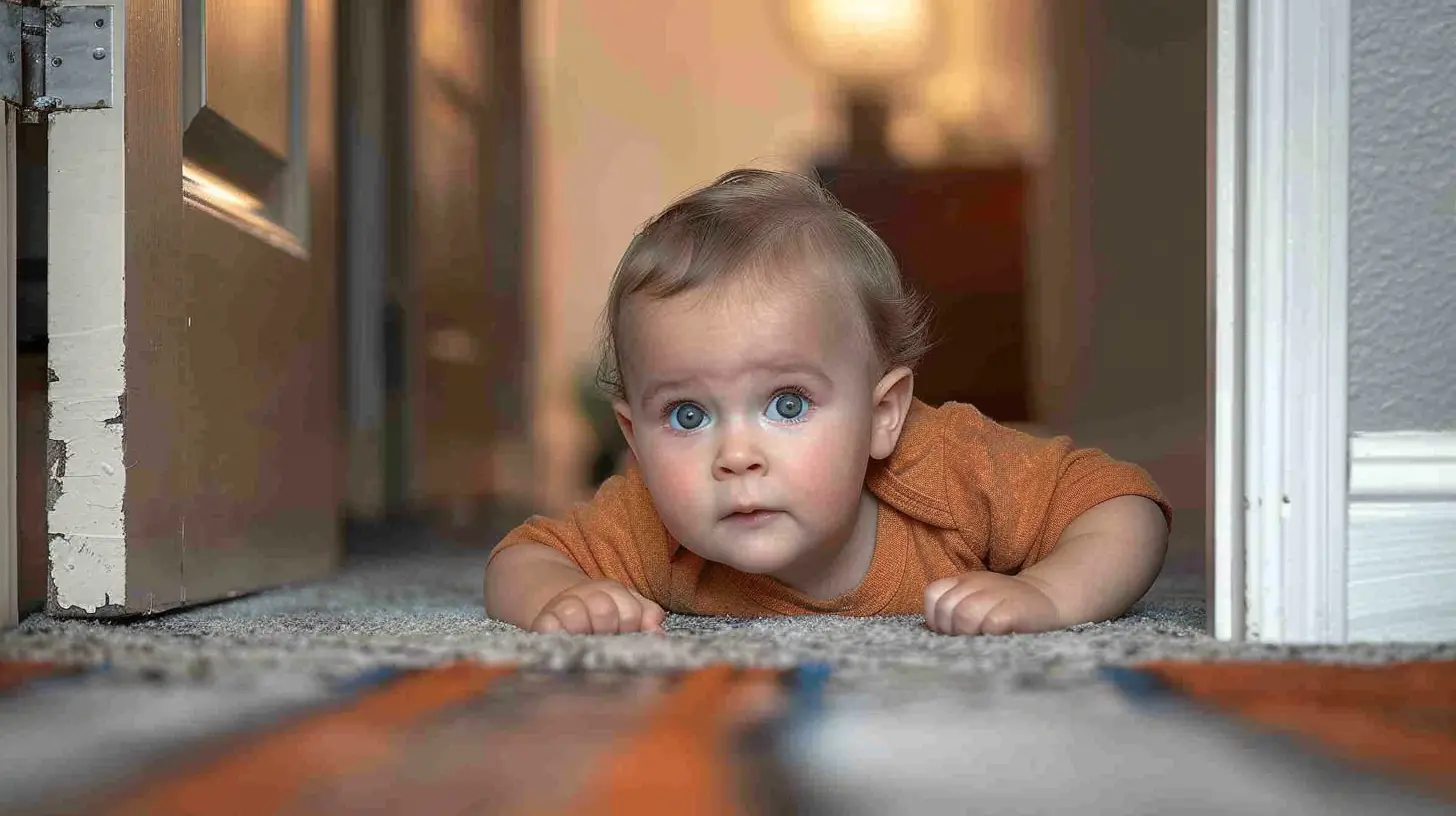
Why Do Toddlers Have Tantrums?
Tantrums are not just random outbursts; they actually serve a purpose. Your toddler isn't throwing a fit just to drive you crazy (even if it feels that way). Here are some key reasons kids have tantrums:1. They’re Still Learning to Communicate
Imagine needing something urgently but not having the words to express it. Frustrating, right? That’s exactly what happens with toddlers. Their vocabulary is still developing, and when they're unable to communicate what they want or feel, frustration builds up until—BAM!—meltdown mode.2. They’re Overwhelmed by Big Emotions
Toddlers experience emotions just like adults, but they don’t yet have the tools to regulate them. Happiness, frustration, anger, excitement—it can all become too much too fast. When emotions overflow, a tantrum becomes their way of coping.3. They Crave Independence (But Can’t Always Have It)
One minute they want to zip their own jacket, the next they’re sobbing because they can’t quite do it. Toddlers have a strong desire to do things independently, but their skills don’t always match their ambitions. Cue tantrum.4. They're Tired, Hungry, or Overstimulated
A well-fed, well-rested child is generally a happier child. But if your little one is running on an empty stomach, skipped a nap, or is overwhelmed by too much noise or activity, a meltdown is practically inevitable.5. They Want Attention
Sometimes, toddlers act out simply because they want attention—good or bad. If they feel ignored, they might throw a tantrum just to get a reaction.
How to Handle Toddler Tantrums (Without Losing Your Mind)
Now that we know why tantrums happen, let’s talk about how to deal with them effectively. Spoiler alert: yelling or bribing won’t work in the long run!1. Stay Calm (Even When You Want to Scream)
Easier said than done, right? But the truth is, if you lose your cool, it only escalates the situation. Take a deep breath and remind yourself: I am the adult. I can handle this. Your child looks to you for cues on how to react. Staying calm helps them eventually settle down too.2. Acknowledge Their Feelings
Ever been upset and someone told you to "calm down"? Infuriating, right? Kids feel the same way. Instead of dismissing their emotions, try saying, “I see you’re really frustrated. It’s okay to feel that way.” Feeling understood can often help toddlers begin to calm down.3. Offer Simple Choices
Toddlers love having control, even in small ways. Giving them choices—like “Do you want the blue cup or the red one?”—can prevent tantrums before they even start. When a child feels like they have some say, they're less likely to resist.4. Use Distraction Wisely
Sometimes, a well-timed distraction works wonders. If you see a meltdown brewing, try shifting their focus. “Oh wow, did you see that big bird outside?” or “Hey, let’s go find your favorite teddy bear!” can stop a tantrum before it spirals.5. Don’t Give In to Every Demand
If your toddler learns that screaming equals getting what they want, guess what? They’ll keep doing it. Stay firm when necessary. If you say "no" to candy before dinner, stick to it—even if it means enduring a few minutes of wailing. Consistency teaches them that tantrums don't lead to rewards.6. Create a Calm-Down Space
A quiet, cozy spot can help toddlers regulate their emotions. This isn’t a punishment corner, but rather a safe space where they can calm down. You can call it the “cozy corner” with pillows, a stuffed animal, or a favorite book to help them settle.7. Use Gentle Physical Touch
Sometimes, a hug is the best medicine. If your child is open to it, holding them or rubbing their back can provide comfort and reassurance.8. Teach Coping Skills
Help your toddler learn ways to manage their emotions. Simple techniques like deep breathing ("Let’s blow out the birthday candles together!") or counting to five with them can be effective. Over time, they’ll start using these strategies on their own.
What Not to Do During a Tantrum
While handling tantrums, it's just as important to avoid common mistakes that could make things worse.1. Don’t Bribe Them
Offering candy just to stop the crying might work now, but it teaches your toddler that tantrums = treats. Instead, focus on addressing their feelings rather than offering rewards.2. Don’t Argue or Try to Reason Too Much
Their brain isn’t wired for logic during a meltdown. Trying to explain why they can’t have a third cookie while they’re mid-scream is like trying to reason with a tiny tornado. Wait until they’re calm to discuss things logically.3. Don’t Punish Them for Having Feelings
Tantrums aren’t bad behavior—they're a developmental phase. Instead of punishing, use the moment to teach emotional regulation.4. Don’t Take It Personally
Your toddler isn’t being "bad" on purpose. They aren’t trying to embarrass you at the grocery store. They’re just navigating big emotions the only way they know how.
When to Worry About Tantrums
Most tantrums are completely normal, but there are times when they might signal something more. If your toddler’s tantrums:- Last for an unusually long time (more than 20–30 minutes frequently)
- Involve self-harm (hitting their head, biting themselves, etc.)
- Happen excessively—like multiple severe tantrums every single day
- Don't improve with age (tantrums should decrease as their communication skills grow)
It might be worth discussing with your pediatrician or a child development specialist.
Toddlers and Emotions: A Work in Progress
Tantrums are tough, but they’re a normal part of growing up. Your little one is still learning to navigate emotions, and as frustrating as it can be, your patience and guidance will help them develop better coping skills over time.So the next time your toddler throws themselves on the floor over the wrong color sippy cup, take a deep breath and remember: This too shall pass!
Final Thought:
The goal isn’t to eliminate tantrums completely (spoiler: that’s impossible). Instead, focus on helping your child understand and manage their emotions in a healthier way. With time, patience, and a little humor, you’ll both survive this phase—and come out stronger for it.all images in this post were generated using AI tools
Category:
Toddler MilestonesAuthor:

Karen Hurst
Discussion
rate this article
1 comments
Hunter White
This article offers valuable insights into understanding toddler tantrums, emphasizing that they are a normal part of development. The practical strategies provided for managing these outbursts are helpful for parents seeking to cultivate patience and empathy. A balanced approach can transform challenging moments into opportunities for connection and learning.
November 2, 2025 at 4:01 PM
Karen Hurst
Thank you for your thoughtful comment! I'm glad you found the insights and strategies helpful for navigating toddler tantrums. It's great to hear that you see the potential for connection during these moments.