Turning Chores into Fun Family Activities
9 January 2026
Let’s face it—chores have never really been the highlight of anyone’s day, especially kids. The very mention of scrubbing toilets or folding laundry often comes with groans and eye rolls. But what if we could flip the script? What if chores weren't just about responsibilities but also opportunities for family bonding, laughter, and even a little fun?
Believe it or not, turning chores into fun family activities isn't just wishful thinking—it can be a game-changer for your household. Not only can it reduce the stress of keeping your home in order, but it also teaches kids responsibility, teamwork, and important life skills... all while creating lasting memories.
Sounds like a dream, right? Let’s dive into how you can make it your reality.
Why Make Chores a Family Activity?
Before we get into the how, let’s talk about the why. Why bother turning chores into family activities when it might be easier (and quicker) to do them yourself?1. Teaches Responsibility Early
Kids learn best by doing. Giving them age-appropriate chores helps instill a sense of ownership and accountability. When your child is responsible for feeding the pet or organizing their toys, they start to understand how their actions play a role in the family dynamic.2. Builds Confidence
Ever seen the pride on your little one’s face after they successfully vacuum the living room or set the dinner table just right? These small wins build confidence and foster independence.3. Fosters Teamwork
Working together toward a common goal (like a sparkling kitchen or organized garage) teaches kids about cooperation and problem-solving. It's a little like training for life’s group projects.4. Strengthens Family Bonds
Chores don’t have to be boring. When done together—with music, games, and laughter—you’re not just cleaning up; you’re connecting.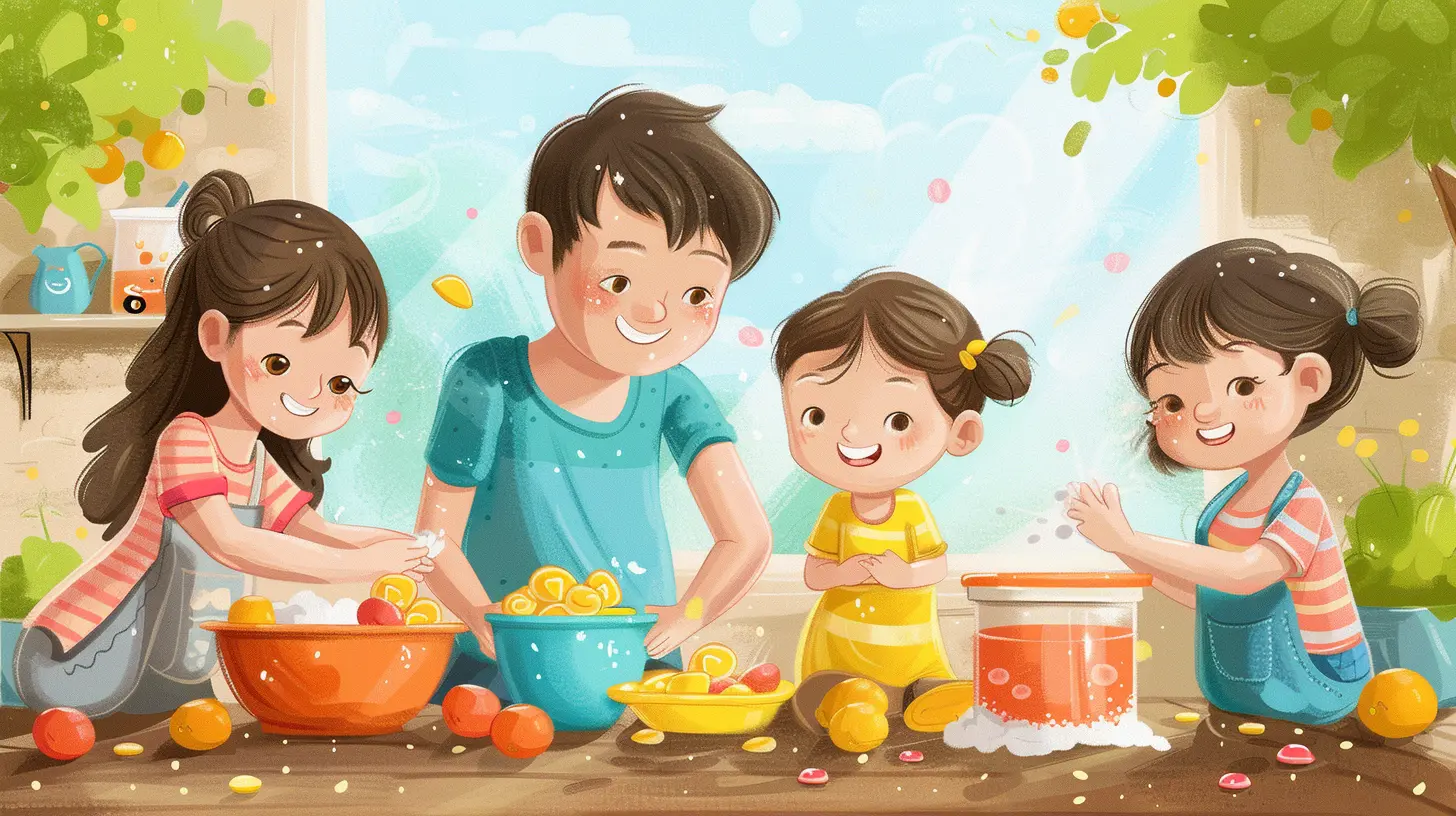
The Secret Sauce: Make It Fun!
Alright, now that we’re sold on the idea, how do we go about actually making chores enjoyable?1. Turn It Into a Game
Gamification is your best friend when it comes to engaging kids. Create a "Chore Olympics" where everyone competes in cleaning challenges. Who can pick up the most toys in 60 seconds? Who can fold towels the fastest without making them look like crumpled paper?Use timers, scoreboards, and even small rewards like stickers or choosing the next family movie night pick. Motivation? Check.
2. Crank Up the Music
There’s something about music that makes any task more enjoyable—cleaning included. Create a family chore playlist filled with everyone’s favorite energetic tunes. Dance breaks are encouraged. Bonus points for choreographed broom dances!3. Assign Roles Based on Interests
Got a mini chef in the family? Let them help with meal prep. Is your child obsessed with animals? Feeding and brushing the dog could be their daily duty.When kids feel like their interests are being acknowledged, they engage more willingly and enthusiastically.
4. Create a Chore Chart—With a Twist
Instead of a boring list, design a colorful chore chart together. Use stickers, photos, and drawings. Rotate tasks weekly to keep things fresh.You can even turn it into a themed board (pirate treasure hunt, superhero mission, etc.) to spark imagination.
5. Make It a Learning Opportunity
Chores are full of teachable moments. Cooking together? Talk about nutrition and math (hello, measurements!). Cleaning the fish tank? Time for a quick biology lesson. You're not just cleaning; you're schooling!
Age-Appropriate Chores (And How to Make Them Fun)
Not every child can master every chore, and that’s okay. Tailoring tasks to age makes the experience more successful and enjoyable for everyone.Toddlers (Ages 2–4)
Yes, even toddlers can pitch in! Think small and simple.- Matching socks
- Putting toys back in bins
- Dusting with a cloth
Fun Tip: Turn it into a matching game or pretend they're cleaning for a royal visit.
Preschool – Early Elementary (Ages 5–8)
They’re a little more capable and a lot more curious.- Setting the dinner table
- Watering plants
- Feeding pets
- Making their bed
Fun Tip: Pretend you're in a cooking show when setting the table or role-play as a gardener while watering plants.
Tweens (Ages 9–12)
At this age, kids crave autonomy but still need guidance.- Vacuuming rooms
- Taking out trash
- Washing dishes
- Doing laundry (with supervision)
Fun Tip: Make laundry a color-sorting race or use a “cleaning scavenger hunt” for vacuuming various rooms.
Teens
They can basically handle most chores an adult can.- Grocery shopping
- Cooking full meals
- Mowing the lawn
- Washing the car
Fun Tip: Let them choose the dinner menu sometimes or play “Car Wash DJ” while cleaning the car together.
Reward Systems That Work (Without Overdoing It)
Let’s talk about incentives. Rewards are okay—as long as they’re balanced. You don’t want your kids expecting cash for every dish they rinse, but a little recognition goes a long way.1. Sticker Charts & Tokens
Great for younger kids, these visual trackers give a sense of progress. Fill the chart and trade it for something small—extra screen time, a trip to the park, or ice cream.2. Family Prize Jar
After completing chores, each family member writes a fun activity on a slip of paper and adds it to a "family fun jar." Draw one slip at the end of the week as a surprise reward. It keeps things exciting and inclusive.3. Responsibility = Privilege
Older kids can earn privileges like extended curfews, sleepovers, or taking the car for a spin based on their consistency and effort with chores.Remember, the goal is to help them understand that hard work and reliability lead to trust and freedom—not just material goodies.
When Chores Turn Into Moments That Matter
Cleaning the house might seem like a mundane task, but something magical can happen in those small pockets of time. Conversations flow more easily when hands are busy. Jokes are told over dishes. Sibling rivalries soften during team tasks. These are the snippets of everyday life where connection is built.Not to mention, your children will one day look back and remember how you all folded laundry while singing horribly off-key, or how you transformed Sunday clean-up into a full-blown dance party. That’s the stuff that sticks.
Common Roadblocks (And How to Overcome Them)
Even with your best efforts, not every chore session will go perfectly. That’s normal. Here’s how to handle some typical curveballs.1. Whining & Resistance
Stay calm, stay consistent. Gently explain why chores matter and how everyone contributes to the home. Use empathy—but don’t negotiate away the task entirely.Pro Tip: Give limited choices. “Do you want to unload the dishwasher now or after lunch?”
2. Doing It “Wrong”
Kids won’t fold towels like you. And that’s okay. Resist the urge to redo their work unless it’s truly necessary. Let them feel capable and learn by doing.3. Starting Strong, Then Losing Momentum
Switch things up! Rotate chores, update the music playlist, or introduce a new chore game every few weeks. Keep it fresh to keep them engaged.Final Thoughts: It’s More Than a Clean House
At the end of the day, turning chores into fun family activities isn't just about ticking boxes on a checklist. It’s about teaching values, nurturing relationships, and creating a home filled with shared joy, responsibility, and yes—even laughter over dirty dishes.So next time you pick up that broom, grab a kid, turn on some tunes, and dance your way to a cleaner (and happier) home.
This isn’t just about a tidy living room—it’s the mess behind the memories.
all images in this post were generated using AI tools
Category:
Family ActivitiesAuthor:

Karen Hurst
Discussion
rate this article
2 comments
Rivenheart McKinley
What a great idea! I’m curious how you’ve successfully transformed mundane chores into enjoyable family bonding experiences. Any tips on engaging kids’ creativity while tackling household tasks?
January 29, 2026 at 4:37 AM
Karen Hurst
Thank you! One tip is to turn chores into games—like setting a timer for a fun race or creating a scavenger hunt for items to clean. Involving the kids in planning and choosing music also sparks their creativity and makes the experience enjoyable!
Alana McMichael
Transforming chores into fun family activities not only lightens the load but also strengthens bonds and creates lasting memories. Embrace the joy in teamwork and watch your family thrive through laughter and togetherness, turning everyday tasks into cherished moments!
January 19, 2026 at 4:27 AM
Karen Hurst
Absolutely! Transforming chores into fun activities not only makes tasks enjoyable but also fosters connection and creates precious memories. Embracing teamwork truly enriches family life!