Understanding Sibling Rivalry: A Glimpse into the Underlying Dynamics
27 October 2025
Let’s be real—if you have more than one child, chances are you’ve heard the words “That’s not fair!” or “Why does she always get her way?” before. Sound familiar? Yep, that’s sibling rivalry kicking in. It’s practically a rite of passage for families with more than one kid.
But what really causes this rivalry? Is it just jealousy? Or is there more bubbling under the surface? In this article, we’re going to peel back the layers of sibling rivalry, get into what sparks it, and (most importantly) talk about how you, as a parent, can ease the tension and turn rivalry into a real connection.
Let’s dive in.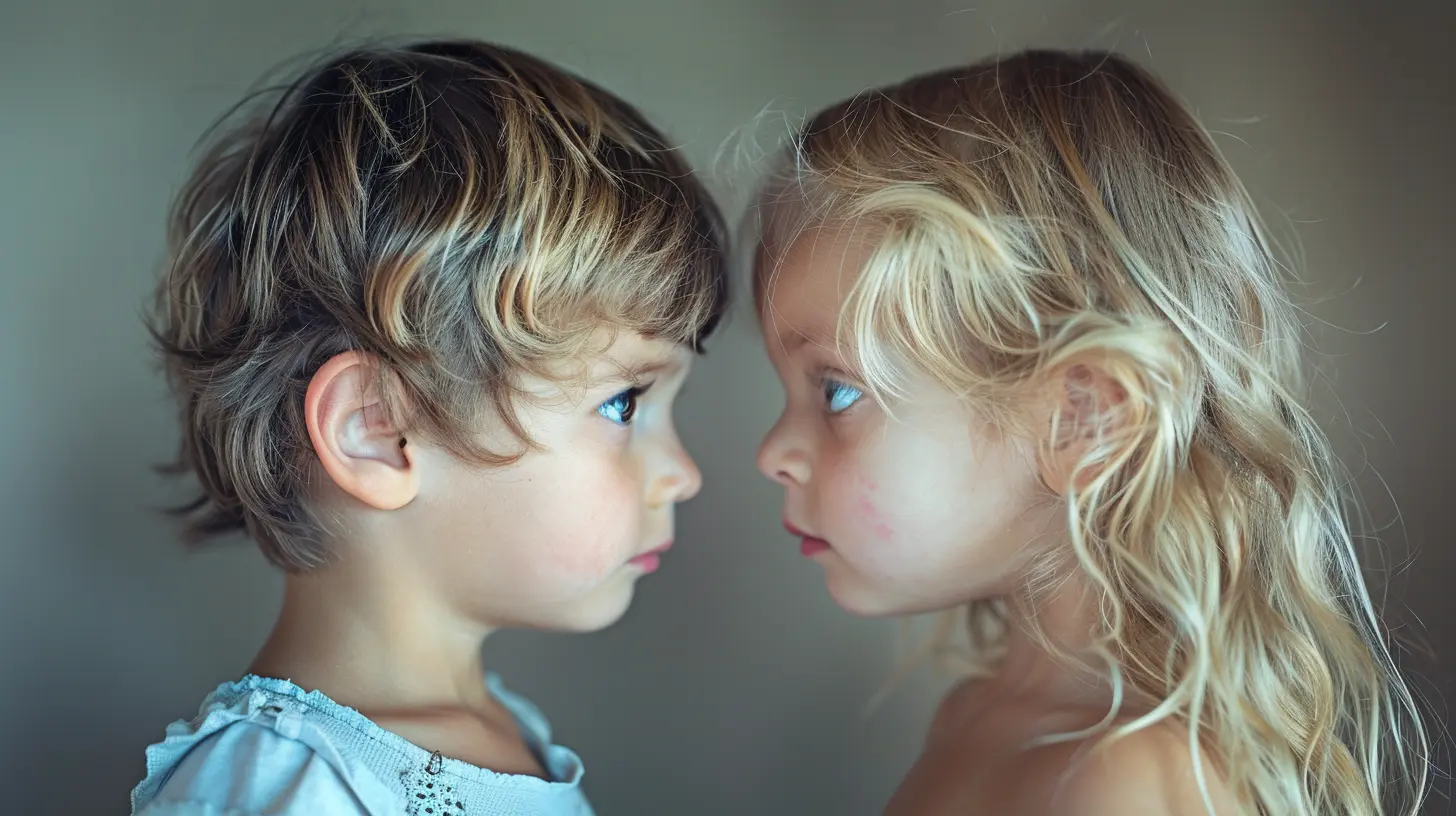
What Is Sibling Rivalry Anyway?
Sibling rivalry isn’t just the occasional squabble over a toy or who gets the last slice of cake (although those fights can be epic!). It’s a deeper, ongoing competition or conflict between siblings, often fueled by the desire for parental attention, recognition, or even power.And here’s the kicker—it’s totally normal.
Yup, it doesn’t mean you’ve failed as a parent. In fact, sibling rivalry has existed since, well… Cain and Abel! But while the tension might be natural, how you handle it can make all the difference.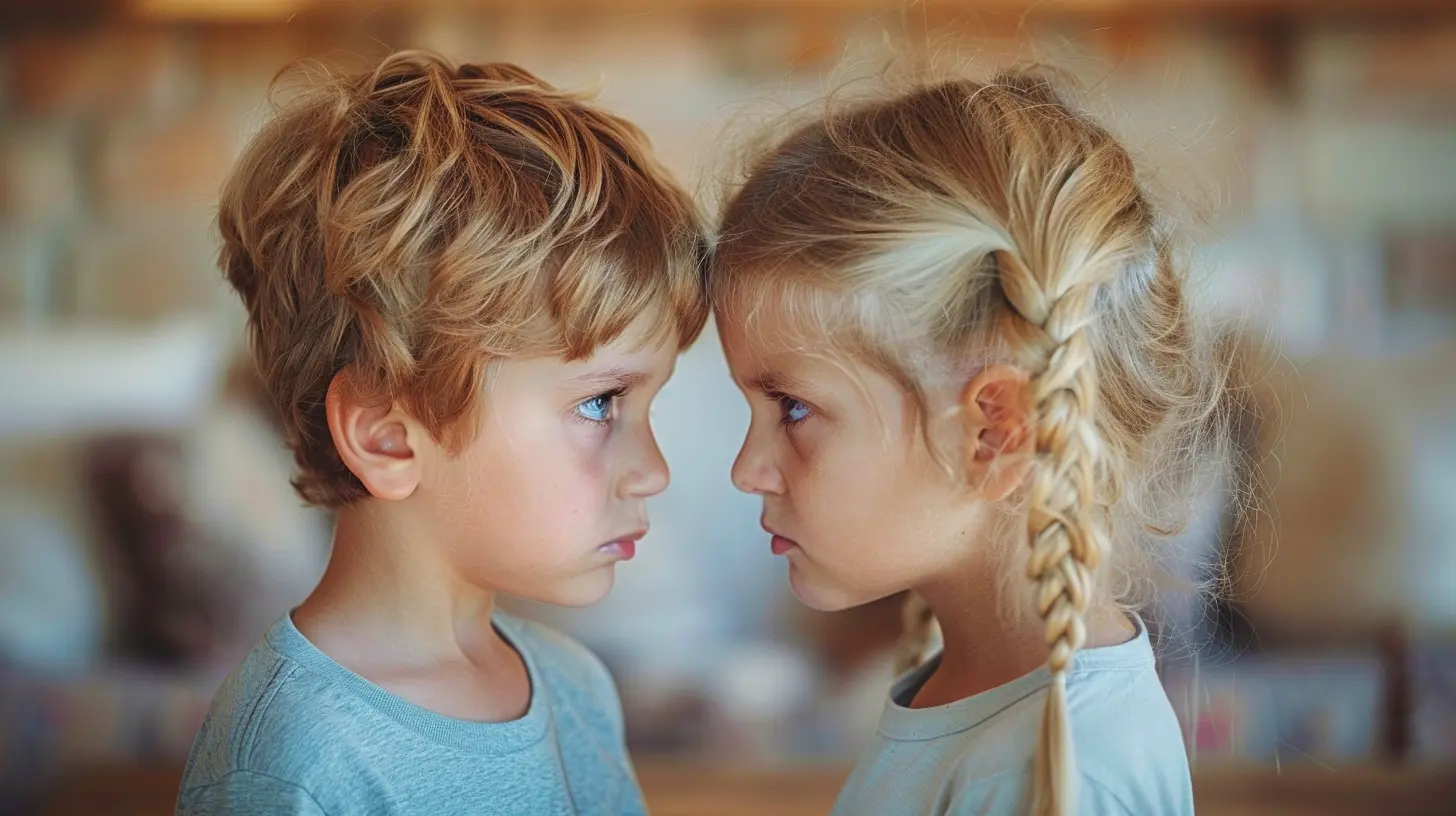
Why Do Siblings Compete?
Good question. At first glance, it might seem like your kids are just arguing to test your patience. But under the surface, there are emotional and developmental factors at play.1. Competing for Attention
Kids have a radar for fairness. If they feel like a sibling is getting more hugs, praise, or screen time—watch out. Even if the attention is unintentional, children are quick to tally who’s getting what.Think of it like kids holding invisible scorecards. One extra bedtime story for big sis? That’s a point against you, Mom.
2. Searching for Identity
Believe it or not, rivalry is sometimes your child’s way of carving out their own identity. If one child is “the smart one,” another might become “the funny one” to get their own spotlight.It’s a way of saying, “Hey, I’m different—I’m me!”
3. Different Temperaments
Every child is born with a unique temperament. One might be chill and slow to anger, while the other is a firecracker. These temperament clashes can naturally lead to friction.4. Developmental Stages
It’s hard for a toddler to understand why their baby sibling cries all the time and gets so much attention. It's equally tough for older children to handle toddlers pulling their hair or knocking over their LEGO towers.Kids at different stages just see the world differently.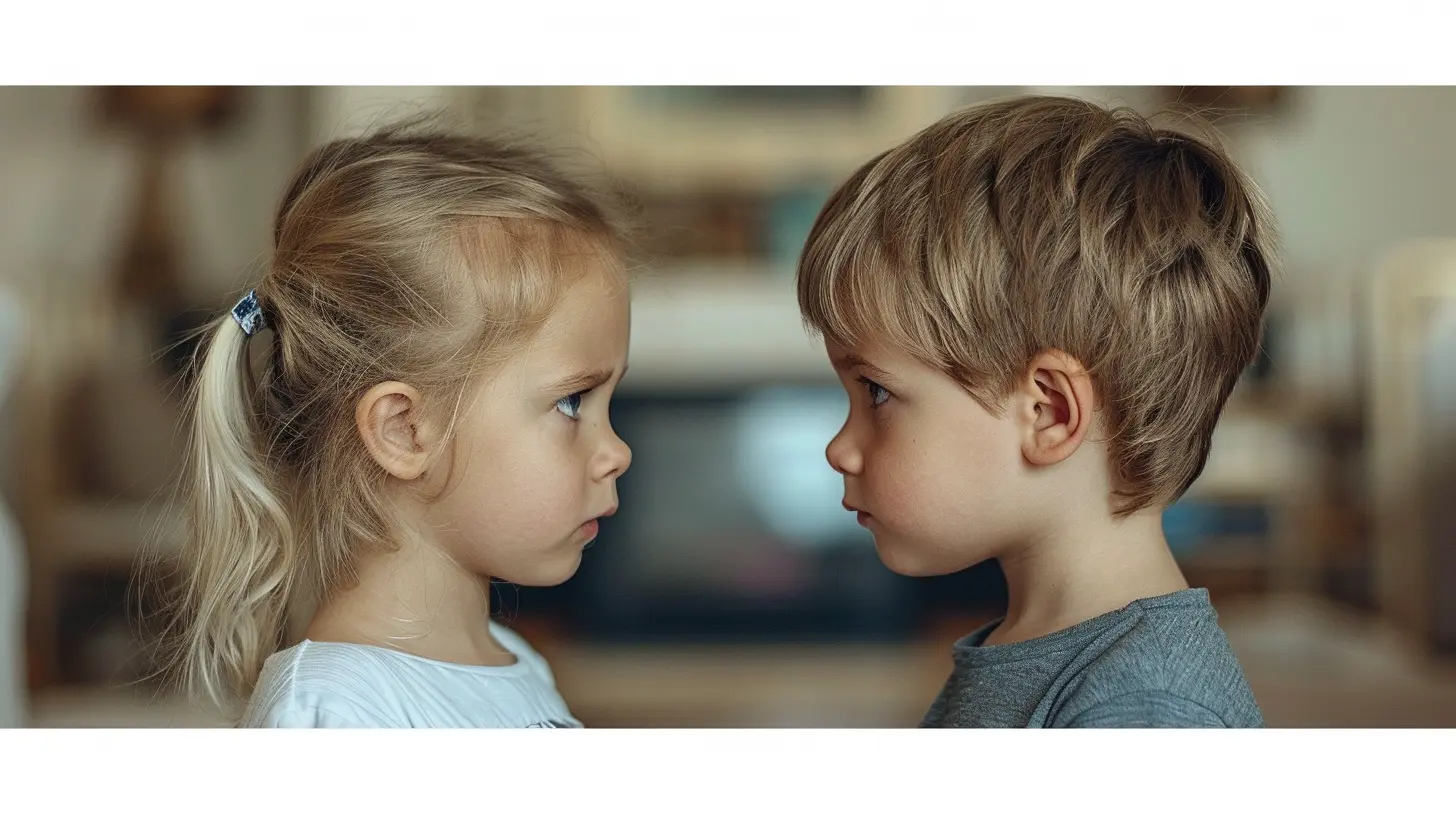
The Role of Parents in Sibling Rivalry
This part’s really important—our reactions as parents can either fuel the fire or calm the storm.1. Avoid Labels
“The smart one.” “The troublemaker.” “The athletic one.” Sound familiar? Labels can stick like gum on a shoe and mess with how kids see themselves—and each other.Try focusing on behaviors instead of identities. Instead of “Why can’t you be more like your sister?”, go with “I know you can work on being more kind—let’s talk about how.”
2. Don’t Play Referee (All the Time)
Sure, sometimes you’ll need to step in before fists fly. But constantly taking sides teaches kids to depend on you to solve their problems for them.Instead, guide them to work things out. Ask: “What do you think a fair solution would be?” You’d be amazed what they come up with when given the chance.
3. Spend One-on-One Time
Even just 10–15 minutes of focused attention can work wonders. It reassures your child that they matter as an individual—not just part of the sibling squad.Pro tip? Let them choose the activity. Even if it’s watching ants crawl for 10 minutes—it’s their special time.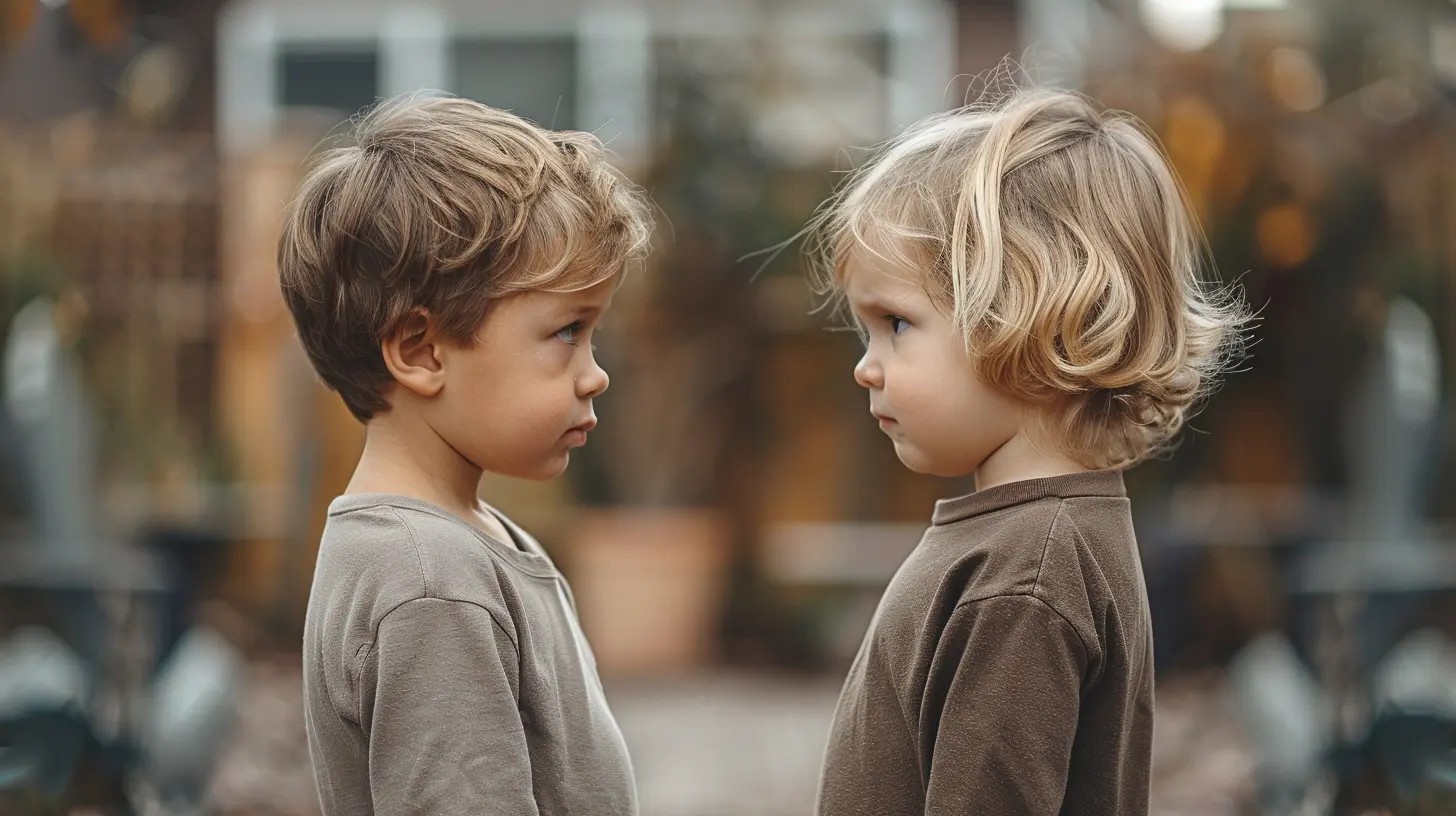
Strategies to Diffuse Sibling Conflict
So how do you turn those daily showdowns into moments of connection (or at least a little more peace and quiet)? Let’s get into some real-world strategies.1. Teach Emotional Expression
Kids often act out because they lack the words to express big feelings. Help them name emotions: “You're mad because he broke your toy, right?” This helps them feel seen and builds emotional smarts.Bonus: You're also modeling empathy!
2. Set Clear Family Rules
Make it a family rule that name-calling, hitting, or yelling is off-limits, no matter what. Consistently enforce these rules, and make consequences predictable.You’re the captain of the ship—set the course and stick to it.
3. Encourage Teamwork Over Competition
Give them shared goals: “You two work together to clean the toy room, and we’ll have ice cream.” Suddenly, they’re a team with a mission rather than enemies on opposite sides.4. Praise Positive Interactions
Catch them being good! “Wow, I loved how you shared your crayons with your brother.” This reinforces the behavior you want to see.And yes, it takes effort to notice these moments in the chaos of daily life—but it's worth it.
When Rivalry Crosses the Line
Okay, we need to be real here. Not all sibling rivalry is harmless. If you notice:- One child is constantly bullying or intimidating the other
- There’s emotional trauma like isolation or fear
- One child starts withdrawing or acting depressed
Then it’s time to take it seriously. Seek help—from a counselor, therapist, or child development expert. There's no shame in reaching out. In fact, it might be the bravest thing you can do as a parent.
What If You’re an Only Child Parent Wondering What You’re Missing?
First of all—you're not missing out on fights over who looked at who first. But jokes aside, if you’re raising an only child, you can still foster those same lessons in empathy, conflict resolution, and sharing.Playdates, group activities, team sports—these are all great ways to give them practice in navigating relationships.
Looking at the Bright Side of Sibling Rivalry
Here’s something few people talk about: sibling rivalry, when managed well, can actually be... are you ready for this? Beneficial.Yup. Kids learn negotiation, compromise, dealing with disappointment, and building resilience.
It challenges them to grow emotionally.
It's kind of like a mini bootcamp in life skills—just happening in your living room (with a side of screaming).
Final Thoughts: Choose Connection Over Perfection
Here’s the thing—your kids aren’t going to get along 100% of the time. That’s not the goal. Life doesn’t work that way, and neither do sibling relationships.But by understanding what’s really going on under the surface, creating a safe and fair environment, and helping them develop communication skills, you’re laying the groundwork for a lifelong bond.
And that’s what this parenting journey is all about—building connection over chaos, love over rivalry.
It’s not always easy, but it’s always worth it.
Quick Tips to Handle Sibling Rivalry (Bookmark This!)
- 👂 Acknowledge each child’s feelings. Validation builds trust.- ⚖️ Be fair, not equal. Fair means meeting individual needs.
- 🧰 Give them tools for conflict resolution—not just punishment.
- 💬 Encourage open communication (even if it’s messy).
- ❤️ Remind them often: “There’s enough love to go around.
all images in this post were generated using AI tools
Category:
Sibling RivalryAuthor:

Karen Hurst
Discussion
rate this article
1 comments
Leo McClure
Sibling rivalry can be tough, but it’s also an opportunity for growth! Embracing the chaos helps us nurture strong bonds. Every squabble is a lesson in love!
October 30, 2025 at 5:52 AM
Karen Hurst
Absolutely! Sibling rivalry offers valuable life lessons and strengthens relationships, turning challenges into opportunities for growth. Embracing these moments fosters deeper connections.