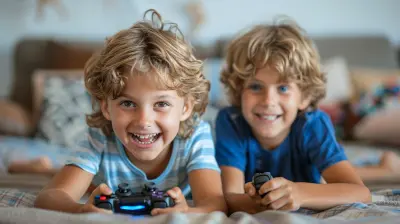
Understanding the Emotional Needs Behind Sibling Conflicts
14 December 2025
Raise your hand if your kids have ever fought over a toy that neither of them played with all week. Or declared all-out war over who got the "blue" cup instead of the "green" one? Ah, sibling conflicts—those daily drama episodes happening right in your living room.
If your household occasionally resembles a live-action version of WWE, you’re not alone. But behind the flying Legos, dramatic eye-rolls, and the ever-so-famous “Moooooom! He’s breathing on me!” lies something deeper. Kids aren’t just squabbling for the heck of it (okay, sometimes they are—but stay with me). There's emotional stew brewing underneath all that noise. And like any good stew, it needs a closer look at the ingredients.
In this article, we're diving deep (but not into a therapy textbook kind of deep—don't worry) into the emotional needs that often fuel sibling conflict. Don't grab your whistle just yet—we're not here to referee. We're here to understand.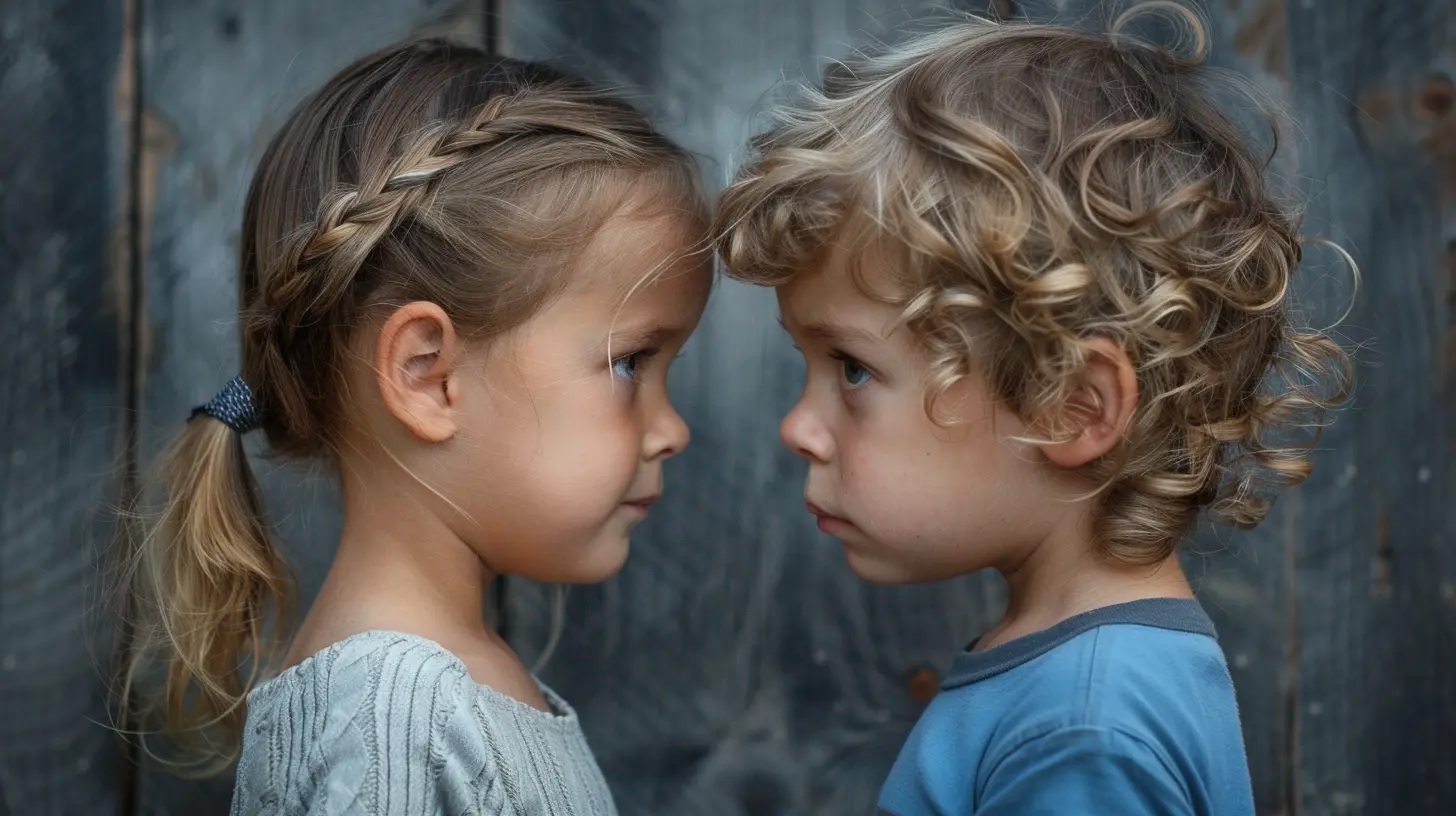
The Great Sibling Showdown: What’s Really Going On?
Sibling conflicts are kind of like reality TV—messy, dramatic, unpredictable—but with fewer promos and more pajamas. What really causes these emotional eruptions?Well, here’s the thing: kids aren’t born with a user manual or a guide on how to say, “Hey, I’m feeling left out and need attention.” Instead, they scream. Or throw a shoe. Or snatch a toy. Their actions are like emotional smoke signals—they’re trying to tell us something, but in the most chaotic way possible.
So what are those emotional needs waving the white flag under all this chaos?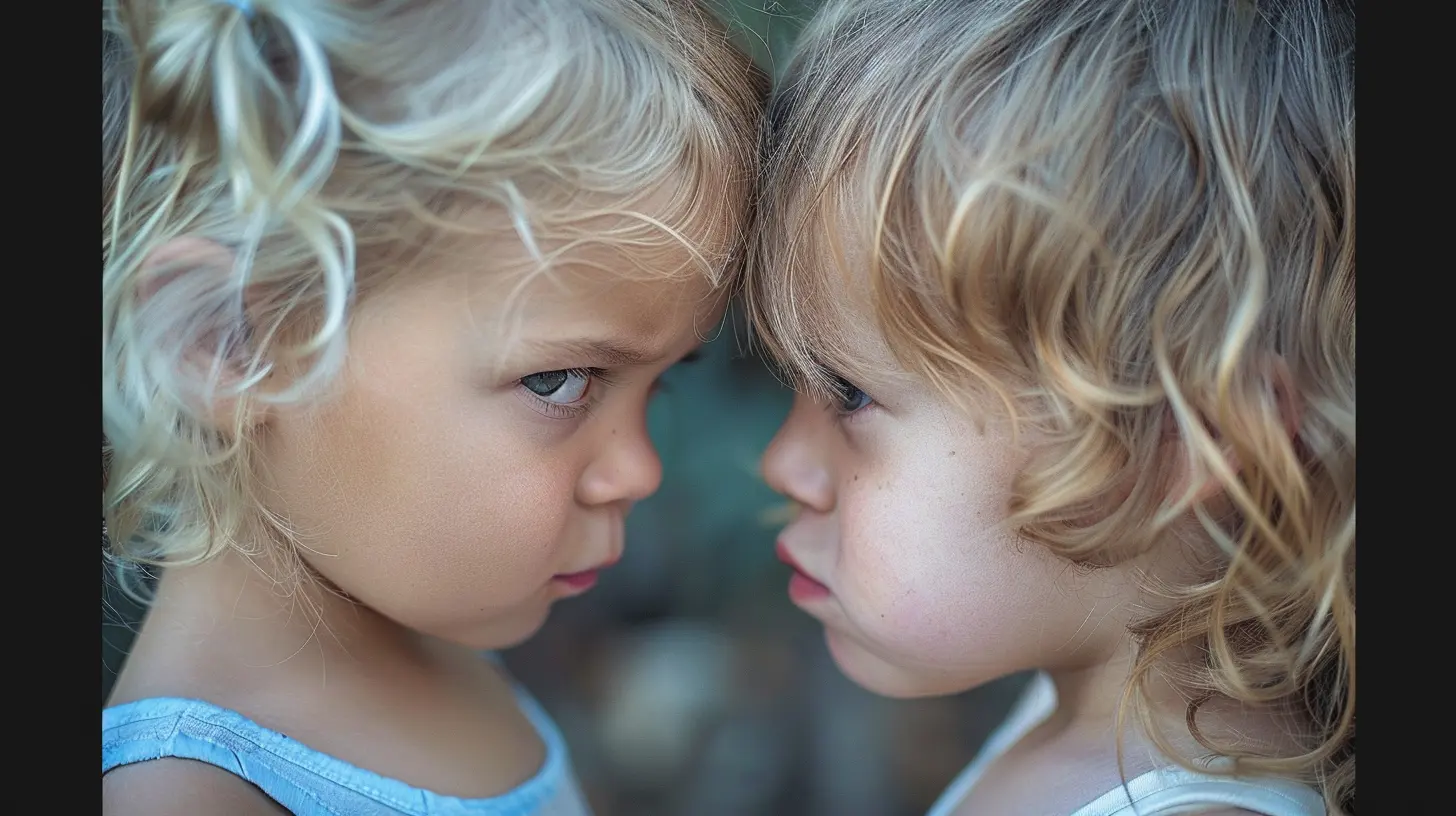
1. The Battle for Attention: “See Me, Mom, See Me!”
Ah, the famous attention war.Let’s face it, kids crave attention like cats crave cardboard boxes—it doesn't need to be fancy, it just has to be there. And when you’re juggling work, dishes, and the occasional attempt at folding laundry (for the fifth time today), it’s easy to accidentally overlook a child’s quiet plea for connection.
When one sibling sees the other getting more time, affection, or praise—even if it’s just in their perception—you bet that green-eyed monster of jealousy comes out waving a foam sword.
What it might look like:
“Why do you always help him with his homework and not me?”
Translation: “I miss our one-on-one time. Can we reconnect?”
➡️ Pro tip: Schedule a mini date with each child weekly—even 15 minutes of undivided attention can work wonders. Pretend you’re a barista and they’re your VIP customer. Serve up their favorite smoothie with a side of emotional connection.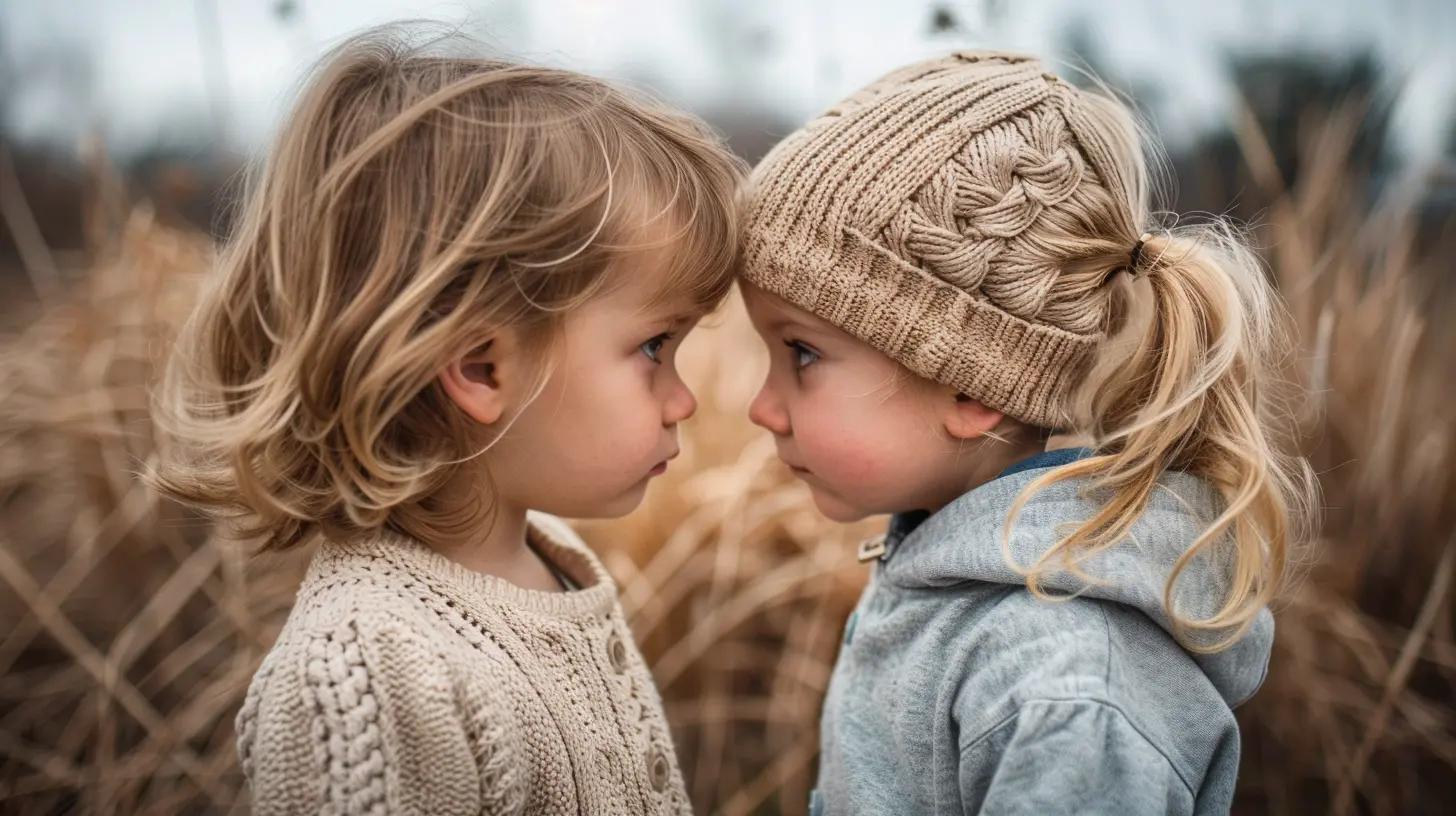
2. The Quest for Approval: “Am I Good Enough?”
Every child wants to feel like they’re enough. Not just good, but golden. But when they’re constantly compared—intentionally or not—to their sibling, it triggers an internal competition harder than any game show.Let’s say your older child is a straight-A student, while your younger one is more of the “creative tornado who paints the dog” type. If praise always leans academic, that creative soul may feel unseen or undervalued.
What it might look like:
“Well, at least I’m good at basketball—unlike some people.”
Translation: “I’m desperate for recognition in something. Please notice me.”
➡️ Pro tip: Catch them being awesome—at THEIR thing. Whether it's organizing stuffed animals like a boss or turning the hallway into an obstacle course, recognize effort and unique strengths. “I love how you helped your brother with those blocks. That was teamwork magic!”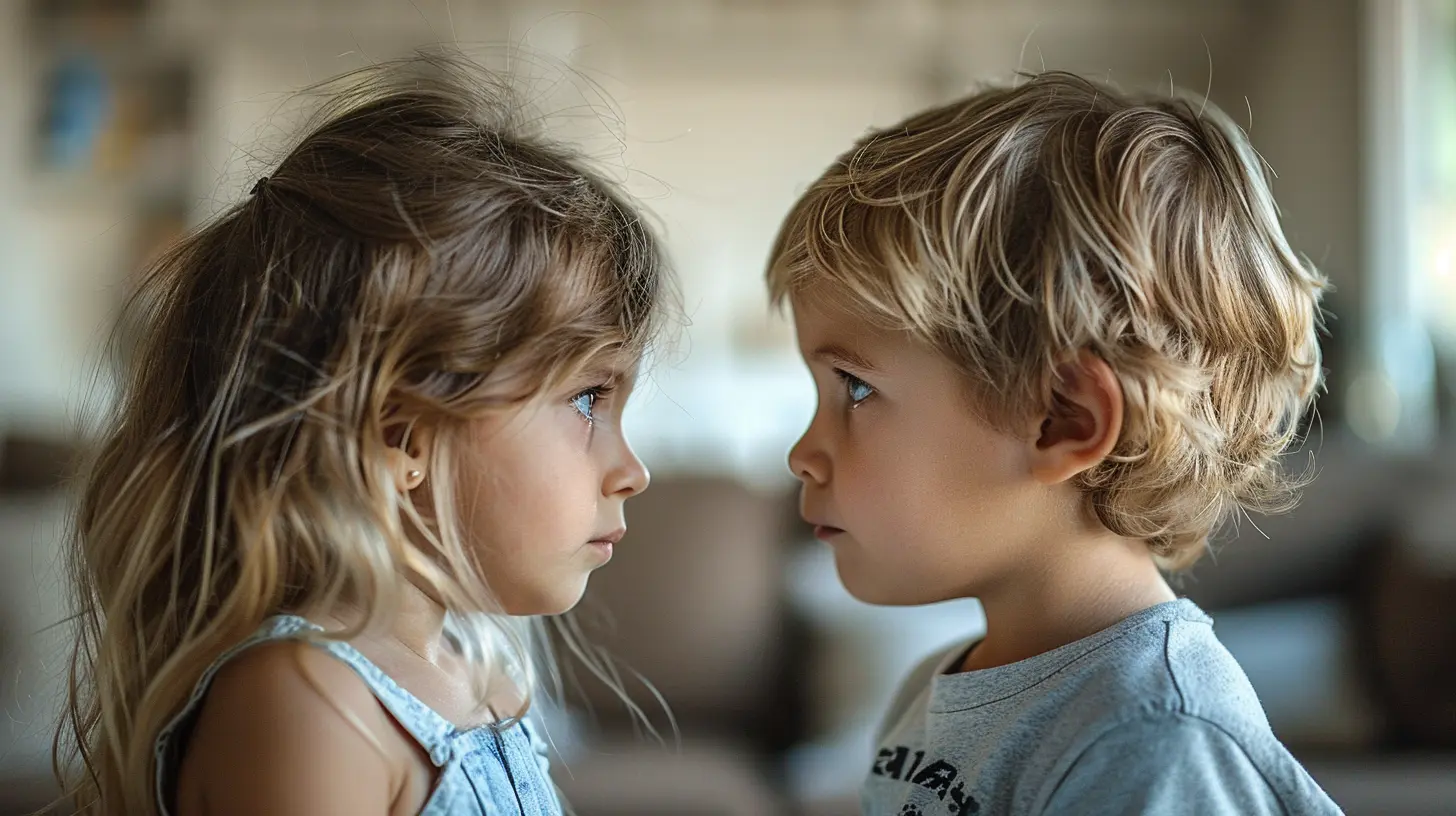
3. The Need to Belong: “Do I Fit In Here?”
Kids are tiny humans trying to find their spot in the tribe. And nothing says “existential crisis” like feeling like the odd one out in their own family.Birth order, age gaps, personality differences—all of these can create a sense of separation. Sometimes a child wonders, “Where’s my place in this circus?”
What it might look like:
“She’s the favorite! No one even cares what I think!”
Translation: “I’m feeling excluded. Please remind me I matter.”
➡️ Pro tip: Create family traditions that highlight each child’s contribution. Maybe one picks dinner on Friday nights, another chooses the movie. Give them a “role” that says, “You belong here.”
4. The Power Play: “I Want Some Control!”
Let’s be honest—being a kid is like being the intern in your own life. You’re not in charge of meals, bedtimes, or screen-time limits. You don’t even get to choose your underwear half the time!So when kids feel powerless, guess where they try to grab control? Yep... through each other. Cue the wrestling over remote controls and who gets to be “Player One.”
What it might look like:
“I’m not sharing! He ALWAYS gets what he wants!”
Translation: “I need some autonomy. Let me have a win, please?”
➡️ Pro tip: Let kids make small choices throughout the day. Which cereal? Which PJs? Which toothbrush color? These micro-decisions build a macro sense of control. Also, rotating turns for activities like choosing games can cool down the power struggle flames.
5. Emotional Spillover: “My Cup is Overflowing… With Feelings”
Sometimes, kids have a bad day at school, lose their favorite toy, or overhear your less-than-subtle stress about bills. And guess who gets the brunt of their pent-up feelings? That’s right—the nearest sibling.Sibling conflicts often happen not because of each other, but because there's emotional pressure bubbling under the surface. It’s the classic “kick the cat” syndrome, only in this case, it’s “steal the sibling’s cookie and run.”
What it might look like:
“I hate everyone!” slams door
Translation: “I’m overwhelmed and don’t know how to cope.”
➡️ Pro tip: Teach emotional literacy. Not in a “let’s open the feelings chart” way (unless you're into that), but in real-time moments:
- “Looks like you’re feeling really frustrated right now. Want to talk or just snuggle?”
- “That fight with your sister might not even be about her—is something else bothering you?”
6. Seeking Fairness: “That’s Not Fair!”
Ah yes, four words that echo through every family home: “THAT’S. NOT. FAAAIIR.”Whether it's who got the bigger slice of cake or who had the longer turn with the iPad, kids have an internal fairness-o-meter set to “hyper-sensitive.”
And when they perceive injustice, even if it’s unintentional, it can lead to Big Feelings and Big Drama.
What it might look like:
“She got a bigger cupcake than me!!!”
Translation: “I'm feeling overlooked and it hurts.”
➡️ Pro tip: Be transparent. Explain why decisions are made. Fair doesn’t always mean equal—it means meeting each person's needs. Example:
- “I helped your brother more today because he had a test. Tomorrow I’ll read together with you.”
Boom. Trust restored.
7. Modeling Matters: Monkey See, Monkey Do
Kids soak up grown-up energy like sponges left in drama juice. If they see adults managing conflict with yelling, silent treatment, or door-slamming, guess what they think is socially acceptable? Yep, the same tactics.What it might look like:
Copycat arguments or mimicking your tone with a sibling.
Translation: “I’m learning how to disagree—from you.”
➡️ Pro tip: Narrate your adult disagreements with honesty and respect when appropriate. Say things like, “Dad and I are having different opinions—we’ll talk about it and find a middle ground.” You’d be surprised how much it impacts their wiring.
How to Respond (Without Losing Your Mind)
Now that you know what’s actually going on under your kids’ arguments, how the heck do you respond without turning into Mount Yell-er?1. Pause Before Pouncing
Before jumping in to fix everything, stop. Breathe. Ask yourself: “Is this about the toy, or is this about something deeper?”2. Ditch the Detective Hat
You don’t have to figure out who started it or who’s lying. Focus on helping each child feel heard. Say things like, “It sounds like both of you are upset. Let’s figure this out together.”3. Validate, Then Guide
Instead of shutting down feelings (“You don’t need to cry over that!”), try validating and redirecting:- “I can see you’re super mad right now. Let’s take a break and talk in a minute.”
4. Rebuild Each Child’s Emotional Cup
After a fight, reconnect individually. Whether it’s a cuddle, a short walk, or whispering ridiculous jokes, remind them: “I love you, even when things get messy.”Final Thoughts: They’re Not Enemies, They’re Future Besties
Sibling conflict is not a sign that you’re raising little monsters. It’s proof that your kids are human—and learning how to navigate relationships right under your roof.When you step back and look through the lens of emotional needs instead of constant squabbles, you’ll realize: it’s not about the pencil, or the swing, or the last cookie (okay, maybe the cookie a little bit). It's about love, belonging, control, and connection.
So next time the volume explodes and one child yells that the other is “the worst person in the entire UNIVERSE,” just smile (internally), take a breath, and remember—you’re not just parenting bickering kids. You’re coaching future adults on how to communicate, share their feelings, and build real relationships.
And hey, when they grow up and laugh about how they used to fight over the broken crayon, you’ll know… you nailed it.
all images in this post were generated using AI tools
Category:
Sibling RivalryAuthor:

Karen Hurst
Discussion
rate this article
2 comments
Luma Strickland
Oh sure, let’s dive deep into their emotional needs—because nothing says “family bonding” like an epic battle over who gets the last cookie!
December 21, 2025 at 5:11 PM
Karen Hurst
It's true that sibling conflicts can often seem trivial, but they often reflect deeper emotional needs for attention, fairness, and connection. Addressing these can lead to healthier family dynamics.
Jennifer Abbott
Sibling conflicts often stem from unexpressed emotional needs. By fostering open communication and empathy, we can help our children navigate these challenges, teaching them the importance of understanding each other's feelings. This journey strengthens their bond and nurtures emotional growth.
December 14, 2025 at 4:06 AM
Karen Hurst
Thank you for your insightful comment! Open communication and empathy are indeed key to resolving sibling conflicts and fostering stronger bonds.