Psychology suggests letting children play on their own may be one of the best parenting decisions; here’s why
August 2, 2026 - 14:59
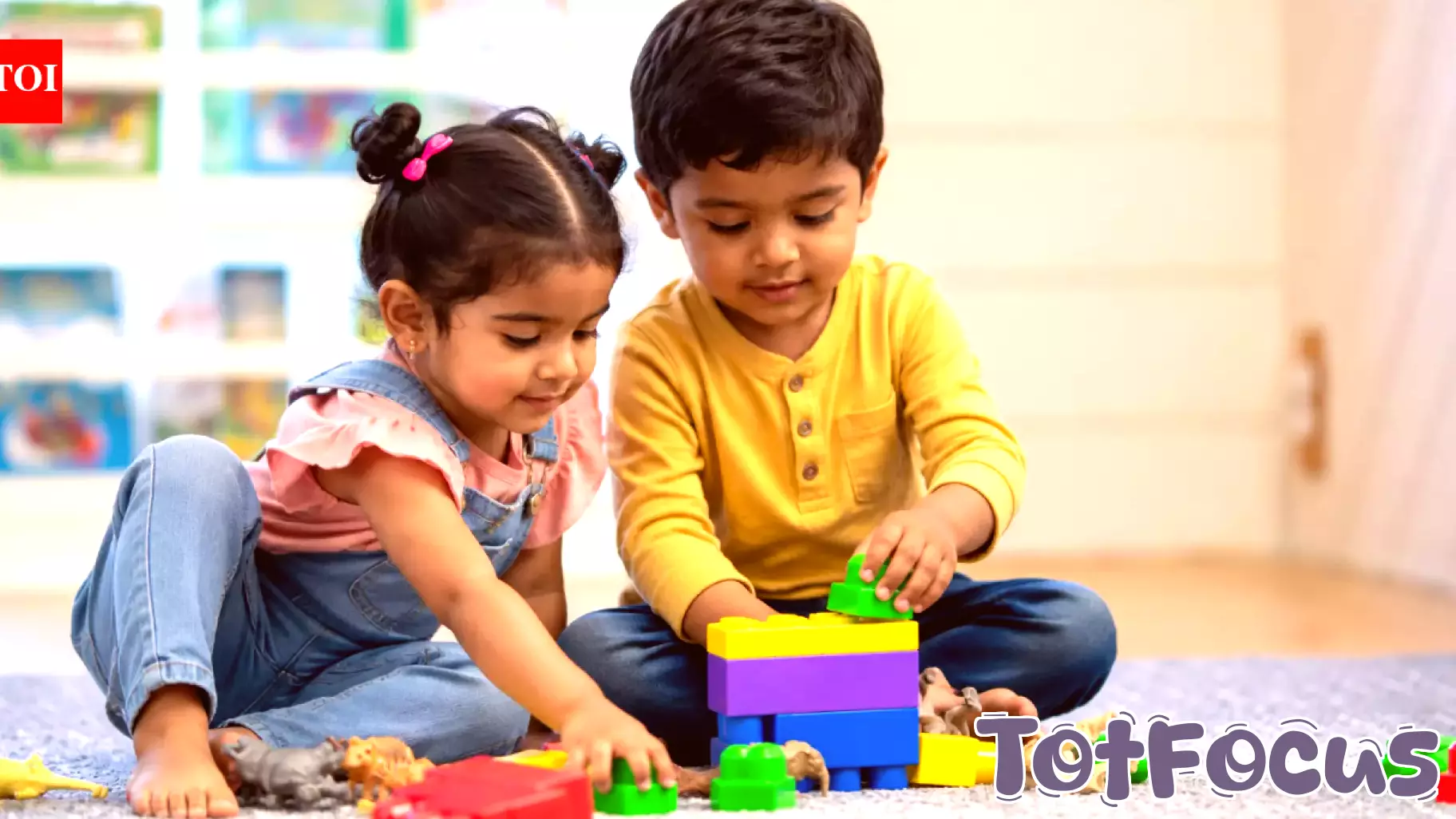
There was no expensive toy, no carefully planned activity and no adults telling them what to do. Just two six-year-olds, a pile of wooden boards, and a vivid imagination. That scene, repeated in backyards and parks everywhere, might look like simple downtime. But a growing body of psychological research suggests that letting children play on their own, without direct adult supervision, may be one of the most powerful tools a parent has.
The core idea is not about neglect. It is about giving kids the space to solve their own problems. When an adult hovers, they tend to step in at the first sign of frustration. That habit, while well-meaning, robs a child of the chance to practice resilience. Unsupervised play forces a child to negotiate rules, handle a scraped knee, or figure out how to build a fort that does not collapse. Each small failure becomes a lesson in persistence.
Psychologists point to a few key benefits. First, risk assessment. When a parent is not there to say "be careful," a child learns to judge their own limits. Climbing a tree becomes a personal calculation of grip and height, not a rule to obey. Second, social skills. Without an adult referee, children must work out disagreements among themselves. They learn to read emotions, compromise, and sometimes walk away. These are skills that cannot be taught in a classroom.
There is also the matter of creativity. Structured activities have a goal. Free play has no goal. A stick can be a sword, a fishing rod, or a magic wand. That open-ended thinking builds neural pathways that later support problem-solving and innovation.
The modern parenting style, with its packed schedules and constant supervision, often stems from fear. But the research suggests that the real risk is not a scraped elbow. It is raising a child who cannot cope with boredom, conflict, or failure. Letting them roam, within safe boundaries, is not lazy parenting. It is a deliberate choice to build independence.
Of course, this does not mean abandoning children in dangerous situations. It means resisting the urge to direct every moment. Let them argue over the rules of a game. Let them get muddy. Let them figure out who goes first. The child who learns to play alone or with peers, without a parent hovering, is the child who learns to trust their own judgment. And that trust is the foundation of confidence for the rest of their life.
MORE NEWS

August 1, 2026 - 14:55
Pete Davidson & Elsie Hewitt Are Locked In on Co-Parenting DaughterPete Davidson and Elsie Hewitt appear to have found their groove when it comes to raising their daughter, Scottie Rose. Sources close to the former couple confirm that the two are fully committed...

July 31, 2026 - 19:53
August born children: Personality, career, love, health and parenting insights through astrologyChildren born in August carry a distinct mix of warmth and determination. Ruled by the Sun, they often shine in social settings without trying too hard. Their personality tends to blend a natural...

July 29, 2026 - 20:13
How to Work Across Parenting StylesStrong relationships between educators and parents are a key factor in student success. But what happens when a teacher`s approach to discipline or communication clashes with a parent`s style at...

July 28, 2026 - 17:55
The Inescapable Fantasy of ’90s ParentingScrolling through social media, you might think the 1990s were a golden age of childhood. Parents today, many of whom grew up in that decade, are flooding feeds with posts about `unsupervised` play...