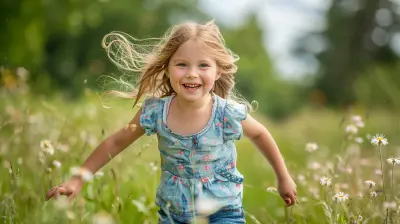
Celebrating Your Toddler's First Steps: What to Expect
5 April 2026
Is there anything more heartwarming than seeing your toddler take their first steps? That tiny shuffle, the wobble, followed by that triumphant grin—it’s like witnessing magic in real time. Those first few steps aren’t just a milestone; they’re a declaration: “Watch out world, here I come!”
Welcome to one of the most exciting chapters in your little one’s journey. In this article, we’ll walk you (pun totally intended) through what to expect when your toddler starts taking those early steps. From the signs that your baby is ready to walk, to how you can help, and what comes next—we’ll cover it all.
Why Your Toddler's First Steps Are a Big Deal
Let’s be honest—parenting is full of incredible moments, but this one? It hits different.Taking those first steps marks your child’s transition from baby to toddler. It’s a symbol of independence. For you, it’s a mix of pride, excitement, and maybe even a pinch of nostalgia. Where did the time go, right?
But beyond the emotions, first steps are a major developmental milestone. They’re a sign of growth in muscle strength, balance, coordination, and confidence. Your baby is literally making moves—both physically and developmentally.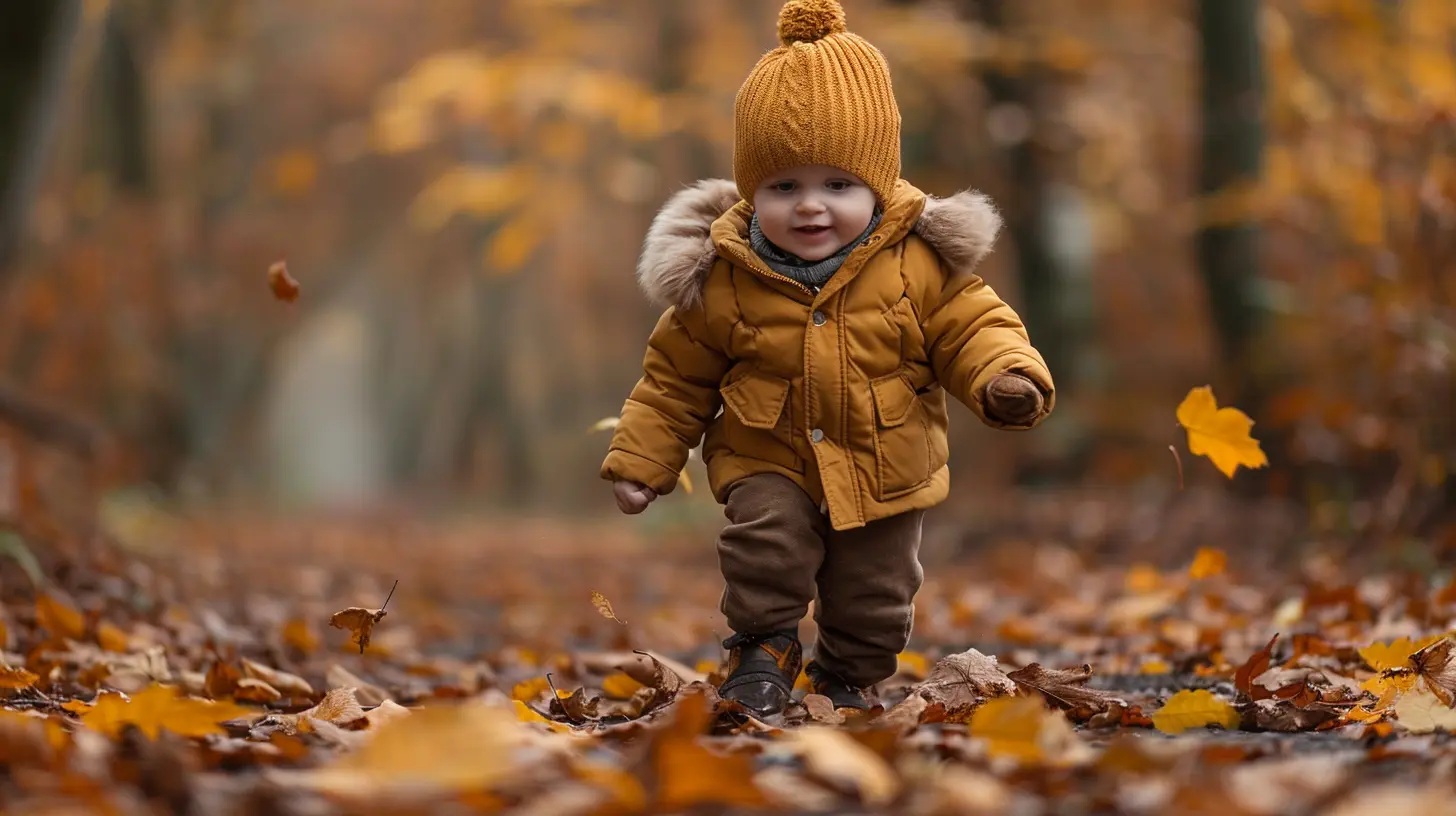
When Do Toddlers Usually Start Walking?
Every baby is unique, so there's no one-size-fits-all timeline. That said, most toddlers take their first steps between 9 to 18 months.Some might start walking early and surprise you at 10 months. Others may prefer crawling a little longer and start closer to 15 or even 18 months. And you know what? Both are totally fine.
Walking isn’t a race—it’s more about readiness than age. And that’s where understanding the signs comes in.
Signs Your Toddler Is Getting Ready to Walk
You’ll start noticing little hints. Some are obvious, others you might not realize are clues. Here’s what to watch for:1. Pulling Up to Stand
One of the first signs is when your baby starts pulling themselves up using furniture or your legs. They’re building those leg muscles and testing their balance.2. Cruising Along Furniture
If your toddler is holding onto the couch and side-stepping like a mini dance move, that’s called cruising. They’re gaining confidence, and it’s one step (pun intended again!) closer to walking solo.3. Standing Without Support
You might catch your little one standing without help for a few seconds before plopping back down. That’s a huge deal—it means balance is improving!4. Taking a Step or Two
Once they feel brave enough, they’ll push off and maybe take a step or two before landing on their diaper-padded bottom. It’s adorable, and it’s the beginning of real walking.
How You Can Encourage Those First Steps
You don’t need fancy gear or toys—just your time, attention, and a safe space to explore.1. Give Them Barefoot Time
Let your toddler go barefoot indoors. Feeling the ground with their feet helps strengthen their arches and improves balance.2. Use Encouraging Words
When they stand or try to step, cheer them on! Your excitement fuels their confidence. A simple “You got this!” goes a long way.3. Create a Safe Walking Zone
Clear the clutter, move furniture edges out of the way, and set up a soft, safe place for your toddler to practice. Put their favorite toy across the room to spark motivation.4. Offer a Helping Hand (Literally)
Hold both their hands and let them "walk" with your support. As they get stronger, shift to holding one hand. You’ll feel when they’re ready.5. Use Push Toys (Not Walkers)
Push toys like baby shopping carts or toddler lawnmowers are great. Avoid baby walkers though—they can actually delay walking and pose safety risks.What to Expect After the First Steps
So your little one finally does it—those unassisted steps that make your heart skip. What's next?1. Expect a Lot of Falling
Walking is tricky business. They’ll fall—a lot. Bruises, bumps, maybe even a few tears. It’s all part of the learning process. Keep calm, offer hugs, and let them try again.2. Growth in Confidence
Before you know it, they’ll be moving from wobbly steps to power-walking like a pro. Their confidence will soar, and you’ll see their personality blossom too.3. New Skills Emerge
Once walking is mastered, it opens the door to running, climbing, and exploring. Your toddler becomes more curious and independent. Be prepared—they’re not sitting still for long.Dealing With the Emotional Rollercoaster
Let’s be real—it’s not just your toddler who’s going through changes. You are too.Seeing your baby walk can stir up all kinds of emotions: pride, joy, anxiety, and even a bit of sadness. That’s normal. Just remember, this is a beginning, not an ending. Yes, they’re growing fast, but they’ll always need you—just in new and different ways.
Common Concerns Parents Have (And Why You Shouldn’t Stress)
It’s tough not to compare your child to others, especially when every playdate becomes an unintentional development race. But try not to worry.1. What if My Toddler Isn't Walking Yet?
If they’re within that 9–18-month range and developing other skills like crawling or standing, they’re probably just taking their time. Some kids walk later—and that’s perfectly okay.2. Should I Be Worried About How They Walk?
Pigeon-toed? Waddling? Walking on tiptoes? Most of these quirks resolve with time as muscles strengthen. But if your gut says something feels “off,” trust it and chat with your pediatrician.3. Is It Bad If They Prefer Crawling?
Nope! Walking is harder. It takes more energy and stability. Some toddlers crawl even after walking because it’s faster and easier. They’ll switch fully when they’re ready.Tips to Keep Your New Walker Safe
Now that they’re mobile, it’s a whole new ball game. Safety becomes priority #1.- Babyproof everything—outlets, corners, stairs, and cabinets.
- Use non-slip socks or shoes indoors to prevent slipping.
- Keep floors clear of small objects or loose rugs.
- Watch doorways—toddlers love to explore!
- Supervise constantly—they can vanish in a blink.
Don’t Forget to Celebrate the Moment
This is one of those memories you’ll carry forever. Soak it in. Take a video (or ten). Clap, cheer, even do a happy dance together. These are the moments that make parenting so incredibly joyful.Maybe their first steps happen in the living room with cookies in one hand. Or maybe they walk straight to the dog, giggling all the way. However it happens, it’s your story—and it’s priceless.
What Comes Next?
Once walking is in the bag, you’ll see a domino effect of new milestones:- Talking more as they navigate new environments.
- Climbing stairs (with help at first).
- Running and jumping—usually by age 2.
- Increased independence, like wanting to “do it myself.”
It’s the beginning of their physical journey—but also a sign that their personality is emerging, strong and bold.
A Final Word: Enjoy the Journey
Let’s face it—you won’t remember the exact date they walked. What you’ll remember is the way your heart swelled, the way they smiled at you for reassurance, and how proud you both felt in that moment.So don’t worry if it’s early or late. Don’t stress if your toddler is a cruiser for months on end. They’ll walk when they’re ready—and it’ll be unforgettable.
And you? You’ll be there cheering them on, step by tiny step.
all images in this post were generated using AI tools
Category:
Toddler MilestonesAuthor:

Karen Hurst
Discussion
rate this article
2 comments
Amy Mendez
Exciting milestone, cherish every moment!
April 10, 2026 at 4:37 AM
Karen Hurst
Thank you! Every step really is a precious moment.
Elowyn Graham
Thank you for this wonderful article! Celebrating a toddler's first steps is such a joyful milestone for both parents and children. Your insights on what to expect truly capture the essence of this special moment. I appreciate the tips for making the experience even more memorable.
April 8, 2026 at 3:59 AM
Karen Hurst
Thank you so much for your kind words! I'm glad you found the article helpful and that it resonated with you. Celebrating those first steps is truly a magical experience!