Managing Screen Time During Playdates and Sleepovers
5 February 2026
In today’s digital age, managing screen time is hard enough with your own kids at home. Add in a gaggle of giggling children during a playdate or sleepover, and suddenly it feels like you're refereeing a tech version of a wrestling match. Should you let them watch movies? Play video games? Or go old-school with board games and flashlights?
Let’s talk about how to strike the right balance between fun and screen-free time without being labeled the “strict parent.” Managing screen time during playdates and sleepovers doesn’t have to be a battle. It just takes a little strategy, some creativity, and a whole lot of patience.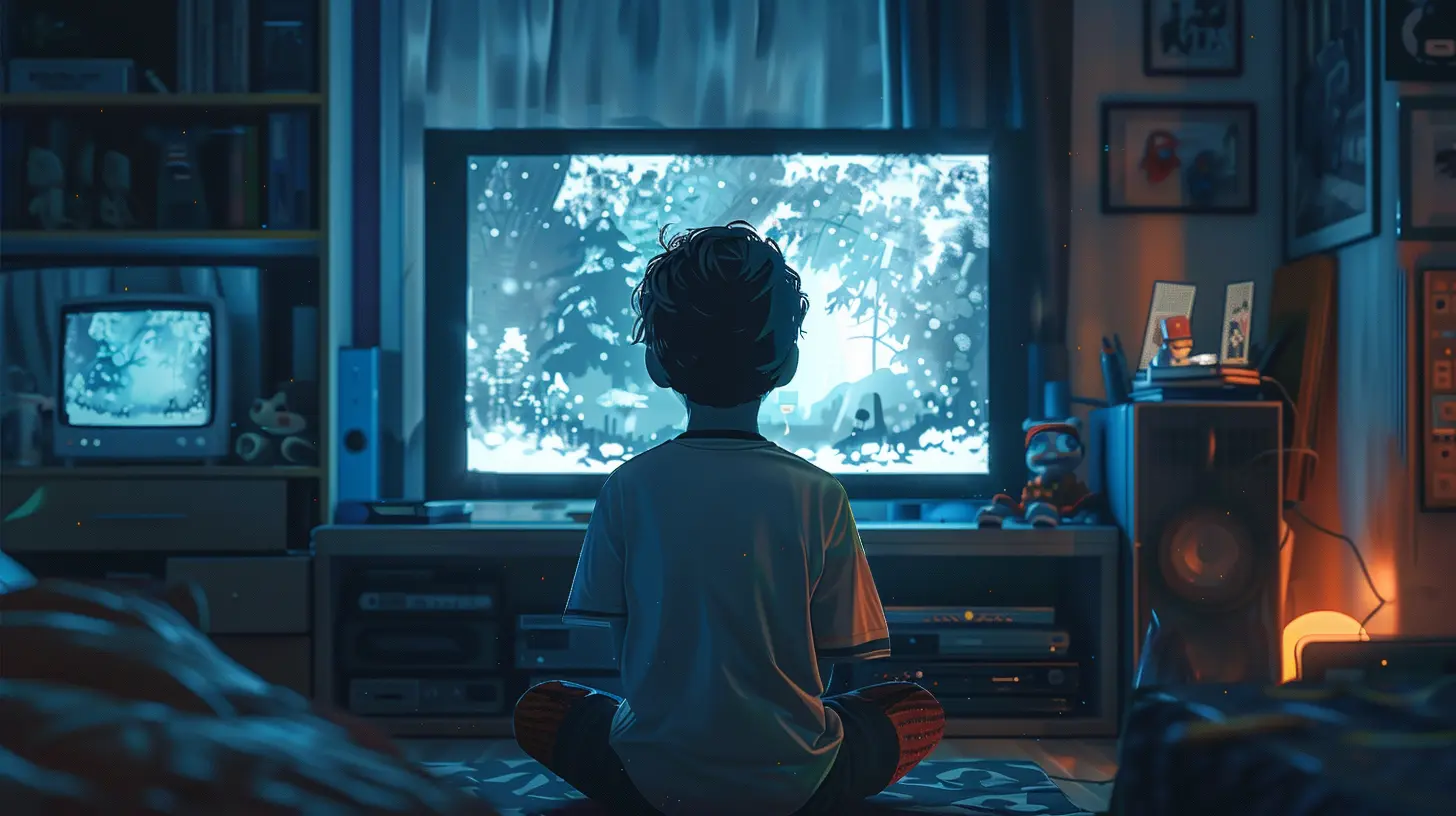
Why Screen Time Becomes a Hot Topic During Playdates
Here’s the deal: kids love screens. Tablets, phones, gaming consoles—they’re magnets to young minds. And when guests are over, it might feel easier to just let kids chill with a movie or game. It keeps them quiet, busy, and (let’s be honest) less likely to destroy your living room.But too much screen time, especially during social gatherings meant for bonding and interaction, can backfire. Instead of building friendships, kids may end up isolated, zoned out in their own digital bubble. Worse? It can lead to disagreements over game turns, content restrictions, or screen envy. Not exactly the fun night you had in mind.
The Balancing Act: Screen Time vs. Real Time
Think of screen time like dessert—it’s fun, sweet, and exciting, but a little goes a long way. During sleepovers and playdates, the goal is to make sure that screens enhance the experience, not replace it.Setting Expectations Early
Before the playdate even begins, it’s totally okay (and super helpful) to set expectations with your child and even the other parents. A quick message like:"Hey! We’re excited for the playdate. Just so you know, we’ll be limiting screen time to one movie after dinner. The rest of the time will be focused on games and activities."
Boom. Instant clarity, and most parents will appreciate your proactive approach. It's not about being rigid; it's about being intentional.
Screen Time Strategies That Actually Work
Now let’s dive into some practical, sanity-saving strategies for managing screen time during playdates and overnight visits.1. Pre-Plan the Screen Time
Instead of letting screen time just "happen," schedule it.- Movie night after dinner? Great.
- A quick 30-minute video game tournament before bedtime? Love it.
Let the kids know ahead of time: “After dinner, we’ll watch one movie, then it’s lights out.” Kids respond better when they know what's coming. Plus, it prevents the dreaded “just one more episode!” plea.
2. Choose Group-Friendly Content
If you do allow screen time, choose something everyone can enjoy. That means age-appropriate, group-oriented shows or games that encourage cooperation.- Think: Classic Pixar movies, family-friendly comedies, or multiplayer games like Mario Kart or Just Dance.
Individual screen time (everyone on their own tablet)? That’s a fast-pass to disconnection.
3. Designate Screen-Free Zones
Make it clear where screens are allowed and where they’re not. Try this:- Living room = movie zone.
- Bedrooms = no screens after lights out.
- Dinner table = completely screen-free.
This helps create structure without you constantly hovering or nagging.
Fun Alternatives to Screen Time (That Kids Actually Love)
Here’s the secret sauce: Plan fun, interactive activities that are so engaging, your kids forget about screens altogether.1. DIY Craft Station
Set out supplies and let their imagination run wild. From friendship bracelets to slime making, crafts are a guaranteed hit.2. Obstacle Course Challenge
A few couch cushions, a timer, and some music = instant excitement. Bonus points if you give out little prizes.3. Build a Fort
Kids love a good old-fashioned pillow fort. Add fairy lights, snacks, and storytelling, and you've got the perfect movie-free evening.4. Board Game Bonanza
Don't underestimate the power of Monopoly, Uno, or even Charades. Group games foster teamwork and a little healthy competition.Navigating Different Parenting Styles
One of the biggest challenges? Other kids might be used to different screen-time rules. Maybe your child’s friend has a phone and is used to watching TikToks till midnight.Awkward, right?
Here’s the trick: focus on your house, your rules. Say it with kindness and confidence:
"We usually turn off screens about an hour before bedtime to help everyone wind down. Hope that’s okay!"
Most parents get it. And if a child protests? Redirect with a fun non-digital activity.
Handling Sleepover Screen Time Like a Pro
Sleepovers are a whole different beast. Kids are hyped, bedtime is flexible, and screens can be tempting.Set a “Screen Cut-Off Time”
It’s easy to say “no screens after 9 PM.” Even better, set out easy alternatives like a group bedtime story, flashlight tag, or a spooky (but not too spooky) storytelling circle.Collect Devices Overnight
If you’re hosting older kids who have personal phones or tablets, consider collecting them before bed.Just be upfront: “To make sure everyone gets some sleep, we’re going to keep all devices in the kitchen overnight. Thanks!” No drama, no exceptions.
Don’t Forget the “Why”
Kids are smart. When you explain why you’re limiting screen time, they’re more likely to get on board.Say something like:
"I want you guys to have fun together—laugh, play, make memories. Screens are fun, but they sometimes get in the way of that."
You’re not punishing them. You’re giving them permission to actually be kids.
Tips for Screen-Free Success
- Lead by example: If you’re telling kids to ditch screens but scrolling through your phone every five minutes…yeah, they’ll notice.- Keep them busy: Boredom is a screen’s best friend. Keep a list of go-to activities ready.
- Be consistent: If the rule is one movie, stick to it—no “just this once” exceptions.
- Be flexible: Sometimes a rainy day or a long wait for pizza delivery calls for a bit more screen time. Go with the flow when needed.
When Screens Are Actually Okay (and Helpful)
Let’s not pretend screens are the enemy. Sometimes, they come in handy:- Calm down time: A short video can help overexcited kids wind down.
- Group bonding: Watching a movie together can actually enhance friendships.
- Problem-solving: Some multiplayer games promote teamwork and creativity.
It’s all about being thoughtful, not anti-tech.
What If Things Go Off-Track?
Let’s say the kids sneak screens past bedtime. Or one child refuses to put the tablet away. Take a deep breath. It’s not the end of the world.Gently remind them of the rules, and if needed, take a short break from screens the next day. Use it as a teaching moment, not a punishment.
Final Thoughts: It’s All About Balance
Managing screen time during playdates and sleepovers isn’t about being a control freak. It’s about helping kids connect in real life, build memories, and have fun without relying on digital distractions.Sure, tech has its place. But so does silly giggling, building forts, telling ghost stories, and roasting marshmallows indoors. Those are the moments they’ll remember—not which YouTuber they watched.
So guide them, set the tone, and show them that friendships shine brighter than any screen.
all images in this post were generated using AI tools
Category:
Limiting Screen TimeAuthor:

Karen Hurst
Discussion
rate this article
2 comments
Beau Phelps
Great tips for happy, balanced playdates!
February 22, 2026 at 4:50 AM
Karen Hurst
Thank you! I’m glad you found the tips helpful for creating joyful and balanced playdates.
Parisa Romero
Great insights! Balancing screen time during playdates and sleepovers is crucial for fostering social interactions. Implementing guidelines, encouraging offline activities, and leading by example can create a healthier environment for our kids.
February 5, 2026 at 3:38 AM
Karen Hurst
Thank you for your thoughtful comment! It’s essential to promote healthy interactions while managing screen time. Your suggestions for guidelines and offline activities are spot on!