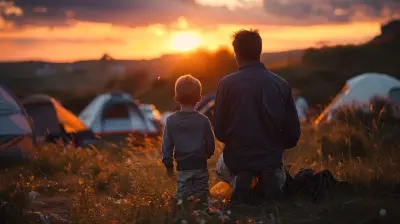
Creating Treasure Hunts That Keep Kids Engaged for Hours
20 May 2026
Remember that magical sparkle in your kids' eyes when they find a shiny coin in the sandbox or a pretty rock on a walk? That’s the thrill of discovery—and treasure hunts are the perfect way to channel that energy into something fun, educational, and downright unforgettable.
In this guide, we’re diving deep into how you can create treasure hunts that go beyond the basic “X marks the spot.” We’re talking interactive, memory-making adventures that keep kids entertained for HOURS (yes, hours!).
Let's dig in.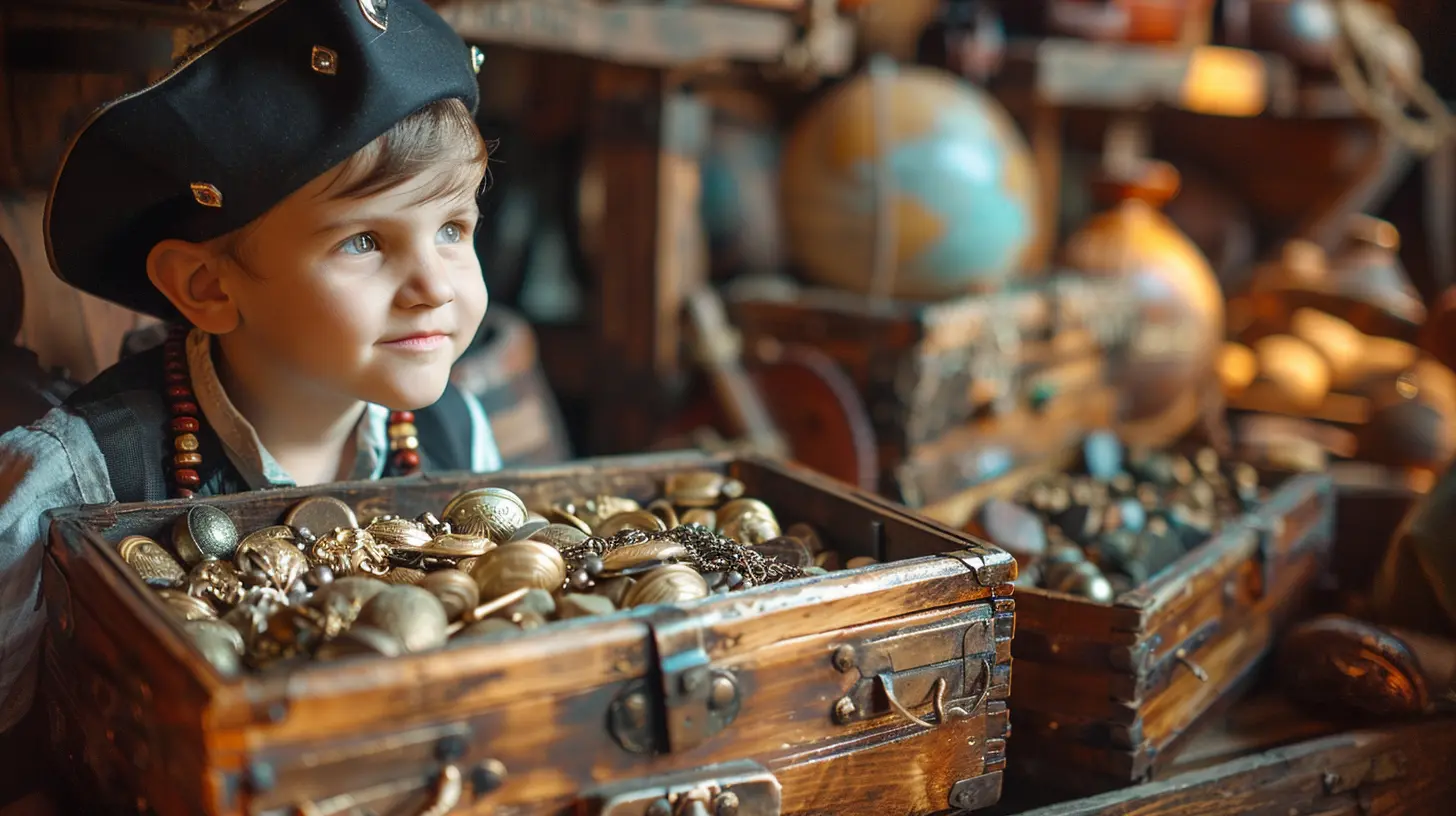
Why Treasure Hunts Are a Parenting Superpower
First things first—why go through the (admittedly fun) effort of organizing a treasure hunt?Because they’re brain-boosting, imagination-firing, boredom-busting gold. Think about it: kids are solving problems, reading clues, working together, and most of all—moving their little legs! It’s screen-free magic and sneaky learning all in one go.
And let’s be honest. You’ll have as much fun designing the hunt as they’ll have participating in it.
Step 1: Decide the Age Group and Customize Accordingly
Before you start writing out clues or hiding trinkets, take a moment to think about your audience.For Toddlers (Ages 2–4)
Keep it simple and visual. Think picture clues, like a photo of the couch for a clue leading to it. Hide large, colorful objects and maybe throw in a beloved stuffed animal or two for excitement.For Kids (Ages 5–8)
This is prime treasure-hunting age. You can add rhyming clues, simple riddles, or even challenges like “hop like a bunny to the next spot.” They’ll eat it up.For Tweens (Ages 9–12)
Time to level up. Use wordplay, maps, mini-puzzles, or even tech elements (scanning QR codes, anyone?). This age group loves mystery and a good challenge—give it to them.
Step 2: Pick Your Theme (Because That’s Half the Fun!)
Want your treasure hunt to feel like an adventure instead of just a game? Choose a theme. It helps tie everything together and makes the experience feel like a story.Here are some kid-approved themes:
- Pirate Adventures – Aarrr matey, who doesn’t love talking like a pirate?
- Jungle Explorers – Clues hidden in fake vines and under plush animals.
- Space Mission – Rocket ships, aliens, and “moon rocks” (a.k.a. painted stones).
- Spy Mission – Sunglasses, secret codes, and sneaky moves included.
- Fairy Tale Quest – Princes, princesses, and maybe a dragon or two.
A theme gives your hunt structure, helps you organize props and clues, and ignites kids' imaginations.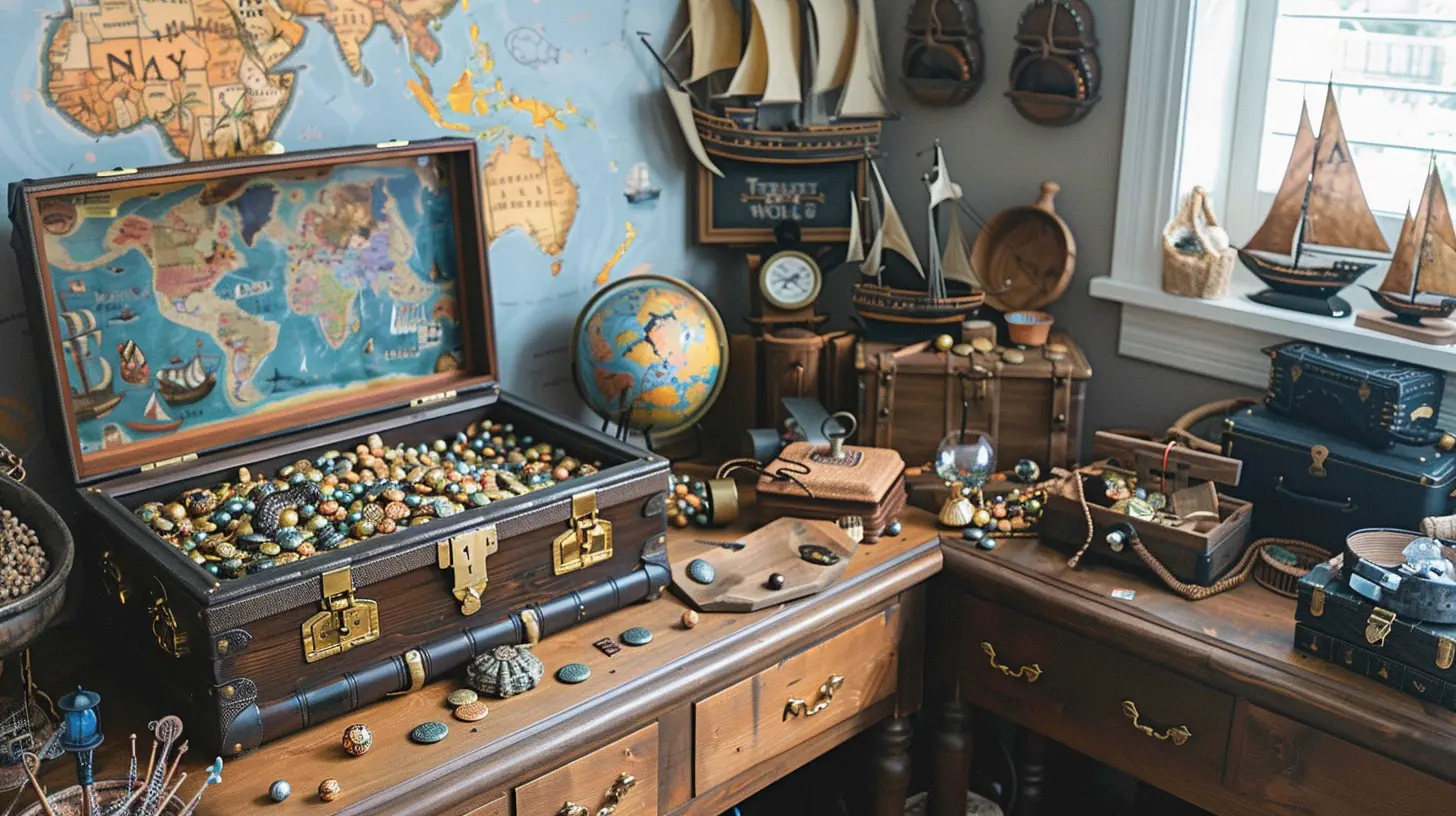
Step 3: Choose the Right Location
Location will either make or break your treasure hunt. It should be:- Safe – Always number one.
- Familiar-ish – Somewhere kids can explore without getting lost.
- Big enough – So they don’t find the next clue straight away, but not so massive that it turns into a hike.
Some great spots:
- Your house (inside, outside, or both!)
- The backyard
- Local parks
- School playgrounds
- Even inside a classroom or living room for bad-weather days
Bonus tip: If you're planning a public hunt, go early and mark your clue spots before kids arrive.
Step 4: Write Fun, Kid-Friendly Clues
Now the fun part—designing the actual hunt!Clues should be age-appropriate, engaging, and part of the story. Use rhymes, riddles, and scavenger-style hints depending on your theme.
Examples:
- Toddler Level: “I’m soft and cozy, you sit on me to watch TV!” (Clue = couch)- Elementary Level: “I rumble and tumble and spin 'round and 'round. I clean your clothes without making a sound.” (Clue = washing machine)
- Tween Level: “Look where you’d find something that shines, under the place where you read daily lines.” (Clue = under a desk lamp or book)
Add a mix of puzzles and physical challenges:
- Do 10 jumping jacks to get your next clue.
- Answer a trivia question to move on.
- Follow footprints or string trails to the next station.
Keep clues goofy, clever, and short. You want them to be fun—not frustrating.
Step 5: Use Props and Prizes to Amp Up the Excitement
Let’s be honest—kids hear “treasure” and they expect actual treasure. So let’s deliver.Prop Ideas:
- Mini scrolls for clues (age them with tea for a pirate vibe!)- Plastic gold coins
- Stuffed animals guarding clue spots
- Toy binoculars or magnifying glasses
- Envelopes with wax seals (for that spy mission feel)
Treasure Ideas:
The final prize doesn’t have to be expensive, but it should feel like a reward. Options include:- Goodie bags
- Craft kits
- Mini puzzles
- Stickers and toys
- “Treasure chest” with candy coins or small toys
Want to be extra? Turn the prize into a certificate of completion or a “Junior Explorer Badge.” Kids eat that up!
Step 6: Make It a Group Activity (or Solo Mission!)
Treasure hunts work wonderfully as:- Birthday party games
- Weekend boredom busters
- Rainy-day savers
- Sibling bonding activities
- Even classroom learning games!
If you’ve got several kids involved, split them into teams. Assign team names, give everyone a role (clue reader, map holder, navigator), and maybe even add a time limit.
For one child? Customize it! Create an adventure where they are the hero. Maybe the dog has been “kidnapped,” and your child needs to follow clues to “rescue” them.
Step 7: Add Storytelling to Build the World
Now here’s where the real magic happens. Don’t just toss kids into a scavenger hunt—immerse them in a tale.Start with a short introduction:
_"Agents, we’ve intercepted a message: The Crown Jewels have been stolen. Your mission is to recover them. Clues are hidden throughout the kingdom (a.k.a. your backyard). Time is running out..."_
Narrate as they go:
- “You’ve crossed the treacherous couch canyon!”
- “Only the brave can survive the Lava Lamp Lagoon!”
- “You’ve unlocked the Golden Scroll of Snacks!”
Every clue becomes a mini chapter in the adventure. Your kids won’t even realize they’re gaining reading comprehension, critical thinking, and teamwork skills. Sneaky, right?
Step 8: Capture the Moments
Whip out your phone (just this once!) and snap pictures as the hunt unfolds. These make adorable keepsakes for photo albums or scrapbooks. Later, you can even make a mini “storybook” about their adventure.Bonus? It’s the kind of wholesome content you’ll love sharing with grandparents or on your family blog.
Troubleshooting: When the Hunt Goes Sideways
Even the best-laid treasure hunts sometimes hit a snag. Here's how to stay cool when things go a little... off-script.Problem: Kids get stumped.
- Offer hints or nudges to keep them moving. It’s about fun, not frustration.Problem: Someone finds all the clues ahead of the group.
- Build in team tasks so kids have to work together. This prevents one kid from racing ahead.Problem: It rains mid-hunt.
- Always have a Plan B indoors. Turn it into a spy mission with indoor clues and flashlight searches.Treasure Hunts on a Budget
You don’t need to break the bank for a memorable experience. Use household items for props, repurpose toys or snacks as treasure, and keep printing to a minimum by reusing paper or going digital. Make your clues handwritten for that charming, homemade vibe.Treasure Hunts Aren’t Just Games—They’re Memories in the Making
At the end of the day, treasure hunts are more than just a way to keep your little ones occupied (though they’re pretty fantastic for that too). They’re bonding activities. Confidence builders. Creativity boosters.They take a regular Sunday afternoon or birthday party and turn it into a story your child will retell for years.
So, grab a pen, sketch out a map, and start planning your epic adventure. Your kids won’t just be entertained—they’ll be enchanted.
And who knows? You might just uncover a new family tradition in the process.
all images in this post were generated using AI tools
Category:
Playtime IdeasAuthor:

Karen Hurst
Discussion
rate this article
2 comments
Theo Harris
Adventure awaits-let the fun begin!
July 2, 2026 at 3:44 PM
Karen Hurst
Absolutely! Treasure hunts are a fantastic way to spark adventure and keep kids entertained. Let the games begin!
Ace McClain
Treasure hunts spark imagination and curiosity in kids. By blending challenges with exploration, we create lasting memories and teach valuable problem-solving skills. It's a joyful way to bond and learn together.
May 21, 2026 at 4:31 AM
Karen Hurst
Absolutely! Treasure hunts are a fantastic way to inspire creativity and teach kids essential skills while having fun together.