Encouraging Bonding Between Step-Siblings
7 May 2026
Blending a family is not for the faint of heart. It's like mixing two different puzzle sets and hoping the pieces will somehow click. One of the trickiest—but most rewarding—parts of creating a harmonious step-family is encouraging bonding between step-siblings. If you're navigating this new family dynamic and wondering how to help your kids connect, you’re in the right place.
Let’s break down practical, heart-centered ways to bring those step-siblings closer together.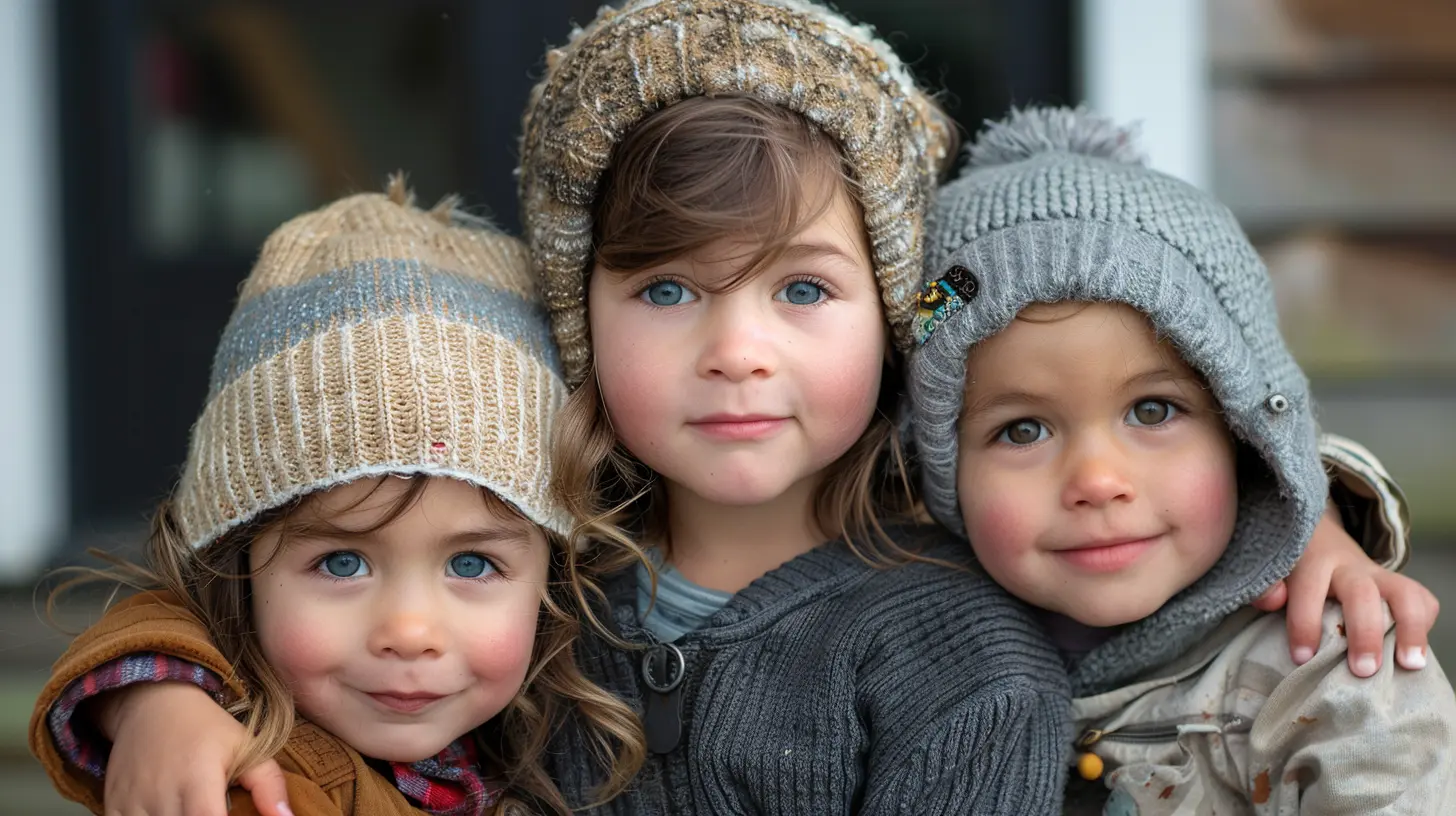
Why Bonding Matters in Blended Families
Blended families come with their own unique rhythm. It's not just about two adults falling in love—it's about merging households, rules, and childhood memories. Step-siblings don’t automatically feel like family; they might feel like strangers sharing a roof.That’s why intentional bonding is so important. It helps create emotional security, reduces household tension, and builds long-term relationships. Think of it like planting a garden—you need to nurture those connections consistently for them to grow.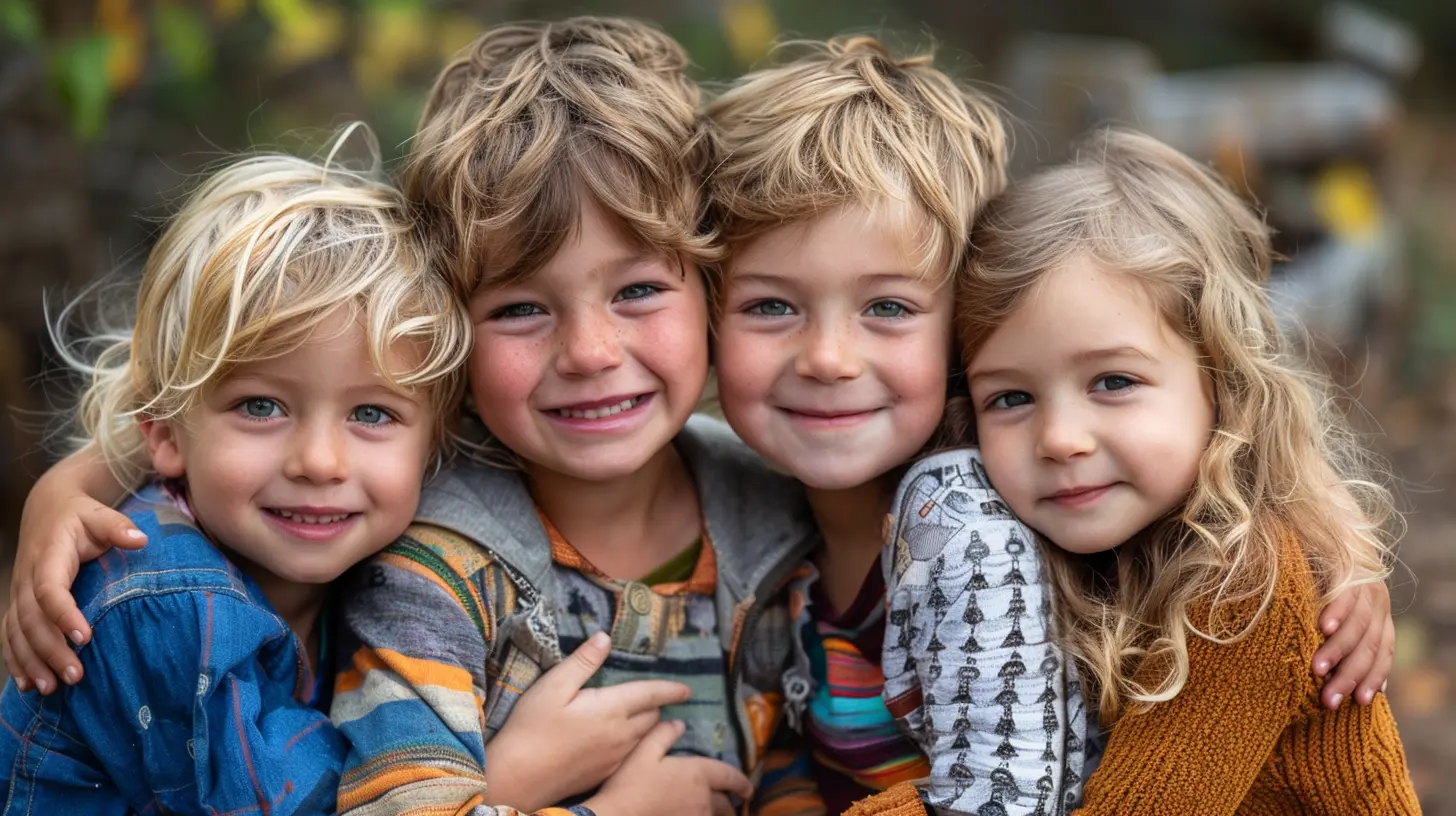
Starting with Empathy: Understanding the Kids' Perspectives
Before diving into activities or strategies, it’s crucial to understand how the kids might be feeling. Imagine being a child who suddenly has to share their home, their parents’ attention, and possibly even their room. That’s a lot to process!Some kids might feel jealous, insecure, or even resentful. Others might be curious but shy. There’s no one-size-fits-all reaction. The key here is empathy. Acknowledge their feelings and give them the space to express themselves without judgment.
> “How are you feeling about all of this?” can be a powerful question that opens the doors to honest conversations.
Keep Expectations Realistic
Let’s be real: expecting instant love and harmony between step-siblings is like expecting teenagers to give up their phones voluntarily—not gonna happen. Relationships take time, especially those built around big changes.Instead of aiming for a “Brady Bunch” fantasy, focus on small wins. Did they laugh together at dinner? Did one of them offer to share something? Celebrate those moments. They might seem tiny, but they’re stepping stones toward deeper connection.
Create Shared Experiences (Hint: Fun is the Secret Sauce!)
Bonding can’t be forced, but it can definitely be encouraged through shared experiences. When kids have fun together, walls start to crumble.1. Game Nights
Board games, video games, or silly group challenges can work wonders. Choose games that promote teamwork instead of competition to avoid unnecessary rivalry.Pro Tip: Let the kids take turns picking the game. It makes everyone feel included.
2. Family Outings
Whether it's a zoo trip, a beach day, or just a backyard picnic, doing something outside the everyday routine helps kids bond naturally. Goofy moments and spontaneous laughter are relationship gold.3. DIY Projects
Think building a birdhouse, making a home movie, or baking cookies from scratch. Working on something as a team encourages cooperation and communication.Encourage Respect for Differences
Not all step-siblings will have the same interests or personalities—and that’s okay. One might be into soccer, the other obsessed with anime. Help them understand that they don’t have to be alike to get along.Encourage curiosity over judgment. Phrases like, “Why do you like that?” instead of, “That’s weird,” can shift the tone from criticism to connection.
Respect Their Need for Space
Here’s the thing: bonding doesn’t mean spending every waking minute together. Just like adults, kids need downtime and privacy.Give them the freedom to retreat to their own corners when needed. Don’t interpret quiet time as failure—it’s actually healthy. Building a relationship takes energy, and sometimes they’ll need to press pause to recharge.
Let them set their own pace.
Create New Family Traditions
Blended families are a fresh start, so why not create new traditions together? It could be Taco Tuesdays, Saturday morning cartoons, or family karaoke nights.These rituals become something everyone can look forward to. Over time, they build a sense of "us" that’s unique to your new family setup.
Traditions are like glue—they help things stick.
Communication is King (or Queen!)
If step-siblings argue—and they will—don’t panic. Conflict isn’t the enemy; unresolved conflict is. Use these moments as learning opportunities.Teach them to:
- Express feelings respectfully- Listen without interrupting
- Find compromises when possible
Modeling this behavior as adults is key. If kids see respectful communication in action, they’re more likely to mimic it.
Foster Team Spirit
Position the kids as allies, not rivals. Need help cleaning up the garage? Assign them as a team. Planning a birthday surprise for mom or dad? Let them collaborate. When they tackle tasks together, they start seeing each other as teammates.Even something like setting the dinner table together can be a bonding moment when framed positively.
“Hey, you two are a dream team!” can go a long way.
Don’t Compare Them
This one’s big. Avoid phrases like:- “Why can’t you be more like your stepsister?”
- “He never does that—what’s your excuse?”
Comparisons breed resentment. Treat each child as an individual with unique strengths and challenges. Recognize their efforts, not just their outcomes.
One-on-One Time Still Matters
It’s tempting to do everything as a group, but individual attention matters just as much—if not more. Make time for one-on-one moments with each child. It reassures them that they’re still seen and loved, even amidst all the changes.When kids feel secure individually, they’re more likely to open up to new relationships—including those with step-siblings.
Be Patient—Real Change Takes Time
Let’s be honest. There will be eye-rolls, slammed doors, and awkward silences. It's all part of the process. Bonding doesn’t follow a timeline. One day, they might act like best friends, and the next, sworn enemies.Don’t take it personally.
Stay consistent, stay kind, and keep showing up. The seeds you plant today may bloom when you least expect it.
When to Step In—and When to Step Back
It’s natural to want to control every interaction, but sometimes the best thing you can do is let the kids figure it out themselves. If the tension’s minor, give them space to resolve it.However, if things escalate into bullying or emotional distress, that’s your cue to step in. Set clear boundaries and expectations around respect and kindness.
Seek Help When Needed
Some blended families have more hurdles than others—and that’s okay. If your kids are struggling to connect despite your best efforts, consider family therapy. A neutral third party can help unpack emotions and create tools for better communication.No shame in asking for help—we all need it sometimes.
Final Thoughts: Progress Over Perfection
Encouraging bonding between step-siblings is less about creating a flawless family portrait and more about building real, lasting relationships. It's messy. It's beautiful. It's worth every awkward conversation and failed game night.Be the anchor. Keep showing up with love, empathy, and patience. Over time, your kids will write their own story together—and you get a front-row seat.
Remember, just because they didn’t start their lives together doesn’t mean they can’t grow up to be lifelong friends.
all images in this post were generated using AI tools
Category:
Blended FamiliesAuthor:

Karen Hurst
Discussion
rate this article
2 comments
Ella Rivera
Creating opportunities for step-siblings to connect is essential. Shared activities, open communication, and patience can help strengthen their bond. Remember, each relationship takes time to grow, so celebrate the small moments together.
June 9, 2026 at 3:13 AM
Karen Hurst
Absolutely, fostering those connections is key. Small moments really do add up over time. Thanks for sharing your insights!
Flynn Brown
Building strong relationships between step-siblings is crucial for family harmony. Fostering open communication, shared activities, and respectful boundaries can help nurture their connection. Celebrate their unique bond and encourage a sense of belonging as they navigate this new family dynamic together.
May 9, 2026 at 3:14 PM
Karen Hurst
I completely agree. Strong step-sibling relationships can really enhance family life. Open communication and shared experiences are key to building that connection.