Encouraging Good Manners Through Natural Consequences
8 June 2026
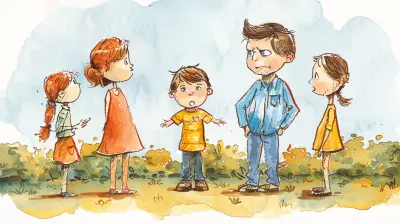
Let’s be real—parenting is not always sunshine and rainbows. Teaching kids to say “please” and “thank you” can feel like trying to herd cats. Have you ever wondered why it seems so hard for kids to grasp manners even after countless reminders? Maybe it’s because we’re always telling and not showing. That’s where natural consequences come in. They’re not punishments—they're just real-life reactions to behavior. And when used wisely, they can be a powerful tool for teaching good manners that actually stick.
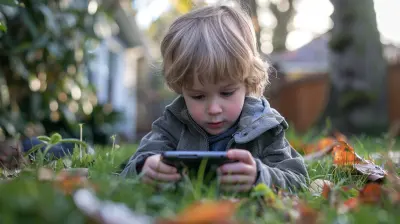
In this article, we’re diving deep into how natural consequences can help raise polite, respectful children without shouting, bribing, or nagging. Sound good? Let’s get into it.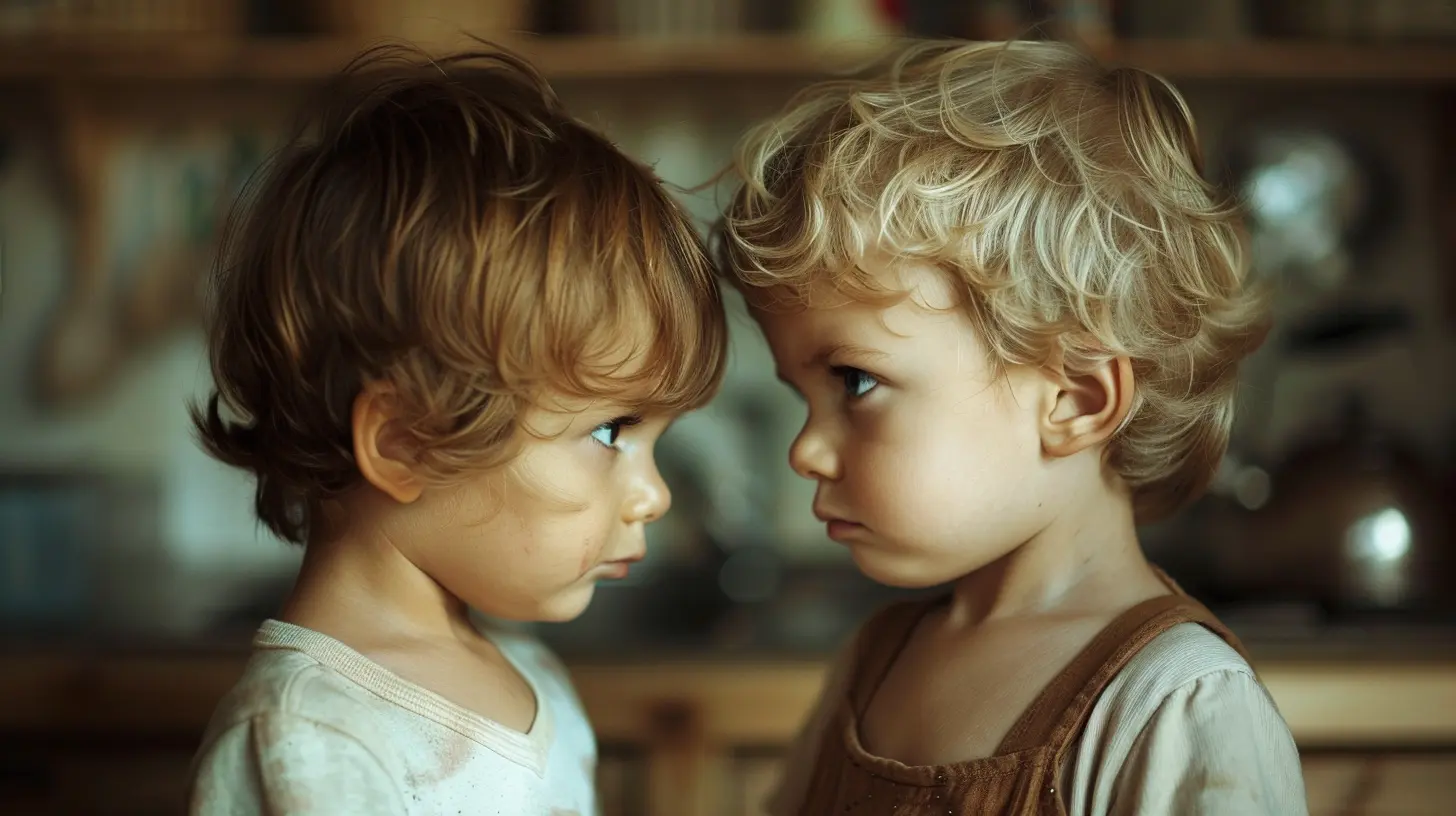
What Are Natural Consequences, Anyway?
Before we talk about manners, we’ve got to understand the concept of natural consequences. In super simple terms, a natural consequence is what naturally happens when someone makes a choice—good or bad. No interventions. No lectures. Just cause and effect.For example:
- If a child refuses to eat dinner, they're going to feel hungry later.
- If they’re rude to a friend, that friend might not want to play anymore.
- If they don’t say “thank you” when someone gives them something, that person might think twice before giving next time.
See where this is going? Natural consequences allow children to connect their actions to outcomes in a real, meaningful way. Kids are smart. They learn quickly when experiences speak louder than words.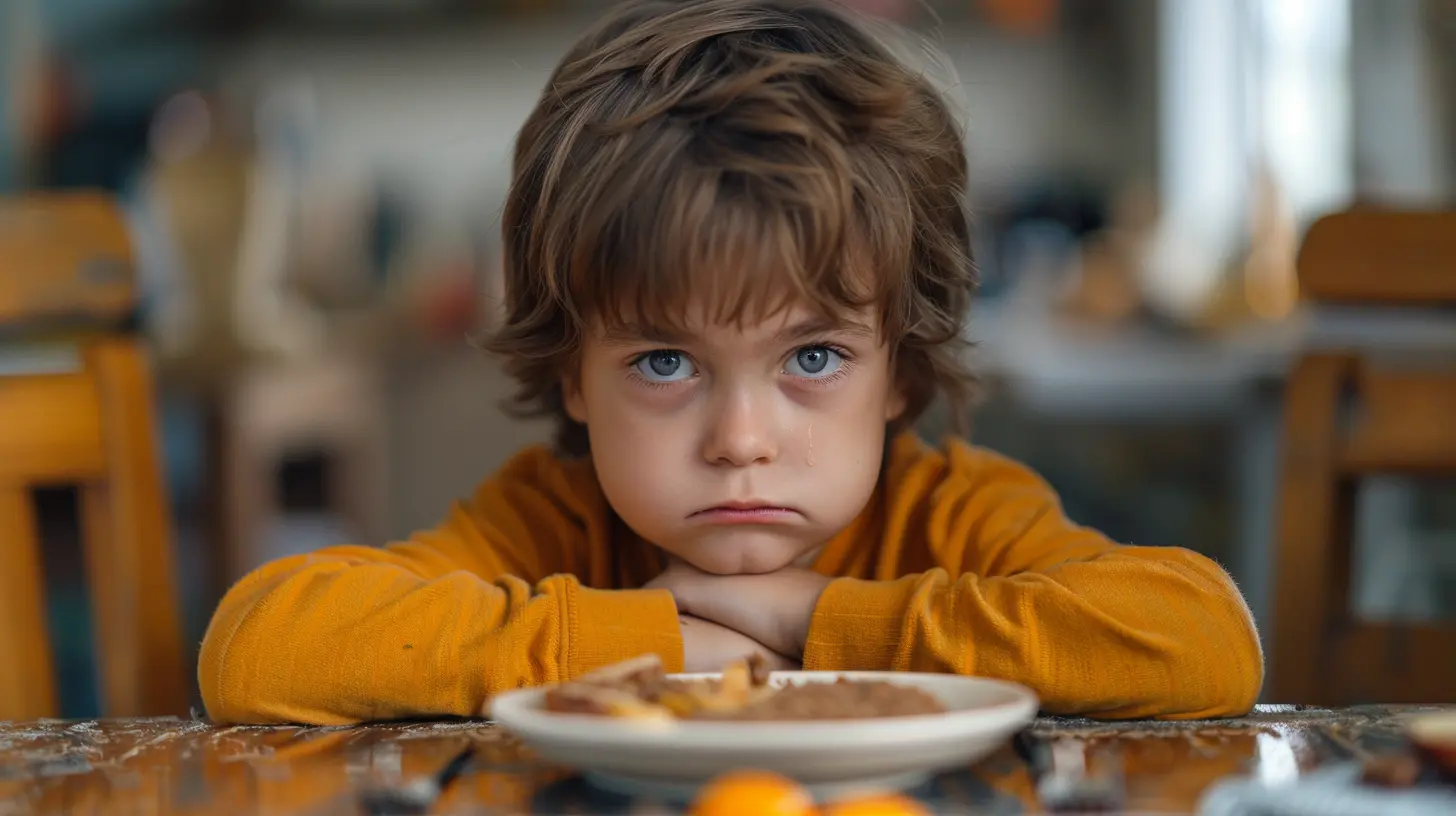
Why Manners Matter (More Than You Think)
Let’s talk about the “why” behind manners for a second. Manners are more than just social niceties. They’re the foundation of respect, empathy, and effective communication. Teaching our kids to be polite isn’t about raising little robots who say “please” on cue—it’s about helping them build positive relationships and function well in the world.Good manners help kids:
- Make and keep friends
- Work well in teams
- Respect others’ boundaries
- Feel more confident in social settings
Start ‘em young, and these skills grow into character traits that serve them for life.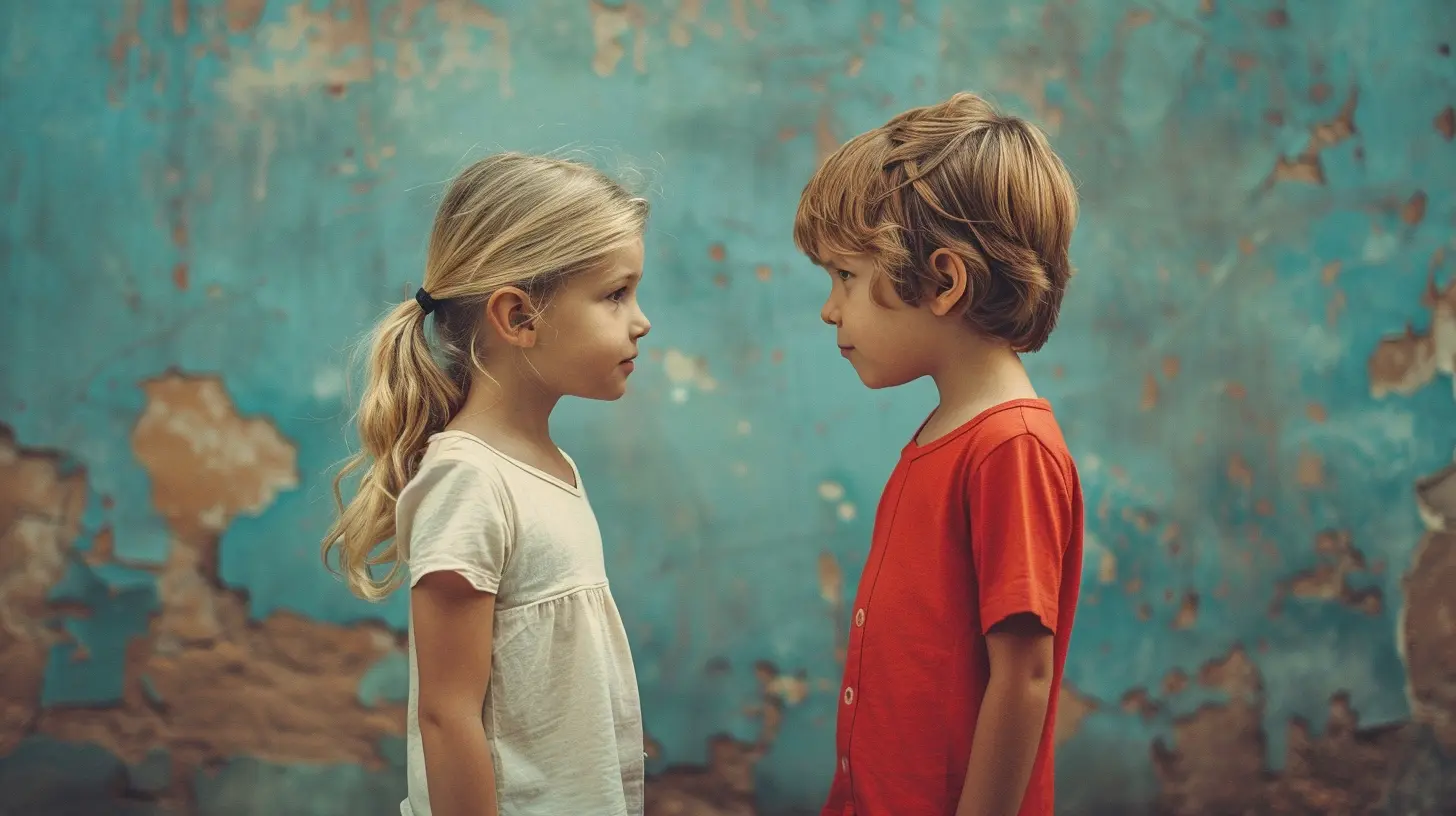
Traditional Discipline vs. Natural Consequences
Now, think about how we typically deal with bad manners:- “Say you're sorry or you're going to time-out!”
- “If you don’t say ‘please,’ I’m taking it away!”
- “One more rude comment and no TV!”
While these approaches can prompt immediate compliance, they don’t teach much in the long run. Kids start doing things out of fear or because they want a reward—not because they understand why it’s important.
Natural consequences, on the other hand, build internal motivation. They help children connect behavior with outcomes, so next time, they make a better choice not just to avoid a punishment—but because they get it.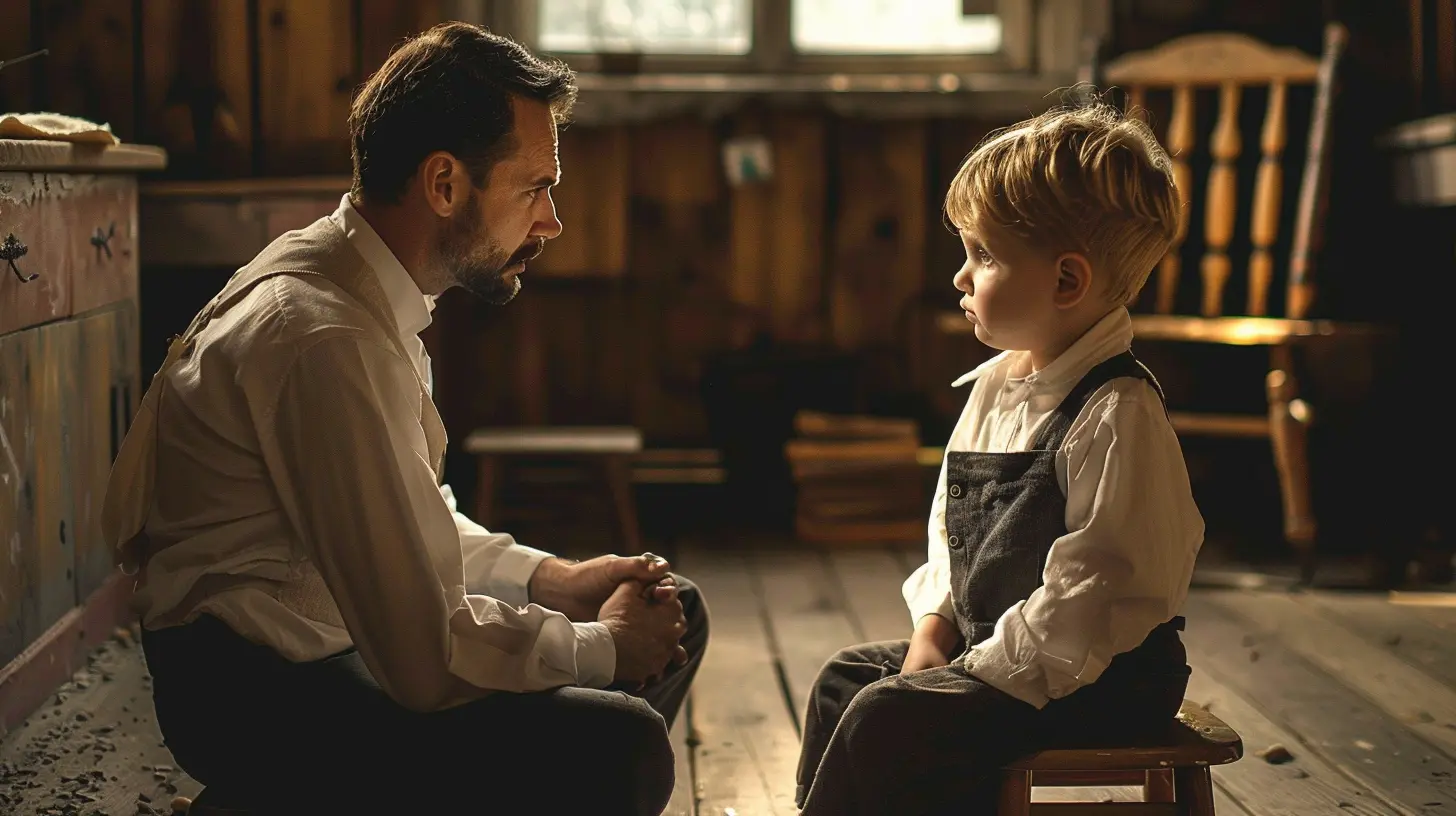
Real-Life Examples: Teaching Manners Through Natural Consequences
Let’s break down some common scenarios every parent runs into and look at how to use natural consequences instead of forced discipline.1. Not Saying “Please” or “Thank You”
Ever handed your child a snack and got silence in return?Natural Consequence: Don’t give the snack until they say “please.” If they forget to say “thank you,” calmly take a pause. “Hmm, I didn’t hear a thank you. Would you like to try again?”
Eventually, they realize that politeness gets results—rudeness does not.
2. Interrupting Conversations
Kids love to chat—especially when you’re on the phone or knee-deep in a conversation with someone else.Natural Consequence: If they interrupt, pause your conversation and let them know it’s not polite. Then finish your talk before responding to them.
They feel the natural wait time that goes with interrupting. After a few experiences, they’ll start to get it: Wait your turn, and you’ll be heard faster.
3. Being Rude to Friends or Siblings
If a child insults a friend or calls their sibling a name, it’s tempting to jump in and scold. But what happens if you step back a bit?Natural Consequence: The friend may leave. The sibling may stop playing. These are real outcomes. Talk with your child afterward—not out of anger, but with curiosity. “How did it feel when your friend stopped playing? What could you do differently next time?”
This helps children process the experience and learn from it without shame.
When Natural Consequences Don’t Work
Okay, time for a reality check. Natural consequences aren’t a magic solution. There are absolutely moments when:- The consequence isn’t immediate enough
- The behavior could hurt someone
- Safety’s on the line
If your child runs into the street, you don’t wait for a consequence—you intervene fast. If they hit a sibling, you step in immediately. Use natural consequences when it makes sense—but don’t sacrifice safety or values for the sake of letting things play out.
The Role of Empathy in Teaching Manners
Natural consequences work best when paired with empathy. Your tone matters. If your child loses a friend because they were rude, don’t say, “Well, that’s what happens!” Instead, say something like:> “I saw how upset your friend was. That must’ve felt really hard. Do you want to talk about what happened?”
This opens the door to reflection and problem-solving instead of shame and blame. Remember, the goal is to help them grow, not to make them feel bad.
How to Strengthen the Lesson
Want to make those natural consequences sink in deeper? Here’s how to reinforce them:1. Reflect on the Experience
Ask guiding questions instead of giving answers. Things like:- “What do you think happened?”
- “How do you think that made them feel?”
- “Would you handle it differently next time?”
This helps your child develop self-awareness and emotional intelligence.
2. Model Good Manners
You’ve heard it a million times, but it’s true—kids watch everything you do. Say “please,” “thank you,” “excuse me,” and “I’m sorry” often. Use a kind tone, even when you’re frustrated. Your daily actions are the most powerful lessons.3. Praise Improvement, Not Perfection
If your child remembers to say “thank you” without prompting, celebrate it! Positive reinforcement boosts confidence and makes them more likely to keep it up.But be careful—don’t overdo it. A simple “Hey, I noticed how polite you were just now. That was really thoughtful,” goes a long way.
Teaching Manners Isn’t One-and-Done
Here’s a little parenting secret: manners take time. Some kids pick it up quickly, others need more practice. It’s a journey.You’ll find yourself repeating the same guidance a hundred times—and that’s normal. Keep showing natural consequences, staying calm, and giving space for growth.
Just like learning to walk, manners come from trial, error, and a little bit of falling down.
Bonus Tips: Making Manners Fun
If you want to speed things along, sneak a little fun into the process. Here are a few ideas:- Create a Manners Jar: Drop a bead in the jar every time your child uses kind words. When it fills up, they pick a treat or activity (no bribes, just recognition!).
- Role Play: Act out different social situations and practice polite responses. Kids love pretending!
- Manners Around the World: Learn how other cultures practice manners. It’s educational and expands empathy.
Final Thoughts: Raising Kind, Considerate Humans
At the end of the day, manners are about respect—for others and for ourselves. Natural consequences teach that in a way that sticks, because they’re rooted in real life.You don’t have to force it. You just have to show them. Let life teach when it can. Step in when it can’t. And always lead with kindness, patience, and a little bit of humor (because let’s face it, parenting is wild).
It’s not about perfect kids with perfect manners. It’s about raising emotionally intelligent humans who treat others well because they want to—not because they’re told to.
And that starts with us.
all images in this post were generated using AI tools
Category:
Positive DisciplineAuthor:

Karen Hurst
Discussion
rate this article
1 comments
Aelith McHugh
Great tips for raising kind kiddos!
June 9, 2026 at 4:41 PM