How to Address Favoritism in Family Dynamics
15 December 2025
Let’s be honest—favoritism in families is uncomfortable, heartbreaking, and sometimes flat-out infuriating. Whether it’s a parent who clearly prefers one child over the others, or a grandparent who spoils the golden grandchild while ignoring the rest, favoritism has a way of planting deep-rooted tension in family life.
If you’ve ever felt like the odd one out in your own family—or if you’re a parent worrying you might be unintentionally playing favorites—this article is for you. We're diving deep into how favoritism creeps into family dynamics, how to spot it, and most importantly, how to address it in a healthy and constructive way.

What Is Favoritism in Families?
Favoritism, in the context of family, happens when one person—usually a parent or caregiver—consistently shows more attention, praise, or affection to one family member over another. This might be subtle, like constantly complimenting one child’s achievements while ignoring the other’s efforts. Or it might be as overt as giving one sibling more privileges, gifts, or even love.Let’s call it what it is: favoritism feels like emotional injustice. And it hurts.

Why Does Favoritism Happen?
Before we jump into fixing favoritism, it’s important to understand why it happens in the first place. Often, it’s not deliberate. Most parents don’t wake up thinking, “Today, I’ll make one kid feel lesser.” Life isn’t a soap opera. But certain factors increase the likelihood of favoritism.1. Personality Compatibility
Sometimes, parents just “click” more with one child’s personality. Maybe your oldest is calm and obedient while your youngest is impulsive and rebellious. This natural compatibility can lead to unintentional favoritism.2. Shared Interests
When a parent and a child have shared hobbies or interests—like playing sports, loving books, or geeking out over Star Wars—it can create a stronger bond and more frequent positive interactions.3. Birth Order
Believe it or not, birth order still plays a huge role. The firstborn might be held to higher standards. The youngest might get away with everything. Middle children? Well, they often get lost in the shuffle.4. Special Needs or Challenges
If one child has health issues, behavioral struggles, or learning difficulties, they might naturally get more attention—not necessarily because they’re favored, but because they require more care.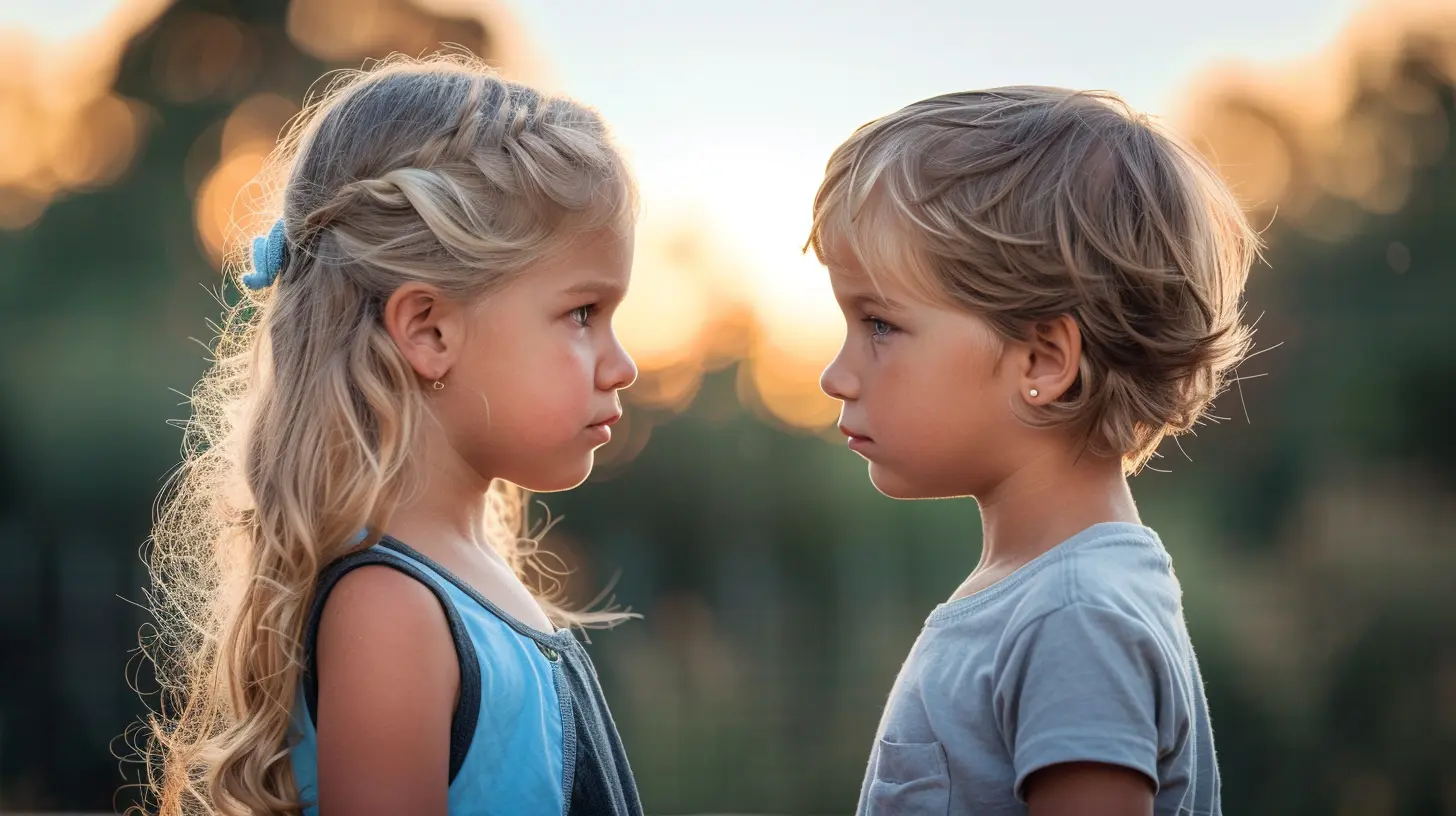
The Impact of Favoritism
This isn’t just about hurt feelings. Favoritism can mess with a person’s confidence, trust, and sense of belonging.For the Non-Favored Child:
- Low self-esteem: Feeling like you’re never “enough” can trigger anxiety, depression, or withdrawal.- Resentment toward the favored sibling: Relationships between siblings can get seriously damaged.
- Long-lasting emotional scars: Some kids carry this hurt into adulthood, affecting their relationships, jobs, and parenting styles.
For the Favored Child:
Surprise! They don’t get off easy either.- Pressure to maintain status: Being the favorite can feel like carrying a trophy you didn’t even want.
- Guilt and confusion: Especially if they see the emotional toll it’s taking on their siblings.
- Strained sibling relationships: It’s hard to bond with someone who feels second-best next to you.

How to Recognize Favoritism in Your Family
Sometimes favoritism is obvious. Other times, it’s that quiet feeling you get—like a background noise of unfairness.Here are some signs to look out for:
- One child receives more praise, hugs, or “I’m proud of you’s”
- Rules are stricter or more relaxed for one child
- One child gets more parental involvement in school, activities, or interests
- Decisions (like vacation destinations or family meals) always cater to one person’s preferences
- Emotional needs of one child are regularly prioritized over the other’s
Sound familiar? Let's talk solutions.
How Parents Can Address and Prevent Favoritism
1. Self-Reflect Honestly
Take a step back and ask yourself: “Am I treating my kids equally?” This doesn’t mean treating them identically—you wouldn’t give a toddler and a teen the same curfew—but it does mean giving each child equal value and validation.Journaling can help. Pay attention to how you talk to your kids, the quality time you spend, how you discipline, and what rewards you give. If the scales are tipping, you’ve found your starting place.
2. Ask for Feedback
If you’re brave enough, talk openly with your kids. Ask them how they feel. Something like:> “Hey, I’ve been thinking about how I treat each of you, and I want to make sure everyone feels equally loved. Do you ever feel like I favor someone without realizing it?”
You might be surprised at how honest (and insightful) kids can be.
3. Balance Your Time and Attention
If you’re always helping one child with homework, make sure you’re spending 1-on-1 time with your other child too. Schedule it if you have to. Even 15 minutes of undivided attention can make a world of difference.4. Celebrate Each Child’s Strengths
Not every kid will get straight A’s or be the star of the soccer team. That’s okay. Pay attention to their gifts—whether that’s kindness, creativity, resilience, or humor—and celebrate those equally.5. Be Transparent When Necessary
Sometimes one child will need more—due to health issues, learning needs, or specific struggles. Be honest with the other siblings. Explain that “fair” doesn’t always mean “equal,” and reassure them of their worth.6. Watch Your Body Language
Love isn’t just spoken—it’s shown. Make sure your hugs, eye contact, smiles, and tone of voice are sending the message that every child matters.
What to Do If You’re the One Affected By Favoritism
Okay, so what if you’re not a parent—but someone who’s dealing with favoritism? It could be a sibling rivalry fueled by parental bias. Or maybe you’re an adult still feeling side-lined.Here’s how to cope smartly:
1. Validate Your Feelings
First off—your feelings are real. Don’t gaslight yourself into thinking you’re “overreacting.” Favoritism can be subtle but still deeply painful. Naming what you’re going through is step one.2. Talk to the Source (If Safe to Do So)
If it’s a parent or caregiver and you feel emotionally safe, consider having an open, non-blaming conversation. Instead of saying, “You love [Sibling] more,” try:> “I’ve always felt like I was treated differently, and it’s been really tough for me.”
Use “I” statements to reduce defensiveness and keep the focus on your feelings.
3. Talk to a Therapist
Therapists are trained to help navigate complicated family issues. Even a few sessions can help you unpack emotional baggage, set boundaries, and rebuild self-worth.4. Set Emotional Boundaries
Sometimes, the best way to protect yourself is emotional distance. That doesn’t mean cutting family off—but it might mean reducing how much power their opinions have over your self-esteem.5. Rebuild Sibling Relationships (If Possible)
Try connecting with your sibling outside the framework of family favoritism. You might discover that they were struggling too—and that healing can happen on both sides.Favoritism in Extended Families
Cousin rivalry is a thing too! Grandparents, aunts, and uncles may show preferences that ripple through generations. It’s okay to call out problematic patterns or to step back when extended families stir unnecessary drama. Your peace comes first.
When It’s Time to Seek Professional Help
If favoritism has led to serious emotional issues—depression, anxiety, sibling estrangement—it might be time for therapy. Family therapy can be incredibly helpful in airing out grievances, reshaping communication, and building bridges where there are only walls.Final Thoughts
Favoritism isn’t just a minor family quirk. It can leave deep, long-lasting emotional marks; but it doesn’t have to define your family forever. Whether you’re a parent trying your best or an adult working through childhood hurts, remember this—relationships can heal, awareness is the first step, and even small changes can create big shifts in how loved and seen each person feels.So take the time. Have the hard conversations. And don’t forget—every child, every sibling, every you—deserves to feel like they matter.
all images in this post were generated using AI tools
Category:
Sibling RivalryAuthor:

Karen Hurst
Discussion
rate this article
2 comments
Meredith McQuade
Addressing favoritism is a powerful step towards fostering a loving and balanced family environment. By embracing open communication and understanding, we can strengthen relationships and ensure every child feels valued and cherished. Let's nurture harmony and celebrate each unique bond!
December 22, 2025 at 5:27 PM
Karen Hurst
Thank you for your insightful comment! Emphasizing open communication and understanding is indeed crucial in addressing favoritism and nurturing a harmonious family environment.
Nathaniel Jenkins
Navigating favoritism can be challenging, but it's an opportunity for growth and communication. By fostering open dialogue and embracing each child's unique qualities, we can strengthen family bonds and create a nurturing environment where every member feels valued and loved.
December 20, 2025 at 5:03 PM
Karen Hurst
Thank you for your insightful comment! Open dialogue and recognizing each child's uniqueness are indeed key to overcoming favoritism and fostering a supportive family environment.