How to Make Playtime More Meaningful for Your Child
14 August 2026
Let’s be real—parenting is part science experiment, part improv show, and maybe a dash of circus act. Between snack accidents and bedtime negotiations, it’s easy to leave playtime on autopilot. But here’s the kicker: play isn’t just fluff. It’s the secret sauce to your child’s emotional, social, and even intellectual growth. So let’s flip the script and figure out how to make playtime more meaningful for your child—without needing a PhD in kid whispering.

Why Playtime Matters More Than You Think
Playtime isn’t just about keeping your little one entertained while you finish that lukewarm cup of coffee for the fifth time today. Oh, no. It’s your child’s most important “work.” Through play, they learn about themselves, the world, and how to navigate relationships. It’s like their version of a TED Talk—only with blocks, dolls, and the occasional glitter explosion.Research shows that meaningful play boosts:
- Creativity and imagination
- Problem-solving skills
- Emotional regulation
- Communication and social bonding
So before you toss them an iPad and retreat to silence, let’s chat about how to give playtime a purpose (and still have some fun ourselves).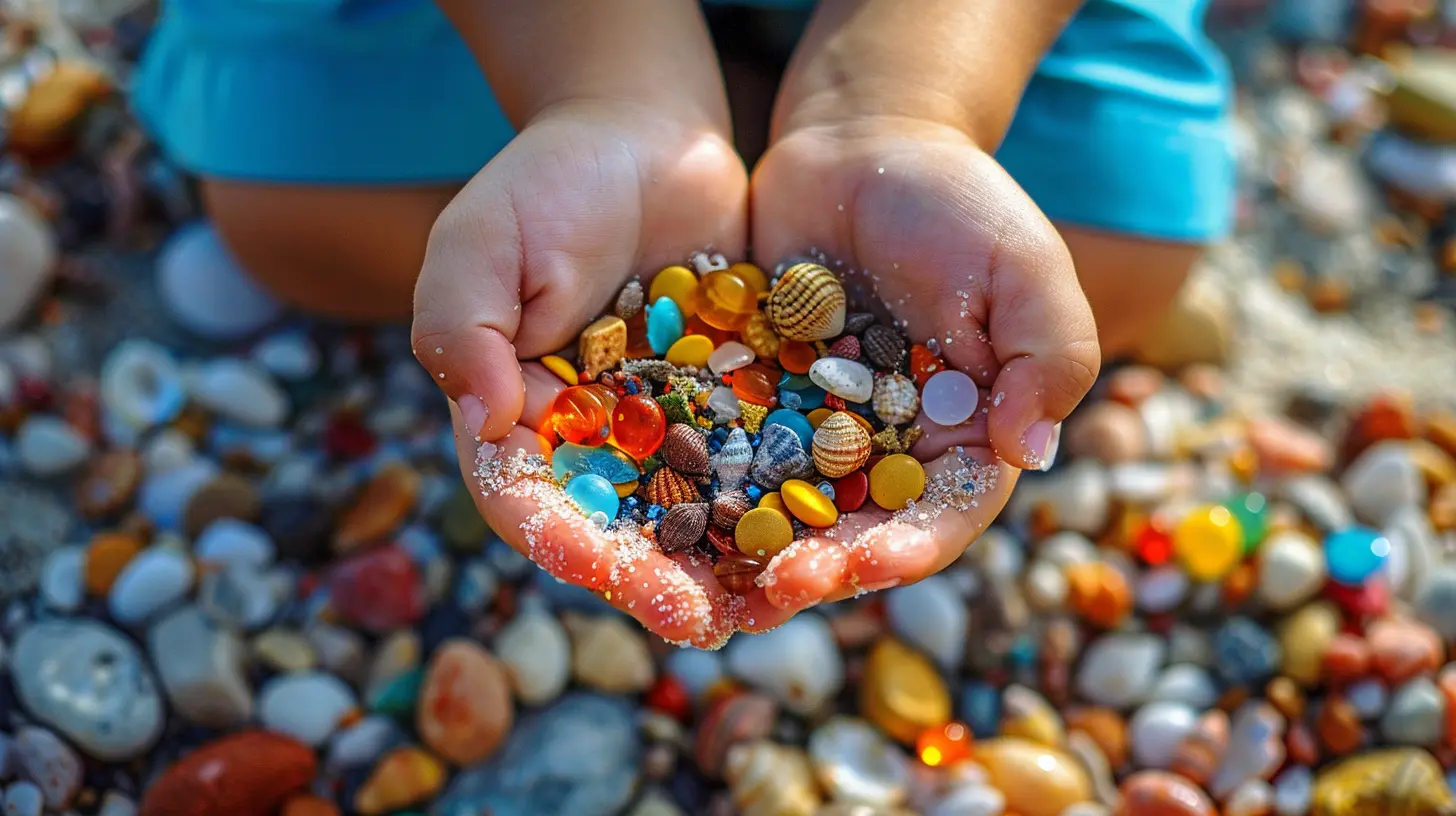
1. Ditch the Scripts – Let Them Lead
Ever notice how your kid can turn a cardboard box into a spaceship, a pirate ship, and a bakery all before lunch? That’s not random—it’s genius. Unstructured play, where kids take the lead, is where the real growth happens.Instead of steering play with a “Let’s play house and you be the baby,” try asking open-ended questions like:
- “What should we build today?”
- “Who do you think lives in this block castle?”
- “What happens next in this story?”
Letting them take the wheel not only builds confidence but also taps into creativity you didn’t even know they had. It’s like giving their imagination a key to the front door.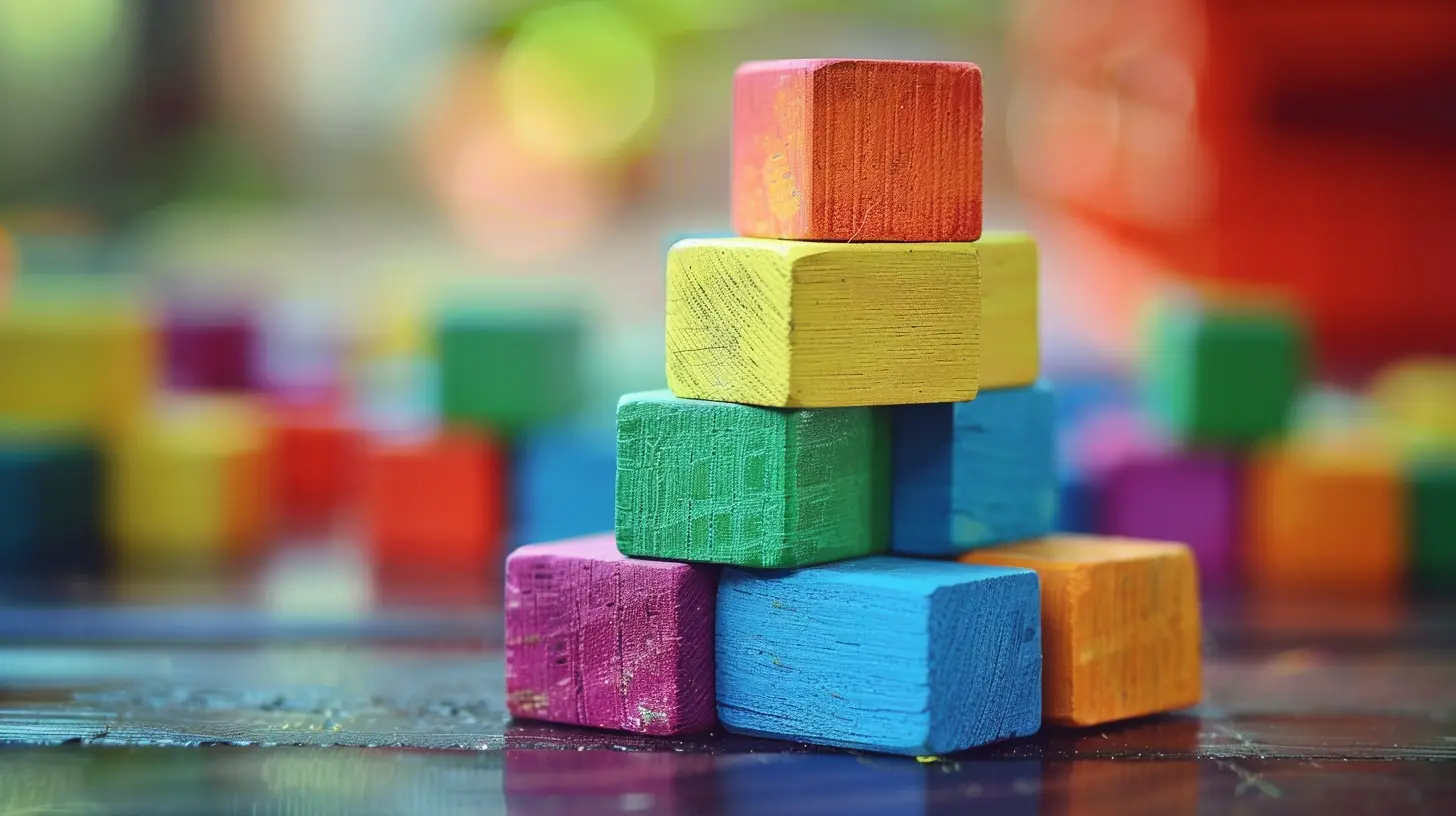
2. Quality Over Quantity – It’s Not About the Hours
We’re all busy. Between work, errands, and keeping your child from eating chalk (again), time is a commodity. But newsflash—you don’t need to dedicate your entire afternoon to building LEGO cities.Meaningful play isn’t about clocking hours; it’s about being present. Ten solid, uninterrupted minutes of fully engaged play beats an hour of distracted “uh-huhs” from behind your phone.
Put your phone on airplane mode (yes, really), sit down on the floor, and dive into their world—even if that world involves talking dinosaurs and singing potatoes.
3. Go Beyond Toys – Time to Get Weird (In a Good Way)
Toys are cool and all, but don’t underestimate the power of everyday household objects. Kids don’t care that your Tupperware isn’t made by Fisher-Price.Raid the recycling bin and hand them:
- Empty paper towel rolls (telescopes or bowling pins, obviously)
- Egg cartons (bug hotels or treasure chests)
- Old socks (instant puppet theatre)
Encourage “loose parts play”—where kids manipulate random objects to build, create, and explore without any specific rules. It’s like giving their brain a playground without a sign that says “play this way.”
4. Mix in Real-Life Skills – Play Chef, Builder, or Scientist
Want to supercharge playtime? Sneak in some real-life skills. It’s like hiding veggies in spaghetti sauce—sneaky but genius.- Cooking Play: Let them “help” in the kitchen. Stirring batter, washing veggies, or setting tables develops fine motor skills and math concepts (hello, fractions).
- Building Play: Got a mini DIY-er? Bring out the child-safe tools and let them fix pretend problems. “Oops, the couch leg is wobbly again—Can you fix it?”
- Science Play: Mix baking soda and vinegar in a jar and call it a volcano. Boom. You just taught chemistry.
These activities reinforce cognitive skills and make your child feel capable. Plus, you might get someone else to help crack eggs come pancake Sunday.
5. Bring Nature Into the Mix – AKA Let Them Get Dirty
If your idea of outdoor play is opening a window, we need to talk. Kids thrive outside. Dirt is their glitter. Trees are their scaffolding. Bugs are…well, gross but also fascinating.Try:
- Mud kitchens made from old pots and pans
- Nature scavenger hunts (“Find something smooth, bumpy, green, and weirdly shaped”)
- Stick forts and leaf crowns
Outdoor play improves mood, physical health, and attention span (yes, even that squirrel-level focus they call patience). Bonus? It tires them out. Sleep = parenting victory.
6. Make It Social – But Not Overwhelming
Kids need other kids. It’s how they learn to share, negotiate, and occasionally apologize for biting. But meaningful social play doesn’t mean scheduling a six-hour playdate with ten screaming toddlers.Keep it small and low-key:
- One or two friends max
- Short sessions with breaks if needed
- Observe your child’s social energy level
And remember: parallel play (when they’re just next to each other doing different things) is still meaningful. They’re watching, learning, and figuring each other out like tiny psychologists.
7. Ask Questions That Spark Thinking
Instead of telling your child how to play, ask questions that make them pause and think. This turns play into an epic brainstorming session.Try these:
- “What else could you build with that?”
- “How would you solve this problem?”
- “Why do you think your teddy bear is sad?”
This isn’t a pop quiz. There's no “right” answer. You're encouraging them to stretch their brain muscles and connect dots in new, weird, wonderful ways.
8. Celebrate the Process, Not the Product
Your child made a lopsided Play-Doh snail with three eyes and no shell. Applaud it like it’s the Mona Lisa.Why? Because in meaningful play, what they make isn’t nearly as important as how they made it. Did they try something new? Get frustrated and keep going? Use problem-solving or wild imagination? That’s the gold.
Avoid calling everything “sooo cute” and instead say:
- “I love how you used so many colors here.”
- “You worked really hard on that.”
- “Tell me about what’s happening in this picture.”
It shifts the focus away from praise-for-praise’s-sake and puts the spotlight on their effort and creativity.
9. Rotate Toys – Keep Things Fresh Without Buying More
Is your living room starting to look like a toy store exploded? Welcome to the club. Good news: you don’t need more toys; you need fewer at once.Introduce a “toy rotation” system:
1. Stash half of the toys in a bin out of sight.
2. Every few weeks, swap them.
3. Watch your child act like it’s Christmas morning.
When there’s less clutter, kids tend to play longer and more creatively with what they have. Overstimulated brains = short attention spans. Fewer options = deeper engagement.
10. Let Boredom Be the Launchpad
“Mom, I’m booored!”Those words might strike fear into your heart, but boredom isn’t the enemy—it’s the trampoline that launches creativity.
The next time your child complains of being bored, resist the urge to swoop in with an activity menu. Instead, say:
- “That’s okay. Boredom can lead to great ideas.”
- “Let’s see what your brain comes up with.”
You might be surprised what kind of magic they make when there’s nothing else competing for attention.
Final Thoughts: Play On, Parent Warrior
Making playtime more meaningful doesn’t mean scheduling Pinterest-perfect craft sessions or acting as a full-time entertainer. It means being present, asking good questions, and giving your child the freedom to explore, mess up, imagine, and try again.Some days, you’ll build a block city together. Other days, you’ll just sit nearby while they turn a banana into a phone. Both count. Both matter. Both build the foundation for a curious, confident, capable human.
So take a deep breath, put your phone down, grab a silly hat, and dive into the sandbox. Who knows? You might just find playtime meaningful, too.
all images in this post were generated using AI tools
Category:
Playtime IdeasAuthor:

Karen Hurst
Discussion
rate this article
1 comments
Thalwen Cannon
Transform playtime into a powerful opportunity for connection, creativity, and growth in your child.
August 14, 2026 at 4:17 AM