Managing Sibling Rivalry in Larger Families
23 January 2026
Let’s be real—managing sibling rivalry in larger families can feel like trying to referee a soccer match where every kid insists they’re the star player. One minute, everyone’s laughing around the dinner table, and the next, it’s World War III because someone looked at someone else’s plate the wrong way! If that sounds familiar, you’re not alone. Raising multiple children under one roof is both a blessing and a challenge—but when handled with care, those squabbles can become teachable moments rather than the beginning of another meltdown.
In this article, we’re diving deep into what sibling rivalry looks like in larger families, why it happens, and most importantly—how to manage it in a way that brings more harmony (and fewer slammed doors) into your home.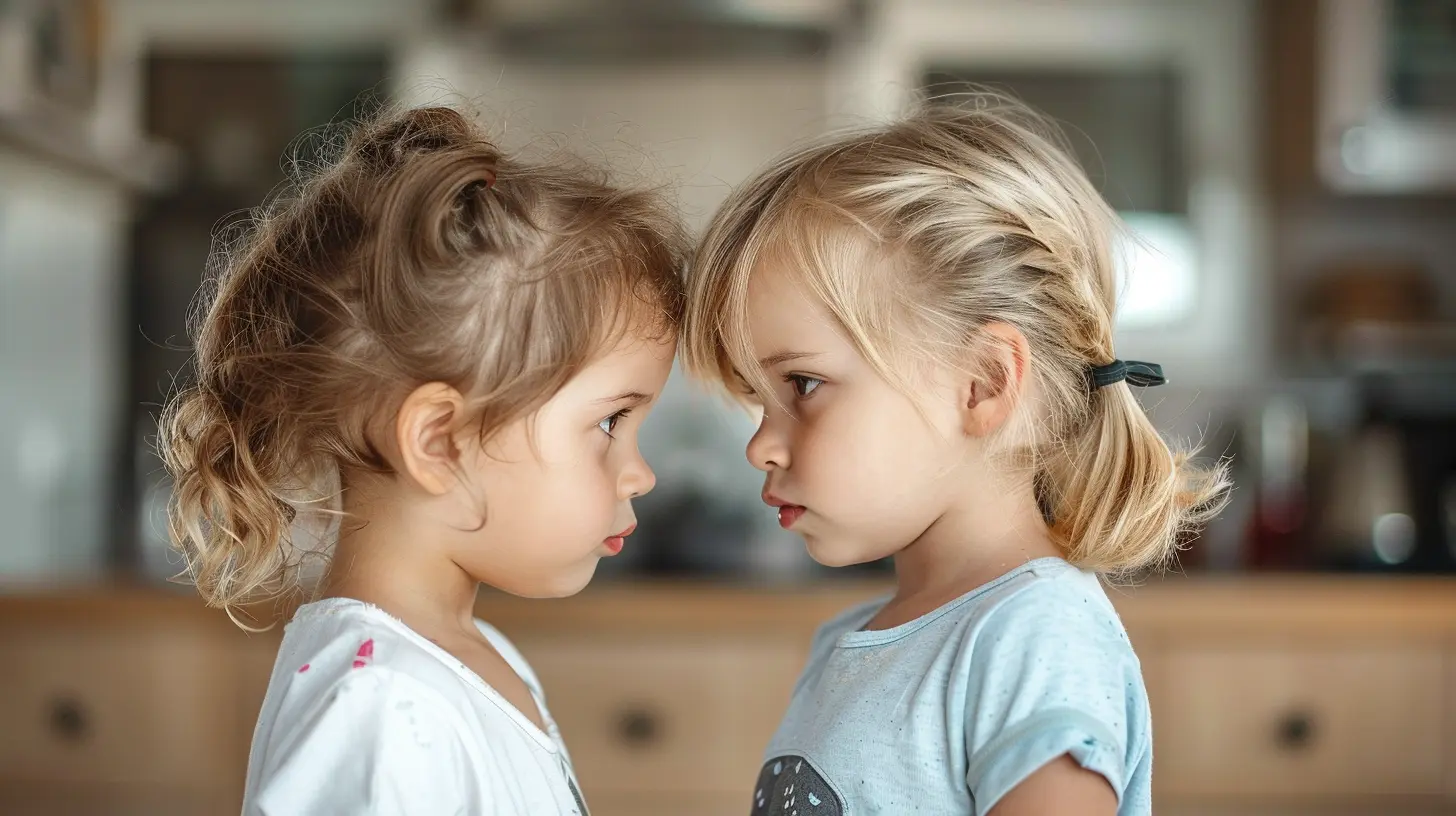
What Does Sibling Rivalry Really Look Like?
Sibling rivalry isn’t just about fighting over toys or who gets the front seat. It can show up as teasing, tattling, jealousy, competition, or even subtle forms of favoritism. And in bigger families, the dynamic becomes even more layered.Picture this: four kids, all trying to carve out their unique space and identity while sharing bedrooms, clothes, snacks, and let’s be honest—your attention. When the family grows, so does the room for friction.
But here’s the thing—rivalry, in small doses, is completely normal. In fact, it can even help kids learn how to solve problems, compromise, and develop emotional intelligence. The key is stopping it before it spirals.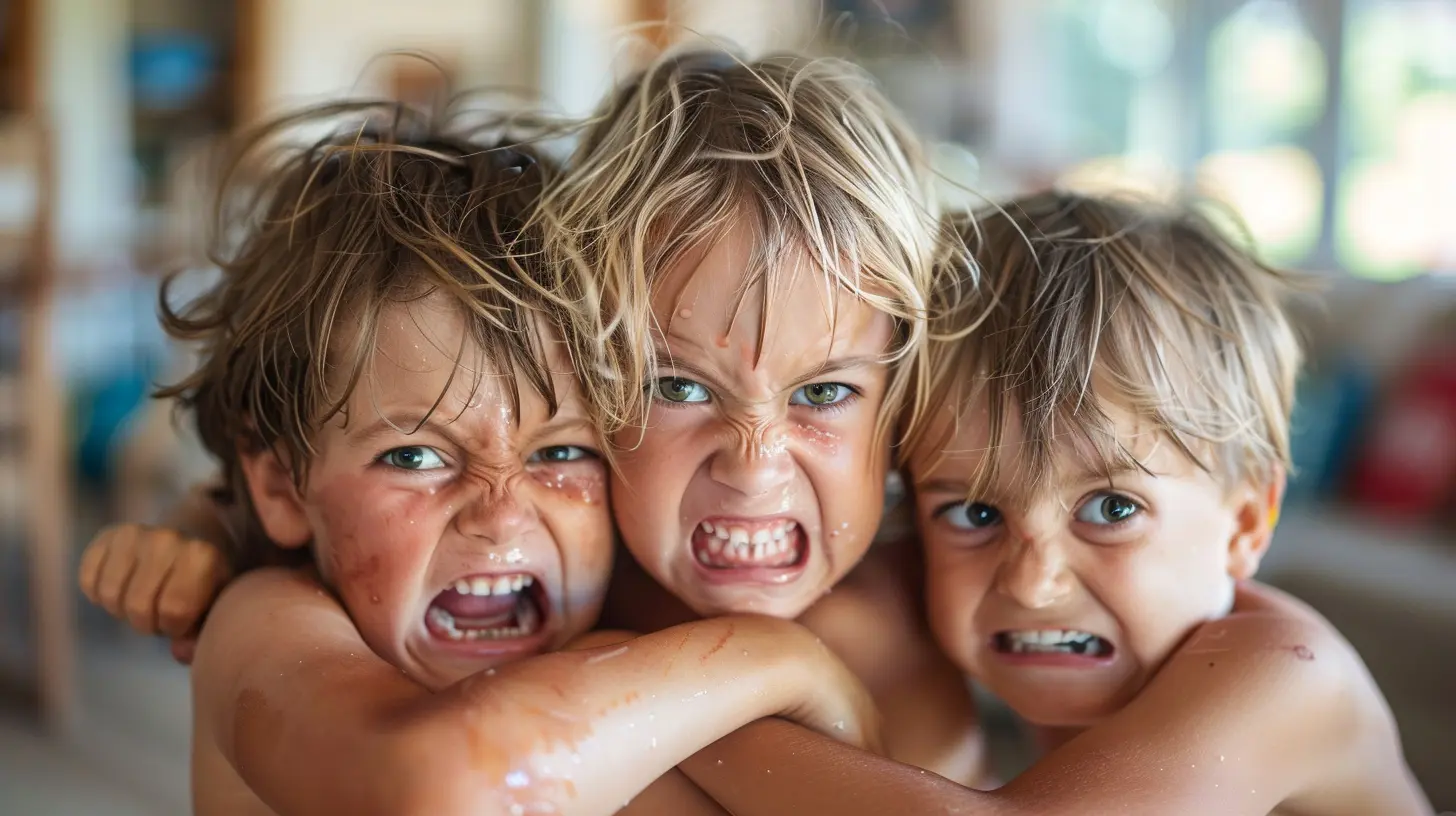
Why Is Rivalry More Intense in Larger Families?
You’d think having more siblings would mean more playmates, right? Well, yes—and no. In families with three or more children, things like attention, responsibilities, and recognition can feel stretched thin. Kids often feel like they're in competition not just for affection, but also for validation.Here are a few reasons rivalry can flare up more dramatically in larger households:
1. Limited Parental Time
Even the most superhuman parent can only be in one place at one time. With more kids needing help with homework, wanting someone to listen, or calling out from the bathroom (again), it's harder to give everyone consistent one-on-one time.2. Defined Roles Within the Family
In larger families, kids often fall into "roles"—the smart one, the funny one, the troublemaker, the baby—and these labels can cause resentment. When a child feels boxed into a certain role or overlooked, it can fuel bitterness toward siblings.3. Resource Sharing
This goes beyond just toys and snacks. We're talking bedrooms, bathrooms, and even emotional resources. It’s a constant juggling act that sometimes leads to... well, dropped balls.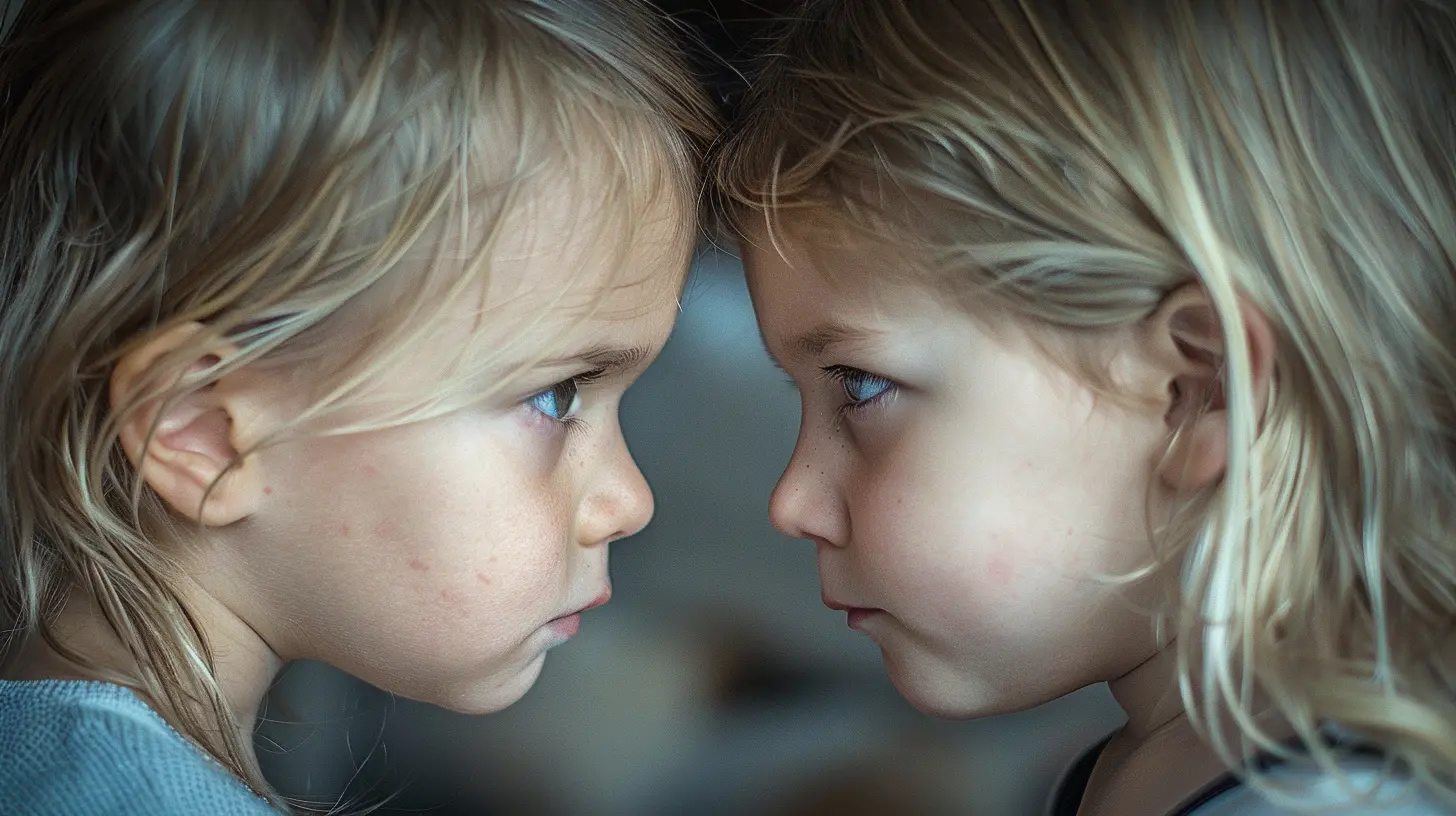
Strategies for Managing Sibling Rivalry in Larger Families
Okay, so rivalry is normal—but how do we handle it without tearing our hair out? The good news: with a little intentionality and a lot of empathy, you can create a more cooperative and loving environment.1. Carve Out One-on-One Time
This might seem impossible when you’re already juggling a busy household, but even 10-15 minutes of undivided attention with each child can work wonders. It tells them, “You matter. I see you. You're not just part of the crowd.”💡 Try a rotating “date night” system—just you and one child doing something simple like a walk, an ice cream run, or reading a book together. The quality mattered more than the quantity.
2. Avoid Labels and Comparisons
We’ve all heard it—“Why can’t you be more like your sister?” or “He’s the sporty one.” These comparisons might seem harmless, but they plant seeds of resentment. Instead, celebrate each child’s individual strengths without comparing them to their siblings.Think of your kids like different flowers in the same garden. They might grow in different ways, but they’re all beautiful in their own right.
3. Clarify Family Values and Expectations
Set the tone in your home by making kindness, teamwork, and respect non-negotiables. When everyone knows that treating each other with dignity is part of the family DNA, they’re more likely to think twice before launching into a full-blown fight over who gets the last cookie.You can even get the kids involved in creating a “family mission statement”—it sounds cheesy, but it gives them ownership and accountability.
4. Teach Conflict Resolution Skills
Let’s face it—kids fighting is frustrating. But every argument is also a chance to teach problem-solving. Instead of jumping in as the judge and jury every time, coach your kids on how to talk things through.Use questions like:
- What happened from your point of view?
- How did that make you feel?
- What do you think would make it right?
Over time, they’ll start learning to work through issues without you acting like a referee in a cage match.
5. Create Special Roles for Everyone
Instead of letting children fall into stereotypical family “roles,” help each child develop their own sense of purpose and place within the family.Maybe one is great at organizing, another excels at storytelling, and one is the peacemaker. Reinforce these strengths and let them take ownership of family tasks that align with who they are.
Not only does this boost self-esteem, it reduces the need to compete for acknowledgment.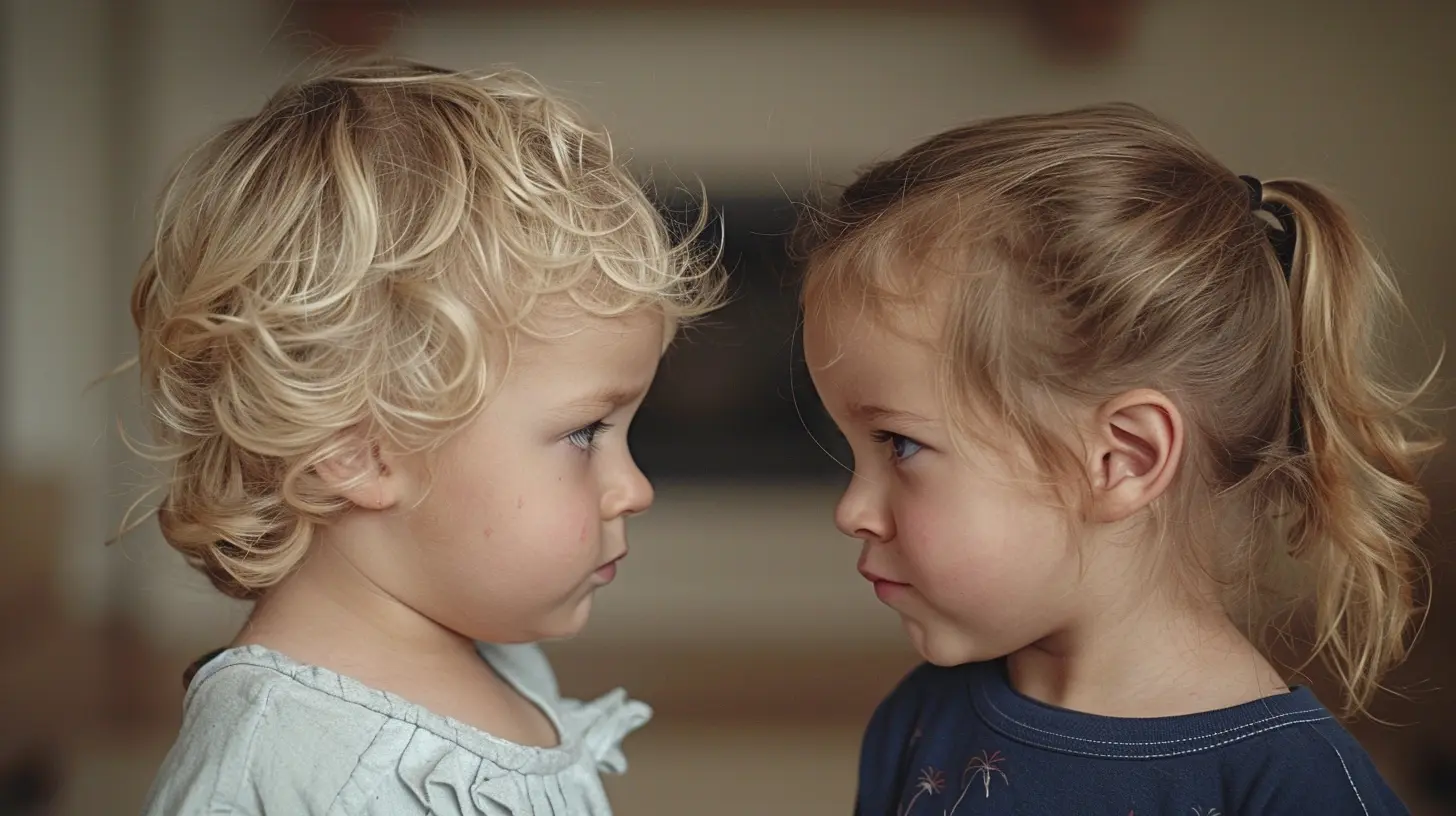
What About When It Gets Really Bad?
Sometimes, sibling rivalry goes beyond bickering. If you’re seeing ongoing cruelty, bullying, or emotional withdrawal, it might be time to dig deeper.When to Seek Help:
- Persistent Aggression: If one child is constantly targeting another, there may be underlying emotional issues.- Favoritism (Real or Perceived): A child who feels consistently neglected may act out or become withdrawn.
- Major Life Changes: Events like divorce, a new baby, or moving can shake up sibling dynamics.
In these cases, talking to a family therapist or counselor can help everyone feel heard and understood.
Tips for Day-to-Day Peacekeeping
Let’s talk about some practical, everyday things you can do to keep sibling rivalry from wearing you down.1. Set Fair—but Not Always Equal—Rules
Kids often think “fair” means “exactly the same.” But fairness is about meeting individual needs, not creating clones of opportunity.Explain this clearly. For instance, an older child might get a later bedtime, while younger ones get more story time. Same love, different needs.
2. Encourage Teamwork
Find ways to have your kids work together instead of against each other. Chores can be done in pairs. Family games can be cooperative rather than competitive.Want to turn things around fast? Give them a “shared mission”—like planning a surprise for another sibling or baking cookies for a neighbor. Nothing brings people together like a common goal.
3. Praise the Positive—Loudly
When you hear kindness, see teamwork, or witness a rare moment of sibling love—call it out like a sportscaster celebrating a game-winning touchdown.Reinforce the behavior you want to see. Your attention is a powerful reward.
Long-Term Perspective: You're Not Raising Roommates—You’re Shaping Relationships
It’s easy to get caught up in daily squabbles, but zooming out helps. One day, these same kids will (hopefully!) call each other to share life’s ups and downs. They might even laugh about the time they fought over the last slice of pizza.The habits and emotional skills you help build now can shape not just their childhood, but their lifetime relationships.
So, the next time you break up a fight for the hundredth time, take a deep breath and remind yourself—you’re not just minimizing chaos. You’re building character, empathy, and real-world relationship skills.
That’s no small thing.
Final Thoughts
Managing sibling rivalry in larger families isn’t about eliminating every disagreement (good luck with that), but about guiding your kids through conflict with understanding, empathy, and positive communication.Remember, your home is the first relationship lab your children will ever know. It's where they learn how to love, forgive, communicate, and coexist. That’s a gift you’re giving them—and it lasts far beyond childhood.
So hang in there, stay patient, and know that every small step you take matters a lot more than you think.
all images in this post were generated using AI tools
Category:
Sibling RivalryAuthor:

Karen Hurst
Discussion
rate this article
2 comments
Sylvia Cummings
Great tips! Fostering cooperation and open communication can truly transform sibling dynamics. Encouraging shared activities might also help strengthen their bond. Thanks for sharing these insights!
February 13, 2026 at 4:04 PM
Karen Hurst
Thank you! I'm glad you found the tips helpful. Fostering cooperation and shared activities can indeed make a big difference in sibling relationships!
Zanthe Wolf
Thank you for this insightful article! Navigating sibling rivalry in larger families can be a challenge, and your tips offer a compassionate approach to fostering harmony and understanding among siblings.
January 23, 2026 at 3:58 AM
Karen Hurst
Thank you for your kind words! I'm glad you found the tips helpful for fostering harmony among siblings.